Japanese Maple Plant Description: Key Details for Iijima Sunago, Select Red, and Popular Cultivars
Get clear, beginner-friendly descriptions of Japanese maple trees, including specific details for Iijima Sunago and Select Red cultivars, plus care and pruning tips.
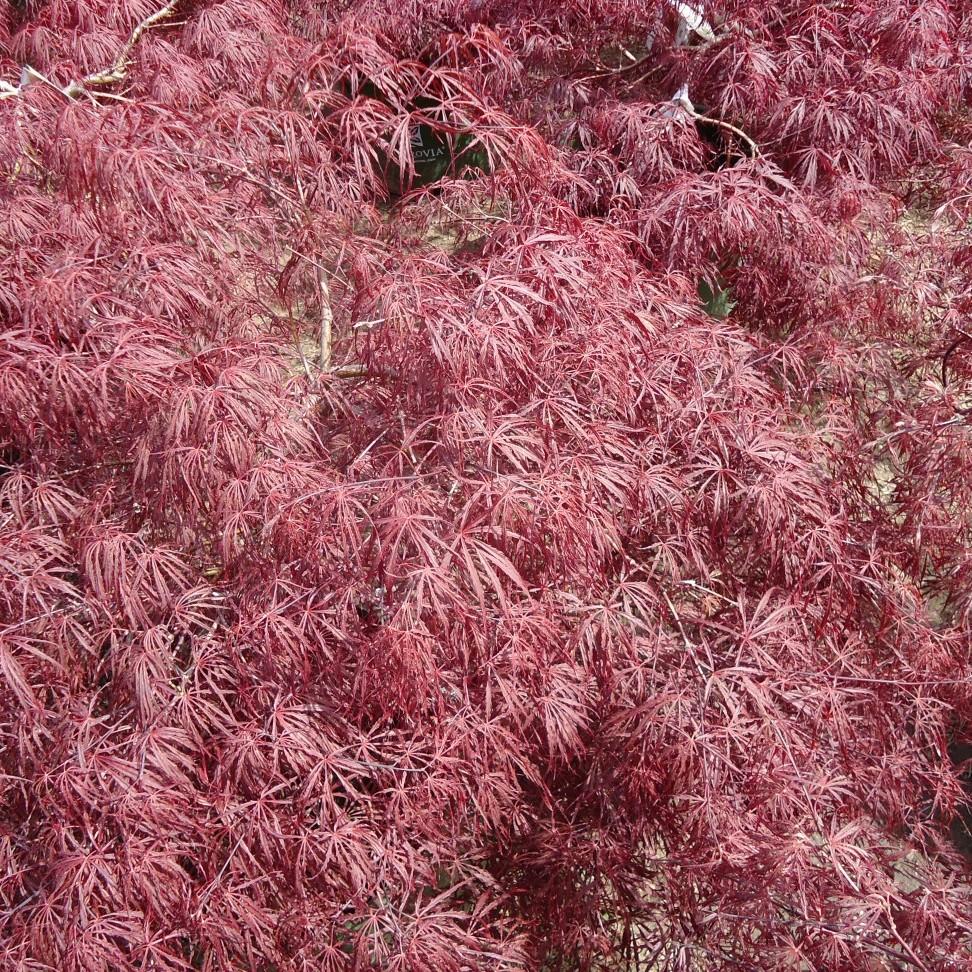
Acer palmatum, the Japanese maple, is a small deciduous East Asian tree that matures to 10–25 feet tall with a rounded, spreading canopy. A standard Japanese maple plant description notes most varieties have palm-shaped lobed leaves that shift color across spring, summer, and fall, with hues ranging from bright green to deep red, purple, or variegated blends. All common garden cultivars are pet-safe and thrive in high-humidity outdoor environments.
Core Japanese Maple Plant Description
A standard Japanese maple plant description covers the species’ signature traits that unify all cultivars, from compact dwarf varieties to larger landscape trees. Leaves always have at least five pointed, palm-like lobes, and bark is typically smooth, gray-brown, with subtle texture on mature trunks. Most varieties grow slowly, adding 12 to 24 inches of new growth per year under ideal conditions. If you spot an unknown maple in your garden, the Sproutly app can identify its exact cultivar in seconds and pull up tailored care guidance.
Common Names and Taxonomy
Japanese maple is the most widely used common name for Acer palmatum, though some regions may refer to it as smooth Japanese maple or palmate maple. No widely accepted former scientific names exist for the core species, though cultivar labels may be updated occasionally as horticultural classification standards evolve.
General Growing Conditions
Most Japanese maples grow best in USDA hardiness zones 5 through 8. Sun requirements vary by cultivar, with some thriving in full sun and others needing partial shade to prevent leaf scorch. All prefer well-drained, slightly acidic soil with a pH between 5.5 and 6.5, and consistent moisture, especially during hot, dry periods when temperatures exceed 85°F. For more region-specific outdoor tree recommendations, review the japanese maple plant description and USDA-friendly landscape tree guide guide.
Iijima Sunago Japanese Maple Description
The Iijima Sunago Japanese maple is a full-sun cultivar with foliage that emerges deep burgundy in early spring, gradually fading to a bronze-green with subtle silver speckles by mid-summer before turning bright crimson in fall. This dwarf cultivar’s compact, upright 8 to 12 foot mature size makes it well-suited for small yard spaces or container planting on patios. It fits core Japanese maple plant description parameters, including pet-safe foliage and preference for consistent, moderate moisture. For full care profiles, see the dedicated Iijima Sunago Japanese Maple entry in the Sproutly plant encyclopedia.
This cultivar is pet-safe, humidity-loving, and tolerant of direct sunlight for 6+ hours per day, though it may benefit from light afternoon shade in regions with regularly high summer temperatures above 90°F. It has average water needs, requiring 1 inch of water per week from rain or manual watering during the growing season.
Select Red Japanese Maple Description
The Select Red Japanese maple (Acer palmatum 'Red Select') is a full-sun cultivar with a dense, spreading canopy and deep red-purple foliage that retains its rich color through most of the growing season, shifting to a vivid scarlet in fall. It reaches 6 to 10 feet tall at maturity with a 10 to 12 foot spread, wider than many compact cultivars, making it a good choice for a low focal point in landscape beds. It aligns with standard Japanese maple plant description traits, including lobed foliage and slow annual growth of 12 to 18 inches under ideal conditions. For cultivar-specific troubleshooting tips, see the Red Select Japanese Maple encyclopedia page.
This cultivar is classified as expert-level due to its sensitivity to overwatering and inconsistent pruning schedules. It is pet-safe and humidity-loving, but requires well-drained soil to avoid root rot. If you are unsure how to adjust care for this finicky cultivar, the Sproutly app can create a custom watering and maintenance schedule tailored to your local climate.
How to Prune Japanese Maple Trees
Prune Japanese maples only during their dormant season, between late fall and early spring, to avoid excessive sap bleed that can attract pests like aphids or scale, or weaken the tree. Focus first on removing dead, damaged, or crossing branches, then thin out crowded inner growth to improve air circulation and light penetration to lower foliage. Never remove more than 25% of the tree’s total growth in a single year, as this can cause long-term stress and reduce fall color vibrancy.
Pruning Tips by Cultivar
- For Iijima Sunago: Prune only to maintain its natural upright shape, avoiding heavy cutting of new spring growth that can disrupt its seasonal color shift. Trim only small, wayward branches to keep the canopy tidy.
- For Select Red: Prune sparingly to preserve its dense, spreading canopy; focus on removing inward-growing branches that block light to lower foliage, and avoid thinning outer growth that contributes to its signature full shape.
Common Japanese Maple Pests and Diseases
Japanese maples are relatively low-maintenance, but they can be susceptible to a small set of common pests and fungal issues that impact foliage health and color. All issues listed below apply across cultivars, including Iijima Sunago and Select Red, and early intervention prevents long-term damage. Most common issues are avoidable by following care guidance aligned with your plant’s Japanese maple plant description and regional climate.
Pests to Watch For
- Aphids: Small, soft-bodied insects that cluster on new spring growth, sucking sap and leaving sticky honeydew that can lead to sooty mold. Wipe small infestations off with a damp cloth, or use horticultural oil for larger outbreaks.
- Japanese beetles: Metallic green beetles that chew irregular holes in leaf tissue from mid-summer through early fall. Hand-pick beetles off foliage in the morning when they are less active, or use pheromone traps placed at least 30 feet away from your tree to avoid attracting more pests.
- Scale: Tiny, stationary insects that attach to bark and leaf undersides, sucking sap and causing yellowing foliage. Treat dormant trees with horticultural oil in late winter to kill overwintering scale eggs.
Fungal Issues
- Anthracnose: Causes brown, irregular spots on leaf edges in cool, wet spring weather. Rake and dispose of fallen leaf debris in fall to reduce overwintering fungal spores, and avoid overhead watering that keeps foliage damp for extended periods.
- Verticillium wilt: A soil-borne fungus that causes sudden branch dieback, most often in trees planted in heavy, poorly drained soil. There is no cure for severe infections, but you can reduce risk by planting in loamy, well-drained soil and avoiding root damage during landscaping work.
Other Popular Japanese Maple Cultivars
Dozens of unique Japanese maple cultivars exist for different landscape needs, ranging from dwarf container-friendly options to large, fast-growing shade trees. All cultivars listed below are pet-safe and humidity-loving, with varying sun and care requirements to fit different growing conditions. Each fits the core Japanese maple plant description, with lobed foliage, seasonal color shifts, and slow, steady growth.
Common Home Garden Cultivars
- Hubb's Red Willow Japanese Maple: Partial-shade tolerant with narrow, willow-like red leaves that turn bright crimson in fall, maturing to 10 to 15 feet tall.
- Osakazuki: Full-sun tolerant with bright green summer foliage that shifts to iconic, fiery red fall color, one of the most vivid fall displays of any Japanese maple, maturing to 15 to 20 feet tall.
- Tamukeyama: Weeping, full-sun tolerant cultivar with deep purple-red foliage that holds its color through most of the summer, ideal for cascading over retaining walls or growing in hanging planters, maturing to 4 to 6 feet tall.
FAQ
Are Iijima Sunago and Select Red Japanese maples pet-safe?
Yes, both Iijima Sunago and Select Red Japanese maple cultivars are non-toxic to dogs and cats, per ASPCA guidelines for Acer palmatum species.
Can I grow Iijima Sunago Japanese maple in a container?
Yes, its compact 8 to 12 foot mature size and upright growth habit make it well-suited for large outdoor containers, as long as you use well-drained, acidic potting mix and water regularly during dry periods.
Why is my Select Red Japanese maple losing its red color in summer?
Select Red may fade to a greenish-purple in mid-summer if it receives less than 6 hours of direct sun per day, or if it is experiencing nutrient deficiency. A soil test can help rule out low iron or nitrogen issues that may impact foliage color.
Try Sproutly
If you’re working with an unknown Japanese maple cultivar, or need tailored care schedules for your specific growing zone, the Sproutly app can help. Identify plants in seconds, access personalized watering and pruning reminders, and troubleshoot common issues like leaf scorch or color fade. Get Sproutly today to keep your Japanese maples thriving year-round.
Похожие статьи
Ещё руководства, которые вам понравятся
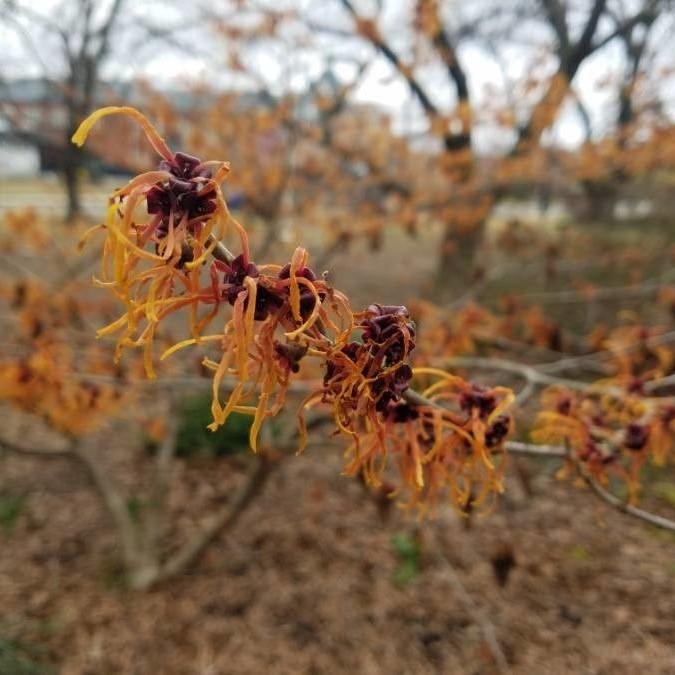
Hamamelis Mollis (Chinese Witch Hazel): Complete Grow & Care Guide
Learn to grow, care for, and enjoy Hamamelis mollis (Chinese witch hazel), a fragrant winter-blooming shrub with vibrant autumn foliage for temperate gardens.
2026-07-26 · 12 min read
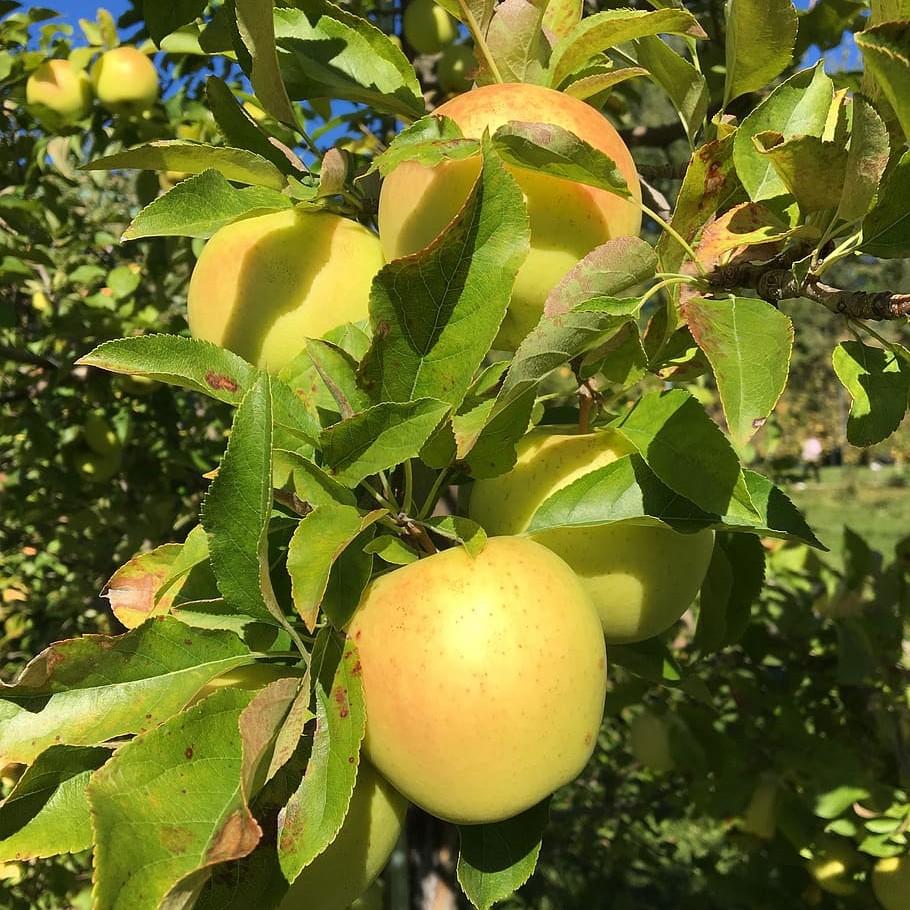
Flowering Crabapple: Grow Guide, Cultivars, and Landscape Uses
Learn to grow and care for flowering crabapple trees, with tips on cultivar selection, bloom care, disease resistance, and using their edible fruit and seasonal foliage.
2026-07-25 · 11 min read
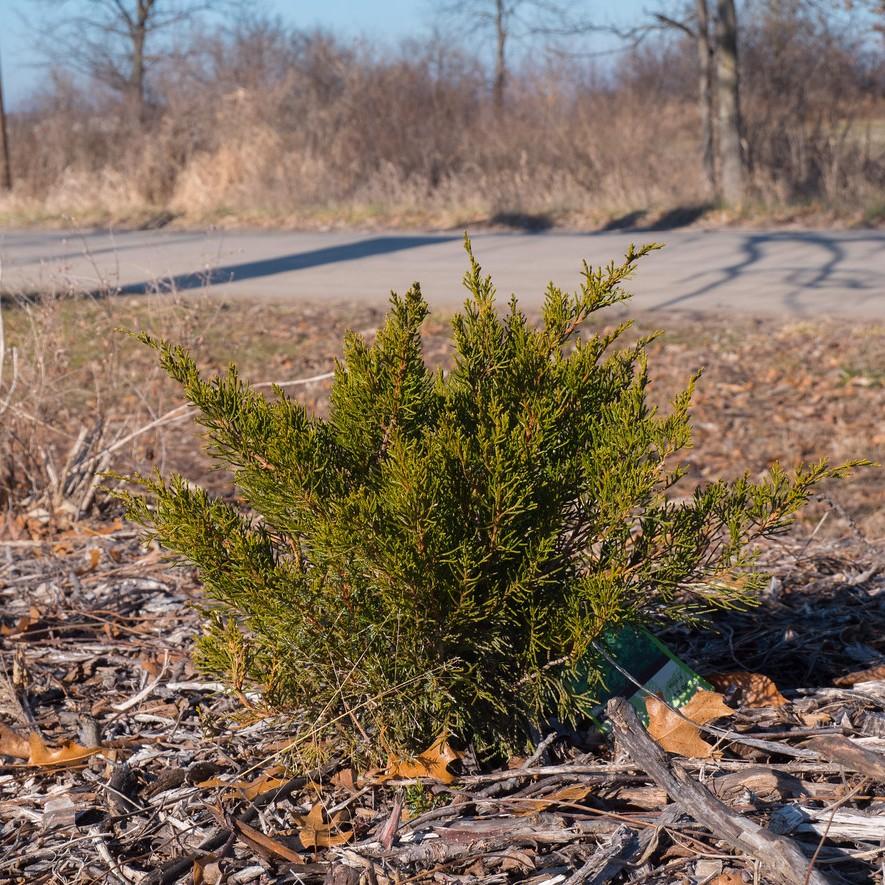
Dwarf Peach Tree: Complete Care, Growing Guide & Top Varieties for Small Spaces
Learn how to grow a dwarf peach tree in containers or small yards, get care tips, top variety picks, and solutions for common issues like brown rot and peach leaf curl.
2026-07-24 · 18 min read