8 Standout Plant Species From the USDA Plants Database Perfect for Outdoor Landscapes
Explore standout plant species from the USDA plants database, with key plant information to help you pick the right maple tree for your yard.
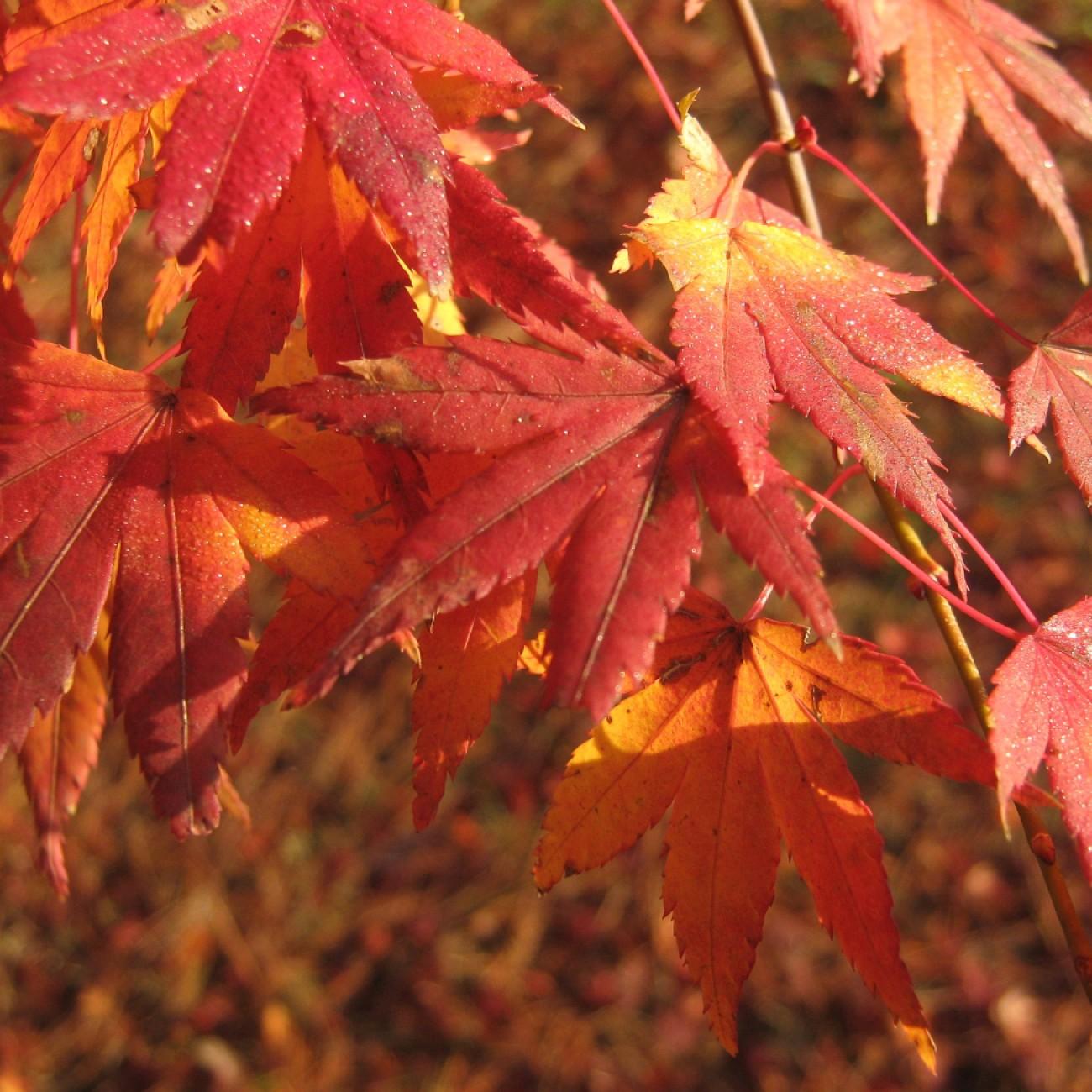
8 Standout Plant Species From the USDA Plants Database Perfect for Outdoor Landscapes
Picking the right trees for your yard can feel overwhelming when the USDA Plants Database catalogs tens of thousands of entries across North America. For residential landscapes, maple trees are a perennially popular pick for their dramatic foliage, manageable growth habits, and low-maintenance care requirements — the Bloodgood Japanese maple is a classic example, with a detailed care and growth-rate guide if you are considering one. The 8 varieties featured here are all vetted for full-sun outdoor growing, humidity tolerance, and pet safety, making them ideal for most yards. If you already have an unknown maple growing in your landscape, you can use Sproutly to scan its leaves and bark to confirm its type and get tailored care tips.
What Makes These Plant Species Stand Out in the USDA Plants Database?
The USDA Plants Database organizes entries by hardiness zone, growth habit, native range, and care requirements, so you can easily cross-reference whether a variety will thrive in your specific location. All 8 maple varieties on this list meet three core criteria that make them ideal for home landscapes: they tolerate at least 6 hours of direct sunlight per day, adapt well to average residential humidity levels, and are non-toxic to dogs and cats.
Unlike many larger maple species that can grow 70 feet tall or more, these varieties have mature sizes that fit standard suburban yards, small urban lots, and even container plantings. They also offer a wide range of foliage colors, growth shapes, and seasonal interest, so you can find an option that aligns with your landscape design goals.
Upright Japanese Maple Varieties for Bold Foliage
Upright Japanese maples are the most common type used in residential landscapes, with a classic vase-shaped growth habit that works well as a specimen tree or planted in groups along a property line. These three varieties are among the most popular for their reliable color and low-fuss care.
Autumn Fire Japanese Maple
The Autumn Fire Japanese Maple grows 15 to 20 feet tall and 12 to 15 feet wide at maturity, with bright green leaves throughout the spring and summer that turn a vivid, fiery red in early fall. Its fall color holds for several weeks longer than many other Japanese maple varieties, making it a top pick if you want extended seasonal interest. For more detailed guidance on watering and fertilizing, see our full Autumn Fire Japanese Maple care guide.
Bloodgood Japanese Maple
One of the most widely planted Japanese maple varieties, Bloodgood grows 15 to 25 feet tall and 15 to 20 feet wide, with deep burgundy leaves that hold their color consistently through the summer, even in full sun. In early spring, it produces small, subtle red flowers that give way to decorative samaras (the iconic “helicopter” seed pods) later in the season. It is more tolerant of heat than many other red-leaf Japanese maples, making it a good fit for warmer regions. Explore our Bloodgood Japanese Maple growing tips for guidance on pruning and winter protection.
Hogyoku Japanese Maple
Hogyoku grows 12 to 18 feet tall and 10 to 15 feet wide, with bright lime-green leaves through the spring and summer that turn a striking pumpkin-orange in fall. Like Bloodgood, it produces small, pale yellow flowers in early spring that add subtle seasonal interest before the leaves fully emerge. To tell Hogyoku apart from similar green-leaf upright maples at a glance, look for its slightly rounded leaf lobes and thick, sturdy branch structure.
Dwarf Maple Varieties for Small Gardens and Containers
If you have limited yard space or want to grow a maple on a patio or balcony, dwarf varieties offer all the foliage interest of larger types in a compact package. Many of these smaller plants species are well-suited to container growth, as their shallow root systems do not require frequent repotting or extra large planters to thrive.
Coonara Pygmy Japanese Maple
The Coonara Pygmy Japanese Maple is the smallest variety on this list, reaching only 3 to 4 feet tall and 4 to 5 feet wide at full maturity, with a slow growth rate of just a few inches per year. Its small, delicate leaves emerge light green in spring, darken to a medium green in summer, and turn a mix of bright red and orange in fall. It prefers well-drained, slightly acidic soil, and is well-suited to container growing, as its small root system does not require frequent repotting. If you grow it in a pot, you can use Sproutly to track its watering needs, as container-grown plants dry out much faster than those planted in the ground. For more details on its growth habits, see our full Coonara Pygmy Japanese Maple profile.
Weeping Maple Varieties for Dramatic Landscape Focal Points
Weeping maples have cascading branches that create a soft, flowing silhouette, making them perfect as a standalone focal point in a garden bed. These distinct plants species are easy to spot even from a distance, thanks to their drooping branches and often wide, umbrella-like mature shape.
Jiro Shidare Japanese Maple
The Jiro Shidare Japanese Maple grows 6 to 8 feet tall and 8 to 10 feet wide at maturity, with long, pendulous branches that form a wide, umbrella-like shape. It looks especially striking planted near water features, where its branches can drape over the edge of a pond or stream, or flanking a garden entryway for a welcoming, dramatic look. Its leaves are bright green in spring and summer, turning a mix of orange and red in fall. Prune it lightly in late winter, only removing dead or crossing branches, to maintain its natural weeping shape without damaging its growth habit.
Variegated and Bold-Colored Maple Varieties for Visual Interest
If you want a maple that stands out from standard green or red-leaf varieties, these two options offer unique, eye-catching foliage throughout the growing season. Unlike more common plants species, these varieties retain their unusual leaf coloration for most of the growing season, making them great conversation pieces for your landscape.
Kagiri Nishiki Japanese Maple
Kagiri Nishiki grows 10 to 15 feet tall and 8 to 12 feet wide, with variegated leaves that have bright pink and white edges on a soft green base. The pink color is most vibrant in early spring, fading to a lighter cream as the season progresses. To prevent leaf scorch on its delicate variegated edges, water it deeply once per week during periods of extreme heat, and add a 2-inch layer of mulch around its base to retain soil moisture.
Golden Fullmoon Maple
The Golden Fullmoon Maple gets its name from its wide, rounded leaf lobes that resemble a full moon, and its bright, glowing yellow-gold foliage that holds its color consistently through the summer in full sun. It grows 10 to 15 feet tall and 10 to 15 feet wide, with a rounded, bushy growth habit. To prevent leaf scorch in regions with temperatures above 90 degrees Fahrenheit, plant it in a spot that gets light afternoon shade, and avoid fertilizing it in late summer, as this can encourage tender new growth that is more prone to burn.
Cold-Hardy Maple Varieties for Cooler Climates
Most Japanese maple varieties are only hardy to USDA Zone 5, but this option can tolerate much harsher winter conditions, making it ideal for northern regions. If you live in an area with frigid winter temperatures, it is extra important to confirm that any plants species you pick is rated for your hardiness zone to avoid winter kill.
Flame Amur Maple
The Flame Amur Maple is the most cold-tolerant variety on this list, hardy to USDA Zone 3, meaning it can survive winter temperatures as low as -40 degrees Fahrenheit. It grows 15 to 20 feet tall and 15 to 20 feet wide, with bright green leaves in spring and summer that turn a vivid, uniform red in fall. It is more tolerant of a wide range of soil types than other maples, including clay and slightly alkaline soils, making it a low-fuss pick for landscapes with less-than-ideal growing conditions.
How to Find More Plant Information for Your Chosen Variety
This guide offers high-level overviews of each variety, but every tree has unique care needs based on your local climate, soil type, and sun exposure. For official hardiness data and native range information, you can look up each variety by its scientific name in the USDA Plants Database. For more tailored guidance, use Sproutly to identify your specific tree and get a customized care schedule that adjusts to your local weather patterns, including reminders for watering, fertilizing, and pruning.
Final Tips for Choosing the Right Maple Variety for Your Yard
Before you purchase a maple tree, take these simple steps to ensure it will thrive in your space:
- Measure your planting space first, and leave at least 2 feet of clearance between the tree’s mature spread and any nearby structures, sidewalks, or utility lines.
- Confirm your USDA hardiness zone to ensure the variety you choose can survive your average winter low temperatures.
- Remember that all 8 varieties listed here are pet-safe, so they are a low-risk pick for households with dogs or cats that spend time unsupervised in the yard.
FAQ
Are these maple plant species safe for households with pets?
All 8 maple varieties listed here are classified as pet-safe, so they are a low-risk pick for yards where dogs or cats spend time unsupervised.
Where can I find official USDA plants data for these varieties?
You can look up each species by its scientific name in the USDA plants database to confirm hardiness zones, native ranges, and official growth habit data. This is the most reliable source for official plant information if you need to cross-reference growing requirements for your area.
Can I use Sproutly to identify an unknown maple plant species in my yard?
Yes, Sproutly’s plant identification feature can scan your maple’s leaves, bark, and growth habit to confirm its exact species and pull up relevant plant information for care. This is especially helpful if you moved into a home with existing landscape plants and do not know their specific care needs.
Do all of these maple varieties need full sun to grow well?
All 8 varieties are categorized as full-sun plants, meaning they thrive with at least 6 hours of direct sunlight per day, though some variegated varieties may benefit from light afternoon shade in extremely hot climates. You can check the USDA database entry for your chosen variety for more specific sun guidance tailored to your region.
Ready to confirm the type of maple in your yard or get customized care tips for your new tree? Try Sproutly today to access plant identification, personalized care schedules, and a full library of plant care guides for all the trees, shrubs, and houseplants in your home.
Related Reading
More guides you may like
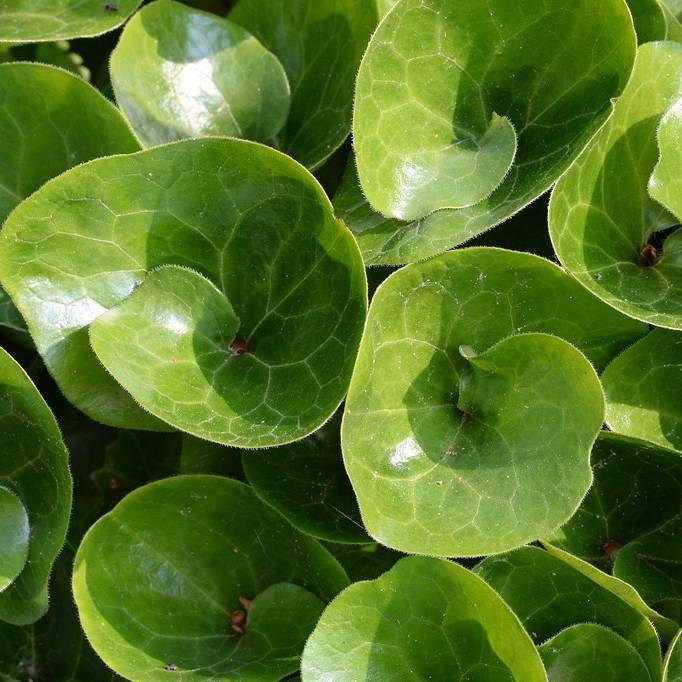
Wild Flower Names: 8 Common, Distinct Species to Identify and Grow
Learn common wild flower names, key identifying traits, and growing tips for popular native and ornamental species perfect for pollinator gardens and low-maintenance landscapes.
2026-06-24 · 10 min read
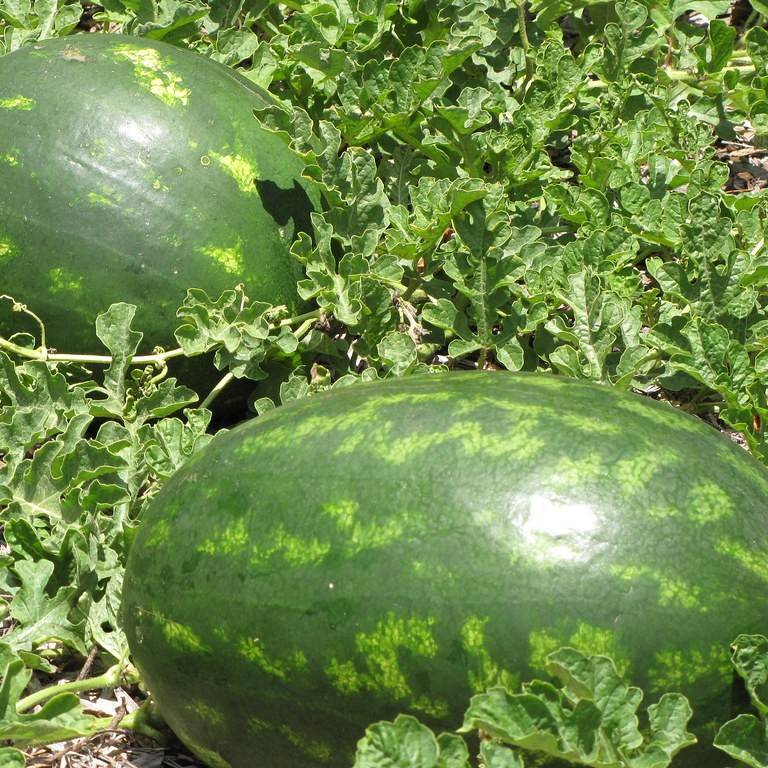
Watermelon: Complete Growing, Nutrition, and Usage Guide
Learn how to grow watermelon, plus its nutrition, health benefits, varieties, and potential side effects in this comprehensive, beginner-friendly guide.
2026-06-23 · 12 min read
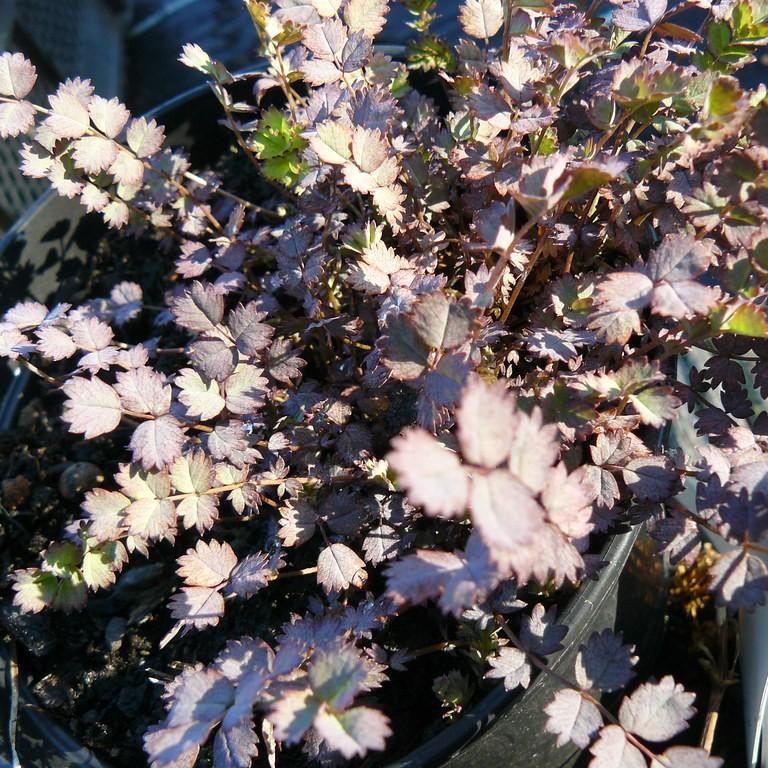
8 Unique Plant Species to Grow in Full-Sun Outdoor Spaces (All Pet-Safe)
Explore low-fuss, pet-safe plant species for full-sun outdoor gardens, from trailing groundcovers to flowering shrubs that thrive with minimal upkeep.
2026-06-23 · 8 min read