Game Plant: The Ultimate Guide to Plants in Gaming & Real-World Lookalikes
Explore game plant origins, their roles in popular titles like Plants vs. Zombies, and real plant varieties that match iconic in-game designs for your home or garden.
A game plant refers to either a fictional plant designed for video game mechanics, or a real plant colloquially named for its resemblance to iconic in-game species. The most common association is with playable plant units from the Plants vs. Zombies franchise, which centers these units as core defensive and resource-generating tools.
What Is a Game Plant? Common Definitions Across Gaming and Plant Communities
The term game plant refers to two overlapping categories: fictional plants built for video game mechanics, and real plants nicknamed for their similarity to iconic in-game designs. For most searchers, the primary association is with plant characters from the Plants vs. Zombies (PvZ) franchise, which frames these in-game flora as core playable units.
Breakdown of use cases:
- Gaming: Functional units that provide defense, resources, or plot progression in titles like PvZ, Stardew Valley, and Animal Crossing
- Plant hobby: Real species named for their resemblance to in-game designs, often grown as part of fandom-themed collections
Key Game Plant Roles in Plants vs. Zombies
In Plants vs. Zombies, every in-game plant serves a specific defensive, resource-generating, or support function to stop zombie waves. There are over 100 unique variants across the franchise, each with unique sun costs, cooldown times, and special abilities tailored to different level challenges.
Core function categories:
- Resource producers: Generate sun to purchase additional flora mid-level
- Offensive units: Deal damage to approaching zombies via projectiles, melee attacks, or area-of-effect damage
- Defensive units: Block zombie movement to buy time for offensive plants to deal damage
- Support units: Modify terrain, boost other plant stats, or apply status effects to zombies
How to Play Plants vs. Zombies: Core Game Plant Mechanics for Beginners
Playing Plants vs. Zombies requires strategic placement of in-game flora to protect your home from zombie incursions across 50+ adventure mode levels. You start each level with a small amount of sun, which you can collect from fallen sun drops or sun-producing units to unlock more plants for your loadout.
Step-by-step basic rules:
- Collect sun from the sky or sunflowers to fund plant purchases
- Place defensive flora like Wall-Nuts in the front lanes to block zombies
- Place offensive flora like Peashooters behind defensive units to deal damage
- Adjust your loadout for level-specific obstacles like pools, fog, or roof terrain
4 Lesser-Known Plants vs. Zombies Game Plant Features Explained
Beyond core level defense, Plants vs. Zombies includes underdiscussed features that unlock bonus rewards, faster progression, and hidden gameplay modes. Many casual players miss these mechanics on their first playthrough, even though they can cut level completion time by up to 20%.
- Zen Garden: An unlockable side mode where you care for collected in-game plants to earn bonus coins and diamond rewards; water plants every 24 hours and play music to keep them healthy for maximum payouts
- Bacon: A rare drop from zombies that can be sold for 500 coins, or fed to your Zen Garden snail to speed up its coin-collection speed for 30 minutes
- Hypnoseta (Hypno-shroom): A support unit that costs 75 sun, and when eaten by a zombie, turns the zombie to your side to attack other zombies for 20 seconds before disappearing
- Water Lily: A terrain-modifying unit that costs 25 sun, and lets you place non-aquatic flora on pool lanes to expand your defensive coverage across water terrain
Who Created Plants vs. Zombies and Its Iconic Game Plant Designs?
Plants vs. Zombies was created by independent game designer George Fan, who developed the game's core in-game plant roster and tower defense mechanics over three years of development. The game was first published by PopCap Games in 2009 for PC and Mac, before being ported to mobile, console, and handheld platforms over the following decade. Fan drew inspiration for the game plant roster from real plant traits: for example, the Sunflower's resource-generating ability is a nod to real sunflowers' heliotropism (growth toward sunlight), while the Chomper's bite attack references the Venus flytrap's carnivorous feeding mechanism.
Real Plant Varieties That Match Iconic Game Plant Designs
Many popular in-game plant designs are based on real, easy-to-grow species that you can cultivate at home or in your garden. All varieties listed below are pet-safe, so you can build a fandom-themed collection without risk to cats or dogs.
- Agave geminiflora 'RASTA MAN': A spiky, full-sun succulent with thin, cascading leaves that matches the spiky design of the PvZ Spikeweed; drought-tolerant, only needs water every 2-3 weeks in warm weather. Check the game plant lookalike care guide for Agave geminiflora 'RASTA MAN' for customized growing schedules.
- Abelia 'Edward Goucher': A flowering shrub with fragrant white blooms and variegated foliage that resembles the PvZ Sunflower's bright, petal-heavy design; thrives in full sun and humid conditions, blooms from mid-spring to early fall. Review Abelia 'Edward Goucher' growing tips for pruning and fertilization guidance.
- Abyssinian banana (Ensete ventricosum): A large, tropical full-sun plant with wide, paddle-shaped leaves that looks identical to the Jungle Tree plant from Animal Crossing; grows up to 10 feet tall in outdoor settings, requires weekly watering in hot weather. Read the Abyssinian banana care requirements for overwintering tips if you live in a cool climate.
- Ajania pacifica: A low-growing, drought-tolerant shrub with silver-edged foliage that matches the PvZ Iceberg Lettuce's pale, rounded leaf design; thrives in coastal climates with temperatures between 40-75°F.
Other Popular Games With Standout In-Game Plant Mechanics
While Plants vs. Zombies is the most common reference for the term game plant, dozens of other popular titles feature prominent plant mechanics for resource gathering, decoration, and progression. Each franchise has its own unique take on in-game plant functionality, from crop farming to potion crafting.
- Stardew Valley: Over 40 unique crop and forageable flora that can be grown for profit, used in cooking, or gifted to NPCs to raise friendship levels; rare seasonal plants like the Sweet Gem Berry sell for 3,000 gold each
- Animal Crossing: New Horizons: 60+ flower and fruit flora that can be cross-bred to create rare color variants, planted to attract specific insect species, or used to decorate your island
- Minecraft: 20+ flora that can be grown for food, building materials, or potion ingredients; nether wart is a rare plant found only in the Nether dimension, required for brewing all advanced potions
What to Play After Plants vs. Zombies for Game Plant Fans
If you enjoy the strategic in-game plant mechanics of Plants vs. Zombies, these tower defense and farming sim titles feature similar plant-focused gameplay loops with unique twists. All are available on PC, console, and mobile platforms, with free demo versions often accessible on official app stores.
- Plants vs. Zombies 2: The official sequel with 10+ themed worlds, 100+ new in-game plants, and time-travel themed levels set in Ancient Egypt, the Wild West, and the future
- Farm Defense: Monsters Attack: A casual tower defense game where you grow vegetable flora to defend your farm from monster waves, with 200+ levels and seasonal challenge modes
- Slay the Spire: A roguelike deckbuilder with plant-themed relics and cards that let you build defensive and offensive decks around seed generation and plant growth mechanics
How to Identify Real-World Game Plant Lookalikes for Your Collection
If you find a game plant design you want to replicate at home, you can use a plant identification tool to match its leaf shape, color, and growth habit to real species. Focus on key visual traits like leaf size, flower color, and growth pattern to narrow down potential matches that fit your home’s light and space constraints. Sproutly can help you identify game plant lookalikes: upload a screenshot of your favorite in-game flora, and the app will match its visual traits to real, growable species, plus provide customized care schedules to help you keep your new plant healthy. You can also filter search results by pet safety, light requirements, and growing zone to find varieties that fit your space.
FAQ
What is the most popular game plant in Plants vs. Zombies?
The Sunflower is the most iconic game plant in Plants vs. Zombies, as it is the core resource-producing unit required to purchase all other defensive and offensive plants in nearly every level. It generates 25 sun every 24 seconds during standard gameplay.
Are there real plants that look like Plants vs. Zombies game plants?
Yes, many PvZ game plants are based on real species: for example, the Spikeweed matches the spiky growth habit of Agave geminiflora 'RASTA MAN', while the Sunflower’s design draws heavily from common annual sunflowers and flowering abelia shrubs.
What is the Zen Garden in Plants vs. Zombies used for?
The Zen Garden is an unlockable side mode where you care for collected game plants to earn bonus coins and diamonds. You can water plants, play music for them, and fertilize them to increase their coin output, which you can use to purchase in-game upgrades and bonus content.
Who designed the original Plants vs. Zombies game plant roster?
The original Plants vs. Zombies game plant roster was designed by independent developer George Fan, who drew inspiration from real plant traits to create each unit’s unique ability and visual design. The game was first published by PopCap Games in 2009.
Can I use Sproutly to identify real plants that look like game plants?
Yes, you can upload a screenshot of your favorite game plant to Sproutly, and the app will match its visual traits to real, growable species, plus provide customized care instructions to help you grow your fandom-themed plant collection successfully.
Try Sproutly
Want to build a full collection of real-world counterparts to your favorite in-game game plants? Sproutly helps you identify lookalike species, access tailored care schedules, and track your plants' growth all in one place. Upload a screenshot of any in-game design today to find the perfect real plant for your space.
Похожие статьи
Ещё руководства, которые вам понравятся
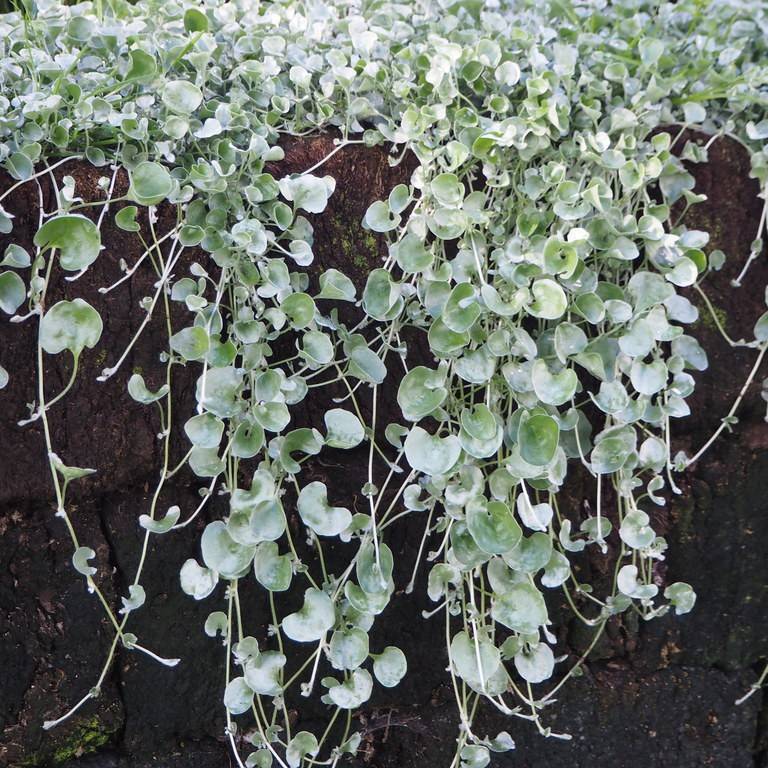
Dichondra Argentea (Silver Falls): Complete Care, Growing, and Use Guide
Learn how to grow and care for Dichondra argentea 'Silver Falls', a drought-tolerant, pet-safe trailing perennial perfect for hanging baskets and ground cover.
2026-08-04 · 11 min read
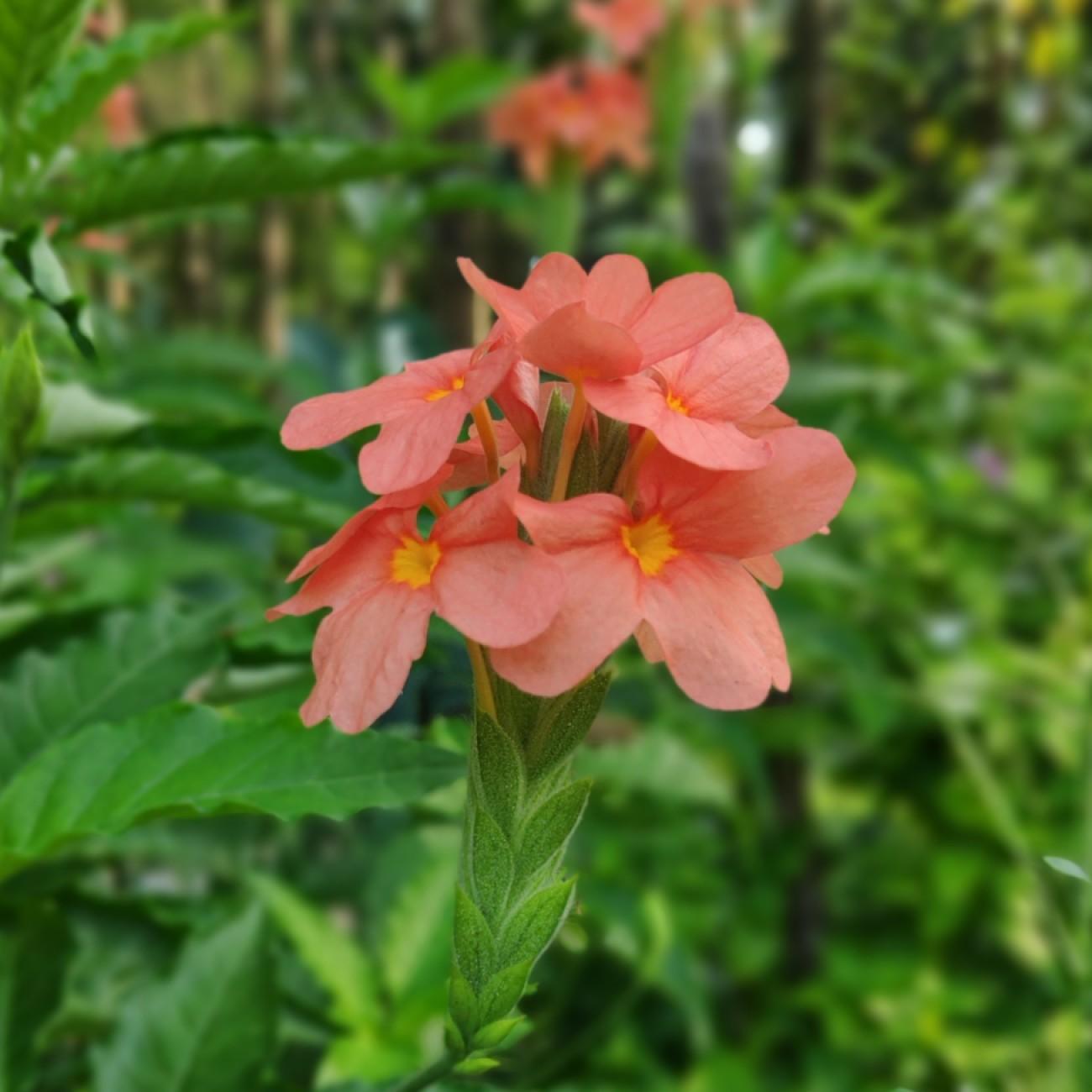
Firecracker Flower: Complete Care, Cultivation, and Identification Guide
Learn how to grow and care for firecracker flower (Crossandra infundibuliformis), a pet-safe, humidity-loving tropical houseplant with bright tubular blooms.
2026-08-04 · 19 min read
Juniperus Squamata Blue Star: Complete Care, Design, and Identification Guide
Learn how to grow, care for, and design with Juniperus squamata blue star, a low-growing, pet-safe evergreen shrub with striking silvery-blue foliage.
2026-08-03 · 14 min read