Fiddle Leaf Fig Care 101: Watering, Pruning, Repotting, and Temperature Needs for Happy Growth
Learn how often to water your fiddle leaf fig, plus tips for pruning, repotting, and ideal temperature ranges to keep your Ficus lyrata thriving as a beginner.
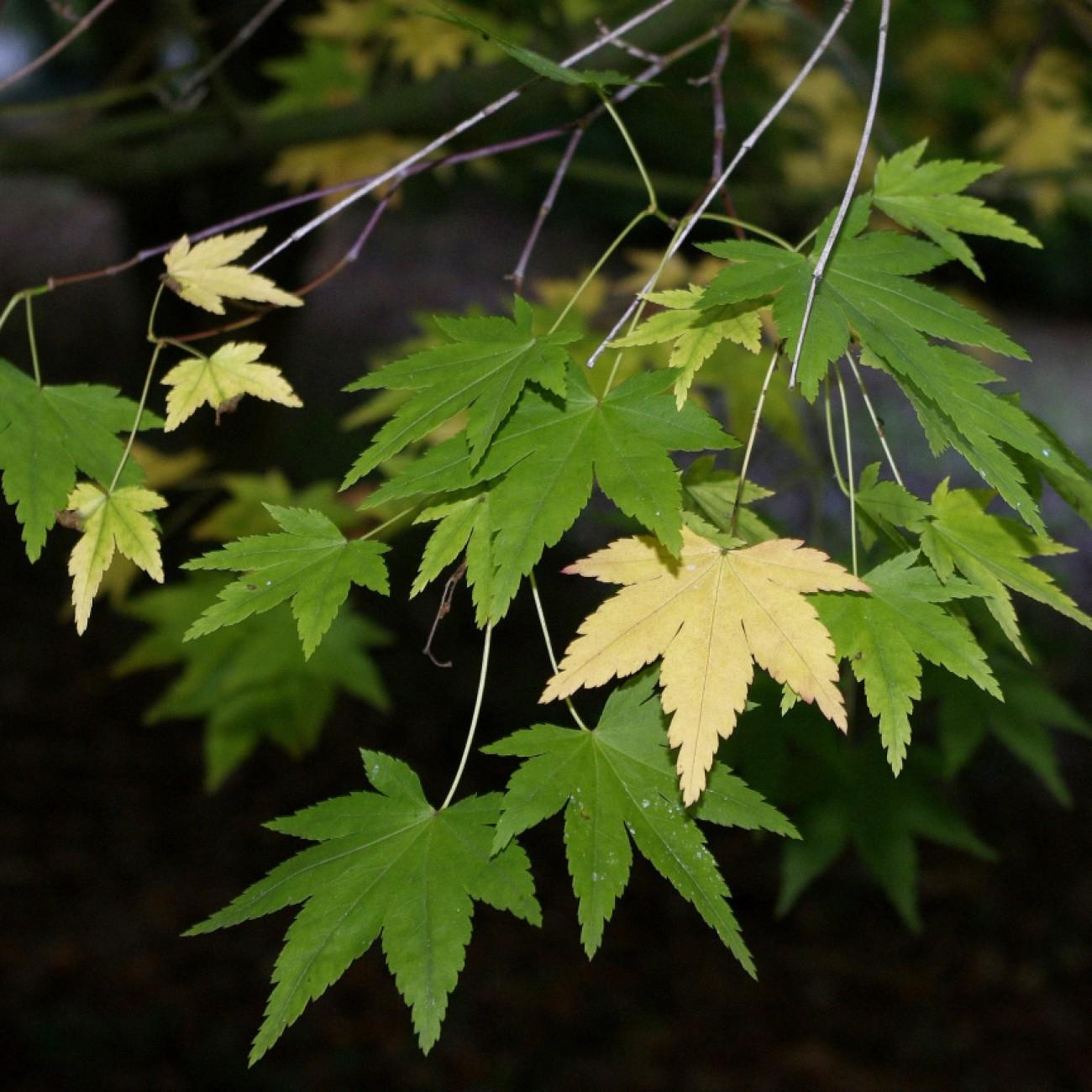
Fiddle Leaf Fig Care 101: Watering, Pruning, Repotting, and Temperature Needs for Happy Growth
Introduction to Fiddle Leaf Fig Care for Beginners
Fiddle leaf figs (Ficus lyrata) are beloved statement houseplants, prized for their large, glossy, violin-shaped leaves that elevate any indoor space. For new owners, they often get a reputation for being fussy, but that reputation is almost always rooted in inconsistent care for a few core needs, not a difficult plant personality. This guide covers every key task new owners ask about, from how often to water fiddle leaf fig plants to how to prune and repot them correctly, so you don’t have to jump between half a dozen thin, conflicting articles to build your routine. If you’re ever unsure of your plant’s specific needs, Sproutly can help you confirm your Ficus lyrata identification and set personalized care reminders tailored to your home’s conditions. As an added bonus, fiddle leaf figs are pet-safe, so they’re a great pick for households with cats or dogs, alongside other pet-safe houseplants for beginners.
Fiddle Leaf Fig Watering: How Often to Water Your Plant
Wondering how often to water fiddle leaf fig plants in your home? The short answer is that it depends on your light, humidity, and season, but most indoor fiddle leaf figs need water every 1 to 2 weeks. The most reliable rule of thumb, though, is to only water when the top 2 to 3 inches of soil feel completely dry to the touch. Overwatering is the number one cause of fiddle leaf fig health issues, so skipping a watering by a few days is almost always better than watering too early.
To make fiddle leaf fig watering easier, use a pot with drainage holes and a well-draining potting mix to prevent soggy roots. If you struggle to keep track of when you last watered, Sproutly’s plant care tracker can log your watering schedule and alert you when it’s time to check the soil moisture next, so you never have to guess. If you’re looking for even more guidance, our full fiddle leaf fig care profile has tailored advice for different home environments.
Fiddle Leaf Fig Pruning: When and How to Trim Your Plant
Fiddle leaf fig pruning is a simple task that offers big benefits: it encourages bushier, fuller growth, removes damaged yellow or brown leaves, and lets you control your plant’s height if you’re working with a small space. The best time to prune is in spring or early summer, when your plant is in its active growth phase and will recover fastest.
Follow these beginner-friendly steps for safe pruning:
- Use clean, sharp pruning shears to avoid tearing stems or introducing bacteria
- Snip just above a leaf node (the small bump on the stem where a leaf grows out) to encourage new growth to sprout at that spot
- Only remove up to 10% of your plant’s foliage at a time to avoid shocking it
- Save healthy stem cuttings to propagate new plants by placing them in a jar of clean, indirect light until roots grow.
Fiddle Leaf Fig Repotting: Signs It’s Time and Step-by-Step Tips
Fiddle leaf fig repotting is only necessary every 1 to 2 years for young, fast-growing plants, and every 3 to 4 years for mature, slower-growing specimens. You’ll know it’s time to repot if you see roots growing out of the drainage holes, your plant’s growth has stalled for no obvious reason, or the soil dries out completely within 24 hours of watering.
When repotting, choose a pot that is only 1 to 2 inches larger in diameter than your current pot—going too big can lead to excess soil that holds too much moisture and causes root rot. Use a well-draining potting mix (a blend of regular potting soil, perlite, and orchid bark works well) and avoid repotting during winter dormancy, when your plant is less able to recover from root disturbance.
Fiddle Leaf Fig Temperature: Ideal Ranges to Avoid Stress
Fiddle leaf fig temperature needs are easy to meet for most indoor growers, as they thrive in the same 65–75°F (18–24°C) range that most people keep their homes. The biggest thing to watch for is sudden temperature swings, which can cause leaf drop, browning edges, or stunted growth. Keep your plant away from drafty windows, AC vents, space heaters, and frequently used exterior doors to avoid these shocks.
If you live in USDA zones 10 to 12, you can grow fiddle leaf figs outdoors year-round, as long as temperatures stay above 55°F (13°C) consistently. For growers in cooler zones, you can move your plant outside for the summer, but bring it back indoors before nighttime temperatures dip below that threshold.
Quick Routine Checklist for Healthy Fiddle Leaf Figs
Keep this scannable list handy for quick reference as you build your care routine:
- Water only when the top 2–3 inches of soil are dry, adjusting frequency based on light and season
- Prune in spring to remove damaged foliage, control height, and encourage bushier growth, removing no more than 10% of foliage at a time
- Repot only when you see roots growing out of drainage holes, stunted growth, or overly fast-drying soil, using a pot only 1–2 inches larger than the current one
- Keep your plant in 65–75°F (18–24°C) temperatures, away from drafts and extreme heat or cold sources
If you ever notice unusual leaf spots, drooping, or stunted growth, you can use Sproutly’s plant identification tool to scan your fiddle leaf fig and get targeted troubleshooting tips for any issues you’re facing.
FAQ
Can I mist my fiddle leaf fig to boost humidity?
Misting can help raise temporary humidity, especially in dry winter months, but it’s not a replacement for consistent watering. For longer-term humidity support, place a tray of pebbles and water under your plant’s pot instead.
Why are the edges of my fiddle leaf fig turning brown?
Brown edges are most often caused by overwatering, underwatering, or exposure to cold drafts. Cross-reference your recent watering routine and plant placement with the tips in this guide to narrow down the cause, or scan your plant in Sproutly for targeted troubleshooting.
Do fiddle leaf figs need a lot of sunlight?
Fiddle leaf figs grow best in bright, indirect light. Direct full sun can scorch their leaves, while too little light will lead to stunted, leggy growth. A spot a few feet away from a south or east-facing window is ideal for most indoor plants.
Final Thoughts
Fiddle leaf figs are far more forgiving than their reputation suggests, once you get the hang of their basic care needs. Save this guide for future reference, and check out the full fiddle leaf fig care profile for more advanced tips on fertilizing, light, and troubleshooting common issues.
If you want to take the guesswork out of all your houseplant care, try Sproutly today. Our app lets you identify plants, set custom care reminders, and access a full library of care guides for every plant in your collection, so you can spend less time researching and more time enjoying your thriving indoor garden. Get started with Sproutly today.
Похожие статьи
Ещё руководства, которые вам понравятся
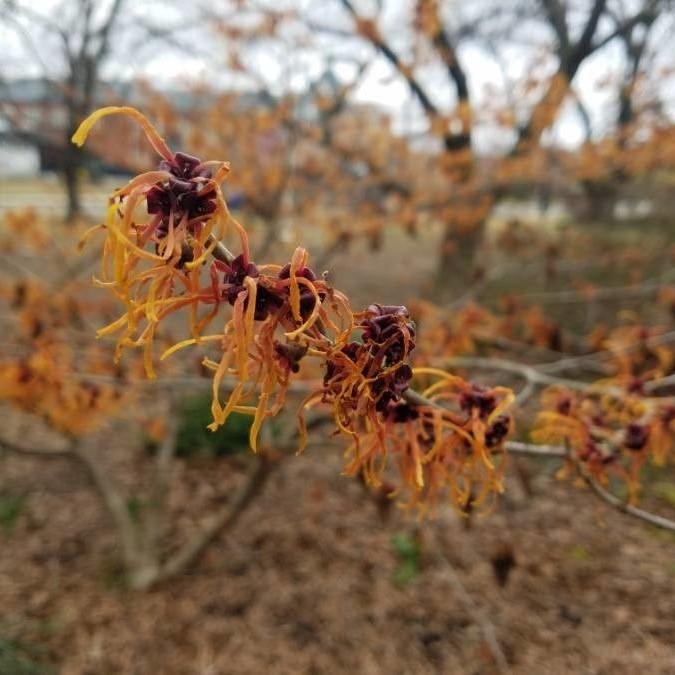
Hamamelis Mollis (Chinese Witch Hazel): Complete Grow & Care Guide
Learn to grow, care for, and enjoy Hamamelis mollis (Chinese witch hazel), a fragrant winter-blooming shrub with vibrant autumn foliage for temperate gardens.
2026-07-26 · 12 min read
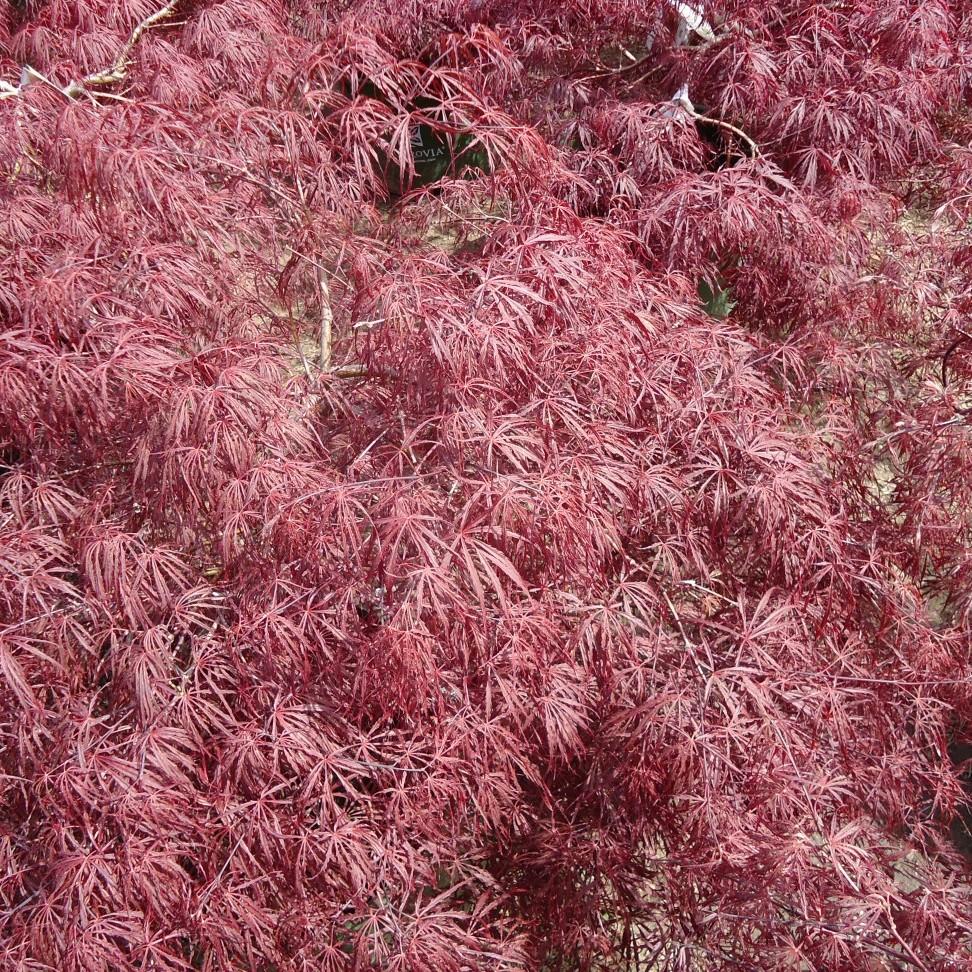
Japanese Maple Plant Description: Key Details for Iijima Sunago, Select Red, and Popular Cultivars
Get clear, beginner-friendly descriptions of Japanese maple trees, including specific details for Iijima Sunago and Select Red cultivars, plus care and pruning tips.
2026-07-26 · 8 min read
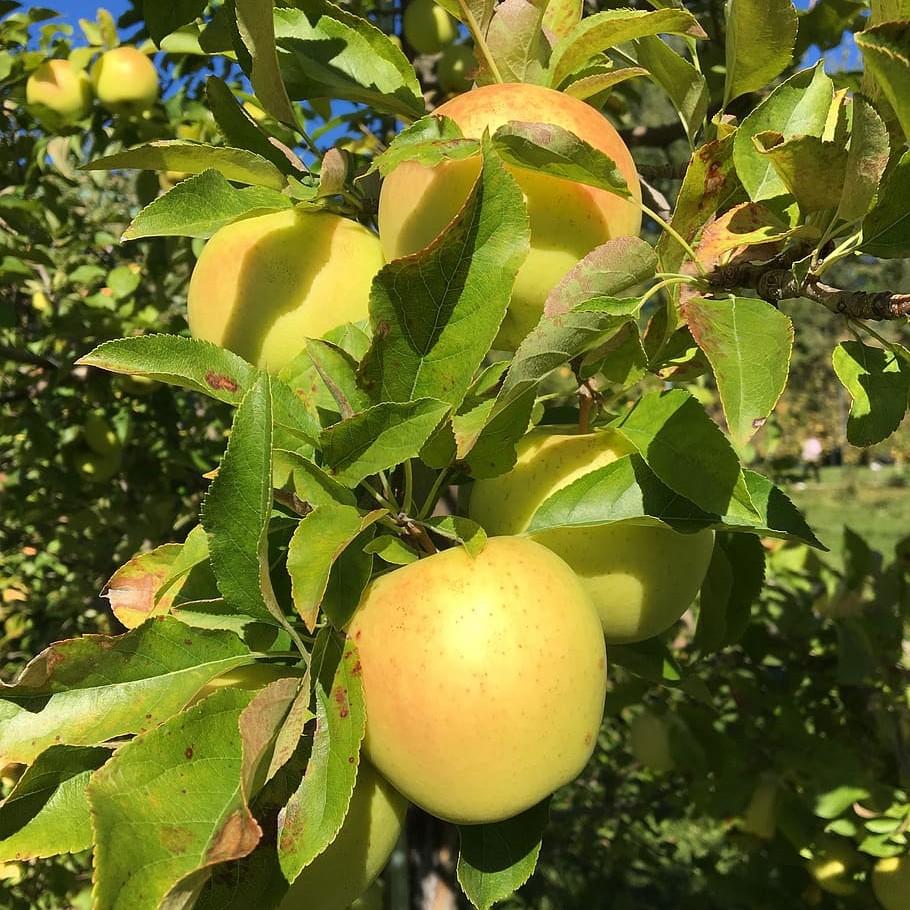
Flowering Crabapple: Grow Guide, Cultivars, and Landscape Uses
Learn to grow and care for flowering crabapple trees, with tips on cultivar selection, bloom care, disease resistance, and using their edible fruit and seasonal foliage.
2026-07-25 · 11 min read