Earth Star Plant 101: What to Know About This Unique Bromeliad Houseplant
Learn the basics of the earth star plant, including its identity as an earth star bromeliad, simple care tips, and how to grow this low-maintenance houseplant successfully.
Earth Star Plant 101: What to Know About This Unique Bromeliad Houseplant
If you are looking for a compact, low-fuss houseplant with bold, eye-catching foliage, the earth star plant fits the bill perfectly. Its distinctive shape and wide range of color variations make it a popular pick for shelves, desk nooks, and terrarium displays, and it requires far less maintenance than many more finicky tropical plants. This guide covers all the basics you need to know to identify, grow, and troubleshoot this plant, so you can avoid cross-referencing scattered, thin resources online.
What Is This Unique Star-Shaped Houseplant, Exactly?
The earth star plant is a low-growing tropical plant named for its flat, star-shaped rosette of foliage. Native to the rainforests of Central and South America, it grows close to the forest floor in its natural habitat, where it receives dappled light and consistent moisture.
Most varieties have wide, tapered leaves with variegation in shades of green, pink, red, or cream, often with subtle stripes that make the foliage stand out against neutral planters. At maturity, it stays relatively small, rarely growing more than a few inches tall, which makes it ideal for small spaces. If you come across a low-growing rosette plant you cannot identify, you can use Sproutly to snap a photo for fast identification and confirmation it is an earth star variety.
Is It a Type of Bromeliad?
Yes, this plant is commonly called an earth star bromeliad, as it is part of the Bromeliaceae family, which also includes pineapples and air plants. It shares many key traits with other bromeliads, including its rosette growth pattern, the ability to hold water in the natural cup formed by its leaf bases, and a preference for bright, indirect light.
While it follows many standard bromeliad care rules, it has a few small differences from epiphytic air plants, which do not require soil to grow. This species grows in soil in its natural habitat, so it has a small root system that needs loose, well-draining medium to thrive. If you already grow bromeliads, you will find this plant fits easily into your existing care routine.
Simple Earth Star Bromeliad Care for Beginners
The earth star bromeliad is low-maintenance, making it a great choice for new growers. Follow these core care rules to keep your plant healthy:
- Light: Place it in a spot with bright, indirect light. Direct midday sun will burn the leaves and cause brown tips, so a spot a few feet back from a south or east-facing window works best.
- Water: Pour small amounts of water directly into the center cup of the rosette, and water the soil only when the top 1 to 2 inches feel dry to the touch. Empty any standing water from the rosette after a few days to prevent rot, and avoid overwatering the shallow root system.
- Soil: Use a well-draining, airy mix formulated for bromeliads or succulents. A standard potting mix that holds too much moisture will lead to root rot, so you can amend regular potting mix with perlite or orchid bark to increase drainage if needed.
- Humidity: Average household humidity (40-50%) is fine for this plant, but it will thrive with occasional misting in very dry environments. If you love plants that tolerate higher humidity, it pairs well with other humidity-loving plants for your home.
You can log your plant in Sproutly to get custom watering reminders tailored to your home’s specific light and humidity levels, so you never have to guess when it is time to water.
Common Issues (and How to Fix Them)
Even the most low-maintenance plants run into occasional issues, and this bromeliad is no exception. These are the most common problems new growers face, and simple fixes to resolve them:
- Brown leaf tips: This is usually caused by too much direct sun or overly dry air. Move the plant to a shadier spot out of direct sunlight, and mist the foliage a few times a week to increase surrounding humidity.
- Yellow, mushy leaves: This is a sign of overwatering. Empty any standing water from the rosette cup, and let the soil dry out completely before watering again. If the issue persists, repot the plant in fresh, dry, well-draining soil to save the root system.
- Faded, dull foliage: If the plant’s bright variegation starts to fade, it is likely not getting enough light. Move it closer to a bright window with filtered light, and avoid dark corners with no natural light.
If you notice unusual spots, discoloration, or stunted growth you cannot diagnose, use Sproutly’s plant health check feature to identify the issue and get step-by-step fixes for your earth star bromeliad.
Frequently Asked Questions
These are the most common quick questions new growers have about this unique plant:
Are earth star bromeliads pet-safe?
This foliage plant is generally considered non-toxic to cats and dogs, making it a great pick for pet households. As with any houseplant, it is still best to keep it out of reach of curious pets to avoid accidental nibbling that could cause minor stomach upset. If you are looking for more pet-friendly options, check out our lists of pet-safe houseplants to add to your collection and outdoor pet-safe plant varieties.
How big do these plants get?
Most varieties stay relatively small, growing between 3 and 6 inches tall and 6 to 12 inches wide at maturity, making them ideal for small shelves, desk spaces, or terrarium plantings.
Do these bromeliads bloom?
Yes, mature plants will produce small, inconspicuous flowers in the center of the rosette, usually in white or pale yellow. After blooming, the mother plant will slowly die off, but it will produce small offsets (pups) around its base that you can separate and grow into new plants.
Try Sproutly
Whether you are growing your first earth star plant or expanding a large collection of tropical houseplants, Sproutly makes plant care simple. The app lets you identify unknown plants, log your collection for custom care reminders, and diagnose health issues in seconds, so you can keep all your plants thriving with minimal guesswork. Try Sproutly today to take the stress out of plant care.
Похожие статьи
Ещё руководства, которые вам понравятся
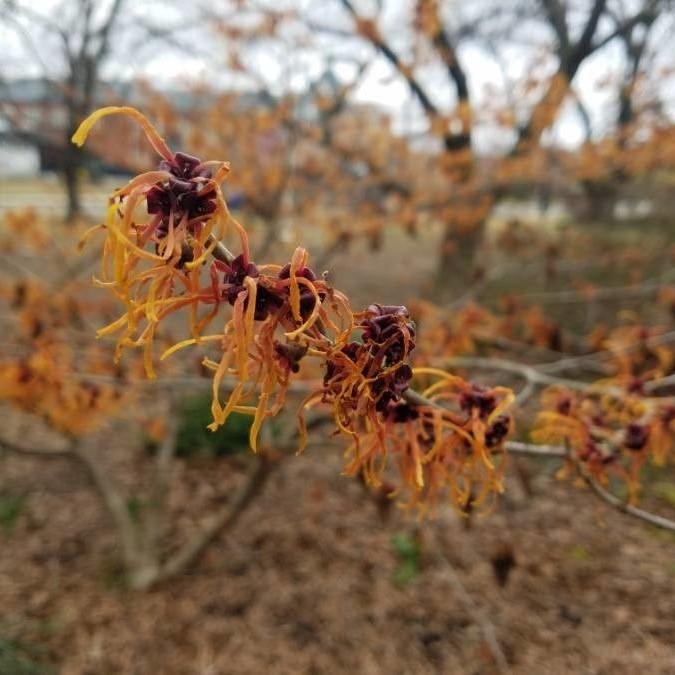
Hamamelis Mollis (Chinese Witch Hazel): Complete Grow & Care Guide
Learn to grow, care for, and enjoy Hamamelis mollis (Chinese witch hazel), a fragrant winter-blooming shrub with vibrant autumn foliage for temperate gardens.
2026-07-26 · 12 min read
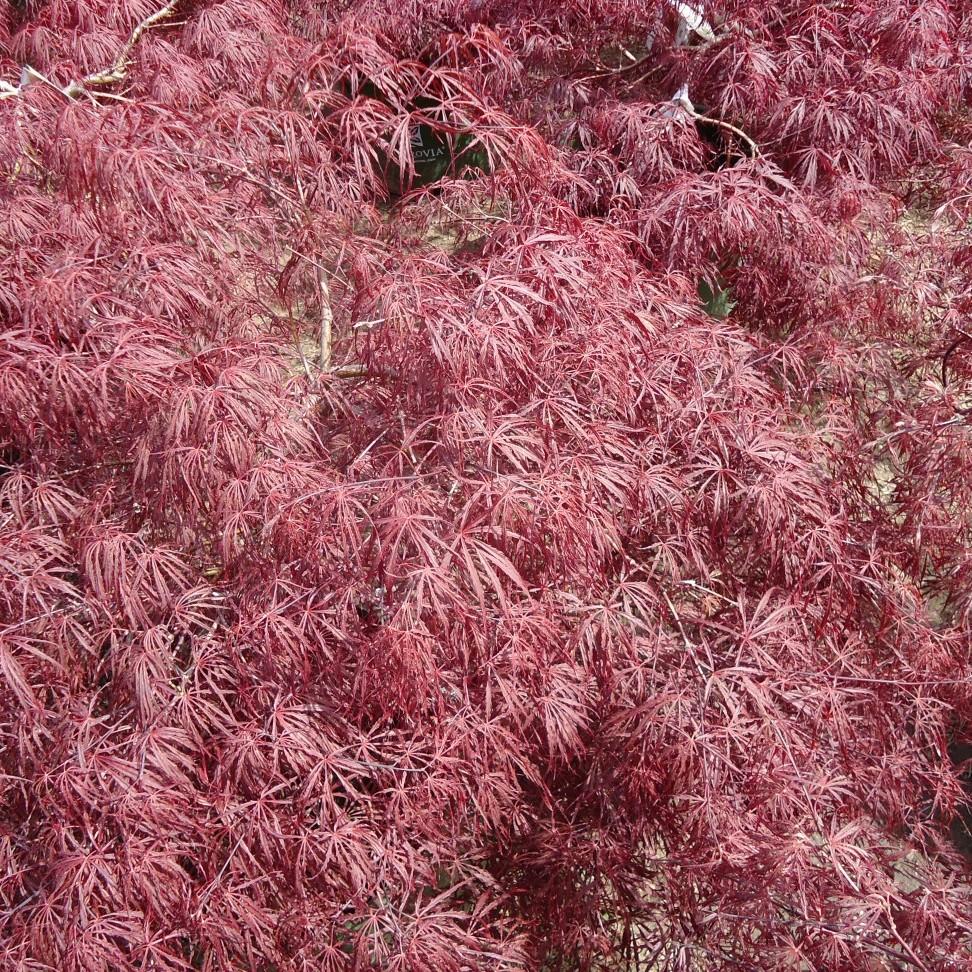
Japanese Maple Plant Description: Key Details for Iijima Sunago, Select Red, and Popular Cultivars
Get clear, beginner-friendly descriptions of Japanese maple trees, including specific details for Iijima Sunago and Select Red cultivars, plus care and pruning tips.
2026-07-26 · 8 min read
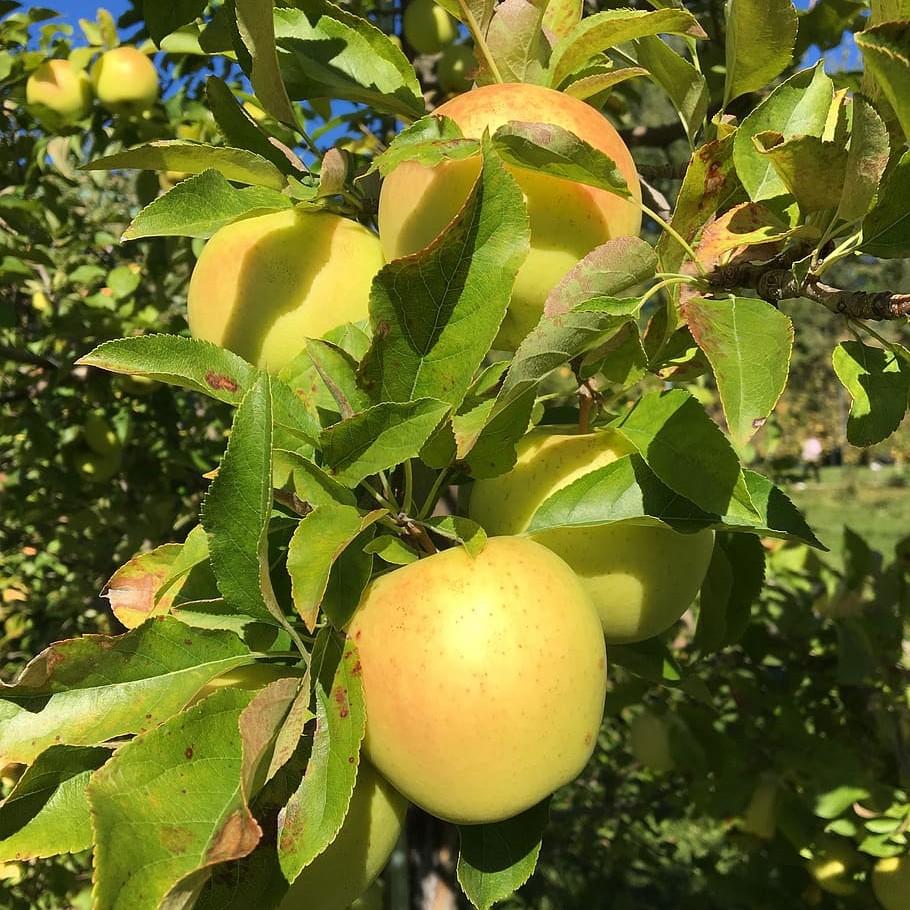
Flowering Crabapple: Grow Guide, Cultivars, and Landscape Uses
Learn to grow and care for flowering crabapple trees, with tips on cultivar selection, bloom care, disease resistance, and using their edible fruit and seasonal foliage.
2026-07-25 · 11 min read