Tickseed (Coreopsis): Complete Growing, Care, and Variety Guide
Learn how to grow and care for tickseed (Coreopsis), including popular varieties, planting tips, pest solutions, and why this sun-loving plant is perfect for outdoor gardens.
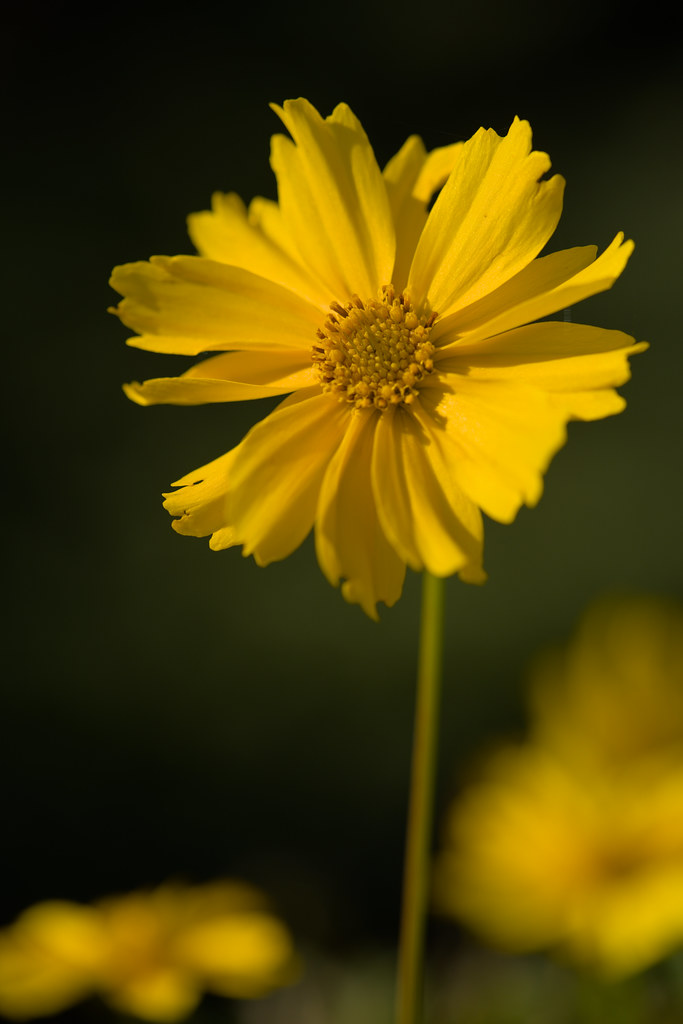
Tickseed (Coreopsis): Complete Growing, Care, and Variety Guide
Tickseed (Coreopsis) is a low-maintenance North American native wildflower that blooms prolifically from late spring to early fall, thriving in full-sun outdoor beds across USDA zones 3 to 9. It grows 6 to 36 inches tall depending on the cultivar, with daisy-like yellow, gold, or bicolored blooms that support native pollinators.
What Is Tickseed (Coreopsis)?
This group of North American native wildflowers, formally part of the Coreopsis genus, produces abundant daisy-like blooms in shades of yellow, gold, and bicolored patterns from late spring through early fall. Most varieties grow 6 to 36 inches tall, depending on the cultivar, and thrive in full-sun outdoor beds.
Key Characteristics
- Average mature height: 6 inches (dwarf cultivars) to 36 inches (tall wild varieties)
- Bloom period: May to September in most USDA zones 3 to 9
- Native range: Most of the continental United States and parts of Canada and Mexico
If you spot a yellow-blooming wildflower in a meadow or roadside, upload a photo to Sproutly to confirm its identity and access its specific care requirements. For a full overview of the genus, explore our tickseed care guide encyclopedia entry.
Popular Coreopsis Varieties for Home Gardens
There are more than 80 species in the Coreopsis genus, with cultivated varieties bred for specific bloom sizes, growth habits, and environmental tolerances. Below are the most widely grown types for residential landscapes, with details on their unique traits.
Dwarf and Compact Varieties
- Ear-leaved (Coreopsis auriculata 'Nana'): 6 to 12 inches tall, bright yellow blooms, ideal for border edges, humidity-loving, pet-safe, and beginner-friendly. Find full care specs in the ear-leaved tickseed (Coreopsis auriculata 'Nana') care profile.
- Ear-leaved (Coreopsis auriculata 'Zamphir'): 10 to 14 inches tall, ruffled yellow petals, thrives in high-humidity regions, pet-safe
Full-Size Varieties
- Fringeleaf (Coreopsis integrifolia): 18 to 24 inches tall, fringed yellow petals, humidity-tolerant, pet-safe, and suitable for beginner gardeners. Get tailored planting advice in the fringeleaf tickseed growing guide.
- Greater (Coreopsis major): 24 to 36 inches tall, narrow leaves and bright yellow blooms, drought-tolerant, pet-safe
- Large-flowered (Coreopsis grandiflora): 12 to 30 inches tall, available in multiple cultivars with varied bloom sizes and color patterns, drought-tolerant, pet-safe
Popular Large-Flowered Cultivars
- 'Domino': 12 to 18 inches tall, yellow petals with dark red centers, long bloom period
- 'Early Sunrise': 18 to 24 inches tall, semi-double golden-yellow blooms, blooms 2 to 3 weeks earlier than most varieties. See full growing tips in the large-flowered Coreopsis 'Early Sunrise' variety details.
- 'Mayfield Giant': 24 to 30 inches tall, 3-inch wide deep yellow blooms, ideal for cut flower arrangements
For full care profiles for each of these varieties, search for their name in the Sproutly plant encyclopedia to get personalized watering and pruning reminders.
Where to Plant Coreopsis: Soil, Light, and Zone Requirements
These plants grow best in full sun (6+ hours of direct sunlight per day) and well-drained soil with a pH between 5.5 and 7.0. They are hardy in USDA zones 3 through 9, with some drought-tolerant varieties performing well in zone 10 if given occasional supplemental water.
Soil and Site Tips
- Avoid heavy clay soils that hold standing water, as this will cause root rot in most varieties
- For humidity-loving varieties like ear-leaved and fringeleaf types, plant in locations with good air circulation to prevent foliar disease
- For drought-tolerant varieties like greater and large-flowered types, amend soil with 1 to 2 inches of sand to improve drainage if your site has high clay content
If you are unsure if your growing zone supports these plants, use Sproutly to check the hardiness range for your specific variety and get site-specific planting recommendations.
How to Plant Coreopsis: Seeds and Transplants
This plant can be planted from seed sown directly outdoors 1 to 2 weeks before your last average frost date, or from nursery transplants planted after all frost risk has passed. Seeds germinate in 14 to 21 days when soil temperatures are between 65°F and 75°F.
Direct Seeding Steps
- Rake the planting area to remove weeds and loosen the top 2 inches of soil
- Scatter seeds thinly, then cover with 1/8 inch of fine soil (seeds need light to germinate, so do not bury deeply)
- Water gently to keep soil moist until seedlings emerge, then reduce watering to once every 3 to 4 days
Transplant Steps
- Dig a hole twice as wide and the same depth as the nursery root ball
- Place the plant in the hole so the top of the root ball is level with the surrounding soil
- Backfill with native soil, tamp gently, and water thoroughly to settle air pockets
Space dwarf varieties 8 to 12 inches apart, and full-size varieties 18 to 24 inches apart to allow for mature spread.
Coreopsis Care: Watering, Fertilizing, and Pruning
Established plants require minimal care to thrive, with most varieties only needing supplemental water during extended dry periods of 2 weeks or more. Over-fertilizing will cause leggy growth and reduced blooms, so limit feeding to once per year in early spring if soil is very poor.
Watering Guidelines by Variety
- Humidity-loving varieties (ear-leaved, fringeleaf): Water once every 7 to 10 days during periods of less than 1 inch of rainfall per week
- Drought-tolerant varieties (greater, large-flowered): Water once every 10 to 14 days during extended droughts; avoid overwatering
Pruning and Deadheading Tips
- Deadhead spent blooms every 1 to 2 weeks during the growing season to encourage continuous flowering
- Cut back entire plants by 1/3 after the first flush of blooms fades to trigger a second, heavier bloom period in late summer
- Leave seed heads standing in fall to provide food for finches and other native birds over winter
Log your plant in the Sproutly app to get custom watering reminders tailored to your local rainfall and temperature conditions, so you never overwater or underwater your plants.
Coreopsis Pests, Diseases, and Common Problems
These plants are relatively pest-resistant, but they can develop issues if grown in poorly drained soil or shaded conditions. The most common problems are root rot from overwatering, aphid infestations on new growth, and powdery mildew in high-humidity areas with poor air flow.
Common Issue Solutions
- Root rot: Reduce watering frequency, amend soil with sand to improve drainage, and avoid planting in low-lying areas that collect water
- Aphids: Spray affected foliage with a strong stream of water to dislodge them, or use insecticidal soap for heavy infestations
- Powdery mildew: Space plants to improve air circulation, avoid overhead watering, and remove affected foliage at the first sign of infection
If you spot unusual spots or damage on your leaves, upload a photo to Sproutly to diagnose the issue and get step-by-step treatment instructions.
Is Coreopsis Pet-Safe?
All common Coreopsis varieties are non-toxic to dogs, cats, and horses, according to the ASPCA. This makes them a safe choice for outdoor gardens where pets roam, even if your animal occasionally nibbles on plant foliage or blooms.
Note that while the plant itself is non-toxic, any greenery can cause mild gastrointestinal upset if eaten in large quantities, so monitor pets if they frequently chew on garden plants. If you are unsure if a plant in your yard is this native wildflower or a potentially toxic lookalike, use Sproutly to identify it quickly and confirm its safety for your household pets.
Landscaping Uses for Coreopsis
This is a versatile landscape plant that works well in pollinator gardens, native plantings, rock gardens, border edges, and cut flower arrangements. Its long bloom period and low maintenance requirements make it a practical choice for low-water and wildlife-friendly yards.
Ideal Planting Combinations
- Pollinator gardens: Pair with milkweed, coneflowers, and black-eyed Susans to support bees, butterflies, and hummingbirds
- Rock gardens: Plant dwarf varieties alongside sedum, creeping thyme, and ornamental grasses for low-growing, drought-tolerant color
- Cut flower gardens: Grow 'Mayfield Giant' and 'Early Sunrise' cultivars for long-stemmed blooms that last 7 to 10 days in vases
These plants also work well in roadside plantings and erosion control projects, as their deep root system stabilizes soil on sloped sites.
Frequently Asked Questions About Tickseed
Find quick answers to the most common questions about growing and caring for these plants below. For more personalized guidance, identify your specific variety in Sproutly to access custom care tips.
How often should I water tickseed?
Established tickseed needs water once every 7 to 14 days, depending on the variety. Humidity-loving types require water once every 7 to 10 days during dry periods, while drought-tolerant varieties only need water once every 10 to 14 days during extended droughts of 2 weeks or more.
Does tickseed come back every year?
Most common tickseed varieties are herbaceous perennials that come back every year in USDA zones 3 through 9. A small number of types are grown as annuals in zones outside their hardiness range, but all varieties listed in this guide are perennial in appropriate growing conditions.
Is tickseed invasive?
Native tickseed varieties are not considered invasive in their natural North American range, and most cultivated varieties spread slowly via clumping rather than aggressive self-seeding. Deadhead spent blooms before they go to seed if you want to limit spread in your garden.
How much sun does tickseed need?
Tickseed requires 6+ hours of direct full sun per day to produce abundant blooms. Plants grown in partial shade will have leggy growth, fewer flowers, and a higher risk of foliar diseases like powdery mildew.
When should I prune tickseed?
Deadhead spent tickseed blooms every 1 to 2 weeks during the growing season to encourage continuous flowering. Cut plants back by 1/3 after the first flush of blooms fades in mid-summer to trigger a second bloom period in late summer or early fall.
Try Sproutly
Whether you are just starting your first bed or troubleshooting an existing plant, Sproutly takes the guesswork out of plant care. Upload a photo of your plant to confirm its tickseed variety, get personalized watering and pruning reminders tailored to your local weather, and diagnose pest or disease issues in seconds. Get started with Sproutly today to help your garden thrive.
Leitura relacionada
Mais guias que pode gostar
Hamamelis Mollis (Chinese Witch Hazel): Complete Grow & Care Guide
Learn to grow, care for, and enjoy Hamamelis mollis (Chinese witch hazel), a fragrant winter-blooming shrub with vibrant autumn foliage for temperate gardens.
2026-07-26 · 12 min read
Japanese Maple Plant Description: Key Details for Iijima Sunago, Select Red, and Popular Cultivars
Get clear, beginner-friendly descriptions of Japanese maple trees, including specific details for Iijima Sunago and Select Red cultivars, plus care and pruning tips.
2026-07-26 · 8 min read
Flowering Crabapple: Grow Guide, Cultivars, and Landscape Uses
Learn to grow and care for flowering crabapple trees, with tips on cultivar selection, bloom care, disease resistance, and using their edible fruit and seasonal foliage.
2026-07-25 · 11 min read