How to Identify Plant, Flower, and Tree Species Accurately for Beginners
Learn how to identify plants confidently, from houseplants to wildflowers, with simple observation tips and trusted tools for fast, accurate results.
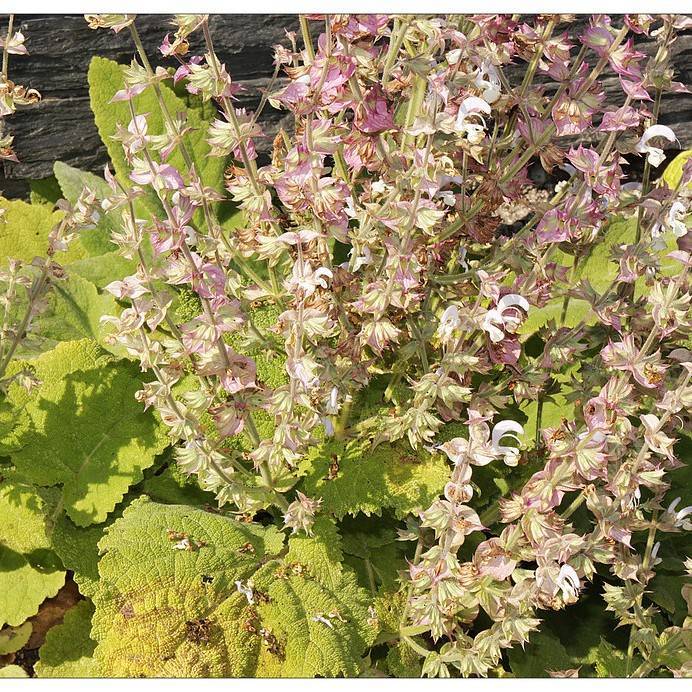
To learn how to identify plants, combine basic observational skills, clear photo documentation, and cross-checking with contextual growing conditions for the most accurate results. Beginners do not need advanced botany training; reliable tools and consistent attention to key traits like leaf shape, bloom structure, and habitat will help you name almost any species you encounter. If you’re looking for step-by-step guidance, our how to identify plants care guide breaks down the process for new users.
Why It’s Useful to Name Unknown Plant Species
Naming an unknown plant lets you access tailored care guidance, rule out toxic risks for kids and pets, and distinguish native species from invasive weeds that may harm local ecosystems. Even casual gardeners and hikers benefit from this skill, as it removes guesswork around plant maintenance and safe interaction.
The most immediate benefit of learning to identify a plant is being able to give it the right care. If you inherit a mystery houseplant from a friend or pick up an unmarked potted tree at a local plant swap, a confirmed ID tells you exactly how much sun, water, and humidity it needs to thrive. No more guessing if a leaf yellowing is from overwatering or too little light.
It also keeps your household safe. If you have kids or curious pets, being able to rule out toxic species before you bring a new plant home or let your dog sniff a random wildflower prevents unnecessary vet visits or late-night panic searches. For yard owners, ID skills help you spot invasive species that can crowd out native pollinator-friendly plants, or confirm that the volunteer sapling popping up by your fence is a welcome native, not a fast-spreading weed.
And of course, it answers that common, persistent “what is the plant?” question every time you spot a striking flower or unique tree on a walk through your neighborhood or local park.
Key Features to Look for to Name Any Unknown Plant
Before you reach for a digital tool, start with a few quick observations of the plant’s physical and contextual traits. These clues will help you narrow down possible matches fast, or confirm a result from an ID tool later, so you never waste time caring for a species you don’t actually have. When you’re first learning how to identify plants, starting with these obvious traits cuts down on unnecessary research.
First, look at the foliage. Leaf shape is one of the most reliable ID markers: is it lobed, like a Shindeshojo Japanese Maple? Oval and smooth, like a lilac? Serrated along the edges, like a rose? For a common, easy example, Japanese maples have distinct palmate, lobed leaves that make them easy to separate from other ornamental trees at a glance.
Next, note any reproductive features: if it’s flowering, count the petals, note the bloom size and color, and check if the flowers grow in clusters or alone. For trees, check for fruit, seed pods, or pinecones, and take note of bark texture (smooth, furrowed, peeling, or brightly colored).
Finally, record contextual clues: is the plant growing in full sun, deep shade, or somewhere in between? Is the soil wet, dry, or average? What season is it? Seasonal traits like bright red fall foliage or early spring blooms are often unique to specific species, so they can cut your ID time in half.
Photo Tips for Accurate Digital Plant Identification
Clear, targeted photos reduce the risk of misidentification by capturing unique traits that single-photo shots often miss. For the best results, take 3–4 photos in soft, natural light, avoiding direct midday sun that washes out colors or creates harsh shadows that obscure fine details. Most digital ID tools, including Sproutly, include built-in prompts to help you get the right shots for your use case.
Follow this shot list for every unknown plant:
- A wide shot of the full plant to show its growth habit (low-growing, bushy, vining, weeping, or upright) and overall size
- A close-up of the leaves, including both front and back if possible, to capture vein patterns, texture, and edge shape
- A shot of any flowers, fruit, seed pods, or buds present, to show color, size, and arrangement
- For woody plants and trees, a close-up of the bark to capture texture and color variation
- For wild plants, a quick shot of the surrounding habitat (e.g., boggy soil, dry rocky ground, shaded forest floor) to add context for cross-referencing later
Avoid photos with heavy background clutter, blurry focus, or partial views of the plant. If you are photographing a houseplant like a spider plant, remove any decorative pot covers or nearby objects that block the view of its distinct striped leaves and cascading offsets.
How to Identify a Flower by Picture Step-by-Step
If you want to identify a flower by picture, following a few simple steps will drastically improve your accuracy, even if you’re using an automated tool. Skipping these steps often leads to mismatches, since thousands of flower species look nearly identical from a single close-up photo. When learning how to identify plants, flowering specimens are often the easiest to start with, as their unique blooms cut down on possible matches.
- Take clear, multi-angle photos: Don’t just snap a close-up of the petals. Get one shot of the entire flower head, one shot of the leaves and stem, and one wider shot of the whole plant to show its growth habit (low-growing, bushy, vining, etc.). Take photos in natural, even light to avoid washing out colors or hiding fine details like vein patterns or petal edges.
- Note context: Jot down the date you took the photo (to confirm bloom season) and whether the flower is growing in sun, shade, or mixed light, plus any notes about the soil if you can tell (sandy, boggy, etc.).
- Use a plant identifier by picture tool: Upload your photos to a trusted ID tool to get a shortlist of possible matches.
- Cross-reference to confirm: Rule out any matches that do not fit the context. For example, if your flower is growing in deep full shade, you can eliminate any species that only grows in full sun. Cross-check the leaf shape and petal count against photos of the suggested species to make sure they align.
Tree Identification by Picture: What Makes It Different?
Tree identification by picture follows the same core steps as flower ID, but requires a few extra clues to get an accurate match, since many tree species have similar-looking leaves. A photo of a single oak leaf, for example, could belong to any of 600+ oak species around the world. Even common ornamental trees can have dozens of lookalike cultivars, so context is key for correct matches.
When you take photos for tree ID, include:
- Close-ups of the leaves or needles
- A clear shot of the bark, to capture texture and color
- A wide shot of the full canopy, to show its overall shape (rounded, conical, weeping, etc.)
- Photos of any fruit, seed pods, pinecones, or catkins if present
- A rough estimate of the tree’s height, if you can tell
Small, distinct traits will help you tell similar species apart fast. For example, the Shindeshojo Japanese Maple has bright coral-red new growth in spring that stands out from other maple varieties, making it almost impossible to mix up with other ornamental trees once you know the trait. A dwarf maple variety will only grow to 6 feet tall at maturity, so if you spot a 20-foot maple, you can rule that variety out immediately. For arid-region trees like Big Sagebrush, the distinct silvery, three-lobed leaves and fragrant foliage are unique enough to confirm an ID even without a photo of its full growth habit.
How to Validate a Plant ID Result to Avoid Misidentification
Even the most accurate ID tools can return lookalike matches, so cross-referencing results with observational and contextual clues is critical to confirming a correct ID. Spend 2–3 minutes checking 2–3 independent traits against verified species data to eliminate incorrect matches. This validation step is one of the most important skills to master when learning how to identify plants, as it prevents costly care mistakes or toxic exposure risks.
Follow this validation checklist for every ID result:
- Confirm the plant’s documented native range or hardiness zone aligns with the location where you found it. For example, a tropical houseplant will not grow wild in a temperate mountain forest, even if the leaf shape looks like a perfect match.
- Cross-check the plant’s preferred growing conditions (sun exposure, soil type, moisture level) against the habitat where you found it. A species that requires well-drained, sandy soil will not grow in a waterlogged bog, even if visual traits align.
- Look up unique secondary traits (bark texture, bloom scent, leaf feel, seasonal color changes) to confirm a match. For example, Big Sagebrush has a distinct medicinal scent when its leaves are crushed, a trait that sets it apart from other silvery-leaved arid shrubs.
- If you suspect a plant may be toxic, cross-reference the ID result with a secondary verified source, such as a university extension guide or trusted plant encyclopedia, before handling the plant.
How to Identify Uncommon Plant Types: Parasitic, Arid, and Native Species
Uncommon species like parasitic plants, arid-region natives, and rare wildflowers often lack the distinct, widely documented traits that make common houseplants and garden species easy to identify. Pay attention to unique, non-standard traits to narrow down matches for these less common groups. For these specimens, you may need to reference regional field guides or local plant society resources in addition to standard ID tools.
Parasitic Plants
Parasitic species like California Broomrape have no chlorophyll, so they lack the green foliage most people associate with plants, often appearing as fleshy, pale or brightly colored stalks growing directly out of the soil or attached to host plants. Note the host plant species if you can identify it, as many parasitic plants only grow on specific host groups. For example, California Broomrape only grows on host plants in the Asteraceae family, which can help you narrow down your ID search.
Arid-Region Natives
Arid-region species like Big Sagebrush often have thick, waxy leaves, silvery or gray foliage to reflect sunlight, or deep taproots that let them survive long dry periods. Note the soil type (sandy, rocky, compacted) and annual rainfall of the region where you found the plant to rule out species that require regular moisture. Crushed leaf scent is also a reliable ID marker for many arid shrubs, as they often produce strong-smelling oils to deter herbivores.
Rare Native Species
For rare native species, cross-reference your ID result with local native plant society lists or regional field guides to confirm the species is documented in your area. Many rare natives have lookalike non-native cultivars that are commonly sold in garden centers, so range data is often the easiest way to tell the two groups apart.
What to Do After You Identify a Plant: Care, Toxicity, and Tracking Next Steps
A confirmed plant ID unlocks access to tailored care guidance, toxicity data, and tracking tools that help you support the plant’s health long-term, whether it is a houseplant, garden specimen, or wild species you encountered on a hike. You can save confirmed IDs to a tool like Sproutly to set care reminders and access species-specific tips all in one place.
If the plant is part of your home or garden collection:
- Look up its full care requirements, including preferred sun exposure, water frequency, soil type, and pruning schedule, to adjust your current care routine as needed. For example, a spider plant thrives in partial shade and only needs water when the top 2 inches of soil are dry, so if you have been keeping yours in full sun and watering it weekly, you can adjust those conditions to reduce leaf browning.
- Check toxicity ratings to confirm it is safe for kids and pets. If it is toxic, move it to a high shelf or enclosed area that is out of reach of curious household members.
- Save the ID to a plant tracking tool to log growth milestones, set custom care reminders, and access seasonal care tips specific to that species.
If you found the plant in the wild:
- Cross-reference the ID with local invasive species lists. If it is an invasive species, you can report the sighting to your local conservation group to support removal efforts. If it is a native species, you can note it in a local biodiversity survey to support regional conservation data collection.
- If you plan to forage any part of the plant, confirm the ID with at least two additional verified sources and check local foraging regulations to ensure you are harvesting sustainably and legally.
Why Use Sproutly for Plant Identification: Key Features for Beginners
Sproutly streamlines the entire plant identification process for beginners, with built-in tools that reduce guesswork and help you act on ID results immediately, no botany background required. Every feature is designed to address common pain points that lead to misidentification, from unclear photo guidance to limited access to verified species data. If you’re just learning how to identify plants, Sproutly removes the friction of cross-referencing multiple sources to confirm a match.
Key benefits of using Sproutly to identify plants include:
- Verified, horticulturist-reviewed species data for over 2,000 plant varieties, accessible via our Plant Encyclopedia: Identify, Learn, and Care for 2000+ Plant Varieties to confirm ID results and access tailored care guidance
- Built-in photo guidance to help you take clear, multi-angle shots that improve ID accuracy, with prompts to capture key traits like leaf back, bark, and growth habit
- Instant toxicity alerts for confirmed toxic species, so you can keep kids and pets safe without cross-referencing multiple external sources
- Integrated plant tracking features that let you save confirmed IDs to your personal collection, set custom care reminders, and log growth milestones over time
- Offline access to common species data for hikers and gardeners who may not have cell service in remote areas
Common Mistakes That Lead to Wrong Plant IDs
Even experienced plant lovers make ID missteps occasionally, but most errors are easy to avoid if you watch for these common pitfalls. Many mistakes stem from skipping core observation steps, which is why building a consistent habit of noting key traits will improve your accuracy over time, even for tricky lookalike species.
First, do not rely on a single photo of one small part of the plant. A photo of only a leaf will not help you tell a full-sun Shindeshojo Japanese Maple apart from a shade-tolerant maple variety, since their leaves look nearly identical. You need context about growing conditions and other traits like bark color or new growth hue to confirm the ID.
Second, do not ignore growing conditions. As mentioned above, a maple growing in deep shade is far less likely to be a full-sun variety than one that prefers partial shade. If you are IDing a plant you found in a bog, you can rule out any species that prefers dry, well-drained soil, even if the leaves look like a perfect match.
Third, do not mistake young saplings for mature plants. Young maples have thin, smooth bark, while mature specimens have thicker, slightly furrowed bark. If you only compare your photo to images of mature trees, you may miss the correct match.
The easiest way to avoid all these mistakes is to cross-reference at least three different traits (leaf shape, growing condition, bark color or flower shape) before confirming an ID, instead of relying on one single clue.
FAQ
Can plant identification apps detect toxic species?
Many plant identification tools, including Sproutly, flag confirmed toxic species in their results to help you keep kids and pets safe. Always cross-reference ID results with a secondary source if you suspect a plant may be toxic, especially before handling or ingesting any part of it.
How many photos do I need to take for accurate plant ID?
For the most accurate results, take 3-4 clear photos: one of the full plant to show its growth habit, one close-up of the leaves (front and back if possible), one of any flowers or fruit, and one of the stem or bark for woody plants. Avoid blurry shots or photos with heavy background clutter.
Can I identify a plant in winter when it has no leaves?
Yes, you can identify deciduous plants in winter by observing remaining traits: bark texture and color, bud shape and arrangement, any persistent fruit or seed pods, and the plant’s overall growth shape. Tools like Sproutly often include winter trait data for common temperate species to support off-season ID.
What’s the difference between a plant identification app and a field guide?
Field guides are printed or digital books organized by region and plant trait, requiring manual comparison to identify a plant. Plant identification apps use image recognition to match your photo to a database of species in seconds, often with additional features like care guides and toxicity alerts that print guides do not include.
Ready to name every plant, flower, and tree you encounter? Try Sproutly today to get fast, reliable plant IDs and customized care guidance for every species in your collection.
Leitura relacionada
Mais guias que pode gostar
Game Plant: The Ultimate Guide to Plants in Gaming & Real-World Lookalikes
Explore game plant origins, their roles in popular titles like Plants vs. Zombies, and real plant varieties that match iconic in-game designs for your home or garden.
2026-08-05 · 10 min read
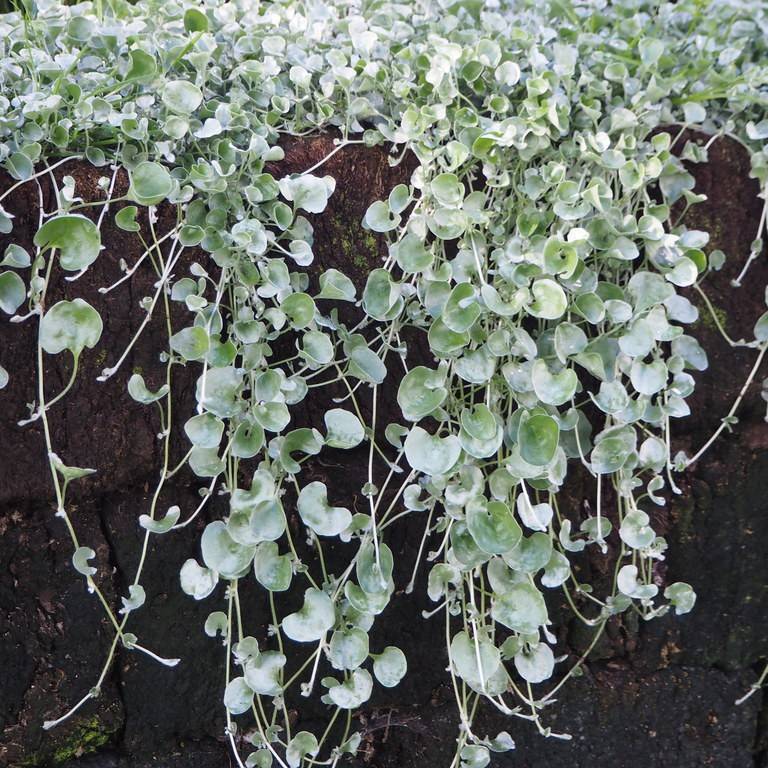
Dichondra Argentea (Silver Falls): Complete Care, Growing, and Use Guide
Learn how to grow and care for Dichondra argentea 'Silver Falls', a drought-tolerant, pet-safe trailing perennial perfect for hanging baskets and ground cover.
2026-08-04 · 11 min read
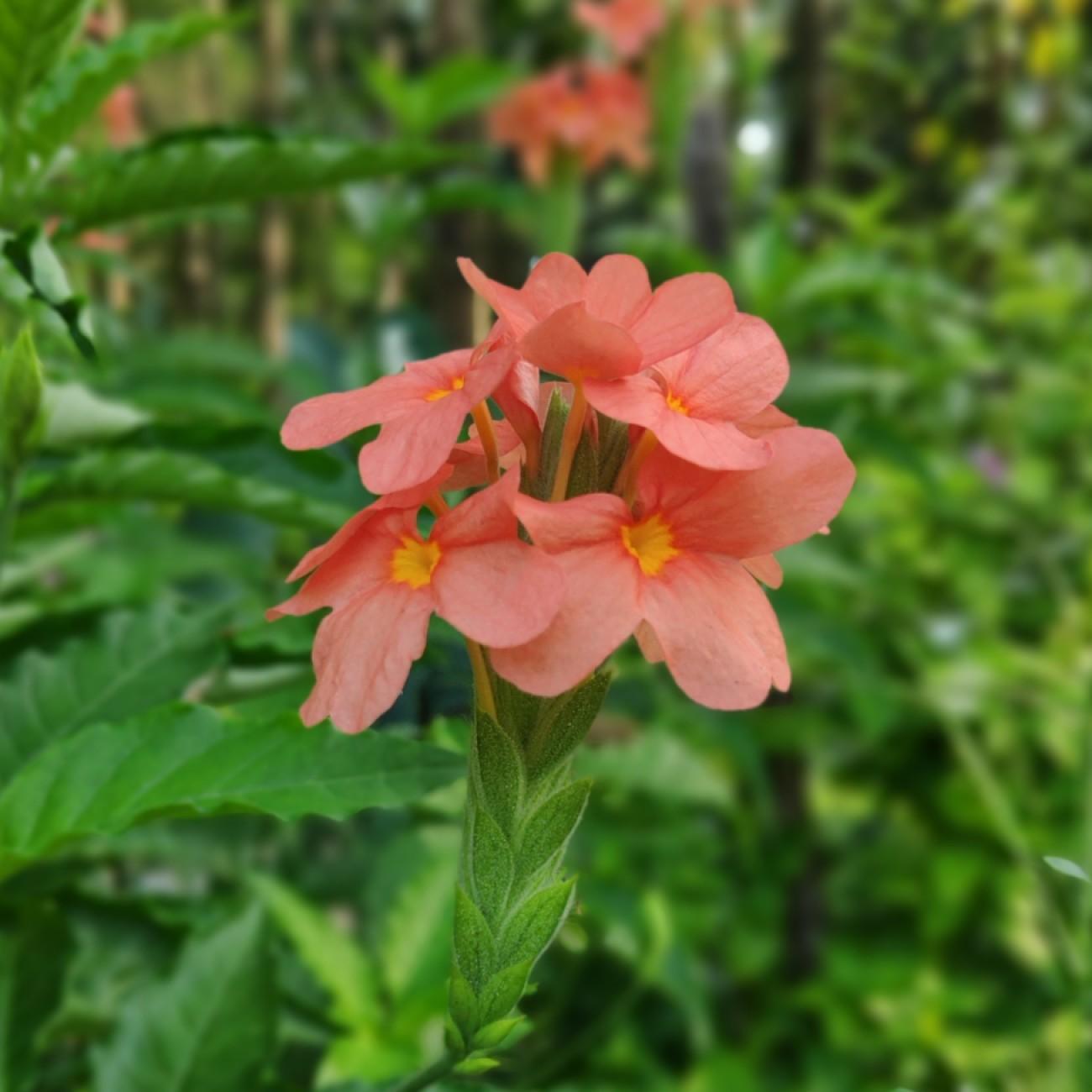
Firecracker Flower: Complete Care, Cultivation, and Identification Guide
Learn how to grow and care for firecracker flower (Crossandra infundibuliformis), a pet-safe, humidity-loving tropical houseplant with bright tubular blooms.
2026-08-04 · 19 min read