Cercidiphyllum japonicum Rotfuchs: Complete Care, Growth, and Identification Guide
Learn all about Cercidiphyllum japonicum Rotfuchs (Red Fox Katsura Tree), including its growth rate, care needs, planting tips, and unique foliage traits.
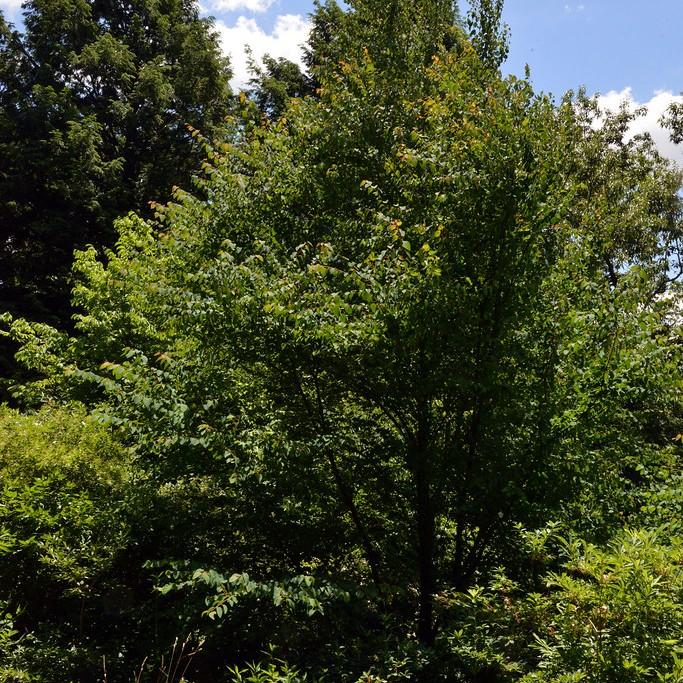
Cercidiphyllum japonicum Rotfuchs, or Red Fox Katsura Tree, is a cold-hardy deciduous ornamental cultivar suited to USDA zones 4 through 8. It is grown for its deep red-purple spring foliage, caramel-scented fall leaves, and broad pyramidal growth habit, and is non-toxic to dogs, cats, and horses for safe residential planting.
What Is Cercidiphyllum japonicum Rotfuchs?
Cercidiphyllum japonicum Rotfuchs is a selected cultivar of the standard Katsura Tree, native to Japan and China, bred for intense, long-lasting red-purple new growth. Unlike the standard Katsura, which produces green spring foliage, this cultivar retains rich red tones through early summer before shifting to deep green for the rest of the growing season.
It is classified as a medium-sized shade tree, suitable for residential yards and public landscaping in regions with cool to moderate summer temperatures. All parts of the tree are non-toxic to dogs, cats, and horses, so it can be planted in areas where pets roam freely. Its small early-spring flowers provide nectar for native bees and other early-season pollinators, supporting local ecosystem health. If you are unsure if a sapling you purchased is this specific cultivar, you can upload a photo of its new growth to Sproutly for fast plant identification to confirm.
Mature Size and Growth Rate
This Red Fox Katsura cultivar reaches 40 to 50 feet tall at maturity, with a canopy spread of 20 to 30 feet, forming a broad, pyramidal shape when grown in optimal conditions. It has a moderate growth rate, producing 12 to 24 inches of new growth per year, with faster growth of up to 24 inches annually in its first 10 years after planting as it establishes its root system.
You can track your tree’s growth progress by logging annual height measurements in Sproutly, which will also alert you if growth is slower than expected, indicating a potential care issue like insufficient water or nutrient deficiency. When planning placement, allow at least 15 feet of space between the tree and structures, power lines, or underground pipes to accommodate its mature spread without the need for frequent heavy pruning. For specific guidance on spacing and site placement, reference our cercidiphyllum japonicum rotfuchs care guide for tailored recommendations.
Ideal Planting Conditions
This cultivar grows best in full sun, meaning 6 or more hours of direct unfiltered light per day, to support its vibrant red spring foliage. It tolerates partial shade, but foliage color will be less intense, and growth may be slower and more sparse. It prefers rich, loamy, well-drained soil with a slightly acidic to neutral pH between 5.5 and 7.5, and will not tolerate consistently waterlogged or heavy clay soil that retains moisture around its roots for extended periods.
To prepare a planting site:
- Dig a hole twice as wide as the root ball and the same depth as the root ball to avoid planting the tree too deep
- Amend heavy clay soil with 2 to 3 inches of compost or aged pine bark to improve drainage before backfilling
- Tamp soil gently around the roots to eliminate air pockets, and water thoroughly to settle the soil
- Add a 2 to 3 inch layer of shredded wood mulch around the base of the tree, keeping it 6 inches away from the trunk to prevent rot
If you are unsure about your soil’s pH or drainage, use Sproutly to log your site conditions and get personalized planting recommendations tailored to your specific location.
Best Time to Plant
The best time to plant this Katsura cultivar is early spring, before new foliage emerges, or late fall, after leaves drop for the season. Planting during dormancy allows the tree to establish its root system without the stress of supporting new leaves or coping with high summer heat, which reduces transplant shock and improves long-term survival rates.
Avoid planting in mid-summer, when high temperatures and direct sun can cause the tree to lose moisture faster than its new root system can absorb it, leading to leaf scorch or dieback. If you must plant in summer, provide temporary shade for the first 4 to 6 weeks after planting, and water twice per week to keep soil consistently moist. You can add your planting date to Sproutly, which will send you reminders for the first 3 months of post-planting care to help your tree establish successfully.
Watering and Humidity Needs
Cercidiphyllum japonicum Rotfuchs prefers consistently moist soil, but will not tolerate standing water around its roots. For the first 2 years after planting, water deeply once per week, providing 1 to 2 inches of water per session, to encourage deep root growth. Once established, water only during periods of drought, when less than 1 inch of rain falls in a 10-day period, to avoid overwatering.
This tree thrives in moderate to high humidity levels, and may develop brown leaf edges in areas with very dry air, particularly in hot, arid climates. To raise humidity around the tree, you can mulch heavily around the base to retain soil moisture, or plant it near a water feature like a pond or rain garden. Sproutly can help you track local rainfall levels and send you watering reminders when your tree needs supplemental moisture, eliminating guesswork from your care routine.
Seasonal Foliage and Bloom Timeline
This Red Fox Katsura produces small, inconspicuous red-purple flowers in early spring, before new foliage emerges, usually 2 to 3 weeks before the last average frost date in your area. The blooms are not showy, but they provide critical early-season nectar for native bees and other pollinators that emerge when few other flowering plants are active.
New leaves emerge a deep, saturated red-purple in early spring, retaining this color for 8 to 12 weeks before gradually transitioning to a rich, glossy deep green by mid-summer. In fall, leaves turn bright yellow, orange, and pink, and emit a distinctive sweet, caramel or cotton candy-like scent as they drop, a signature trait of all Katsura tree varieties. You can log foliage color changes in Sproutly to track seasonal progress year over year, and get alerts for when to expect peak fall color and scent for your specific growing zone.
Pruning and Maintenance
This cultivar requires very little pruning to maintain its natural pyramidal shape, as it grows in a uniform habit without frequent intervention. Prune only in late winter, while the tree is still dormant, to remove dead, damaged, or crossing branches that rub against each other and create entry points for pests or disease. Avoid pruning in spring or summer, as fresh cuts can attract sap-feeding pests and cause excessive sap loss.
You do not need to fertilize this tree regularly if it is planted in rich, amended soil. If growth is slower than 12 inches per year, apply a slow-release, balanced 10-10-10 fertilizer once per year in early spring, before new growth emerges, following package instructions for application rates based on your tree’s size. Sproutly can help you schedule pruning and fertilization tasks in advance, so you never miss a seasonal maintenance window for your tree.
How It Compares to Other Katsura Tree Varieties
Cercidiphyllum japonicum Rotfuchs is one of several popular Katsura tree cultivars grown for ornamental use, each with distinct growth habits and foliage traits that suit different landscaping needs. Unlike the standard Katsura Tree, which has green spring foliage and a larger mature size of up to 60 feet tall, this cultivar is smaller and offers more vibrant seasonal color.
| Cultivar | Mature Size | Growth Habit | Foliage Trait | Best For |
|---|---|---|---|---|
| Cercidiphyllum japonicum Rotfuchs | 40-50 ft tall, 20-30 ft spread | Broad pyramidal | Deep red-purple spring foliage | Medium-sized yards, focal point planting |
| Weeping Katsura Tree 'Pendulum' | 20-30 ft tall, 25-35 ft spread | Weeping, cascading branches | Green spring foliage, arching form | Small yards, specimen planting near patios |
| dwarf 'Heronswood Globe' Katsura Tree | 10-15 ft tall, 10-15 ft spread | Compact, globular | Golden-green spring foliage | Small yards, foundation planting, container growth |
If you are unsure which Katsura cultivar is right for your space, you can input your yard size and sunlight conditions into Sproutly to get personalized cultivar recommendations that fit your specific needs.
Common Pests and Issues
This cultivar is relatively pest and disease resistant, with no major species-specific health issues. The most common problems are leaf scorch, caused by drought, high heat, or low humidity, and root rot, caused by overwatering or planting in poorly drained soil. Rarely, it may be infested by aphids or scale insects, which feed on sap from new growth and can be treated with horticultural oil or insecticidal soap applied according to package instructions.
Leaf scorch appears as brown, crispy edges on leaves, and can be prevented by watering deeply during periods of drought and mulching heavily around the base of the tree to retain soil moisture. Root rot causes yellowing leaves, stunted growth, and branch dieback, and can be avoided by planting in well-drained soil and never watering more than once per week unless there is extended drought. If you notice unusual leaf discoloration or damage, upload a photo of the affected area to Sproutly for fast diagnosis and treatment recommendations to resolve the issue before it spreads.
Frequently Asked Questions About Cercidiphyllum japonicum Rotfuchs
How tall does Cercidiphyllum japonicum Rotfuchs grow at maturity?
Cercidiphyllum japonicum Rotfuchs typically reaches 40 to 50 feet tall at maturity, with a spread of 20 to 30 feet, forming a broad, pyramidal canopy when grown in full sun and well-drained soil.
How fast does Cercidiphyllum japonicum Rotfuchs grow each year?
Cercidiphyllum japonicum Rotfuchs has a moderate growth rate, putting on 12 to 24 inches of new growth per year under ideal conditions, with faster growth in its first 10 years after planting.
When is the best time to plant Cercidiphyllum japonicum Rotfuchs?
The best time to plant Cercidiphyllum japonicum Rotfuchs is early spring before new foliage emerges, or late fall after leaves drop, when the tree is dormant and can establish roots without the stress of high heat.
When does Cercidiphyllum japonicum Rotfuchs flower?
Cercidiphyllum japonicum Rotfuchs produces small, inconspicuous red-purple flowers in early spring, before its new leaves emerge; the blooms are not showy, but they support early-season pollinators.
Is Cercidiphyllum japonicum Rotfuchs safe for pets?
Yes, Cercidiphyllum japonicum Rotfuchs is non-toxic to dogs, cats, and horses, making it a safe choice for yards where pets spend unsupervised time outdoors.
Track Your Tree Care With Sproutly
Whether you just planted a young sapling or are caring for a mature Cercidiphyllum japonicum Rotfuchs, Sproutly makes it easy to keep up with seasonal care needs, identify pest or disease issues early, and track growth progress year over year. Upload photos of your tree to confirm its cultivar, log care tasks, and get personalized reminders for watering, pruning, and fertilization tailored to your specific growing zone.
Try Sproutly today to give your Red Fox Katsura Tree the care it needs to thrive for decades.
Leitura relacionada
Mais guias que pode gostar
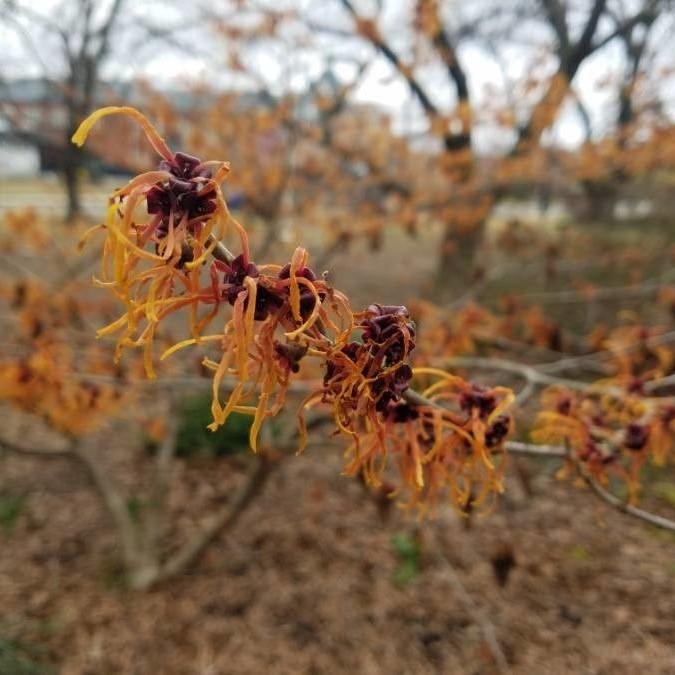
Hamamelis Mollis (Chinese Witch Hazel): Complete Grow & Care Guide
Learn to grow, care for, and enjoy Hamamelis mollis (Chinese witch hazel), a fragrant winter-blooming shrub with vibrant autumn foliage for temperate gardens.
2026-07-26 · 12 min read
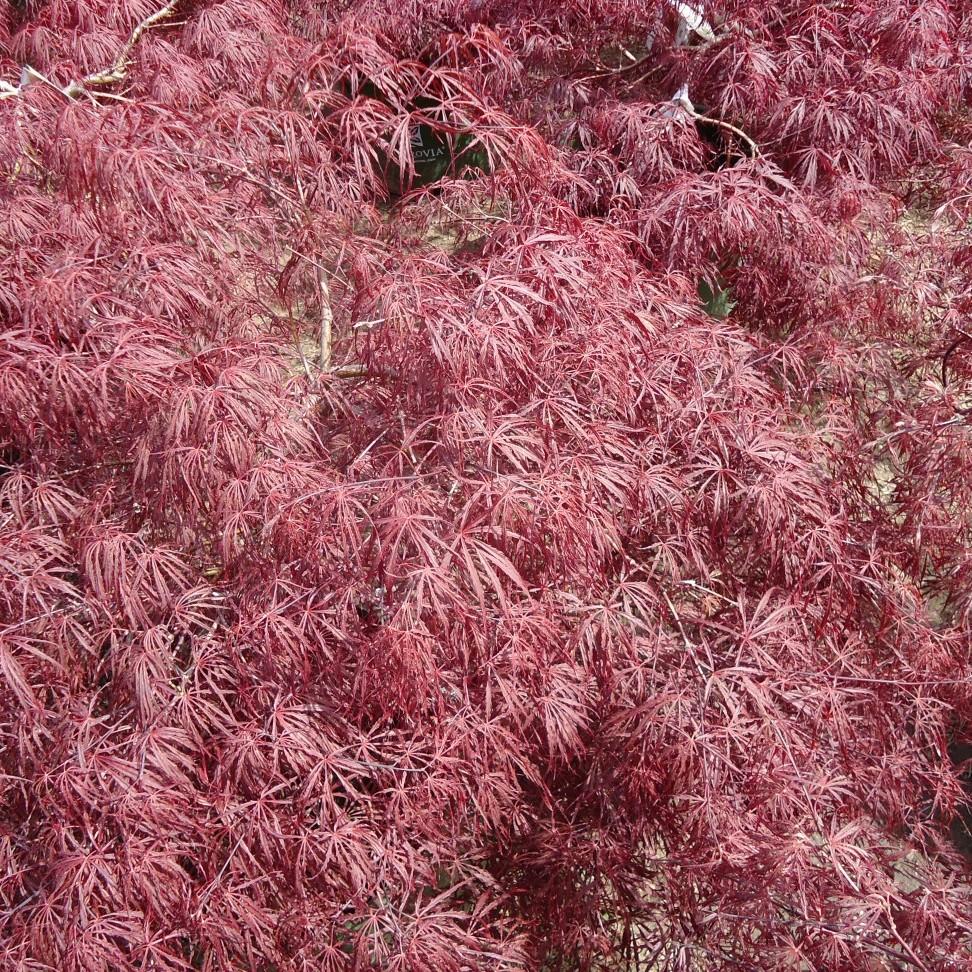
Japanese Maple Plant Description: Key Details for Iijima Sunago, Select Red, and Popular Cultivars
Get clear, beginner-friendly descriptions of Japanese maple trees, including specific details for Iijima Sunago and Select Red cultivars, plus care and pruning tips.
2026-07-26 · 8 min read
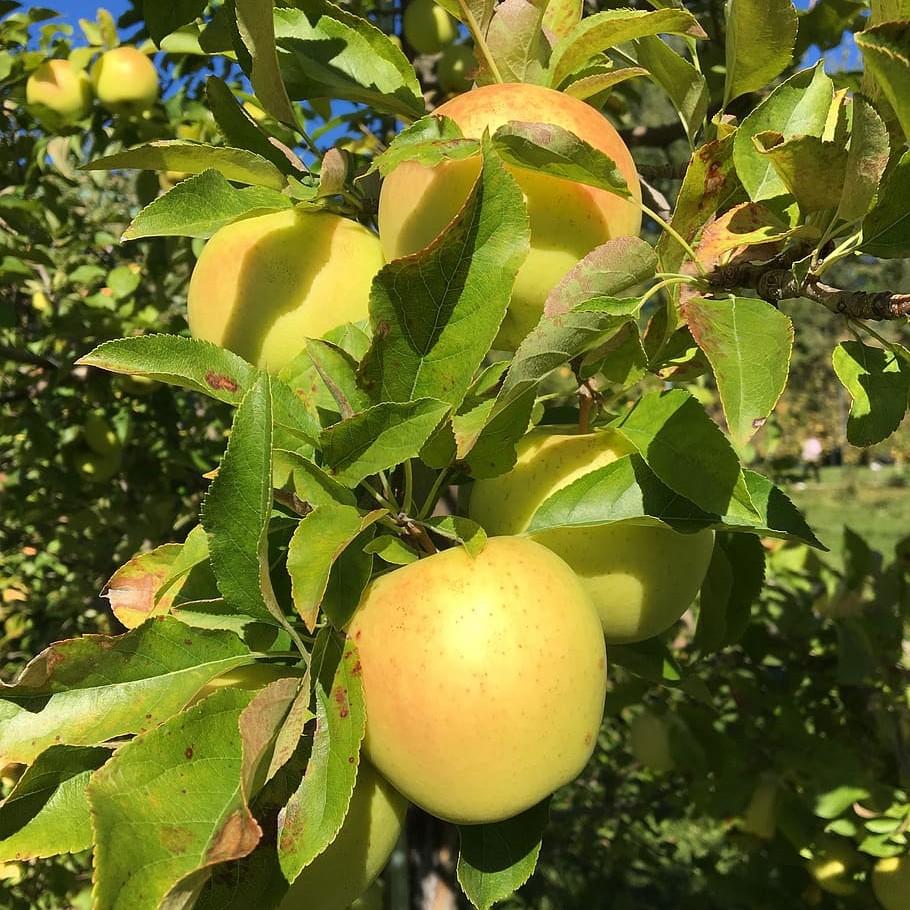
Flowering Crabapple: Grow Guide, Cultivars, and Landscape Uses
Learn to grow and care for flowering crabapple trees, with tips on cultivar selection, bloom care, disease resistance, and using their edible fruit and seasonal foliage.
2026-07-25 · 11 min read