Amazon Lily Plant: Care Guide, ID Tips, and Growing Requirements
Learn to care for the Amazon lily plant (Eucharis amazonica), a pet-safe, humidity-loving tropical houseplant with fragrant white blooms and partial shade needs.
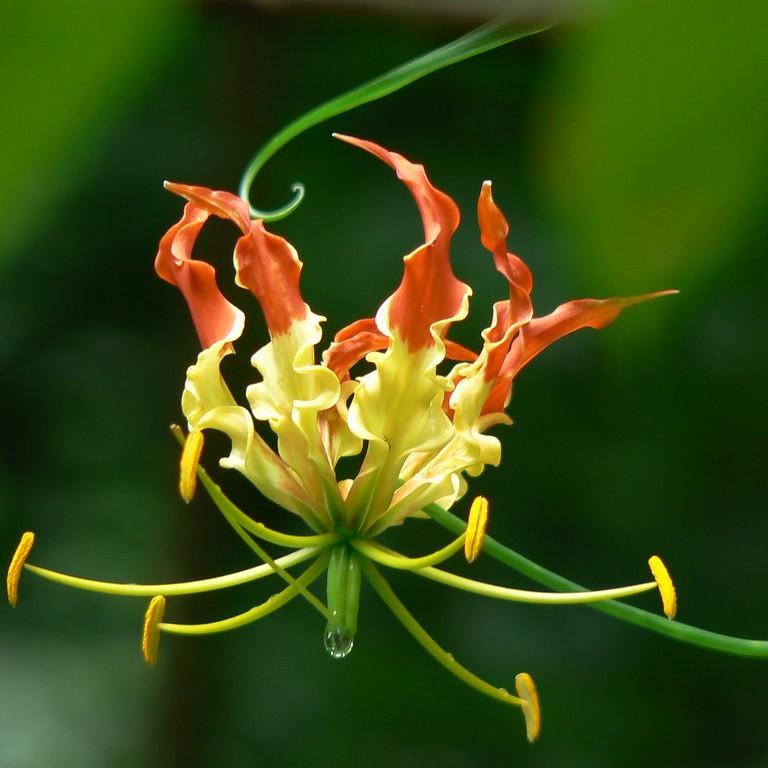
Amazon Lily Plant: Care Guide, ID Tips, and Growing Requirements
The Amazon lily plant is a tropical, pet-safe houseplant native to the Amazon basin, grown for its glossy dark green foliage and fragrant, star-shaped white blooms. It thrives in partial shade and high humidity, and blooms 2–3 times per year under ideal indoor conditions.
Amazon Lily Plant: Core Identification and Taxonomy
The Amazon lily plant, now formally classified as Urceolina amazonica, was previously known as Eucharis amazonica for most of its horticultural history. It is native to the Amazon basin, with glossy dark green foliage and clusters of fragrant, star-shaped white blooms.
Official scientific classification
The Amazon lily falls under the Amaryllidaceae family, the same family as daffodils and amaryllis plants. Its current accepted scientific name is Urceolina amazonica, though the vast majority of horticultural retailers and care resources still refer to it by its former name for consistency. Common names for the species include Amazon lily, Eucharis lily, and South American swamp lily.
Former names and taxonomic updates
Prior to a 2018 taxonomic revision of the Urceolina and Eucharis genera, the Amazon lily was categorized as Eucharis amazonica. The reclassification was based on genetic analysis that showed closer shared traits with other Urceolina species. Most plant labels and care guides will still reference the former Eucharis name, so cross-referencing both names can help you find accurate care information.
Key visual identifiers to avoid misidentification
The Amazon lily is often mislabeled as other white-flowering bulb plants, including the Florida swamp lily, which has longer, strap-like foliage and grows in full sun rather than partial shade. To confirm a plant is a true Amazon lily, look for:
- Broad, oval, glossy deep green leaves
- Clusters of 2–6 white, star-shaped blooms per stalk
- A small, cupped central crown on each flower, similar to a miniature daffodil
- No visible stem above the soil line, with foliage growing directly from the bulb
If you are unsure of your plant’s ID, you can snap a photo and upload it to Sproutly to confirm it is an Amazon lily plant vs. common lookalike species.
Amazon Lily Plant Physical Description
A mature Amazon lily plant grows 12–24 inches tall and 12–18 inches wide indoors, with broad, oval, glossy deep green leaves that reach 10–16 inches long. It produces 2–6 fragrant white, star-shaped blooms per stalk, each 3–4 inches wide, with a small central cup similar to a daffodil.
Foliage characteristics
Each Amazon lily bulb produces 2–5 leaves at a time, with a smooth, waxy coating that gives the foliage its signature glossy finish. Leaves are evergreen under ideal conditions, and will only die back if exposed to cold temperatures or extended drought. New leaves emerge from the center of the bulb cluster, usually after a bloom cycle has finished.
Flower structure and bloom cycle
Bloom stalks emerge from the base of the bulb cluster, reaching 12–18 inches tall before opening to reveal the flower cluster. Each bloom has six pointed white petals surrounding a small, pale yellow or white central cup, and emits a soft, sweet fragrance that is most noticeable during the day. Under ideal care, an Amazon lily plant will bloom 2–3 times per year, with each set of blooms lasting 2–3 weeks before fading.
Mature size for indoor and outdoor growth
Indoor potted Amazon lily plants max out at 24 inches tall and 18 inches wide, even when fully mature. Plants grown outdoors in USDA zones 10–12 can grow slightly larger, reaching up to 30 inches tall, with wider leaf spreads if planted in rich, well-amended soil. Outdoor-grown plants may also produce more frequent bloom cycles, as they have access to more consistent humidity and natural light patterns.
Ideal Light and Temperature Conditions for Amazon Lily Plants
The Amazon lily plant thrives in bright, indirect light or partial shade, with no direct midday sun that can scorch its foliage. It prefers temperatures between 65–80°F (18–27°C), and will suffer leaf damage if exposed to temperatures below 50°F (10°C) for more than 2 hours.
Partial shade requirements for indoor growth
Indoor Amazon lily plants do best placed within 3 feet of an east-facing window, where they receive gentle morning sun and indirect light for the rest of the day. South or west-facing windows are also suitable, as long as the plant is positioned 3–5 feet back from the glass or filtered with a sheer curtain to block direct midday sun. Too little light will result in sparse foliage and failure to bloom, while too much direct sun will cause brown, scorched patches on leaf surfaces.
Acceptable temperature ranges
Consistent temperatures between 65–80°F (18–27°C) support steady growth and regular blooming. The plant can tolerate short dips to 55°F (13°C) without damage, but prolonged exposure to temperatures below 50°F (10°C) will cause leaf yellowing, bulb rot, and eventual plant death. Avoid placing Amazon lily plants near drafty windows, air conditioning vents, or heating units, which can cause rapid temperature fluctuations.
Cold sensitivity and frost protection tips
Amazon lily plants can be grown outdoors year-round only in USDA zones 10–12, where winter temperatures never drop below 50°F (10°C). In cooler regions, potted Amazon lily plants can be moved outdoors to a shaded patio or porch during warm summer months, but must be brought back indoors before nighttime temperatures drop below 55°F (13°C). If planted in outdoor garden beds in cooler regions, bulbs will not survive frost, and must be dug up and stored indoors in a cool, dry location over winter.
Watering and Humidity Needs for Amazon Lily Plants
Water an Amazon lily plant when the top 1–2 inches of soil feels dry to the touch, roughly every 7–10 days in spring and summer, and every 14–21 days in fall and winter when growth slows. It requires 60–70% relative humidity to bloom reliably, which can be achieved with a pebble tray or small room humidifier.
Watering frequency by season
During spring and summer active growth periods, check soil moisture every 5–7 days, and water thoroughly until excess water drains out the bottom of the pot when the top 1–2 inches of soil is dry. In fall and winter, when growth slows and the plant may enter a short rest period, reduce watering to only when the top 3–4 inches of soil feels dry, usually every 14–21 days. Never let the plant sit in standing water in a saucer, as this can cause root rot.
You can use Sproutly to set customized watering reminders for your Amazon lily plant, adjusted for your home’s specific temperature and humidity levels to avoid over or underwatering.
Signs of overwatering vs. underwatering
Overwatering is the most common issue for Amazon lily plants, and presents as yellow, mushy lower leaves, a sour smell coming from the soil, or soft, rotting bulb tissue. If you notice these signs, stop watering immediately, and repot the plant in fresh, dry potting mix if root rot has set in. Underwatering presents as wilted, drooping foliage, brown, crispy leaf edges, and stunted growth. Severely underwatered plants can usually be revived by soaking the pot in a tray of water for 10–15 minutes to rehydrate the root ball evenly.
Humidity requirements for consistent blooming
Amazon lily plants need 60–70% relative humidity to produce bloom stalks and keep foliage healthy. Most home humidity levels sit between 30–50%, so you will need to supplement humidity for consistent blooming. The most effective methods are:
- Placing the pot on a pebble tray filled with water, making sure the bottom of the pot is not sitting directly in the water
- Running a small room humidifier near the plant during dry winter months or in arid climates
- Grouping the plant with other humidity-loving pet-safe houseplants to create a microclimate of higher humidity around the foliage
Misting the foliage is not recommended, as it can lead to fungal leaf spots if water sits on the leaves for extended periods without proper air flow.
Soil, Potting, and Fertilizer Recommendations
The Amazon lily plant grows best in a loose, well-draining potting mix with added perlite or orchid bark to prevent root rot. Use a pot with drainage holes, and repot only once every 2–3 years, as it blooms more reliably when slightly root-bound.
Best soil mix for drainage and nutrient retention
A standard indoor potting mix amended with 20% perlite and 10% orchid bark creates the ideal balance of drainage, aeration, and nutrient retention for Amazon lily plants. Avoid heavy, compacted garden soil or mixes designed for cacti and succulents, which drain too quickly and do not hold enough moisture for the plant’s tropical root system. The ideal soil pH is slightly acidic, between 5.5 and 6.5, which supports healthy nutrient uptake.
Pot selection and repotting frequency
Choose a pot with at least one drainage hole, sized 1–2 inches larger than the current root ball. Amazon lily plants bloom best when slightly root-bound, so avoid repotting into an oversized pot, which can hold excess moisture around the roots and delay blooming for 1–2 years. Repot only once every 2–3 years, when you see roots growing out of the drainage holes or emerging from the top of the soil line. The best time to repot is immediately after a bloom cycle has finished, when the plant is entering a short rest period before new foliage growth begins.
Fertilizer schedule for optimal blooming
Use a balanced 10-10-10 liquid fertilizer diluted to half strength every 4 weeks during active spring and summer growth. Pause fertilizer application 6 weeks before your plant’s expected bloom period (usually late fall for winter blooms, or late summer for fall blooms) to encourage the plant to direct energy toward flower production instead of foliage growth. Do not fertilize during fall and winter rest periods, as this can burn the slow-growing roots and cause leaf tip burn.
Common Pests and Problems for Amazon Lily Plants
The most common pests affecting the Amazon lily plant are mealybugs, spider mites, and fungus gnats, which thrive in overly moist soil or low humidity. Common issues include yellow leaves from overwatering, brown leaf tips from low humidity, and failure to bloom from insufficient light or overpotting.
Most frequent pest infestations
- Mealybugs appear as small, white, cottony clusters on the undersides of leaves and at the base of the bulb. Wipe them off with a cotton swab dipped in rubbing alcohol, and treat the plant with neem oil to prevent reinfestation.
- Spider mites are tiny, red or brown pests that create fine webbing on the undersides of leaves, and cause stippled, yellowed foliage. They thrive in low humidity, so raising humidity levels and treating with insecticidal soap will usually eliminate an infestation.
- Fungus gnats are small, black flying insects that lay eggs in overly moist soil. Let the top 2 inches of soil dry out completely between waterings, and apply a layer of horticultural sand on top of the soil to prevent adult gnats from laying eggs.
If you spot unusual leaf damage or pest activity you cannot identify, upload a photo to Sproutly for a quick diagnosis and step-by-step treatment recommendations.
Foliage issue troubleshooting
- Yellow leaves: Most often caused by overwatering, but can also be a sign of cold exposure or too much direct sun. Check soil moisture first, and adjust watering frequency if the soil feels soggy.
- Brown leaf tips: Caused by low humidity, overfertilization, or fluoride and chlorine in tap water. Use filtered or rainwater for watering, and supplement humidity to resolve the issue.
- Scorched brown leaf patches: Caused by direct midday sun. Move the plant further away from the window or add a sheer curtain to filter light.
Bloom failure causes and fixes
If your Amazon lily plant is not producing blooms, the most common causes are:
- Insufficient bright indirect light: Move the plant to a brighter location within 3 feet of an east-facing window.
- Overpotting: The plant is expending energy growing roots to fill a large pot instead of producing blooms. Wait 1–2 years for the plant to become root-bound, or repot into a smaller pot only 1 inch larger than the root ball.
- No rest period: Amazon lily plants need a 6-week rest period in late fall with reduced watering and no fertilizer to trigger bloom production. If you water year-round at the same frequency, the plant will not shift into bloom mode.
- Low humidity: If humidity is below 50%, the plant will not have the moisture it needs to develop bloom stalks. Add a humidifier or pebble tray to raise humidity levels.
Amazon Lily Plant Safety and Use Cases
The Amazon lily plant is non-toxic to dogs, cats, and humans, making it a safe choice for households with pets or small children. It works well as a tabletop or floor plant in bright, indirect light, and can be planted in shaded outdoor garden beds in frost-free regions.
Pet and child toxicity status
Unlike true lilies from the Lilium genus, which are highly toxic to cats and can cause fatal kidney failure even in small doses, the Amazon lily is completely non-toxic to all pets and humans. It is a safe alternative to true lilies for households with cats or curious toddlers who may chew on foliage. You can find more non-toxic options in our curated list of pet-safe houseplants.
Indoor decor placement ideas
The Amazon lily’s compact size and glossy, dark green foliage make it a versatile addition to most indoor spaces. It works well as:
- A tabletop plant on a dining table or home office desk, where its fragrant blooms can be enjoyed up close
- A low floor plant in a living room or bedroom corner with bright, indirect light
- A companion plant in a tropical display with other humidity-loving species like pothos, calathea, and ferns
- A centerpiece for special events, as its long-lasting white blooms work well for wedding or holiday decor
Avoid placing the plant in high-traffic areas where foliage may be bumped or damaged, as leaves are relatively fragile and can tear easily.
Outdoor planting suitability for warm regions
In USDA zones 10–12, Amazon lily plants can be planted directly in shaded outdoor garden beds, under trees or covered patios where they receive no direct midday sun. Plant bulbs 2–3 inches deep in well-amended, loose soil, spaced 8–12 inches apart to allow for spread. Outdoor plants will usually bloom more frequently than indoor plants, as they have access to natural seasonal light and temperature cues that trigger bloom production. In cooler regions, potted Amazon lily plants can be moved outdoors to a shaded patio during summer months, as long as temperatures stay above 55°F (13°C).
How to Propagate Amazon Lily Plants
The easiest way to propagate an Amazon lily plant is by dividing offset bulbs from the parent plant during repotting. Separate small, firm offset bulbs with their own roots, plant them in 4–6 inch pots, and keep soil consistently moist but not soggy until new growth appears in 4–6 weeks.
Bulb division method step-by-step
Bulb division is the most reliable propagation method, and produces mature blooming plants much faster than seed propagation. Follow these steps:
- Wait to propagate until your plant is due for repotting, immediately after a bloom cycle has finished.
- Gently remove the entire plant from its pot, and brush off excess soil from the root ball to expose the bulbs and offset growths.
- Locate small, firm offset bulbs growing from the base of the main parent bulb. Each offset should have its own small set of roots attached.
- Gently twist or cut the offset away from the parent bulb, using a clean, sharp knife if needed to separate attached roots.
- Plant the offset in a 4–6 inch pot with the same well-draining potting mix used for mature plants, with the top of the bulb sitting just above the soil line.
- Water thoroughly, and place the pot in a location with bright, indirect light, keeping soil consistently moist but not soggy.
New growth will appear from the top of the offset bulb in 4–6 weeks if propagation is successful.
Seed propagation considerations
Amazon lily plants can be grown from seed collected from mature seed pods that form after blooms are pollinated, but this method is far slower and less reliable than bulb division. Seeds must be sown immediately after harvesting, as they lose viability quickly, and can take 3–4 years to grow into mature plants that produce blooms. Most home growers prefer bulb division for faster, more consistent results.
New plant care after propagation
For the first 3 months after propagation, keep young offset plants in bright, indirect light, and water when the top 1 inch of soil feels dry to encourage strong root growth. Do not fertilize for the first 6 months, as the young bulb has enough stored energy to support initial growth, and excess fertilizer can burn delicate new roots. Propagated Amazon lily plants typically take 1–2 years to bloom for the first time, once they have become established and slightly root-bound in their pots.
Frequently Asked Questions About Amazon Lily Plants
Is the Amazon lily plant toxic to pets?
No, the Amazon lily plant (Eucharis/Urceolina amazonica) is non-toxic to dogs, cats, and humans, making it safe for households with pets and small children.
Why is my Amazon lily plant not blooming?
The most common causes of bloom failure for the Amazon lily plant are insufficient bright indirect light, overpotting (it prefers being slightly root-bound), or lack of a 6-week rest period with reduced watering in late fall to trigger flower production.
What was the Amazon lily plant previously known as?
The Amazon lily plant was formally classified as Eucharis amazonica for decades, before a 2018 taxonomic update reclassified it to the Urceolina genus, with the official name Urceolina amazonica. Most horticultural sources still use the common name Amazon lily and former scientific name Eucharis amazonica.
How often do I water an Amazon lily plant?
Water an Amazon lily plant when the top 1–2 inches of soil feels dry, roughly every 7–10 days in spring and summer, and every 14–21 days in fall and winter when growth slows. Avoid overwatering, which can cause root rot.
Can Amazon lily plants grow outdoors?
Amazon lily plants can grow outdoors year-round in USDA hardiness zones 10–12, where temperatures never drop below 50°F (10°C). In cooler regions, they can be moved outdoors to a shaded patio during warm summer months, and brought inside before frost.
Get Help Caring for Your Amazon Lily Plant With Sproutly
The Sproutly app can help you confirm your Amazon lily plant ID, track care tasks, and troubleshoot issues as they arise to help your plant thrive and bloom consistently.
Snap a photo of your plant to confirm it is an Amazon lily vs. common lookalikes, set customized watering and fertilizer reminders tailored to your home’s conditions, and access step-by-step troubleshooting guides for any issues that come up. For more detailed growing information, check out the full Amazon lily plant encyclopedia entry in our plant library.
Download Sproutly today to keep your Amazon lily plant healthy and blooming for years to come.
Leitura relacionada
Mais guias que pode gostar
Hamamelis Mollis (Chinese Witch Hazel): Complete Grow & Care Guide
Learn to grow, care for, and enjoy Hamamelis mollis (Chinese witch hazel), a fragrant winter-blooming shrub with vibrant autumn foliage for temperate gardens.
2026-07-26 · 12 min read
Japanese Maple Plant Description: Key Details for Iijima Sunago, Select Red, and Popular Cultivars
Get clear, beginner-friendly descriptions of Japanese maple trees, including specific details for Iijima Sunago and Select Red cultivars, plus care and pruning tips.
2026-07-26 · 8 min read
Flowering Crabapple: Grow Guide, Cultivars, and Landscape Uses
Learn to grow and care for flowering crabapple trees, with tips on cultivar selection, bloom care, disease resistance, and using their edible fruit and seasonal foliage.
2026-07-25 · 11 min read