Strongylodon macrobotrys: Complete Jade Vine Species Profile & Care Guide
Learn all about Strongylodon macrobotrys (jade vine): its native range, iconic turquoise flowers, pollination needs, cultivation tips, and pest risks for home gardeners.
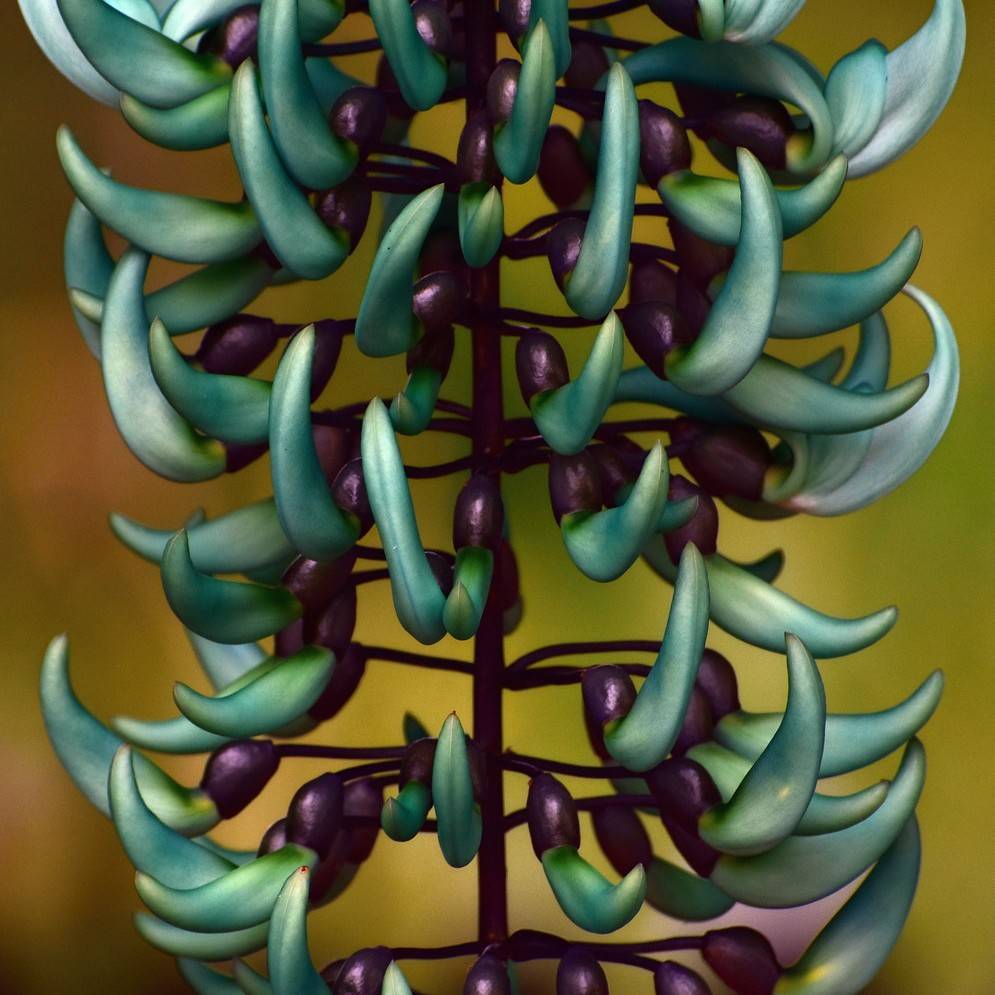
Strongylodon macrobotrys, commonly called jade vine, is a near-threatened tropical legume native exclusively to Philippine rainforests. It is prized for its rare iridescent turquoise flower clusters, and can be grown outdoors in tropical zones or indoors in large containers with high humidity.
What Is Strongylodon macrobotrys?
Strongylodon macrobotrys is a perennial climbing vine in the Fabaceae family, restricted natively to the damp lowland and mid-elevation rainforests of the Philippines. It is classified as near-threatened in its native range due to widespread deforestation and habitat loss that has reduced wild populations over the past 30 years. Use Sproutly to snap a photo of a suspected jade vine to confirm its identity and distinguish it from lookalike species like the red jade vine (Mucuna bennettii). For additional background on the species, view our full strongylodon macrobotrys plant profile.
The vine grows as a canopy climber in its native habitat, wrapping around tree trunks to reach filtered sunlight above the forest understory. It is unrelated to common jade houseplants (Crassula ovata), sharing only a reference to its deep green foliage in its common name. If you are cultivating rare tropical plants, our strongylodon macrobotrys identification guide can help you avoid mislabeled specimens when purchasing.
Strongylodon macrobotrys Physical Description
Mature jade vine vines can reach up to 18 meters (60 feet) in length, with thick, woody stems and compound, trifoliate leaves that grow 7 to 13 centimeters (3 to 5 inches) long. Leaves are a matte, deep green with a smooth texture, and new growth emerges with a faint bronze tint before hardening to its signature dark green shade.
The vine’s twining habit allows it to climb vertical supports like trellises, pergolas, or mature tree trunks without needing additional ties once established. Young plants will produce thinner, flexible stems for the first 2 to 3 years before developing the woody growth that supports large flower clusters. For guidance on supporting climbing tropical vines, reference our tropical climbing plant care guide.
Strongylodon macrobotrys Flowers & Fruit
This vine produces cascading flower clusters (called racemes) that can grow up to 3 meters (10 feet) long, with each cluster holding 75 to 100 individual claw-shaped blooms. The flowers have a luminous, iridescent turquoise-blue hue that is rare among flowering plants, caused by structural coloration rather than just pigment: microscopic structures in the petal cells reflect blue and green light, creating the characteristic glowing appearance that makes the flowers visible to nocturnal pollinators in dim rainforest understories.
After pollination, the vine produces fleshy, elongated legume pods 5 to 15 centimeters (2 to 6 inches) long, each holding up to 12 hard, brown seeds that take 6 to 12 months to fully ripen. Pods will turn dark brown and split open when seeds are ready for harvest. Ripe seeds remain viable for only 1 to 2 months, so they should be planted immediately for the highest germination rate. For more details on flowering and fruiting timelines, view the entry for jade vine in our plant encyclopedia.
Native Habitat & Pollinators of Strongylodon macrobotrys
In its native Philippine rainforest range, this species grows in areas with consistent temperatures between 18 and 29°C (65 and 85°F) and annual rainfall of 2,000 to 3,000 millimeters (80 to 120 inches). It grows in well-draining loam soil under partial canopy cover, where it receives bright, filtered sunlight rather than direct overhead sun.
It is pollinated primarily by nectar-feeding bats, which hang upside down to access the flower’s nectar and trigger pollen release onto their fur. The shape of the flower is adapted specifically to fit the head of native bat species, ensuring efficient pollen transfer between vines. In non-native cultivation, carpenter bees and certain species of sunbirds may also act as pollinators, though hand-pollination is often required to produce fruit outside of its native range, as non-native pollinators rarely apply the exact pressure needed to trigger pollen release.
Strongylodon macrobotrys Cultivation Requirements
This vine thrives in USDA hardiness zones 10 to 12, where it can be grown outdoors year-round. It requires loose, well-draining soil with a pH between 6.0 and 6.5, filtered bright sunlight (avoid direct midday sun that can scorch leaves), and consistent moisture without waterlogged roots. Outdoor plants should be watered 2 to 3 times per week during dry periods, and fertilized with a balanced, slow-release fertilizer every 2 months during the active growing season.
For indoor growing in temperate regions, use a large 25 to 30 gallon pot with a sturdy trellis, maintain 60 to 80% relative humidity, and keep ambient temperatures above 15°C (59°F) to prevent leaf drop. Indoor plants require supplemental grow lights if natural filtered light is insufficient, with a recommended 12 to 14 hours of light per day during the growing season. Log your jade vine’s growing conditions in Sproutly to get customized reminders for fertilizing and repotting.
Common Pests & Diseases Affecting Strongylodon macrobotrys
Jade vine is relatively pest-resistant in its native habitat, but cultivated plants may be susceptible to spider mites, mealybugs, and scale insects, particularly when grown indoors with low humidity. These pests typically target the undersides of leaves, causing stippling, yellowing, or premature leaf drop if left untreated.
Overwatering can lead to root rot caused by Phytophthora fungi, which causes yellowing leaves and wilting even when soil is moist. This is the most common fatal issue for indoor-grown vines, as compacted potting soil or pots without drainage holes can trap excess moisture around roots. Aphids may also target new growth, leading to distorted leaves and sticky honeydew residue that promotes sooty mold growth. If you spot unusual discoloration or pests on your vine, upload a photo to Sproutly to get a specific diagnosis and treatment recommendation.
Common Uses for Strongylodon macrobotrys
This species is grown primarily as an ornamental plant for its dramatic, unique flower clusters, which are often used in tropical floral arrangements and wedding displays. The flowers do not hold up well after being cut, lasting only 1 to 2 days in a vase, so they are most often displayed on the vine in garden settings.
In its native Philippines, Indigenous communities have traditionally used the vine’s tough stems for weaving baskets and rope, and extracts from the leaves have been used in folk medicine to treat minor cuts and stomach ailments. It is also a popular specimen plant in botanical gardens worldwide, where it draws visitors during its spring and summer blooming season. Many botanical gardens also use cultivated specimens for ex-situ conservation efforts to protect the species’ genetic diversity as wild populations decline.
Strongylodon macrobotrys Conservation Status
This vine is listed as near-threatened by the IUCN Red List, with its native population declining by an estimated 20 to 30% over the past 30 years due to rainforest clearing for agriculture and urban development. Habitat loss has also reduced populations of its native bat pollinators, further limiting natural reproduction in the wild, as isolated vine patches are often too far apart for pollinators to travel between.
Many botanical gardens participate in ex-situ conservation programs for the species, growing it to preserve genetic diversity and reduce demand for wild-harvested plants. Home growers can support these efforts by purchasing plants only from reputable nurseries that propagate specimens from cultivated stock, rather than collecting wild seeds or plants from native habitats.
How to Propagate Strongylodon macrobotrys
Jade vine can be propagated from fresh seeds or semi-hardwood cuttings taken in late spring. Seeds must be scarified (nicked with a file) and soaked in warm water for 24 hours before planting to break dormancy, and will germinate in 2 to 4 weeks when kept at 24 to 27°C (75 to 80°F) under high humidity.
Cuttings should be 10 to 15 centimeters (4 to 6 inches) long, taken from healthy, non-flowering stems, and rooted in a mix of perlite and peat moss under high humidity, which typically takes 6 to 8 weeks. Rooting hormone can be applied to the cut end to speed root development, though it is not required for successful propagation. Propagation from cuttings produces a plant that will bloom faster than one grown from seed, which can take 3 to 5 years to flower for the first time.
Troubleshooting Common Strongylodon macrobotrys Growth Issues
The most common issue for cultivated jade vine is failure to bloom, which is usually caused by insufficient light, low temperatures, or lack of a 2 to 3 month cool rest period in winter with temperatures around 15°C (59°F). Mature vines that have not been repotted in 3 or more years may also fail to bloom due to restricted root growth.
Yellowing leaves typically signal either overwatering or low humidity, while brown leaf edges are usually caused by too much direct sun or dry air. If your vine is growing long stems with no leaves, it is likely not getting enough light and should be moved to a brighter location with filtered sun. Sudden leaf drop is almost always caused by exposure to temperatures below 10°C (50°F), so indoor plants should be kept away from drafty windows or air conditioning vents during cold months.
Frequently Asked Questions
Is Strongylodon macrobotrys rare?
Strongylodon macrobotrys is classified as near-threatened in its native Philippine rainforest habitat due to deforestation, though it is widely cultivated in botanical gardens and by specialty tropical plant growers worldwide.
How often does Strongylodon macrobotrys bloom?
Mature vines bloom once per year, typically in late spring or early summer, with flower clusters lasting 2 to 3 weeks before fading.
Can I grow Strongylodon macrobotrys indoors?
Yes, you can grow it indoors in a large pot with a sturdy trellis, as long as you provide bright filtered light, 60 to 80% relative humidity, and consistent temperatures above 15°C (59°F).
What pollinates Strongylodon macrobotrys?
In its native range, it is pollinated primarily by nectar-feeding bats. In cultivation, it may be pollinated by carpenter bees, or may require hand-pollination to produce fruit.
How long does Strongylodon macrobotrys take to grow?
Plants grown from seed take 3 to 5 years to reach maturity and produce their first flowers, while plants grown from cuttings may bloom in as little as 2 years under ideal conditions.
Try Sproutly
Whether you’re troubleshooting a struggling jade vine, identifying a rare tropical specimen, or building a custom care schedule for your plant collection, Sproutly provides tailored support for every growing journey. Upload photos, log growing conditions, and get personalized care reminders to help your plants thrive. Get started with Sproutly today.
Gerelateerde lectuur
Meer gidsen die je misschien leuk vindt
Yellow Ice Plant: Complete Care, Growing Tips, and Landscape Uses
Learn how to grow, care for, and landscape with yellow ice plant, a drought-tolerant, low-growing succulent perfect for rock gardens and xeriscapes.
2026-07-14 · 12 min read
Acer Pseudoplatanus Eskimo Sunset: Complete Care & Growing Guide
Learn how to grow and care for Acer pseudoplatanus Eskimo Sunset, a variegated sycamore maple suited for USDA zones 5-8 with vivid seasonal foliage.
2026-07-12 · 10 min read
Amaranth: Types, Growing Tips, Edible Uses, and Care Guide
Learn all about amaranth, a versatile warm-season plant grown for nutrient-dense grains, edible greens, and ornamental blooms, plus care and cultivation tips.
2026-07-12 · 8 min read