Norway Spruce: Identification, Care, Cultivars, and Uses
Learn all about Norway spruce (Picea abies), including its growth habits, popular cultivars, planting guidelines, care requirements, and common uses for landscapes.
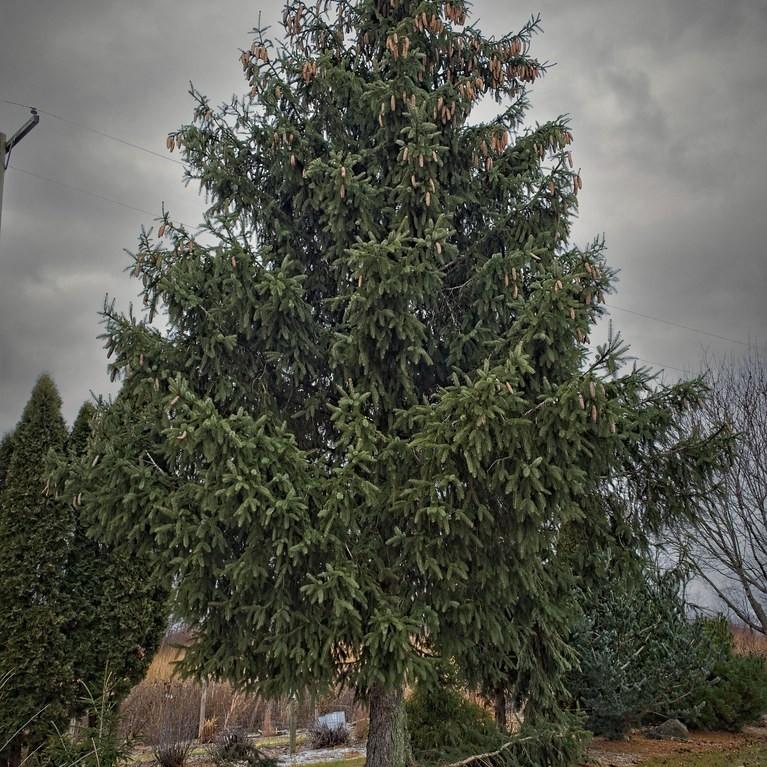
Norway spruce is a fast-growing evergreen conifer native to Europe, recognizable by its dense pyramidal shape, ½–1 inch dark green needles, and drooping mature branchlets. It grows 2–3 feet per year under ideal conditions, reaching 40–60 feet tall in home landscapes, with uses ranging from privacy screens to timber production.
What Is Norway Spruce (Picea abies)?
This hardy, fast-growing conifer is distinguished from similar species by soft, four-sided needles that roll easily between fingers, and pendulous lower branchlets that develop as the tree matures. Its light brown, cylindrical cones grow 4–6 inches long, the longest of any spruce species, making identification simple for beginners.
If you have an unknown evergreen and want to confirm its identity, you can snap a photo and upload it to the Sproutly app for instant identification, plus tailored care tips for your specific tree. For a full breakdown of its core traits, visit our norway spruce encyclopedia entry.
Key identification traits to look for:
- ½–1 inch dark green, pointed needles attached to small, woody pegs on branches
- Drooping lower branchlets on trees 10+ years old
- 4–6 inch long, slender cones that hang downward from branches
- Dense, pyramidal growth habit in young and mature specimens
Taxonomy and Classification
Norway spruce is classified as Picea abies, a member of the Pinaceae (pine) family and Picea genus, which includes all 35 recognized spruce species worldwide. It was first formally described by Carl Linnaeus in 1753 in his landmark work Species Plantarum, with its species name “abies” originally referencing its fir-like appearance before taxonomic revisions separated spruces and firs into distinct genera.
It differs from closely related North American spruce species like white spruce (Picea glauca) and black spruce (Picea mariana) by its longer cones, drooping branchlets, and faster growth rate, while its cold hardiness (USDA zones 3–7) matches most other spruces native to northern temperate regions. Its full taxonomic hierarchy is:
- Kingdom: Plantae
- Clade: Tracheophytes
- Clade: Gymnospermae
- Division: Pinophyta
- Class: Pinopsida
- Order: Pinales
- Family: Pinaceae
- Genus: Picea
- Species: P. abies
Native Range and Ecology
Its native range spans from Scandinavia and northern Russia south to the Alps, Carpathian Mountains, and parts of the Balkans, where it grows in cool, humid mountain forests at elevations up to 7,000 feet. It is one of the dominant tree species in European boreal and montane forests, forming extensive stands that support hundreds of native insect, bird, and mammal species.
It was introduced to North America in the early 1800s as an ornamental and timber tree, and is now widely naturalized across the northeastern U.S. and southern Canada. In these introduced regions, its dense evergreen foliage provides year-round shelter for deer, ruffed grouse, and red squirrels, while its seeds are a consistent food source for small birds and rodents during cold winter months. It does not typically outcompete native conifers in undisturbed wild areas, making it a low-risk introduced species for most temperate North American regions.
Longevity and Growth Timeline
It is a long-lived conifer, with wild specimens in its native European range regularly living 300–400 years, and some documented individuals in the Swedish boreal forest exceeding 500 years of age. In home landscapes, it typically lives 150–200 years with proper care, as urban stressors like soil compaction, pollution, and drought shorten its lifespan slightly compared to wild populations.
Its growth timeline follows a predictable pattern for most landscape specimens:
- Seedling (0–3 years): Grows 6–12 inches per year, remains narrow and conical, requires consistent moisture to establish roots
- Juvenile (4–20 years): Grows 2–3 feet per year, develops its signature pyramidal shape, begins producing cones after 10–15 years
- Mature (21–50 years): Reaches full mature height of 40–60 feet, develops drooping lower branchlets, produces heavy cone crops every 3–5 years
- Old growth (50+ years): Growth rate slows to 6–12 inches per year, bark becomes thicker and furrowed, supports cavity-nesting birds and other wildlife
Popular Cultivars for Landscapes
Dozens of cultivars exist to fit different landscape sizes and aesthetic preferences, from narrow columnar varieties for tight spaces to compact dwarf options for rock gardens and containers. Most cultivars retain the species’ cold hardiness and low-maintenance needs, with variations in growth rate, mature size, and foliage color to suit specific design goals.
Four of the most widely available cultivars for home landscapes include:
- Columnar Norway Spruce (Picea abies 'Cupressina'): A tall, narrow cultivar that grows 20–30 feet tall and only 4–6 feet wide, ideal for tight side yards, privacy screens along property lines, or vertical landscape accents. It retains its dense, upright shape without pruning, making it a low-fuss option for small spaces.
- Dwarf Norway Spruce (Picea abies 'Nana'): A compact, slow-growing cultivar that reaches only 3–4 feet tall and 4–5 feet wide at maturity, with dense, dark green foliage. It works well in rock gardens, foundation plantings, or large containers, and requires almost no pruning to maintain its rounded shape.
- Golden Norway Spruce (Picea abies 'Aurea'): A medium-sized cultivar with bright golden-yellow new growth that fades to a soft green as the season progresses. It grows 30–40 feet tall and 15–20 feet wide, making it a striking specimen tree for front yards or focal points in larger landscapes.
- Weeping Norway Spruce (Picea abies 'Pendula'): A cascading cultivar with drooping branches that can be trained to grow upright with a central leader, or left to spread as a groundcover. It reaches 10–15 feet tall and 20–25 feet wide when staked, adding dramatic texture to sloped yards or rock gardens.
How to Plant Successfully
Plant in early spring or late fall, when the tree is dormant and temperatures are cool to reduce transplant shock. Choose a spot with full sun (6+ hours of direct light per day) and well-drained, slightly acidic soil with a pH of 4.5–6.0, as waterlogged soil will cause root rot and kill young trees within a few months.
Dig a hole 2–3 times as wide as the root ball and the exact same depth, so the top of the root ball sits level with the surrounding soil. Backfill the hole with a mix of 90% native soil and 10% compost to add small amounts of nutrients without disrupting the root system’s ability to spread into the surrounding ground. Water deeply immediately after planting to settle the soil and eliminate air pockets around the roots.
Additional planting guidelines to follow:
- Space trees 15–20 feet apart for dense privacy screens, or 30+ feet apart for individual specimen trees to give their root systems room to spread
- Add a 2–3 inch layer of wood chip mulch around the base of the tree, leaving 6 inches of space around the trunk to prevent rot
- Avoid planting in low-lying areas that collect standing water, or within 10 feet of underground utility lines, as the tree’s extensive root system can disrupt pipes over time
- For bare-root saplings, soak the roots in water for 2–4 hours before planting to rehydrate them, and trim any broken or damaged roots before placing in the hole
Care and Maintenance
Mature trees require 1 inch of water per week, either from rain or manual watering, for their first 2–3 years after planting, after which they are drought-tolerant except during extended dry periods of 4+ weeks without rain. Overwatering is far more harmful than underwatering for established trees, as it leads to root rot and foliar decline.
It does not require regular pruning, though you can trim dead, damaged, or diseased branches in late winter before new growth emerges. Avoid shearing the tree into formal shapes, as this will damage its natural pyramidal growth habit and leave sparse, bare patches on the outer foliage. It rarely needs fertilizer, but you can apply a slow-release, evergreen-specific fertilizer in early spring if the tree is growing in very poor, sandy soil and showing signs of nutrient deficiency like pale yellow needles.
Common growth issues and simple fixes:
- Yellowing needles: Usually caused by overwatering or poor drainage. Reduce watering frequency, and amend heavy clay soil with sand or compost to improve drainage if standing water persists for more than 24 hours after rain.
- Sparse growth: Caused by insufficient light. If planted in partial shade, thin overhanging branches from nearby trees to increase sun exposure, or transplant the tree to a sunnier location while it is still young.
- Pest infestations: Spruce budworm and spider mites are the most common pests. For small infestations, spray the foliage with a strong stream of water to dislodge mites, or apply horticultural oil in late winter to kill overwintering budworm eggs. For large infestations, contact a local arborist for targeted treatment options.
Common Uses
This conifer is one of the most widely used for timber production globally, prized for its strong, lightweight, straight-grained wood used for construction framing, furniture, musical instruments, and paper products. In its native European range, it makes up nearly 30% of all commercial timber harvests, as its fast growth rate allows for relatively short rotation times of 60–80 years for mature harvestable trees.
Residential and landscape uses include:
- Privacy screens and windbreaks: Its dense, evergreen foliage and fast growth rate make it ideal for blocking street noise, reducing wind speed around homes, and creating year-round privacy for backyards.
- Specimen trees: Large, mature trees add structural height and evergreen color to large landscapes, while smaller cultivars add focal points to front yards or small gardens.
- Christmas trees: Its soft needles and strong branch structure make it a popular choice for cut Christmas trees, as it retains its needles for several weeks after cutting with regular watering.
- Medicinal uses: Its young spring shoots and needles are high in vitamin C, and have been used in traditional European medicine to make teas and syrups for respiratory support, similar to uses for other edible medicinal plants like those covered in our norway spruce care and edible plant guide. Always consult a healthcare provider before using any plant material for medicinal purposes.
Frequently Asked Questions About Norway Spruce
- How fast does Norway spruce grow?
It grows 2–3 feet per year under ideal full-sun, well-drained soil conditions, making it one of the fastest-growing spruce species available for home landscapes. - Is Norway spruce deer resistant?
It has moderate deer resistance; deer will rarely browse mature, healthy specimens, but may feed on young seedlings or new growth during periods of heavy snow when other food sources are scarce. - Can Norway spruce grow in shade?
It prefers full sun (6+ hours of direct light per day) for optimal growth. It can tolerate partial shade, but will grow slower and develop sparser, less dense foliage in low-light conditions. - How long do Norway spruce trees live?
In home landscapes, they typically live 150–200 years with proper care. Wild specimens in their native European range can live 300–400 years, with some documented individuals exceeding 500 years of age. - Is Norway spruce native to North America?
No, it is native to northern, central, and eastern Europe. It has been widely naturalized across the northeastern U.S. and southern Canada after being introduced as an ornamental and timber tree in the 1800s.
Identify Your Evergreens With Sproutly
If you’re unsure if a conifer in your yard is a Norway spruce or another similar species, the Sproutly app can help you confirm its identity in seconds, plus provide customized care tips tailored to your specific plant. You can also browse Sproutly’s full encyclopedia of spruce varieties to find the right tree for your landscape needs.
Try Sproutly today to access accurate plant identification, personalized care schedules, and a growing library of plant profiles to help you keep your yard and garden thriving.
Gerelateerde lectuur
Meer gidsen die je misschien leuk vindt
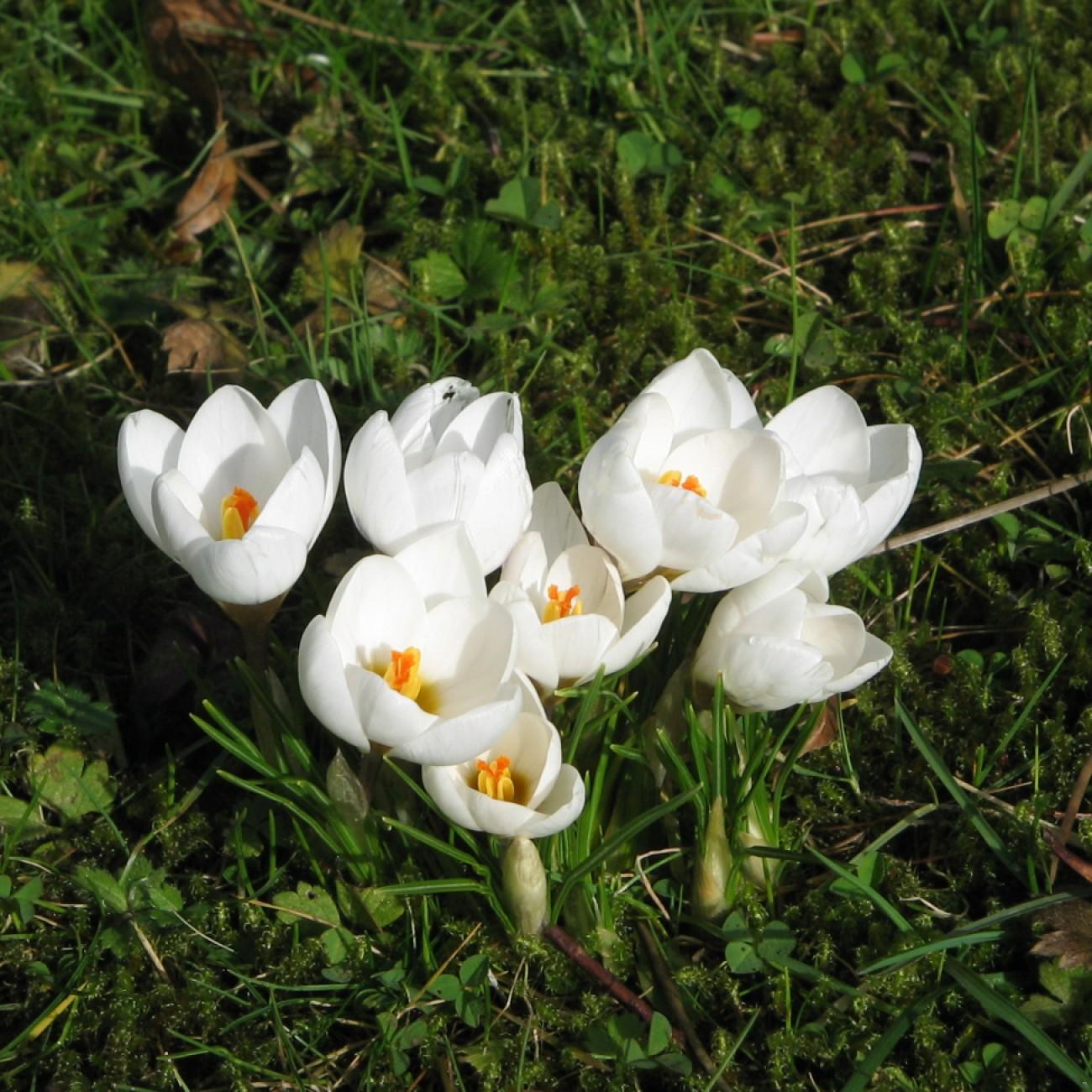
Crocus chrysanthus: Complete Care, Cultivars, and Growing Guide
Learn all about Crocus chrysanthus, the early-blooming snow crocus, including care tips, popular cultivars, and how to grow these pet-safe spring flowers.
2026-07-07 · 13 min read
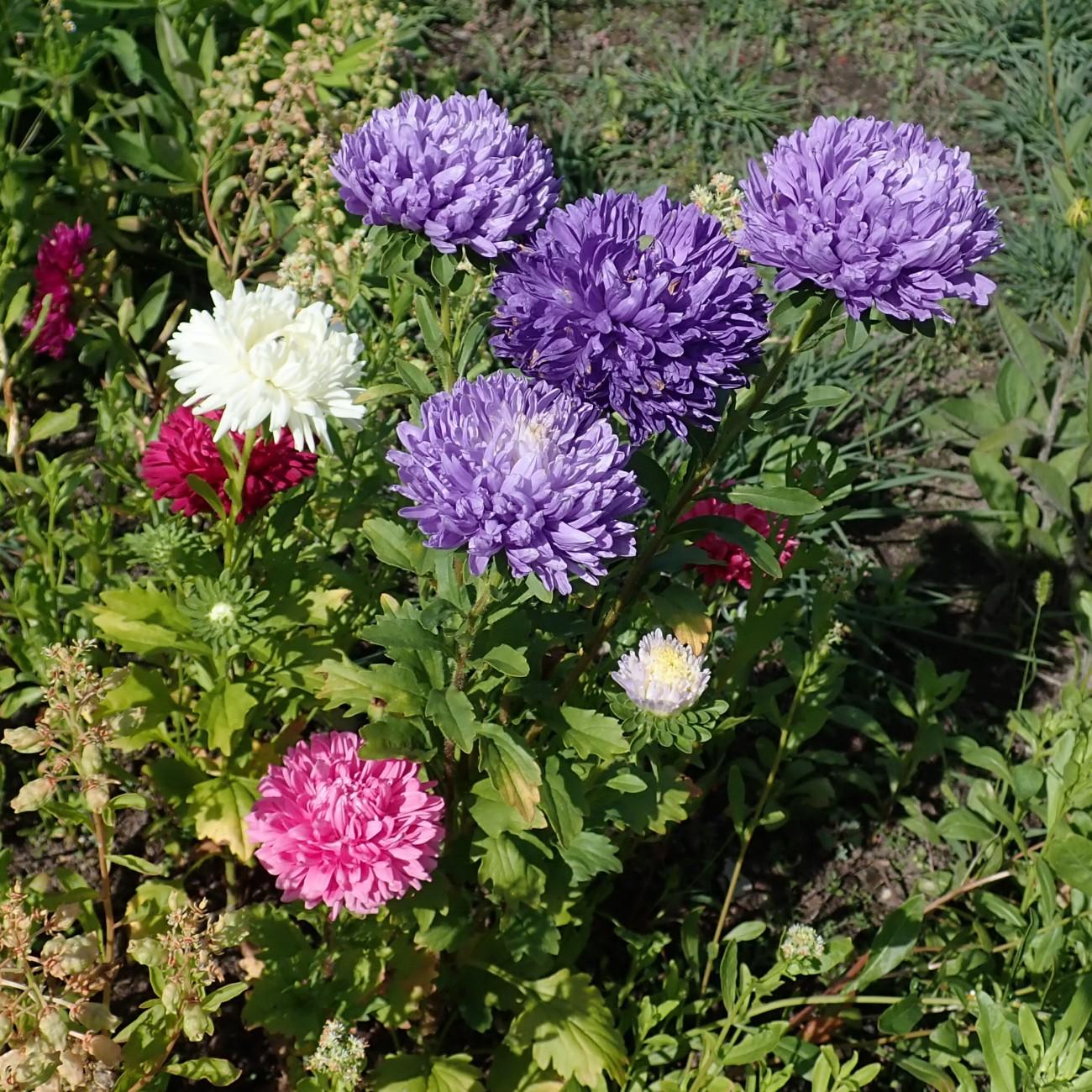
China Aster: Complete Care, Growing Guide, and Varieties
Learn how to grow and care for China aster (Callistephus chinensis), a pet-safe, full-sun flower that delivers long-lasting garden color for months.
2026-07-04 · 17 min read
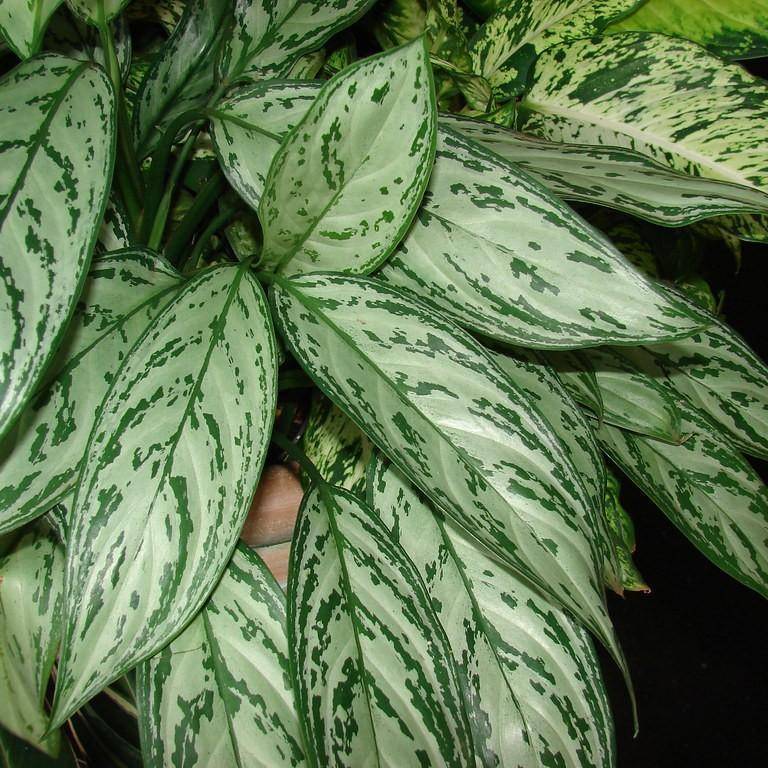
Chinese Evergreen: Care Guide, Varieties, and Growing Tips for Aglaonema
Learn how to care for Chinese evergreen (Aglaonema) houseplants, plus top varieties, troubleshooting tips, and pet safety details for this low-fuss indoor plant.
2026-07-04 · 14 min read