Katie Ruellia Care, Identification, and Growing Guide for Beginner Gardeners
Learn all about katie ruellia, including how to identify this popular flowering plant, care for it, and help it thrive in your yard or container garden.
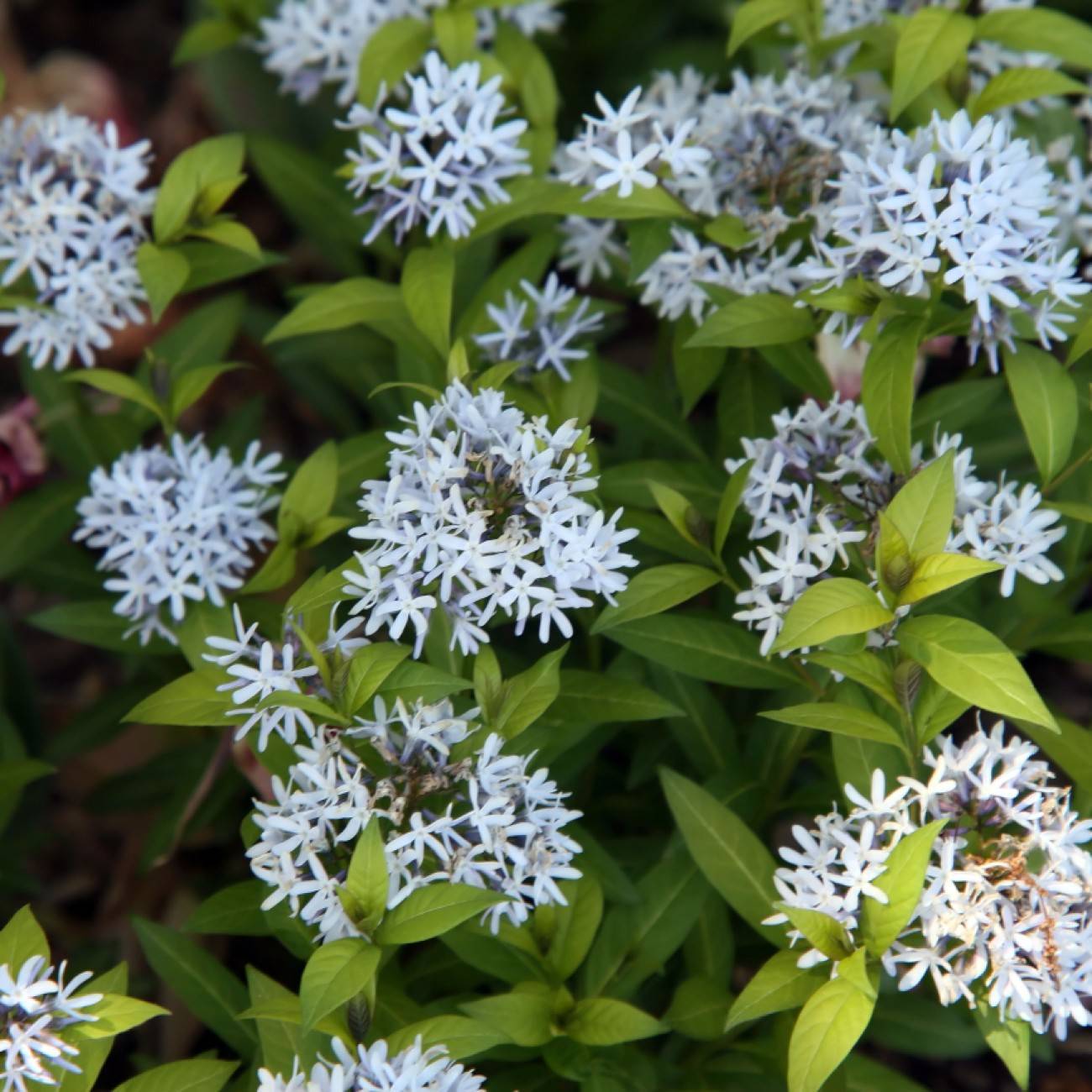
If you’re looking for a low-fuss, long-blooming plant to fill gaps in your garden or add color to container plantings, katie ruellia is a reliable option worth considering. This guide covers everything you need to know to identify, grow, and care for this popular perennial, whether you search for it by its common name or the less common reverse ordering, ruellia katie.
What Is Katie Ruellia? Common Name Basics
This low-growing, flowering perennial is widely used as ground cover or in container plantings across warm climate regions. It belongs to the Ruellia genus, a group of dozens of flowering species native to warm tropical and subtropical regions, known for their hardy growth and colorful blooms.
You may also see this plant labeled as ruellia katie at garden centers or in online planting guides. These two terms are simply reverse orderings of the same common name, used interchangeably by gardeners and retailers to refer to the same cultivar. If you spot a low-growing flowering plant that matches the general description and are unsure of its identity, you can use the Sproutly app to snap a photo for fast identification to confirm it is this variety before planting.
For more tips on selecting easy-care spreading plants, check out our beginner’s guide to low-maintenance ground cover plants.
Key Identifying Features
Katie ruellia has a distinct set of visual traits that make it easy to recognize, even for new gardeners.
- Small, trumpet-shaped flowers in shades of purple, pink, or white, which bloom consistently from late spring through early fall
- Narrow, elongated green foliage that forms a dense mat as the plant spreads
- A low, compact growth habit that rarely reaches more than 6 to 12 inches tall, with a spread of 12 to 18 inches per plant
Some specialized cultivars may have slightly different bloom colors or leaf shapes, so if you are trying to distinguish it from similar low-growing flowering ground covers, Sproutly can help you confirm its identity with a quick photo upload. You can also learn more about selecting plants suited to your area in our guide on how to use plant identification to pick the right perennials for your zone.
Ideal Growing Conditions
Ruellia katie is a heat-tolerant, adaptable plant that thrives in a wide range of growing conditions, as long as its basic needs are met.
- Light: It grows best in full sun to partial shade, with at least 4 to 6 hours of direct sunlight per day for the most abundant blooms.
- Soil: It prefers well-draining soil of any fertility level, and can tolerate sandy or rocky soil that many other plants struggle in.
- Climate: It is hardy in USDA hardiness zones 8 through 11, where it will grow as a perennial year-round. In cooler zones, it can be grown as an annual for summer color, or overwintered indoors in a container.
To keep track of your plant’s specific needs based on your location, you can log your specimen in the Sproutly app to get customized care reminders tailored to your local climate and growing conditions.
Essential Care Routine
One of the biggest benefits of katie ruellia is its low-fuss care routine, which makes it ideal for new gardeners or anyone looking to reduce garden maintenance.
- Watering: Water deeply only when the top 1 to 2 inches of soil feel dry to the touch. Once established, this perennial is drought-tolerant and only needs occasional watering during extended dry periods. Overwatering is the most common mistake new growers make, so reference our beginner’s guide to watering outdoor plants correctly for best practices.
- Fertilizing: Fertilize sparingly once per year in early spring with a balanced, general-purpose fertilizer. Too much fertilizer will encourage excess foliage growth at the expense of blooms.
- Pruning: Prune back lightly in late winter or early spring before new growth emerges to remove any dead or damaged foliage and encourage bushier, more uniform growth.
This hardy plant rarely has serious pest or disease issues, so you won’t need to spend time on frequent treatments or preventative care for most growing seasons.
Common Garden Uses
Thanks to its compact growth and long bloom period, this flowering ground cover works well in a variety of garden settings.
- Ground cover along walkways, paths, or between stepping stones, where its low height won’t obstruct foot traffic
- Filler plant in rock gardens, where it can thrive in the rocky, fast-draining soil
- Border edging for flower beds, to add a consistent pop of color around taller perennials or shrubs
- Container plantings, including hanging baskets, window boxes, and patio planters, where its spreading growth will trail over the edges of the container
Its ability to attract pollinators also makes it a great addition to wildflower or pollinator garden designs.
Troubleshooting Common Issues
While katie ruellia is largely problem-free, there are a few small issues you may encounter during the growing season, all with simple fixes.
- Yellowing leaves: This is almost always caused by overwatering or poorly draining soil. Let the soil dry out completely before watering again, and amend heavy clay soil with compost or sand to improve drainage if needed.
- Sparse blooms: If your plant is producing lots of foliage but few flowers, it is likely getting too much shade. Move container-grown plants to a sunnier spot, or trim back overhanging branches that are blocking sunlight to in-ground plantings.
- Aphid infestations: Small green aphids may occasionally cluster on new growth. They can be treated by spraying the plant with a strong stream of water to knock them off, or with neem oil or gentle insecticidal soap for more persistent infestations.
If you notice unusual discoloration, spots, or pest damage that you can’t identify, upload a photo of your plant to Sproutly for fast diagnosis and targeted care recommendations.
Frequently Asked Questions
Is there a difference between katie ruellia and ruellia katie?
No, these two terms are just reverse orderings of the same common plant name. Both refer to the same low-growing, flowering Ruellia cultivar popular for ground cover and container plantings.
Does this plant attract pollinators?
Yes, the trumpet-shaped flowers often attract butterflies, bees, and hummingbirds to gardens, making it a great addition to pollinator-friendly planting designs.
Can I grow ruellia katie in a container?
Absolutely. Its low, spreading growth habit works well in hanging baskets, window boxes, and standalone container planters, as long as the container has drainage holes to prevent overwatering.
Ready to add more colorful, low-maintenance plants to your garden, or get help caring for the ones you already have? Try Sproutly today to access fast plant identification, customized care reminders, and expert troubleshooting tips for all your indoor and outdoor plants. Head to heysproutly.com to learn more.
Gerelateerde lectuur
Meer gidsen die je misschien leuk vindt
Hamamelis Mollis (Chinese Witch Hazel): Complete Grow & Care Guide
Learn to grow, care for, and enjoy Hamamelis mollis (Chinese witch hazel), a fragrant winter-blooming shrub with vibrant autumn foliage for temperate gardens.
2026-07-26 · 12 min read
Japanese Maple Plant Description: Key Details for Iijima Sunago, Select Red, and Popular Cultivars
Get clear, beginner-friendly descriptions of Japanese maple trees, including specific details for Iijima Sunago and Select Red cultivars, plus care and pruning tips.
2026-07-26 · 8 min read
Flowering Crabapple: Grow Guide, Cultivars, and Landscape Uses
Learn to grow and care for flowering crabapple trees, with tips on cultivar selection, bloom care, disease resistance, and using their edible fruit and seasonal foliage.
2026-07-25 · 11 min read