Elaeagnus ebbingei (Oleaster): Complete Care, Identification, and Growing Guide
Learn to grow, care for, and identify Elaeagnus ebbingei, a hardy, pet-safe evergreen shrub with silvery foliage, fragrant flowers, and edible berries.
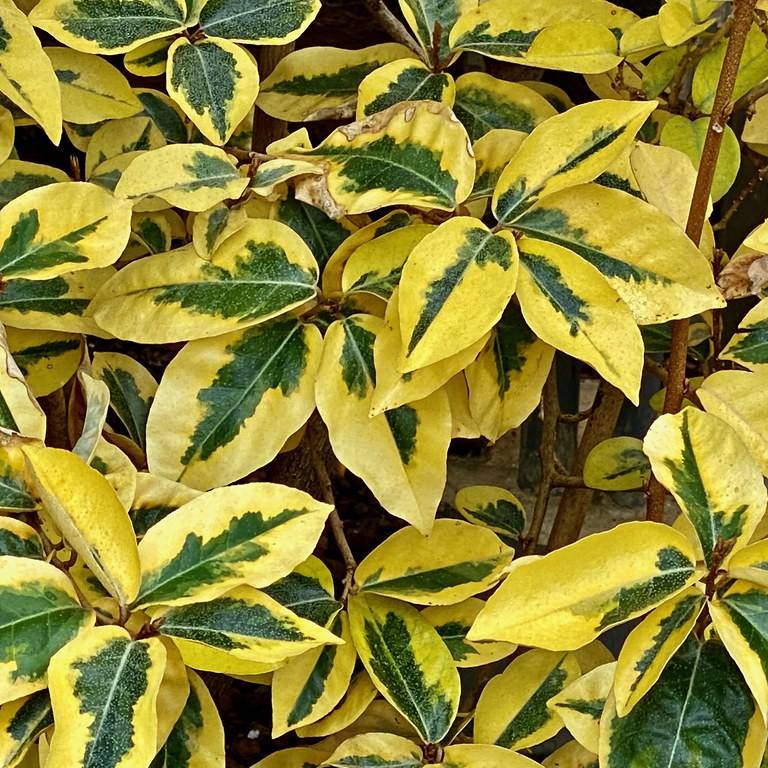
Elaeagnus ebbingei (Oleaster): Complete Care, Identification, and Growing Guide
Elaeagnus ebbingei is a hardy, evergreen hybrid shrub valued for silvery foliage, fragrant late-fall flowers, edible spring berries, nitrogen-fixing soil benefits, and pet-safe status. It thrives in poor soils, coastal conditions, and exposed sites, making it versatile for most temperate landscapes.
What Is Elaeagnus ebbingei? Key Identification Features
Elaeagnus ebbingei, commonly called Ebbing’s silverberry or oleaster, is a dense evergreen shrub in the Elaeagnaceae family, a hybrid of Elaeagnus macrophylla and Elaeagnus pungens. It grows 8 to 10 feet tall and 10 to 15 feet wide at maturity, with narrow, silvery-gray foliage that retains its color year-round. If you are unsure if a shrub is Elaeagnus ebbingei, snap a photo and upload it to Sproutly for fast, accurate identification.
Foliage, Flower, and Fruit Characteristics
Identify Elaeagnus ebbingei by its small, bell-shaped creamy-white flowers that bloom in late fall, producing a strong, sweet fragrance, followed by small, red-orange edible berries in spring. The upper surface of its leaves has a distinct silvery sheen, while the underside is covered in tiny brown scales, a feature unique to many Elaeagnus species but more pronounced on this hybrid. Unripe berries have a tart, astringent flavor that softens to a sour cherry-like sweetness once fully ripe in mid to late spring.
Elaeagnus ebbingei Taxonomy and Common Synonyms
Synonyms for this species include Elaeagnus × ebbingei (the official hybrid cross notation) and Ebbing’s oleaster. It is often mislabeled as Russian olive or autumn olive in nurseries, so cross-reference identification features before purchasing. Unlike many of its close relatives, this hybrid is not considered invasive in most U.S. states, as it produces fewer viable seeds than non-hybrid Elaeagnus species. You can confirm your shrub’s identity and learn about related varieties in the Elaeagnus species catalog.
Ideal Growing Position for Elaeagnus ebbingei
Elaeagnus ebbingei grows best in full sun, which supports maximum flower and fruit production, though it tolerates partial shade in hotter climates. It is wind- and salt-tolerant, making it a good choice for coastal landscapes, roadside hedges, or exposed garden beds. It does not require shelter from cold winds, even in the coldest parts of its hardiness range, so it works well as a windbreak for more delicate plants.
Sunlight Requirements
For sun exposure, aim for 6+ hours of direct sunlight per day. In regions with summer temperatures consistently above 90°F, partial afternoon shade will prevent leaf scorch, though it will still grow in full sun in these areas with sufficient water during establishment. Shrubs grown in less than 4 hours of direct sun will become sparse, produce fewer flowers, and may develop leggy growth.
Hardiness Zone Compatibility
In USDA hardiness zones 6 to 9, it grows as a true evergreen; in zone 5, it may lose some foliage in harsh winters but will regrow in spring. It can survive short periods of temperatures as low as -10°F, though extended cold below this threshold may cause dieback of younger branches. Avoid planting it in low-lying areas that collect standing water, as this can lead to root rot. If you are unsure your region is suitable, log your location in Sproutly to get a customized hardiness check for Elaeagnus ebbingei.
Elaeagnus ebbingei Soil Requirements
Elaeagnus ebbingei thrives in most well-drained soil types, including sandy, loam, clay, and nutrient-poor soils that other shrubs struggle in. It tolerates a pH range of 5.5 to 8.0, so it grows well in both slightly acidic and alkaline soils. It even performs well in saline soils common near coastlines or roads treated with de-icing salt, where most other ornamental shrubs will fail.
Preferred Soil pH and Texture
While it adapts to most textures, the optimal soil for Elaeagnus ebbingei is loose, well-drained loam with moderate organic matter content. If your soil is heavy clay, mix 2 inches of compost into the planting hole to improve drainage. You do not need to add nitrogen fertilizer at planting, as the shrub produces its own. Even in soils with very low nutrient content, it will establish and grow steadily without amendments, as long as drainage is adequate.
Nitrogen-Fixing Soil Benefits
Unlike most garden shrubs, Elaeagnus ebbingei is a nitrogen-fixing plant, meaning it forms symbiotic relationships with soil bacteria to pull nitrogen from the air and store it in its root nodules. This makes it a useful companion plant for nitrogen-hungry vegetables or fruit trees, as it improves soil fertility over time without added fertilizer. When planted as a hedge, it will gradually increase nitrogen levels in the surrounding soil, supporting healthier growth of neighboring plants without the need for regular synthetic fertilizer applications. Sproutly can recommend companion plants that pair well with Elaeagnus ebbingei for your specific garden layout.
Mature Size and Growth Rate of Elaeagnus ebbingei
At maturity, Elaeagnus ebbingei reaches a maximum height of 8 to 10 feet and a maximum spread of 10 to 15 feet when left unpruned. It has a moderate growth rate of 12 to 24 inches per year, so it establishes quickly as a hedge or privacy screen. Unlike faster-growing hedge species such as leylandii, it does not require frequent pruning to maintain a neat shape, making it lower maintenance for most gardeners.
Max Height and Spread
The shrub’s naturally rounded, dense growth habit means it forms a solid screen even with minimal pruning, with branches extending all the way to the ground for full privacy. Dwarf cultivars, which are less commonly available, top out at 4 to 6 feet tall and wide, making them suitable for smaller garden spaces or container growth. Standard varieties will reach their full mature size in 5 to 8 years, depending on growing conditions.
Pruning Tips for Shape and Size Control
Prune it in late spring after flowering ends to maintain a compact shape, or to trim it into a formal hedge. You can remove up to 1/3 of the shrub’s growth each year without damaging it; remove any dead, damaged, or crossing branches first to improve air circulation. If you want to encourage fruit production, avoid heavy pruning in fall, as this will remove the flower buds that develop before winter. For formal hedges, prune twice a year, once in late spring and again in mid-summer, to keep edges sharp and prevent overgrowth. Log your pruning dates in Sproutly to get reminders for the best time to trim your Elaeagnus ebbingei each year.
Ongoing Care for Elaeagnus ebbingei
Elaeagnus ebbingei is drought-tolerant once established, requiring water only during extended periods of 2+ weeks without rain. For the first year after planting, water it deeply once per week to help it develop a strong root system. It is extremely low-maintenance overall, with few pest or disease issues, and it requires almost no inputs to thrive once established.
Watering Schedule
Once rooted, it can survive up to 4 weeks without rain in moderate temperatures, though it will benefit from a deep watering every 2 weeks during extended heatwaves above 95°F. Overwatering is the most common cause of health issues for this shrub, so err on the side of underwatering once it is established. Container-grown specimens will need more frequent watering, as potted soil dries out faster; water when the top 3 inches of soil feel dry to the touch. Sproutly can send you customized watering reminders for your Elaeagnus ebbingei based on your local rainfall and temperature data.
Fertilizer Needs
Fertilizer is rarely needed; if growth is stunted, apply a balanced slow-release fertilizer once in early spring. Avoid high-nitrogen fertilizers, as the shrub’s nitrogen-fixing ability means it already has access to more than enough nitrogen, and excess nitrogen can lead to soft, leggy growth that is more susceptible to winter damage. If you plant it in very poor, sandy soil, a single application of compost or well-rotted manure once every 2 to 3 years will provide all the nutrients it needs.
Pest and Disease Resistance
The shrub is highly resistant to most pests and diseases, though it may occasionally attract spider mites in hot, dry indoor conditions (it is not suited for long-term indoor growth). Outdoor specimens are almost never affected by pest infestations, as their tough, scaly foliage is unappealing to most common garden pests such as aphids and whiteflies. No regular pest treatments are required, but you can spray foliage with neem oil if you notice webbing or yellowing leaves from spider mites on indoor or potted specimens.
Elaeagnus ebbingei Safety and Uses
Elaeagnus ebbingei is pet-safe, so it is a good choice for yards with dogs or cats that chew on foliage. Its berries are edible for humans, with a tart, sweet flavor similar to sour cherries; they can be eaten raw, made into jams, or dried for use in teas. All parts of the shrub are non-toxic, so there is no risk of poisoning if children or pets ingest leaves, flowers, or berries.
Pet and Human Safety
Unlike its close relative autumn olive (Elaeagnus umbellata), which is toxic to pets, Elaeagnus ebbingei has no recorded toxic effects for dogs, cats, or humans. The berries are safe to eat raw, though their high pectin content makes them ideal for jams, jellies, and fruit leathers. Always wash berries thoroughly before eating, especially if they are grown near roads treated with de-icing salt or sprayed with garden chemicals.
Medicinal and Culinary Uses
Traditional medicinal uses for Elaeagnus ebbingei include using leaf extracts to reduce inflammation and soothe sore throats, and berries as a source of vitamin C and antioxidants. Studies have found the berries contain high levels of flavonoids and essential fatty acids, though more research is needed to confirm their therapeutic benefits. Always consult a healthcare provider before using any plant for medicinal purposes. In the kitchen, the tart berries can be used as a substitute for cranberries in sauces, or fermented into wine or vinegar.
Landscaping Applications
Common landscaping uses include privacy hedges, windbreaks, coastal plantings, and ornamental accent shrubs for their year-round silvery foliage. Their dense growth habit makes them effective sound barriers for properties near busy roads, and their salt tolerance makes them one of the few evergreen shrubs that thrive in beachfront landscapes. They also work well as a backdrop for perennial flower beds, where their silvery foliage contrasts with bright green or flowering plants. If you need help planning a hedge layout, Sproutly can calculate how many Elaeagnus ebbingei shrubs you need based on your desired hedge length.
Elaeagnus ebbingei vs. Common Lookalike Species
Many Elaeagnus species are sold under the common name "oleaster", so it is important to differentiate them to avoid planting toxic or invasive varieties. Autumn olive (Elaeagnus umbellata), for example, is toxic to pets and classified as invasive in 30 U.S. states, so it is not a suitable alternative to Elaeagnus ebbingei. Misidentification can lead to unintended spread of invasive species or toxic plants in your yard, so always verify the botanical name when purchasing.
Elaeagnus ebbingei vs. Autumn Olive (Elaeagnus umbellata)
Autumn olive is a deciduous shrub that loses its leaves in winter, unlike the evergreen Elaeagnus ebbingei. It produces berries in fall instead of spring, and its leaves have a more silvery underside with fewer brown scales. Most critically, autumn olive is classified as a noxious weed in many regions, as its abundant seeds spread rapidly via bird droppings, outcompeting native plants. It is also toxic to dogs and cats, so it is not a safe choice for pet-friendly yards.
Elaeagnus ebbingei vs. Russian Olive (Elaeagnus angustifolia)
Russian olive (Elaeagnus angustifolia) is a small tree that grows up to 30 feet tall, with narrower leaves and thorns, unlike the mostly thornless Elaeagnus ebbingei. It produces yellow, olive-like fruit in fall, and its branches have a distinctive reddish-brown bark. Russian olive is also considered invasive in many central and western U.S. states, as it spreads quickly in riparian areas and disrupts native ecosystems. It is much larger than Elaeagnus ebbingei, so it is not suitable for small yards or formal hedges.
Elaeagnus ebbingei vs. Thorny Olive (Elaeagnus pungens)
Thorny olive (Elaeagnus pungens) has sharp thorns along its stems, making it a less ideal choice for areas with children or pets. It blooms in spring instead of fall, and its leaves have a darker green upper surface with less silvery sheen than Elaeagnus ebbingei. While thorny olive is not generally considered invasive, its thorns can cause injury, and it requires more careful handling during pruning. If you purchase a shrub labeled as "oleaster" and are unsure of the exact species, upload a photo to Sproutly to confirm it is Elaeagnus ebbingei before planting. You can also browse our full Elaeagnus species catalog to compare features side by side.
Troubleshooting Common Elaeagnus ebbingei Problems
Elaeagnus ebbingei is a very hardy shrub, but a few common issues can impact its growth. Yellowing leaves are almost always caused by overwatering or poorly drained soil, so reduce your watering frequency and check that the planting site does not collect standing water after rain. Most issues can be resolved quickly with minor adjustments to care or planting location, as the shrub is highly resilient.
Yellowing Leaves
If leaves turn yellow and drop off, first check the soil moisture: if the top 2 inches of soil feel soggy, stop watering until the soil dries out completely. In severe cases of overwatering, you may need to dig up the shrub and replant it in a better-drained location, or amend the soil with sand or gravel to improve drainage. Yellowing leaves with brown edges may also be a sign of salt burn in coastal areas or near treated roads, which can be remedied by deep watering to leach excess salt from the soil.
No Flowers or Fruit
A lack of flowers or fruit is usually caused by too much shade, or heavy pruning in fall that removes developing flower buds. Move potted specimens to a sunnier spot, or prune only in spring after flowering ends to encourage blooms the following year. Young shrubs may also not produce flowers or fruit for the first 2 to 3 years after planting, as they focus on establishing their root system. If your shrub is older than 3 years and still not blooming, test your soil for phosphorus deficiency, as low phosphorus levels can prevent flower formation even in otherwise healthy plants.
Winter Foliage Loss
Foliage loss in winter is normal in zones colder than 6, or during extended periods of temperatures below -10°F. The shrub will regrow leaves in spring; you can prune back any dead branches once new growth appears. If your shrub experiences significant dieback in winter, you can cut it back to 1 foot above the ground in early spring, and it will regrow a full, dense shrub by the end of the growing season. To reduce winter damage in zone 5, you can wrap the shrub in burlap during the coldest months, or plant it near a south-facing wall for extra heat retention. If you are troubleshooting an issue you cannot identify, upload photos of your shrub to Sproutly for a personalized diagnosis and care fix.
Where to Buy Elaeagnus ebbingei and Planting Tips
Purchase Elaeagnus ebbingei from reputable nurseries that label plants by their botanical name to avoid misidentified lookalikes. Look for shrubs with no yellowing leaves, no visible pest damage, and a well-developed root system if you are purchasing a bare-root plant. Avoid purchasing plants that are root-bound in their pots, as they may struggle to establish once planted, or may have stunted growth.
What to Look for When Purchasing
Bare-root plants should have firm, light-colored roots with no signs of rot or mold, and no broken or damaged branches. Container-grown plants should have foliage that extends all the way to the base of the shrub, with no bare lower branches, which can indicate poor light conditions during nursery growth. If possible, purchase plants in fall, which is the optimal planting time for this shrub, as it allows the root system to establish over winter before spring growth begins.
Step-by-Step Planting Instructions
To plant, dig a hole twice as wide and the same depth as the root ball. Place the shrub in the hole so the top of the root ball is level with the surrounding soil, then backfill with native soil (no need to amend with compost unless soil is very heavy clay). Water deeply after planting, and add 2 inches of wood chip mulch around the base to retain moisture and suppress weeds. Keep the mulch 2 inches away from the shrub’s trunk to prevent rot. Space shrubs 5 to 6 feet apart if planting a hedge, or 10 to 15 feet apart for individual accent plants. After planting, add your Elaeagnus ebbingei to your Sproutly plant library to get ongoing care reminders and seasonal tips tailored to your growing location.
Frequently Asked Questions
Is Elaeagnus ebbingei evergreen?
Elaeagnus ebbingei is evergreen in USDA hardiness zones 6 to 9. In zone 5 or areas with harsh winters below -10°F, it may lose some foliage temporarily but will regrow leaves in spring.
How tall does Elaeagnus ebbingei grow?
Elaeagnus ebbingei reaches a mature height of 8 to 10 feet and a spread of 10 to 15 feet when left unpruned. It grows 12 to 24 inches per year, so it establishes quickly as a hedge or screen.
Is Elaeagnus ebbingei toxic to dogs?
No, Elaeagnus ebbingei is pet-safe, so it is non-toxic to dogs, cats, and humans. Its berries are edible and have a tart, sweet flavor similar to sour cherries.
What is the common name for Elaeagnus ebbingei?
Common names for Elaeagnus ebbingei include Ebbing’s silverberry, oleaster, and Ebbing’s oleaster. It is often mislabeled as Russian olive or autumn olive in nurseries, so verify by botanical name when purchasing.
Does Elaeagnus ebbingei fix nitrogen?
Yes, Elaeagnus ebbingei is a nitrogen-fixing shrub, meaning it pulls nitrogen from the air and stores it in root nodules to improve soil fertility over time. It thrives in poor, low-nitrogen soils without added fertilizer.
Try Sproutly
Need help identifying an Elaeagnus shrub, troubleshooting yellowing leaves, or remembering when to prune your hedge? Sproutly’s plant identification and care tools make growing Elaeagnus ebbingei simple, with customized reminders tailored to your location and specific plant needs. Add your Elaeagnus ebbingei to your plant library today to get started: https://heysproutly.com
Gerelateerde lectuur
Meer gidsen die je misschien leuk vindt
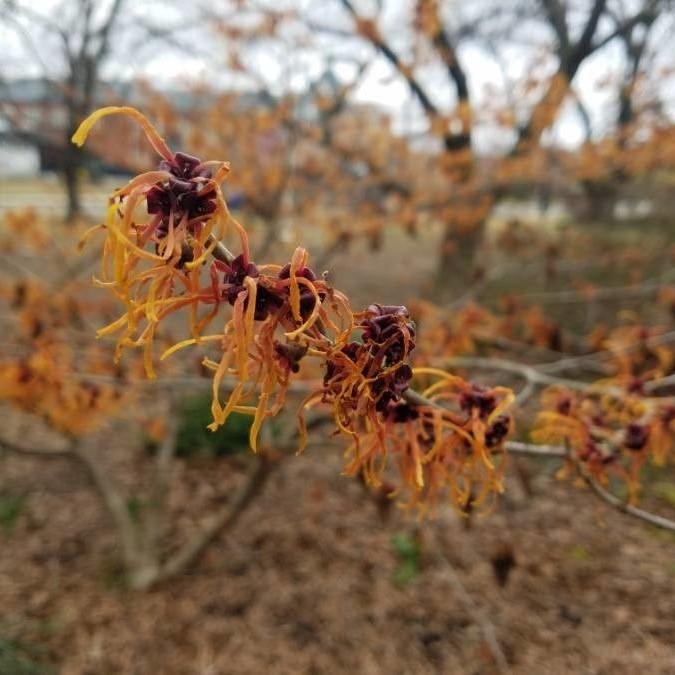
Hamamelis Mollis (Chinese Witch Hazel): Complete Grow & Care Guide
Learn to grow, care for, and enjoy Hamamelis mollis (Chinese witch hazel), a fragrant winter-blooming shrub with vibrant autumn foliage for temperate gardens.
2026-07-26 · 12 min read
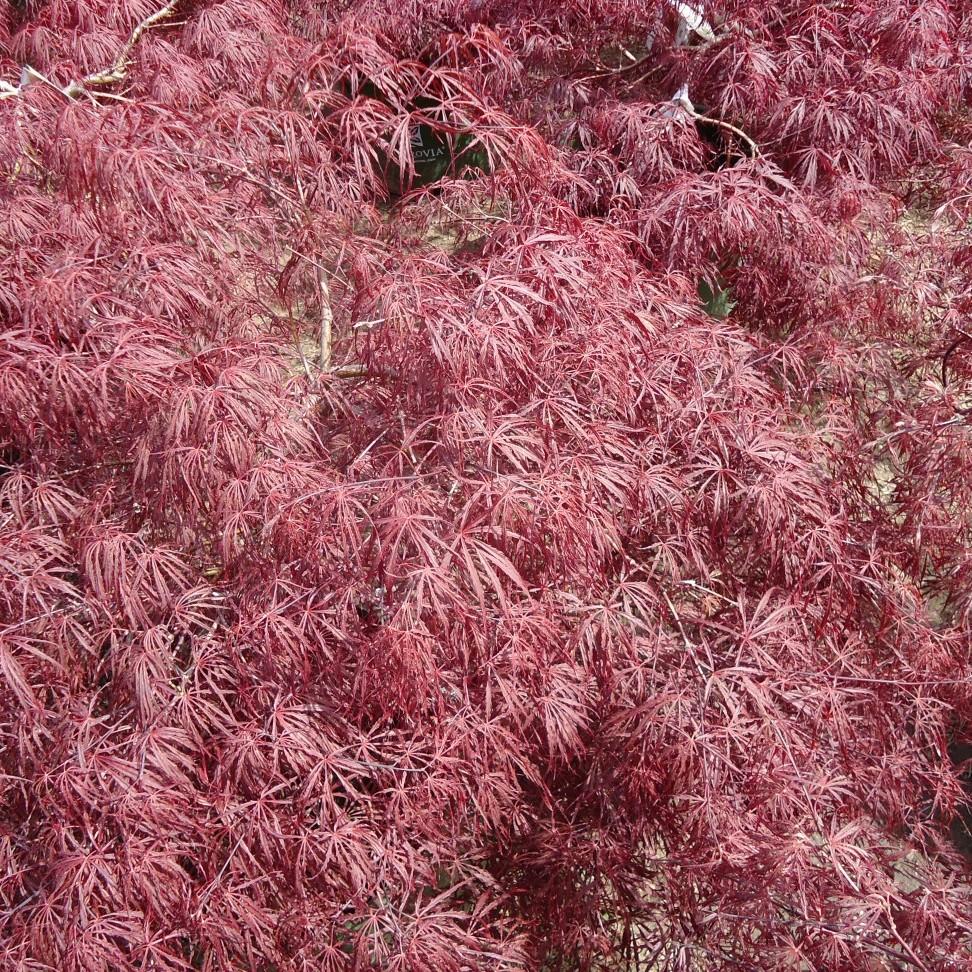
Japanese Maple Plant Description: Key Details for Iijima Sunago, Select Red, and Popular Cultivars
Get clear, beginner-friendly descriptions of Japanese maple trees, including specific details for Iijima Sunago and Select Red cultivars, plus care and pruning tips.
2026-07-26 · 8 min read
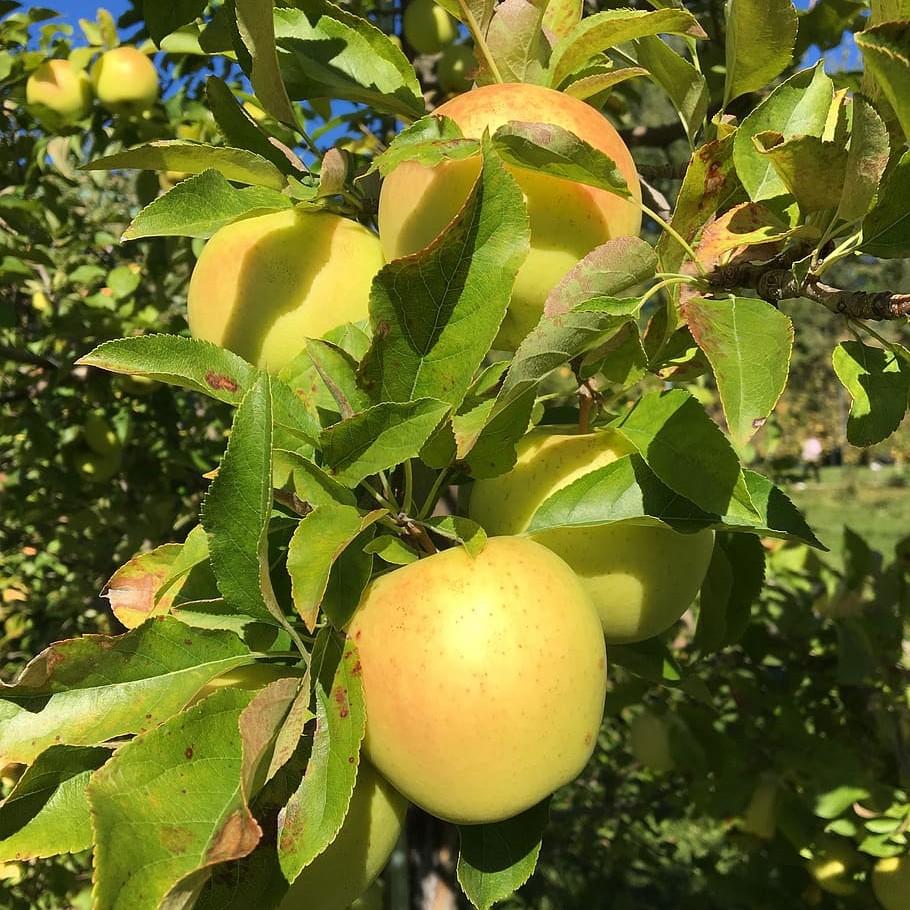
Flowering Crabapple: Grow Guide, Cultivars, and Landscape Uses
Learn to grow and care for flowering crabapple trees, with tips on cultivar selection, bloom care, disease resistance, and using their edible fruit and seasonal foliage.
2026-07-25 · 11 min read