Giant Lily: Identification, Care, Growing Tips, and Popular Varieties
Learn all about the giant lily (Cardiocrinum giganteum), including its care needs, growing zones, popular varieties, and how to support its towering, fragrant blooms in your garden.
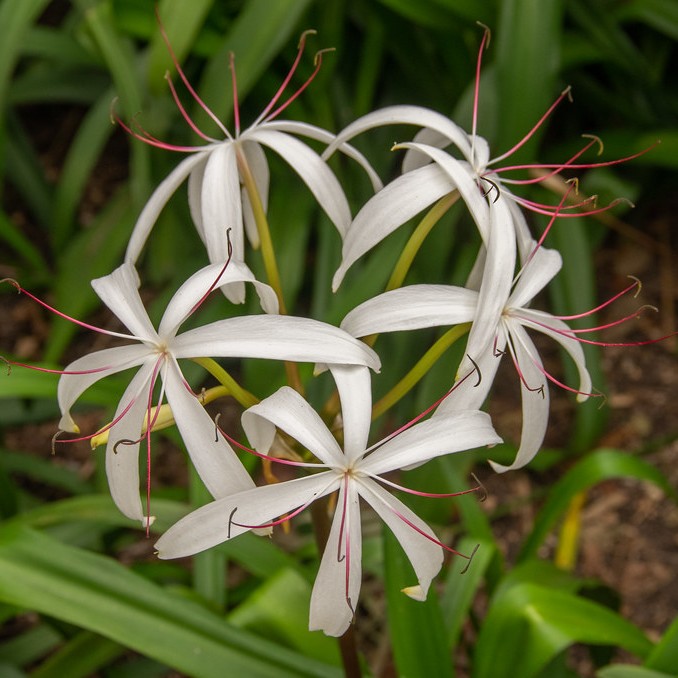
Giant Lily: Identification, Care, Growing Tips, and Popular Varieties
The giant lily refers to two distinct garden plant groups: the true wild Giant Himalayan Lily (Cardiocrinum giganteum), which reaches 8–12 feet tall and blooms once every 5–7 years, and large hybrid Orienpet lily cultivars that grow 4–7 feet tall and bloom annually 12–16 weeks after spring planting. True varieties are native to Himalayan and Yunnan temperate forests, while hybrids are bred for reliable garden performance.
What Is a Giant Lily? Core Identification Traits
The giant lily classification covers two non-interchangeable groups, which are often mislabeled in garden centers. True giant lilies (Cardiocrinum giganteum) produce broad, heart-shaped foliage that emerges in early spring, followed by a single tall stalk lined with 10–20 fragrant, 6–8 inch white trumpet flowers with purple interior streaks. Hybrid varieties sold under the giant lily name have narrow, lance-shaped lily foliage and produce clusters of 6–12 ruffled blooms in a range of colors.
To avoid misidentification, snap a photo of your plant with Sproutly, which will confirm if you have a true giant lily or a large hybrid cultivar, and provide tailored care guidance for your specific plant. True varieties take 5–7 years to store enough energy to bloom, and the main bulb dies back completely after flowering, leaving small offset bulbs to mature into new plants. Hybrid varieties bloom reliably every year once established.
If you are exploring other tall lily species for your garden, you may also be interested in our foxtail lily variety overview, which covers another tall, eye-catching flowering lily suitable for temperate growing zones.
Giant Lily Native Habitat and Preferred Growing Zones
True giant lilies evolved in the cool, moist, partial-shade understory of Himalayan and Yunnan mountain forests, where annual rainfall averages 60–80 inches and summer temperatures stay between 60–75°F. They grow best in USDA hardiness zones 6–9, as they require a 6–8 week cold dormant period in winter but cannot tolerate sustained temperatures below -10°F without heavy mulch protection.
Hybrid giant lily varieties tolerate zones 4–9 as long as bulbs are planted 6–8 inches deep in well-drained soil. Avoid planting true giant lilies in full sun, as their thin foliage will scorch and their short 7–14 day bloom window will be cut short by excess heat. If you live in a warmer zone above 9, you may have better luck with heat-tolerant lily species like those covered in our African lily care guide or Florida swamp lily growing tips.
Giant Lily Soil, Light, and Water Requirements
Giant lilies need loose, loamy, slightly acidic soil with a pH of 5.5–6.5, amended with leaf mold or compost to retain moisture without sogginess. Heavy clay soils will cause bulb rot within 1–2 growing seasons, so amend planting holes with 3–4 inches of perlite or coarse sand to improve drainage if your native soil is dense.
True varieties thrive in 4–6 hours of dappled morning sun and full afternoon shade, while most hybrid giant lilies tolerate 6–8 hours of full sun for more prolific blooms. Water true giant lilies 1–2 times per week during active growth to keep the top 6 inches of soil consistently damp, but reduce watering after blooms fade to prevent bulb rot. Hybrid varieties require watering 1 time per week during active growth, and can tolerate short periods of dry soil once established.
To find high-quality, true-to-type giant lily bulbs and other garden plants, review our Best Plant Website Picks for Reliable Bonnie Plants and Diverse Garden Varieties, which breaks down trusted sources for rare and common plant stock.
Popular True Giant Lily Varieties
The most widely grown true giant lily is the standard Cardiocrinum giganteum, with white blooms flushed purple on the inside and a strong, sweet fragrance that carries 20+ feet when in full bloom. Mature plants reach 8–12 feet tall, with stalks thick enough to require staking in windy areas to prevent breakage under the weight of blooms.
The Cardiocrinum giganteum var. yunnanense cultivar has slightly shorter 6–8 foot stems and paler pink-tinged blooms that are more tolerant of mild, drier summer conditions than the standard species. Both varieties are pet-safe, with no recorded toxic effects on dogs or cats if ingested in small amounts, making them a safe choice for gardens with outdoor pets. For more details on the species’ growth habits, visit our giant lily encyclopedia entry.
Common Giant Hybrid Lily Varieties to Grow
Many garden centers sell large hybrid lilies under the giant lily name, including Orienpet (OT) varieties bred for hardiness and oversized blooms. These hybrids are crosses between Oriental and Trumpet lilies, combining the large, fragrant blooms of Oriental lilies with the sturdy stems and heat tolerance of Trumpet lilies.
Popular hybrid options include:
- Giant Orienpet Lily Pretty Woman: Produces 8–12 creamy white, ruffled flowers on 4–6 foot stems with a light vanilla scent, and blooms for 10–14 days in mid-summer.
- Giant Orienpet Lily Conca d'Or: Has bright golden-yellow blooms that hold their color for 2–3 weeks in the garden, even in areas with moderate full sun exposure.
- Giant Orienpet Lily Anastasia: Features pale pink blooms with darker rose edges and a strong, sweet fragrance, growing 5–6 feet tall at maturity.
- Giant Orienpet Lily Corcovado: Produces rich deep orange blooms with slightly recurved petals, and is tolerant of slightly warmer growing zones than other Orienpet varieties.
- Giant Hybrid Lily Empoli: Has deep crimson blooms with white centers and a mild fragrance, growing 4–5 feet tall and blooming in late summer.
Most of these hybrids bloom annually 2–3 months after planting, unlike true giant lilies which take years to bloom for the first time. They are also more tolerant of full sun and a wider range of soil conditions, making them a better choice for beginner gardeners looking for reliable, fast-growing blooms.
How to Plant Giant Lily Bulbs for Successful Blooms
Plant true giant lily bulbs in early fall, 6–8 inches deep and 12–18 inches apart, with the pointed tip facing up, to give roots time to establish before winter frost. Planting too shallowly will expose the bulb to temperature fluctuations and reduce the chance of blooming, so measure planting depth carefully to avoid this common mistake.
Plant hybrid giant lily bulbs in early spring, after the last frost date in your area, for blooms the same summer. Add a 2-inch layer of pine straw or leaf mulch around the base of the plant after planting to regulate soil temperature and retain moisture, especially for true varieties that are accustomed to cool forest soil conditions. Use Sproutly to set custom planting and watering reminders tailored to your specific giant lily variety and local climate, so you never miss a critical care step.
Common Giant Lily Pests, Diseases, and Troubleshooting
Giant lilies are relatively low-maintenance, but they are susceptible to lily beetles, aphids, and bulb rot if grown in poorly drained soil. Lily beetles are bright red, ¼-inch long insects that lay orange eggs on the undersides of foliage, and their larvae will chew holes in leaves and stems, destroying a full plant in 1–2 weeks if left untreated.
Pick lily beetles off by hand at the first sign of damage, or use neem oil applied every 7–10 days until the infestation is gone. Aphids can be removed with a strong spray of water from a hose, or treated with insecticidal soap for heavy infestations. If your giant lily fails to bloom after 3+ years, it is likely receiving too much sun, too little water, or was planted too shallowly; true varieties often take 5–7 years to store enough energy to bloom for the first time, so be patient if your plant is still producing only foliage.
Giant Lily Companion Planting Ideas
Giant lilies pair well with low-growing, shade-tolerant plants that cover their lower foliage and keep soil cool without competing for nutrients. The tall, bare lower stems of true giant lilies benefit from the visual cover of shorter plants, which also help prevent soil moisture evaporation during warm summer months.
Good companion plants for true giant lilies include hostas, ferns, astilbes, and bleeding hearts, all of which thrive in the same partial-shade, moist soil conditions. For hybrid giant lilies grown in full sun, pair them with marigolds or cosmos to repel aphids and add complementary lower-height color to your garden bed. Avoid planting giant lilies near aggressive spreaders like ivy, which will smother their shallow root systems and compete for nutrients needed for growth and blooming.
Giant Lily Bloom Care and Post-Bloom Maintenance
Giant lily blooms last 7–14 days once fully open, depending on temperature and sun exposure. Cooler, shaded conditions will extend the bloom window, while temperatures above 80°F will cause blooms to fade faster. Stake stems over 6 feet tall with bamboo stakes to prevent them from bending or breaking under the weight of blooms, especially in windy areas.
After blooms fade, cut off the spent flower stalks but leave the foliage intact until it dies back naturally in fall, as the leaves will photosynthesize and store energy in the bulb for the next year’s growth. True giant lilies will die back completely after their first bloom, but they will produce small offset bulbs around the base of the main bulb that will grow into new flowering plants in 3–5 years. Leave these offsets in place to mature, or dig them up and transplant them to new areas of your garden in late fall after the parent plant has died back.
Frequently Asked Questions
How tall do giant lilies grow?
True giant lilies (Cardiocrinum giganteum) grow 8–12 feet tall at maturity, while hybrid giant lily varieties (like Orienpet types) typically reach 4–7 feet tall when fully grown.
Are giant lilies poisonous to pets?
True giant lilies (Cardiocrinum giganteum) are pet-safe, with no recorded toxic effects on dogs or cats. Note that other common lily species, like Asiatic lilies, are highly toxic to cats, so use Sproutly to confirm your plant’s identification if you have pets in your home.
How often do giant lilies bloom?
True giant lilies bloom once every 5–7 years, after the bulb has stored enough energy to produce a flower stalk. Hybrid giant lily varieties bloom annually, usually 12–16 weeks after spring planting.
What is the difference between a giant lily and a Giant Himalayan Lily?
Giant Himalayan Lily is the common name for the true wild giant lily species Cardiocrinum giganteum, native to the Himalayas and Yunnan province. The term "giant lily" can refer to this species or to large hybrid lily varieties sold under the same common name.
Can giant lilies be grown in containers?
Hybrid giant lilies can be grown in 10–15 gallon containers with drainage holes, as long as they receive enough sun and water. True giant lilies are not ideal for containers, as their deep root systems need space to spread and they take years to reach blooming size.
Try Sproutly
If you are unsure if your plant is a true giant lily or a hybrid cultivar, or if you notice early signs of pest damage or nutrient deficiency before it impacts bloom production, Sproutly can help. Snap a photo of your plant for fast, accurate identification, and access custom care reminders tailored to your specific variety and local climate. Get started with Sproutly today to keep your giant lilies and all your garden plants thriving.
관련 읽을거리
마음에 들 것 같은 더 많은 가이드
Emerald Queen Maple: Full Care, Growth, and Identification Guide
Learn how to grow and care for an emerald queen maple, including sun requirements, watering schedules, and common issues for this popular Norway maple cultivar.
2026-07-09 · 13 min read
Dendrobium Orchid Care, Types, and Growing Guide for Home Gardeners
Learn how to grow and care for dendrobium orchids, including light, water, and humidity needs, plus common types, troubleshooting, and safe handling for pet owners.
2026-07-08 · 17 min read
Downy Oak (Quercus pubescens): Identification, Care, Habitat, and Uses
Learn about downy oak (Quercus pubescens), a hardy Mediterranean deciduous tree valued for drought tolerance, wildlife support, and use in truffle cultivation.
2026-07-08 · 10 min read