Emerald Queen Maple: Full Care, Growth, and Identification Guide
Learn how to grow and care for an emerald queen maple, including sun requirements, watering schedules, and common issues for this popular Norway maple cultivar.
Emerald Queen Maple: Full Care, Growth, and Identification Guide
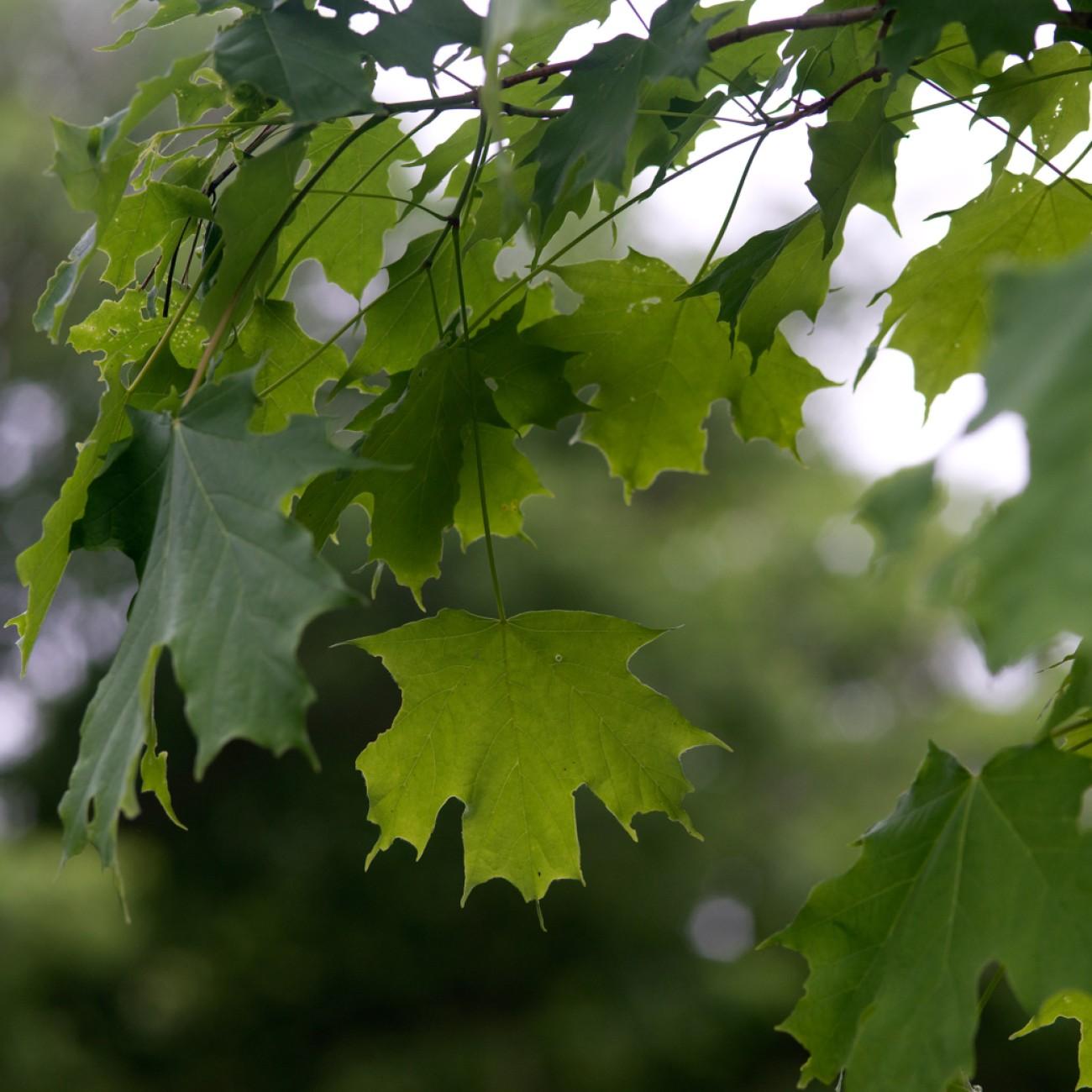
The emerald queen maple is a Norway maple cultivar (Acer platanoides 'Emerald Queen') grown for its glossy green foliage, fast growth rate, and tolerance for urban conditions. This deciduous shade tree is pet-safe, produces early spring flowers for pollinators, and thrives in full sun across USDA zones 3–7.
What Is an Emerald Queen Maple?
The emerald queen maple is a cultivar of Norway maple, with the botanical name Acer platanoides 'Emerald Queen'. It is a deciduous shade tree grown for its glossy, vivid green foliage that emerges 1–2 weeks earlier in spring than many other maple varieties. It is fully pet-safe, flowering, and thrives in outdoor full-sun conditions. For detailed species-specific traits, see the full Emerald Queen Norway Maple entry in the Sproutly plant encyclopedia.
Key Botanical Traits
All emerald queen maple trees share consistent, identifiable traits that set them apart from other maple species:
- Waxy, 5-lobed leaves that grow 4–7 inches wide
- Pale yellow spring flowers that appear before leaves fully unfurl
- Smooth, gray bark that develops shallow furrows as the tree matures
- Fall foliage turns a uniform pale yellow before dropping
- Mature height of 40–50 feet with a 30–40 foot wide, rounded canopy
If you are unsure if a tree you found is an emerald queen maple, upload a photo of its leaves or bark to Sproutly for fast, accurate identification.
How It Differs From Other Norway Maple Cultivars
As a selectively bred cultivar, the emerald queen maple has consistent advantages over seed-grown or other named Norway maple varieties:
- Faster growth rate than standard Norway maples, growing 2–3 feet per year in optimal conditions
- More resistant to leaf scorch than darker-leaved Norway maple cultivars like 'Crimson King'
- More uniform canopy shape than seed-grown Norway maples, which often have irregular, lopsided growth
Emerald Queen Maple Growth Rate and Mature Size
Emerald queen maples have a moderate to fast growth rate, putting on 2–3 feet of new growth annually when planted in ideal conditions. They reach their full mature size in 20–30 years, with a lifespan of 60–100 years with proper care. Their growth rate is slower than fast-growing species like Amur maple but significantly faster than most slow-growing hardwood shade trees.
Size by Age
You can expect your emerald queen maple to reach the following approximate heights at common growth milestones:
- 1 year after planting: 8–10 feet tall
- 5 years after planting: 15–20 feet tall
- 10 years after planting: 25–30 feet tall
- Mature: 40–50 feet tall, 30–40 foot wide canopy
Ideal Growing Conditions for Emerald Queen Maple
Emerald queen maples are adaptable to most temperate growing zones, thriving in USDA hardiness zones 3–7. They prefer full sun, consistent moisture, and well-draining soil, but can tolerate occasional drought and compacted soil once established. This hardiness makes them a popular choice for both residential yards and municipal street planting projects.
Light Requirements
Consistent sunlight supports dense foliage and steady growth for emerald queen maples:
- Full sun (6+ hours of direct sunlight daily) for best foliage color and growth
- Can tolerate partial shade (3–6 hours of direct sun) but will have a sparser canopy and may produce fewer spring flowers
Soil Preferences
Emerald queen maples are far more flexible about soil conditions than many other popular shade tree species:
- Adaptable to sand, loam, and clay soil types
- Prefers soil pH between 5.5 and 7.5
- Tolerates compacted soil and road salt better than many other shade tree species, making it a good choice for street planting
Temperature and Humidity Needs
These trees are well-suited to temperate climates with distinct seasons and moderate humidity:
- Thrives in average temperatures between 40°F and 80°F
- Can tolerate winter lows down to -40°F
- Prefers moderate to high humidity; if grown in dry regions, misting the foliage occasionally in summer can reduce leaf scorch risk
Log your local temperature and humidity levels in the Sproutly app to get customized watering reminders for your emerald queen maple. If you grow edible plants alongside your tree, you can also use the app to track care for unrelated species like the Cassava Plant: Complete Guide to Identification, Care, Uses, and Safety.
How to Plant an Emerald Queen Maple
Plant emerald queen maples in late fall or early spring, when the tree is dormant, to reduce transplant shock. Choose a planting location at least 15 feet away from buildings, sidewalks, and underground utility lines to accommodate its wide root system. Avoid planting in low-lying areas that collect standing water, as this can increase root rot risk.
Step-by-Step Planting Instructions
Follow these steps to ensure your new tree establishes a strong root system:
- Dig a hole 2–3 times as wide as the root ball and the same depth as the root ball. A wider hole encourages roots to spread out into the surrounding soil instead of circling the root ball.
- Loosen the soil around the edges of the hole to encourage root spread, especially if you are planting in compacted clay soil.
- Place the tree in the hole, making sure the top of the root ball is level with the surrounding soil. Planting too deep can suffocate roots and lead to trunk rot.
- Backfill the hole with the original soil, tamping it down gently to remove air pockets. Do not amend the soil with compost or other additives unless your native soil is extremely nutrient-poor, as this can discourage roots from spreading beyond the planting hole.
- Water thoroughly to settle the soil, then add a 2–3 inch layer of mulch around the base of the tree, keeping mulch 6 inches away from the trunk to prevent rot. Wood chips or shredded bark work well as mulch for this species.
- Water 1–2 times per week for the first growing season to help the tree establish roots. Adjust frequency based on rainfall; reduce watering during periods of heavy rain to avoid over-saturating the soil.
Emerald Queen Maple Care Routine
Once established, emerald queen maples require minimal routine care. Regular watering during extended drought, annual fertilization, and occasional pruning will keep the tree healthy and encourage dense, vibrant foliage. Most mature trees only need intervention during periods of extreme weather or if pest or disease symptoms appear.
Watering Schedule
Adjust your watering frequency based on the age of your tree and local rainfall levels:
- Newly planted trees: 1–2 inches of water per week, applied deeply to encourage deep root growth. Water slowly at the base of the tree to avoid runoff.
- Established trees: 1 inch of water every 10–14 days during periods of no rainfall. You do not need to water established trees during periods of regular rain.
- Avoid overwatering, as this can lead to root rot; check that the top 2–3 inches of soil are dry before watering again.
Fertilization Tips
Annual fertilization supports steady growth and vibrant foliage, but is only necessary for trees planted in average or low-nutrient soil:
- Fertilize once per year in early spring, before new growth emerges.
- Use a balanced, slow-release 10-10-10 fertilizer, applied at a rate of 1 pound per 100 square feet of root zone. The root zone extends roughly 1.5 times the width of the tree’s canopy.
- Avoid fertilizing newly planted trees for the first year, as this can burn tender new roots.
Pruning Guidelines
Pruning is only needed to remove damaged growth or improve air circulation in the canopy:
- Prune in late winter, while the tree is dormant, to remove dead, damaged, or crossing branches. Dormant pruning reduces the risk of disease transmission and pest infestation through fresh cuts.
- Thin out crowded branches every 3–5 years to improve air circulation and reduce disease risk. Focus on removing branches that rub against each other or grow inward toward the center of the canopy.
- Avoid heavy pruning, as this can stimulate excessive, weak new growth that is prone to breakage in wind or ice storms. Never remove more than 25% of the tree’s canopy in a single year.
Common Pests and Diseases Affecting Emerald Queen Maple
Emerald queen maples are relatively resistant to most common maple pests and diseases, but they can occasionally be affected by aphids, tar spot, and verticillium wilt. Early detection is key to preventing widespread damage to the tree. Inspect your tree’s leaves and bark monthly during the growing season to catch issues early.
Common Pests
Two primary pests target emerald queen maples, both of which are easy to control if caught early:
- Aphids: Small, soft-bodied insects that cluster on the undersides of leaves, causing yellowing and sticky honeydew residue. Control with a strong spray of water or insecticidal soap. Severe infestations rarely cause long-term damage to healthy, established trees.
- Scale insects: Tiny, immobile pests that attach to bark and leaves, sucking sap from the tree. Treat with horticultural oil applied during dormancy, which smothers the insects without harming beneficial pollinators.
If you notice unusual spots or damage on your emerald queen maple leaves, upload a photo to Sproutly to identify the issue and get targeted treatment recommendations.
Common Diseases
The two most common diseases affecting this cultivar range from purely cosmetic to potentially fatal:
- Tar spot: Fungal disease that causes black, tar-like spots on leaves in late summer. It is mostly cosmetic and does not harm the tree; rake up and dispose of fallen leaves in fall to reduce spore spread the following year.
- Verticillium wilt: Soil-borne fungal disease that causes yellowing, wilting, and branch dieback. There is no cure, but proper watering and fertilization can help the tree tolerate the infection long-term. If a tree is severely infected, you may need to remove it to prevent the fungus from spreading to other susceptible plants in your yard.
Emerald Queen Maple vs Similar 'Queen' Maple Cultivars
Several other maple cultivars have 'queen' in their common name, leading to frequent confusion with the emerald queen maple. The most common mix-ups are with the Silver Queen silver maple and Queen Elizabeth hedge maple. All three are pet-safe, flowering maples, but they differ significantly in size, growth habit, and ideal use cases.
Emerald Queen Maple vs Silver Queen Silver Maple
The Silver Queen silver maple is a fast-growing cultivar of silver maple, with key differences from the emerald queen:
- Silver Queen (Acer saccharinum 'Silver Queen') has silvery undersides to its leaves, while emerald queen maple has solid green leaves on both sides
- Silver queen grows faster, up to 5 feet per year, but has weaker wood that is prone to breakage in storms
- Both are full-sun, pet-safe, flowering maples suitable for large yards
Emerald Queen Maple vs Queen Elizabeth Hedge Maple
The Queen Elizabeth hedge maple is a much smaller, compact cultivar suited to smaller spaces:
- Queen Elizabeth hedge maple (Acer campestre 'Evelyn') is much smaller, reaching only 20–30 feet tall at maturity, with a dense, compact canopy
- Hedge maple has smaller, 3-lobed leaves, compared to the emerald queen's larger 5-lobed leaves
- Hedge maple is better suited for small yards or use as a formal hedge, while emerald queen is a large shade tree for open spaces
Benefits of Planting an Emerald Queen Maple
Emerald queen maples offer a range of benefits for residential and public landscapes, from dense shade to pollinator support. Their adaptability to poor soil and road salt also makes them a popular choice for urban planting projects. Many local pollination initiatives include this cultivar for its early spring nectar source, a key contribution to supporting local bee populations when few other plants are in bloom.
Landscape Benefits
This cultivar’s consistent growth and hardiness make it a low-fuss choice for a range of landscape uses:
- Dense, wide canopy provides ample shade for yards, patios, and sidewalks, reducing summer cooling costs for nearby buildings by up to 20% in temperate regions.
- Uniform, rounded shape requires minimal pruning to maintain an attractive form, reducing long-term maintenance time.
- Tolerates urban pollution and compacted soil better than many other shade tree species, making it a top choice for street planting and park landscapes.
Pollinator and Wildlife Benefits
Beyond landscape use, the emerald queen maple supports local ecosystems and wildlife:
- Early spring flowers provide a critical nectar source for bees and other pollinators when few other plants are blooming, supporting local pollination projects that boost fruit and vegetable yields for nearby gardens.
- Seeds (samaras) are eaten by squirrels, chipmunks, and a variety of bird species including finches and woodpeckers.
- Dense foliage provides nesting cover for birds in summer, and the thick branches offer shelter from wind and rain for small wildlife.
FAQs About Emerald Queen Maple
Is emerald queen maple the same as Norway maple?
Yes, emerald queen maple is a cultivated variety (cultivar) of Norway maple, with the botanical name Acer platanoides 'Emerald Queen'. It has all the core traits of Norway maple, plus selected characteristics like faster growth and more uniform foliage.
Are emerald queen maples invasive?
Norway maples, including the emerald queen cultivar, are considered invasive in some parts of the Northeastern U.S. and Pacific Northwest, as their dense canopy and shallow root systems can outcompete native plants. Check your local extension service guidelines before planting one in these regions.
How much sun does an emerald queen maple need?
Emerald queen maples grow best in full sun, which is 6+ hours of direct sunlight per day. They can tolerate partial shade, but will have a sparser canopy and less vibrant foliage color in shadier locations.
Do emerald queen maples have invasive roots?
Emerald queen maples have shallow, wide-spreading root systems that can lift sidewalks or damage foundations if planted too close to hardscaping. Plant them at least 15 feet away from buildings, sidewalks, and underground utility lines to avoid root-related issues.
What color does emerald queen maple turn in fall?
Emerald queen maple foliage turns a uniform pale, bright yellow in fall, typically in late September to mid-October depending on your growing zone. The fall color is consistent and long-lasting compared to many other maple cultivars.
Try Sproutly for Tree Care Tracking
Whether you just planted an emerald queen maple or are tending to a mature tree, Sproutly makes it easy to track your plant’s health, set customized care reminders, and diagnose pest or disease issues fast. Upload photos of your tree’s leaves, bark, or flowers for instant identification, and log weather conditions to adjust your care routine as needed. Get started today at heysproutly.com.
관련 읽을거리
마음에 들 것 같은 더 많은 가이드
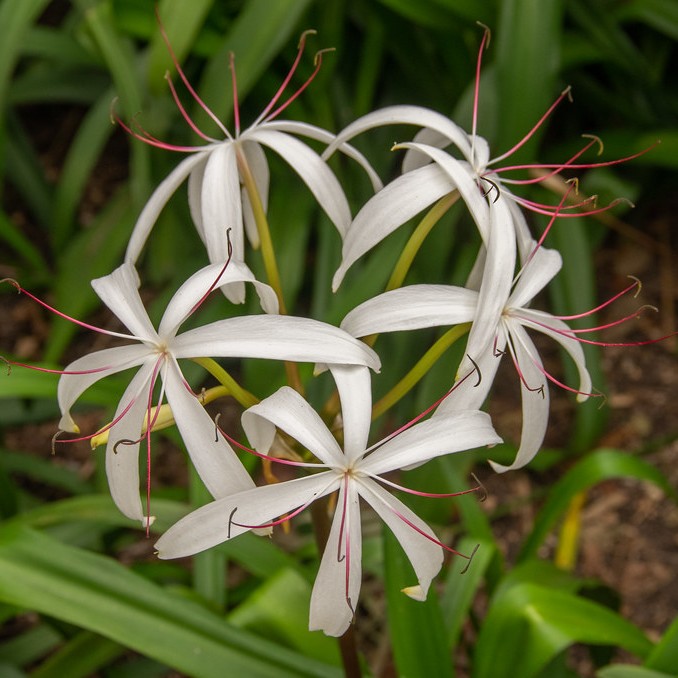
Giant Lily: Identification, Care, Growing Tips, and Popular Varieties
Learn all about the giant lily (Cardiocrinum giganteum), including its care needs, growing zones, popular varieties, and how to support its towering, fragrant blooms in your garden.
2026-07-09 · 11 min read
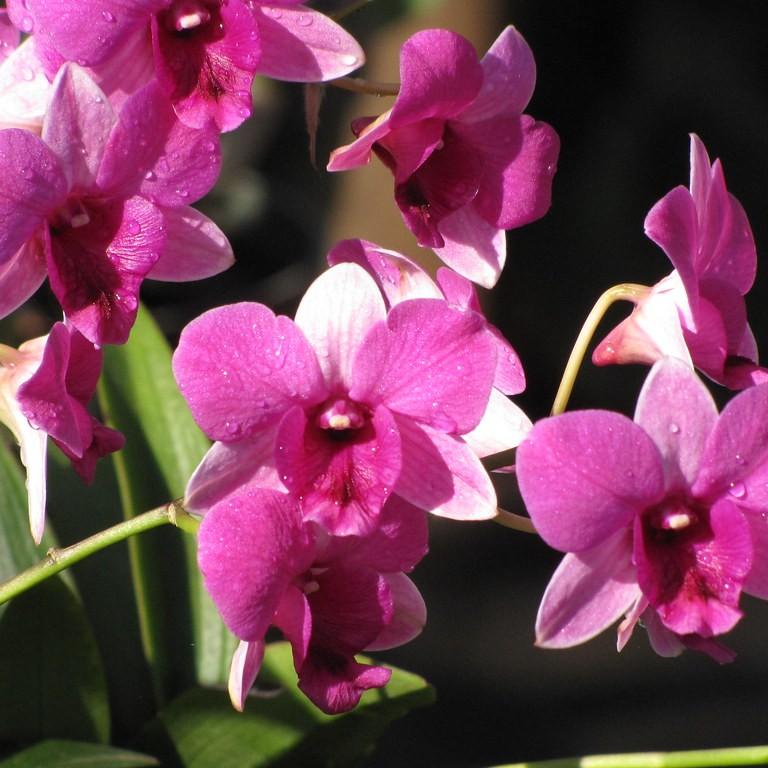
Dendrobium Orchid Care, Types, and Growing Guide for Home Gardeners
Learn how to grow and care for dendrobium orchids, including light, water, and humidity needs, plus common types, troubleshooting, and safe handling for pet owners.
2026-07-08 · 17 min read
Downy Oak (Quercus pubescens): Identification, Care, Habitat, and Uses
Learn about downy oak (Quercus pubescens), a hardy Mediterranean deciduous tree valued for drought tolerance, wildlife support, and use in truffle cultivation.
2026-07-08 · 10 min read