Cabbage: Types, Growing Guide, Benefits, and How to Use It
Learn all about cabbage, including common cultivars, how to grow it at home, nutritional benefits, and popular uses in cooking and landscaping.
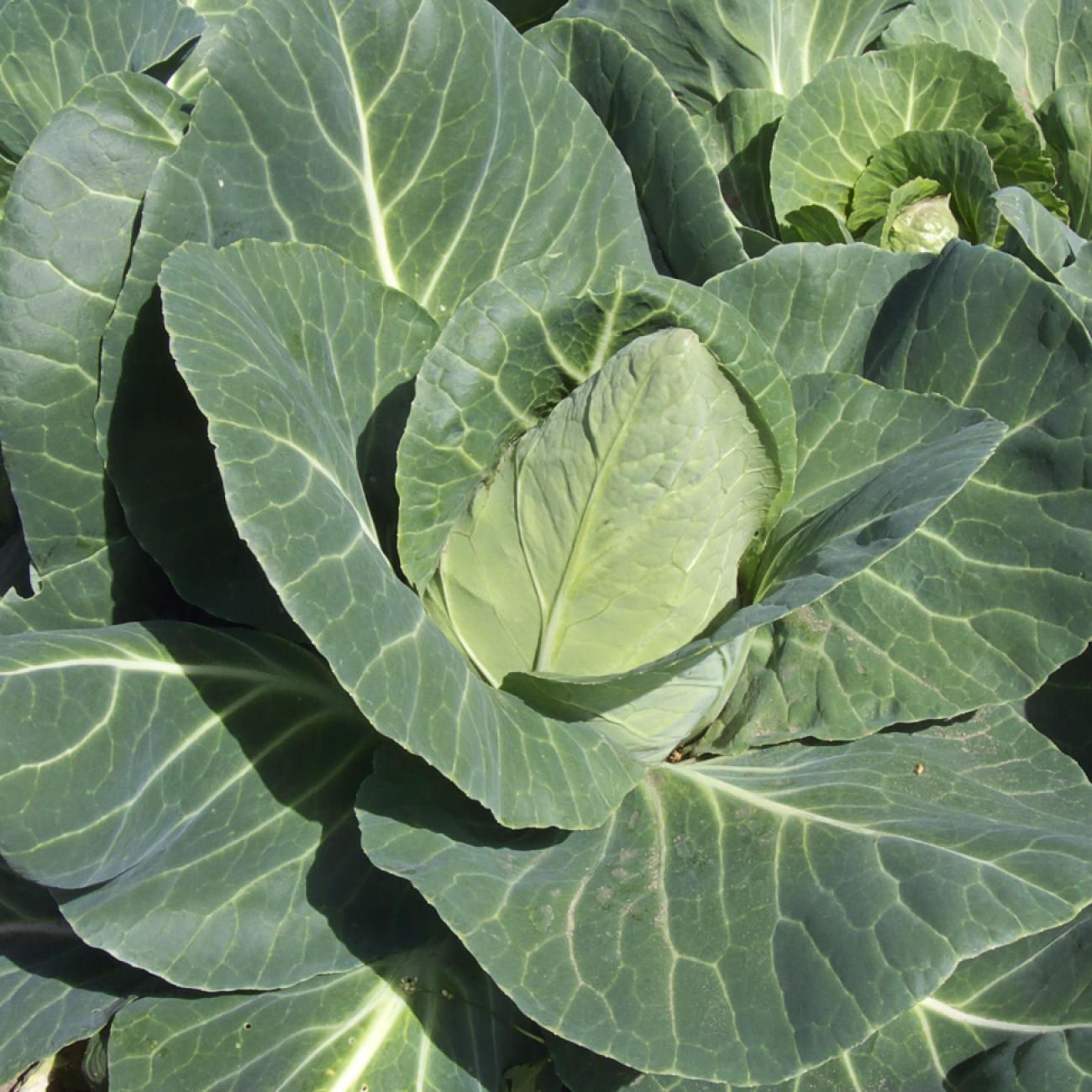
This cool-season leafy vegetable in the Brassica oleracea Capitata Group is closely related to broccoli and kale, grown for its tight, layered leaf heads. It comes in green, purple, and white varieties, used for cooking, fermentation, and ornamental landscaping, with well-documented nutritional and medicinal properties. Cabbage thrives in cool temperatures and is a staple in cuisines worldwide, from European sauerkraut to Korean kimchi.
What Is Cabbage? Core Identification and Taxonomy
This plant is the common name for edible cultivars in the Brassica oleracea Capitata Group, defined by their compact, rounded heads of overlapping, crisp leaves. All true varieties belong to the same species as broccoli, kale, cauliflower, and Brussels sprouts, differentiated only by centuries of selective breeding for specific growth traits.
True varieties can be distinguished from lookalike leafy greens by their distinct head formation, where leaves grow tightly wrapped around a central short stem, rather than loose, open foliage. Leaf texture ranges from smooth to lightly crinkled, with colors spanning pale green, deep green, reddish-purple, and creamy white, depending on the cultivar. If you are unsure if a plant is a true Brassica cultivar or a related green, the Sproutly app can identify it in seconds from a photo, along with confirming its cultivar and care requirements. For a full breakdown of core traits, visit the cabbage care guide encyclopedia entry on Sproutly.
Etymology and Cultivation History
The word for this crop derives from the 14th-century Middle English term “caboche,” which directly translates to “head,” a clear reference to the plant’s signature compact, rounded growth form. The term evolved from earlier Latin and French words for swollen or rounded plant growth, reflecting the crop’s long presence in European agricultural systems.
It was domesticated from wild Brassica oleracea, a hardy leafy plant native to coastal Mediterranean regions, with evidence of intentional cultivation dating back more than 4,000 years. It spread across Europe via Roman trade routes, becoming a staple food for peasant and noble populations alike by the Middle Ages, valued for its long storage life and cold hardiness. European colonists brought it to North America in the 16th century, and it was later adopted into East Asian cuisines, where it became a core ingredient in dishes like kimchi.
10+ Common Cultivars and Their Uses
Dozens of cultivars exist, each bred for specific flavors, textures, growing conditions, and visual traits, with options suited for both edible use and decorative landscaping. Most fall into three core categories: green, purple, and loose-leaf Asian varieties, with additional ornamental cultivars bred for foliage color rather than flavor.
Below are the most widely grown cultivars and their core use cases:
- Frigga cabbage: A classic green cultivar with dense, crisp heads and a mild, sweet flavor. It stores well for up to 3 months in cool, dark conditions, making it ideal for fresh eating, coleslaw, boiling, and fermentation into sauerkraut.
- Ruby Perfection cabbage: A deep purple cultivar with a firm texture and slightly peppery flavor, thanks to its anthocyanin content. It holds its color well when cooked, making it a popular choice for roasted dishes, pickling, and adding visual contrast to salads.
- Chinese cabbage: A loose-headed, tender variety from the Brassica rapa species, with long, pale green leaves and a mild, sweet flavor. It cooks quickly, so it is best used in stir-fries, soups, and fresh spring rolls.
- Savoy: A crinkled-leaf green cultivar with a tender texture and mild flavor, ideal for stuffing, wilting into pastas, and using in raw salads where a softer texture is preferred.
- Conehead: A pointed, conical green cultivar with a sweeter, milder flavor than round green varieties, perfect for raw eating and quick steaming.
- Ornamental cabbage: A non-edible (or minimally edible) cultivar bred for ruffled, brightly colored foliage in shades of pink, purple, white, and green. Its color intensifies in cool temperatures, making it a popular choice for fall landscape beds and container plantings. Each cultivar has unique growing requirements and harvest timelines, which you can find in their dedicated Sproutly encyclopedia entries.
How to Grow These Brassica Crops: Full Care Guide
This cool-season crop grows best in full sun, requiring 6+ hours of direct sunlight per day, and thrives in temperatures between 45–75°F (7–24°C) with consistent soil moisture and high ambient humidity. It is well-suited for spring and fall planting in most growing zones, as heat above 80°F (27°C) will cause it to bolt (flower) prematurely, leading to bitter flavor and split heads.
Follow these steps for successful outdoor growth:
- Seed starting: Start seeds indoors 4–6 weeks before your last expected spring frost, or direct sow seeds outdoors 2–3 weeks before the last frost for spring crops. For fall crops, sow seeds directly outdoors 8–10 weeks before your first expected fall frost.
- Soil requirements: Plant in well-drained, loamy soil with a pH between 6.0 and 6.8, amended with 2–3 inches of compost to boost nutrient content. Avoid planting in soil where other Brassica crops (broccoli, kale, cauliflower) have grown in the past 3 years to reduce disease risk.
- Spacing: Transplant seedlings or thin direct-sown plants to 12–24 inches apart in rows 24–36 inches apart, depending on the mature size of your cultivar. Larger varieties require more space to form full heads.
- Watering: Provide 1–1.5 inches of water per week, either via rainfall or manual watering, keeping soil consistently moist but not waterlogged. Water at the base of the plant to avoid fungal growth on leaves, and mulch around the base to retain moisture and suppress weeds.
- Fertilizing: Side-dress plants with a balanced, nitrogen-rich fertilizer 3 weeks after transplanting, and again when heads begin to form, to support dense leaf growth.
- Harvesting: Cut heads at the base with a sharp knife when they feel firm to the touch and have reached their full expected size for the cultivar. Harvest before temperatures rise above 80°F (27°C) in spring, or before hard frost below 20°F (-7°C) in fall.
Common Cultivation Problems and Fixes
The plant is susceptible to specific pests including loopers, root maggots, and aphids, as well as fungal diseases like clubroot and downy mildew in poorly drained soil. Nutrient deficiencies, particularly nitrogen, can cause yellowing leaves and stunted head growth, so early identification of issues is critical to preserving your crop.
Below are the most common issues and their fixes:
- Loopers: Small green caterpillars that chew irregular holes in leaves. Handpick larvae off plants, or apply organic Bt (Bacillus thuringiensis) spray to kill larvae without harming beneficial insects. Cover young plants with floating row cover to prevent adult moths from laying eggs.
- Root maggots: White larvae that feed on root systems, causing wilting and stunted growth. Apply diatomaceous earth around the base of plants to deter adult flies from laying eggs, and rotate crops annually to break the pest life cycle.
- Aphids: Small, soft-bodied insects that cluster on the undersides of leaves, sucking sap and causing leaf curling. Spray plants with a strong stream of water to dislodge aphids, or apply insecticidal soap for severe infestations.
- Clubroot: A fungal disease that causes swollen, deformed roots and stunted, yellowed plants. It thrives in acidic, poorly drained soil, so raise soil pH to 7.2 with lime if you have a history of clubroot, and avoid planting Brassicas in infected soil for 7+ years.
- Downy mildew: A fungal disease that causes yellow spots on upper leaf surfaces and fuzzy gray growth on undersides. Improve air circulation between plants, avoid overhead watering, and apply organic copper fungicide at the first sign of infection.
- Nitrogen deficiency: Causes uniform yellowing of older lower leaves and slow head growth. Apply a side dressing of balanced nitrogen fertilizer, and ensure soil is amended with enough compost at planting time. If you notice unusual damage or discoloration on your plants, upload a photo to Sproutly for an instant diagnosis and step-by-step treatment instructions tailored to your specific issue.
Key Nutritional and Medicinal Benefits
This leafy green is low in calories and high in fiber, vitamin C, vitamin K, and antioxidants, with 1 cup of raw green leaves providing 54% of the daily recommended value of vitamin C for adults. It has been used in traditional medicine for centuries to reduce inflammation, support digestion, and soothe minor skin irritations, with many of these uses backed by modern nutritional research.
Key evidence-backed benefits include:
- Anti-inflammatory properties: It contains sulforaphane and other antioxidants that may reduce chronic inflammation linked to conditions like heart disease, arthritis, and diabetes.
- Digestive support: It is high in insoluble fiber, which supports healthy gut bacteria regularity, and fermented products like sauerkraut provide probiotics that improve gut health.
- Skin health: The high vitamin C content supports collagen production, and crushed leaves have been shown to soothe minor skin irritations, sunburn, and swelling when applied topically.
- Heart health: Anthocyanins in purple varieties may lower LDL (bad) cholesterol levels and reduce blood pressure, reducing overall heart disease risk.
- Bone health: One cup of raw green leaves provides 85% of the daily recommended value of vitamin K, which supports bone density and reduces the risk of osteoporosis. It is safe for most people to eat raw or cooked, though those with thyroid conditions may want to limit excessive raw consumption, as it contains goitrogens that can interfere with thyroid function in large quantities.
Ornamental Varieties and Cabbage Tree: Related Plants Explained
Ornamental cultivars, part of the Brassica oleracea Ornamental Cabbage and Kale Group, are grown for their brightly colored, rosette-shaped foliage that becomes more vivid in cool fall temperatures. Cabbage trees, including Cordyline australis and Cordyline fruticosa, are unrelated tropical houseplants and outdoor ornamentals named for their broad, cabbage-like leaf clusters, a common point of confusion for new gardeners.
Ornamental cabbage grows in the same cool conditions as edible varieties, with a similar growth habit, but its leaves are tougher and more bitter, making it unsuitable for regular eating. It is often planted in fall landscape beds alongside chrysanthemums and pansies, as it retains its color through light frost, extending the growing season for decorative plantings. It requires the same full sun and consistent moisture as edible varieties, with no additional care requirements.
Cabbage tree plants are entirely unrelated to Brassica oleracea, native to tropical and subtropical regions of Australia, New Zealand, and Southeast Asia. They grow as tall, woody plants with long, strap-like leaves clustered at the top of the stem, resembling a giant head of the Brassica crop. In warm growing zones (USDA zones 9–12), they are grown as outdoor landscape plants, while in cooler zones they are kept as houseplants, requiring bright indirect light and consistent moisture. All three types of plants (edible varieties, ornamental varieties, and cabbage trees) are non-toxic to dogs and cats, per ASPCA guidelines, making them safe for homes with pets.
Popular Uses and Cooking Ideas
This versatile culinary ingredient is used raw in coleslaws, fermented into sauerkraut or kimchi, boiled, roasted, or stuffed, and featured in soups, stir-fries, and side dishes. Different cultivars work best for different uses, so selecting the right variety for your recipe will improve flavor and texture.
Below are common uses matched to the best cultivars:
- Fermentation (sauerkraut, kimchi): Use Frigga cabbage or other dense green varieties, which have a high water content and crisp texture that holds up well to the fermentation process.
- Coleslaw: Use green varieties or Ruby Perfection cabbage for a colorful, crisp slaw. Shred the leaves finely and toss with dressing immediately before serving to retain crunch.
- Stir-fries and quick cooking: Use Chinese cabbage or savoy varieties, which have tender leaves that cook quickly and absorb flavors well. Add them to the pan in the last 1–2 minutes of cooking to avoid overcooking.
- Roasting: Use Ruby Perfection cabbage or green varieties, cut into 1-inch thick wedges, tossed with oil, salt, and pepper, and roasted at 400°F (200°C) for 25–30 minutes until caramelized.
- Stuffed leaves: Use savoy varieties, which have flexible leaves that are easy to roll without cracking, or blanched green leaves.
- Soups and stews: Use green varieties, which hold their shape well during long cooking times and add a mild, sweet flavor to broths. To reduce the strong odor that often comes with cooking, avoid overcooking it, and add a slice of bread or a splash of vinegar to the cooking water to neutralize odors.
Frequently Asked Questions About Cabbage
Is cabbage safe for dogs and cats to eat?
Yes, all true cultivars, ornamental varieties, and cabbage trees are pet-safe, per ASPCA guidelines. Small amounts of raw or cooked plain cabbage are non-toxic for pets, though excessive consumption may cause mild digestive upset.
How long does it take cabbage to grow a full head?
Most cultivars take 70–100 days from transplanting to form a full, harvestable head, with fast-maturing varieties ready in as little as 60 days in ideal cool, sunny growing conditions.
What is the difference between green cabbage and purple cabbage?
Purple cabbage, including the Ruby Perfection cultivar, contains anthocyanin antioxidants that give it its deep color, while green cabbage has a milder flavor and crisper texture. Both have similar nutritional profiles, though purple cabbage has slightly higher antioxidant levels.
Can you eat ornamental cabbage?
Ornamental cabbage is technically edible, but it has a much tougher, more bitter texture and flavor than edible cultivars. It is almost exclusively grown for decorative use in gardens and landscape beds.
Is cabbage a cold-hardy plant?
Yes, cabbage can tolerate light frost down to 20°F (-7°C) without damage, and cool temperatures below 60°F (15°C) actually improve the sweetness of its leaves. It is not tolerant of heat above 80°F (27°C), which can cause bolting and bitter flavor.
Identify and Care for These Crops With Sproutly
Whether you are growing edible Brassica heads in your vegetable garden, planting ornamental varieties in your landscape, or caring for a cabbage tree houseplant, Sproutly has the tools to help you succeed. The app can identify any of these cultivars or lookalike plants from a single photo, confirm if it is edible, and provide personalized care reminders tailored to your growing zone and specific plant type. If you encounter pest damage, disease, or unusual growth on your plants, upload a photo to Sproutly for an instant diagnosis and step-by-step treatment instructions. You can also access our full encyclopedia of cultivars and related plants for more detailed growing and use guidance. Try Sproutly today to take the guesswork out of growing and caring for cabbage and all your other plants.
関連記事
こちらのガイドもおすすめ
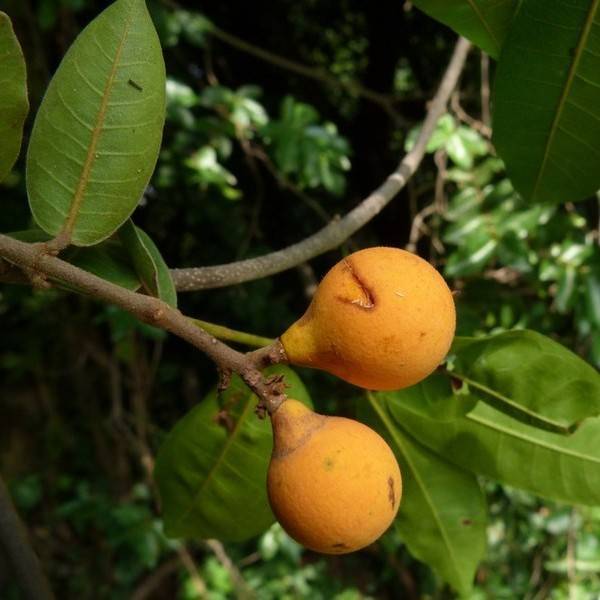
Jackfruit Tree: Growing, Care, Harvesting, and Key Facts for Home Growers
Learn how to grow, care for, and harvest a jackfruit tree, plus key facts about its fruit, health benefits, and ideal growing conditions.
2026-07-01 · 19 min read
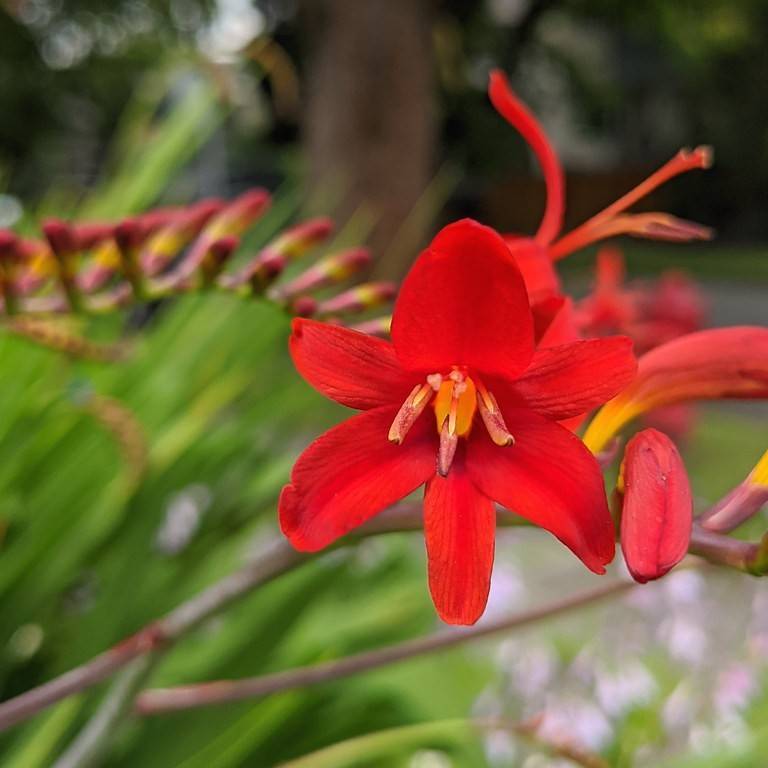
Montbretia Lucifer: Complete Care, Growing, and Design Guide
Learn how to grow and care for montbretia Lucifer, a vibrant red-flowering crocosmia cultivar ideal for sunny, humid garden beds and pollinator-friendly landscapes.
2026-07-01 · 11 min read
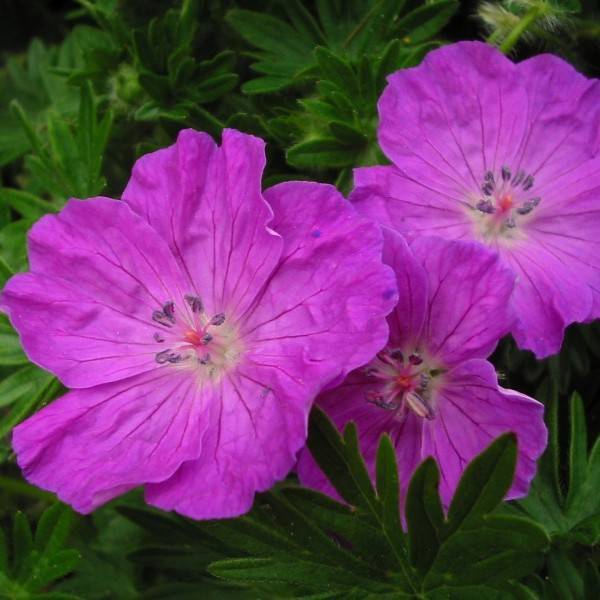
Geranium Sanguineum: Complete Care, Identification, and Growing Guide
Learn how to grow and care for Geranium sanguineum, a hardy, low-maintenance perennial ground cover with vibrant magenta blooms and autumn foliage.
2026-06-30 · 11 min read