Red Obelisk Beech Tree: Identification, Care, and Growing Guide for Fagus sylvatica 'Red Obelisk'
Learn how to identify, grow, and care for the red obelisk beech tree (Fagus sylvatica 'Red Obelisk'), a low-maintenance columnar landscape tree with vibrant purple-red foliage.
Red Obelisk Beech Tree: Identification, Care, and Growing Guide for Fagus sylvatica 'Red Obelisk'
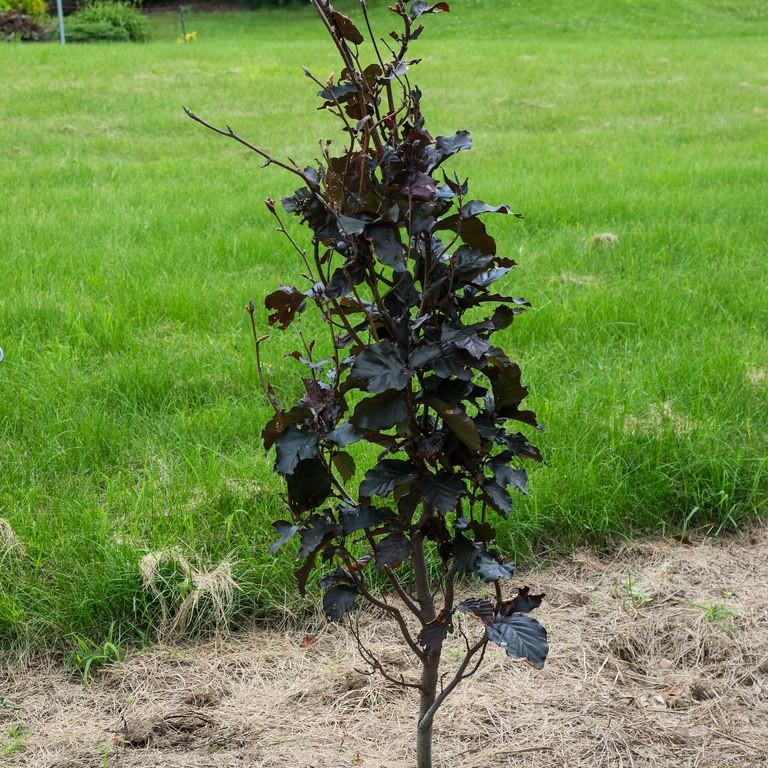
This narrow, columnar deciduous tree is prized for striking bright red-purple foliage that holds color longer than many other purple beech varieties. It grows 30–40 feet tall and 10–15 feet wide at maturity, making it ideal for tight landscape spaces where a full-sized beech would not fit. Planning to add one to your yard? See our breakdown of how much it costs to plant a tree before you buy.
What Is a Red Obelisk Beech Tree?
This upright cultivar is a compact European beech selection bred for its slim profile and long-lasting vivid foliage. It fits neatly in narrow side yards, privacy screens, or as a standalone focal point without overtaking small landscapes, requiring almost no pruning to keep its columnar shape.
Key Visual Identification Traits
- Oval, serrated leaves that emerge bright red in spring, deepen to rich purple in summer, and turn copper-bronze in fall
- Tight, upright growth habit that rarely requires pruning to maintain its columnar shape
- Small, yellow-green catkin flowers appear in spring before leaves fully unfurl
Fagus sylvatica 'Red Obelisk' Beech: Botanical Classification
Fagus sylvatica 'Red Obelisk' is a cultivated variety of the European beech (Fagus sylvatica), part of the Fagus genus of deciduous trees native to temperate regions of Europe. It is a patented cultivar selected for its narrow form and persistent red-purple foliage, and it is sometimes sold under the trademarked name 'Rohan Obelisk' in some nursery catalogs.
How It Differs From Similar European Beech Cultivars
- Narrower than the broader copper beech (Fagus sylvatica 'Purpurea') and more upright than the weeping Purple Fountain beech
- Its foliage retains its red hue longer through summer than the Dawyck Purple beech, which often fades to green earlier in the season
Ideal Growing Conditions
These columnar beeches thrive in full sun, meaning at least 6 hours of direct unfiltered sunlight per day, and prefer evenly moist, well-drained, slightly acidic soil. They are hardy in USDA growing zones 4–7, and tolerate temperatures as low as -30°F when established.
Soil and Water Requirements
- Avoid waterlogged soil, as this can lead to root rot
- Water deeply once per week during the first two growing seasons to help roots establish; mature trees only need supplemental water during extended periods of drought
- Add a 2–3 inch layer of wood mulch around the base to retain moisture and regulate soil temperature, keeping mulch 6 inches away from the trunk to prevent rot
How to Plant a Red Obelisk Beech Tree
Plant this cultivar in early spring or late fall, when the tree is dormant and temperatures are cool. Choose a planting location with enough vertical and horizontal space to accommodate its mature 30–40 foot height and 10–15 foot spread, away from overhead power lines or building foundations.
Step-by-Step Planting Instructions
- Dig a hole twice as wide as the root ball and the same depth as the root ball’s height
- Loosen compacted soil around the hole to help roots spread easily as the tree establishes
- Place the tree in the hole so the root flare (the point where roots meet the trunk) sits level with the surrounding soil
- Backfill the hole with native soil, tamping gently to remove air pockets, and water thoroughly after planting to settle the soil around the roots
Caring for Mature Trees
Mature trees of this variety are low-maintenance, requiring only occasional pruning and fertilization to stay healthy. They are pet-safe, so you do not need to worry about toxic foliage or bark endangering dogs or cats that spend time in your yard.
Pruning and Fertilization Tips
- Prune only in late winter while the tree is dormant, removing dead, damaged, or crossing branches to improve air circulation
- Fertilize once per year in early spring with a balanced, slow-release tree fertilizer, if soil tests show nutrient deficiencies
- Use the Sproutly app to snap a photo of your tree’s foliage if you notice discoloration, to identify potential nutrient gaps or pest issues early
Common Problems
This columnar beech variety is relatively pest and disease resistant, but it can develop issues if grown in unsuitable conditions. The most common problems include leaf scorch, root rot, and aphid infestations, all of which are easy to address when caught early.
How to Fix Common Issues
- Leaf scorch (brown, crispy leaf edges) is usually caused by too little water or excessive heat; increase watering frequency during hot, dry spells to reduce symptoms
- Root rot occurs in waterlogged soil; improve drainage in the planting area or avoid overwatering to prevent it
- Aphids can be sprayed off with a strong stream of water or treated with horticultural soap for severe infestations
Frequently Asked Questions
Is the red obelisk beech tree a good choice for small yards?
Yes, its narrow 10–15 foot mature width makes it a great option for small or narrow yards where a full-sized, spreading beech tree would take up too much space.
How fast does Fagus sylvatica 'Red Obelisk' beech grow?
This Fagus sylvatica cultivar is a slow-growing tree, putting on 6–12 inches of new growth per year once established, and taking 20–30 years to reach its full mature height.
Can these columnar beeches grow in partial shade?
They can tolerate light partial shade, but they will produce the most vibrant, long-lasting red-purple foliage when grown in full, direct sun for 6+ hours per day.
Try Sproutly
If you’re unsure if a red obelisk beech tree is right for your landscape, or need help troubleshooting care for existing trees, the Sproutly app offers fast plant identification, personalized care reminders, and tailored advice for all your outdoor plants. Download Sproutly today to keep your trees thriving year-round.
Letture correlate
Altre guide che potrebbero piacerti
Hamamelis Mollis (Chinese Witch Hazel): Complete Grow & Care Guide
Learn to grow, care for, and enjoy Hamamelis mollis (Chinese witch hazel), a fragrant winter-blooming shrub with vibrant autumn foliage for temperate gardens.
2026-07-26 · 12 min read
Japanese Maple Plant Description: Key Details for Iijima Sunago, Select Red, and Popular Cultivars
Get clear, beginner-friendly descriptions of Japanese maple trees, including specific details for Iijima Sunago and Select Red cultivars, plus care and pruning tips.
2026-07-26 · 8 min read
Flowering Crabapple: Grow Guide, Cultivars, and Landscape Uses
Learn to grow and care for flowering crabapple trees, with tips on cultivar selection, bloom care, disease resistance, and using their edible fruit and seasonal foliage.
2026-07-25 · 11 min read