How to Save Overwatered Plants: Step-by-Step Fixes for Indoor and Outdoor Greenery
Learn how to save overwatered plants with our step-by-step guide, including signs of overwatering, species-specific fixes, and prevention tips for indoor and outdoor plants.
Overwatering is one of the most common plant care mistakes, causing yellow, mushy leaves and root rot if left unaddressed. Learning how to save overwatered plants is straightforward, no fancy tools required, and works for both windowsill houseplants and backyard perennials. The process focuses on draining excess moisture, treating root damage, and creating low-stress conditions for recovery.
This guide covers signs of overwatering to watch for, step-by-step salvage steps for both indoor and outdoor plants, and special care adjustments for humidity-loving outdoor trees that are often miswatered by new gardeners. Unsure if overwatering is even the culprit? Our how to save overwatered plants care guide helps you confirm before you act.
First: Confirm Your Plant Is Actually Overwatered
Before you jump into treatment, make sure overwatering is the actual issue. Many new gardeners mix up overwatering and underwatering, since both can cause drooping leaves. Key differences in texture and soil moisture will help you confirm the problem quickly.
Look for these common above-ground signs of overwatering:
- Yellowing lower leaves that feel soft and mushy to the touch, not crispy
- Limp, squishy stems near the base of the plant
- Edema: small, raised water blisters on the undersides of leaves, caused by cells absorbing too much water and bursting
- Standing water pooled on top of the soil or in the plant’s saucer hours after watering
To tell overwatering apart from underwatering, feel the leaves: overwatered foliage is soft and pliable, while underwatered foliage is dry, crispy, and often brown at the edges. You can also stick your finger 2 to 3 inches into the soil—if it’s still damp, overwatering is the likely culprit.
If you’re still unsure what’s causing the damage, use the Sproutly app to snap a photo of your plant’s leaves. The app can help you cross-check common damage causes for your specific species, so you don’t waste time treating the wrong issue.
Step 1: Stop Watering and Drain Excess Water Immediately
The first critical step when saving a waterlogged plant is to cut off any additional moisture right away. Continuing to water will only worsen root stress and raise the risk of permanent root rot. Different actions for potted vs. in-ground plants will speed up moisture removal without disturbing sensitive roots.
For potted plants:
- Tip the pot gently to pour out any standing water pooled on top of the soil.
- Remove the pot’s saucer entirely, and set the pot on a slatted surface or raised rack to let excess water drain freely from the bottom drainage holes.
- If the pot has no drainage holes, carefully tip it at a 45-degree angle to drain trapped water without dislodging the plant, being careful not to spill soil.
For in-ground plants:
- Dig 2 to 3 inch deep trenches 6 inches away from the plant’s root zone. These channels will draw pooled water away from the roots so they can start to dry out. Avoid digging too close to the base of the plant, as you can accidentally cut healthy roots.
Step 2: Check for Root Rot (the #1 Risk of Overwatering)
Root rot is the biggest threat to overwatered plants. When soil stays saturated for too long, it cuts off oxygen flow to the roots, which allows harmful bacteria and fungi to grow and break down root tissue. If left untreated, root rot can kill a plant in as little as a week.
For potted plants, gently remove the entire plant from its pot to inspect the root ball. Hold the base of the stem and tap the edge of the pot against a hard surface to loosen the soil, then slide the plant out slowly.
- Healthy roots are firm to the touch, and pale white or light tan in color.
- Rotting roots are mushy, dark brown or black, and often smell like mildew, decay, or damp soil.
For outdoor humidity-loving trees like Japanese maples, you won’t be able to easily dig up the entire root system to check for rot. Instead, watch for early warning signs: slow, unseasonal leaf drop in late summer or early fall, or foliage discoloration that happens weeks before their normal seasonal color change. These are common early indicators that the roots are sitting in too much moisture.
Step 3: Treat Root Damage and Repot (If Needed)
If you find only a small number of rotting roots, you can trim them away to stop the rot from spreading to healthy tissue. Using sharp, sanitized tools and fresh soil reduces the risk of reinfection while the plant recovers.
- Use clean, sharp scissors or pruning shears to cut away all mushy, discolored roots, leaving only firm, healthy roots intact.
- Rinse the remaining healthy roots with lukewarm water to wash away any lingering rotted debris or bacteria.
For potted plants:
- Repot the plant in fresh, well-draining potting mix, in a pot with drainage holes. Do not reuse the old waterlogged soil, as it may still contain rot-causing bacteria. If the original pot has drainage holes, you can reuse it after washing it thoroughly with soap and water to kill any remaining pathogens.
For in-ground plants:
- Gently aerate the top 2 inches of soil around the root zone with a small garden fork or chopstick. Poke small holes 1 to 2 inches apart to improve air flow to the roots, being careful not to dig deep enough to damage healthy roots below the surface. Do not turn over the soil, as this can disturb the root system further while the plant is stressed.
Step 4: Help Your Plant Recover After Overwatering
After treating root damage and draining excess water, your plant will need low-stress conditions to regrow healthy roots and foliage. Simple adjustments to light, watering, and fertilization speed up recovery without adding extra strain to vulnerable plants.
- Place potted plants in bright, indirect light while they recover. Harsh direct sun will put extra stress on damaged plants that can’t take up enough water to support their foliage. The only exception is sun-loving trees like the Blue Spanish Fir, which can stay in their full sun location once excess water has drained away, as they are adapted to high light conditions.
- Wait 1 to 2 weeks to water again, only when the top 2 to 3 inches of soil are completely dry. When you do water, add just enough to moisten the soil evenly, not drench it.
- Skip fertilizing for 4 to 6 weeks. Fertilizer can burn damaged roots and slow recovery, so wait until you see new, healthy leaf growth before resuming your regular feeding schedule.
To avoid repeat overwatering, use the Sproutly app to set custom watering reminders tailored to your specific plant species. The app will adjust reminders based on your local climate, season, and the plant’s unique needs, so you don’t have to guess when to water next.
Special Considerations for Humidity-Loving Outdoor Trees
One of the most common overwatering mistakes new gardeners make is confusing a tree’s humidity needs with frequent soil watering. Many popular full-sun, humidity-loving maples and firs thrive in moist air, but their roots will quickly rot if left sitting in soggy soil. Adjusting how you deliver moisture prevents unnecessary stress for these species.
For example, the Autumn Fire Japanese Maple and Flame Amur Maple both prefer humid growing conditions, but they only need to be watered when the top 3 to 4 inches of soil are completely dry. Watering them small amounts every other day, as many new gardeners do, will lead to root rot long before you see visible above-ground damage.
If you’re growing these or other humidity-loving outdoor trees, you can boost air moisture around the foliage by misting the leaves on dry days, or placing a shallow tray of water near the base of the tree, without adding extra water to the soil. For species-specific care guidance, check the plant’s entry in the Sproutly plant encyclopedia.
Species-Specific Fixes for Overwatered Humidity-Loving Plants
Humidity-loving plants require tailored overwatering fixes, as their tolerance for saturated soil varies widely even within the same care category. Many gardeners mistakenly increase watering frequency to match high humidity needs, which creates unnecessary risk of root damage for these species. Knowing how to save overwatered plants of these specific types boosts your chance of successful recovery.
Spider Plant
Spider plants are hardy, but their thick, fleshy tuberous roots store water easily, making them prone to rot if left in soggy soil for more than 3 days. To salvage an overwatered spider plant:
- Stop watering immediately and move the plant to a spot with bright, indirect light to speed up evaporation.
- If soil remains saturated after 3 days, gently tip the pot to drain excess water from the bottom.
- Inspect roots for rot, and trim any mushy, brown sections before repotting in fresh potting mix if needed. Most spider plants recover in 1 to 2 weeks with adjusted care. For more tailored guidance, see our spider plant overwatering recovery guide.
Shindeshojo Japanese Maple
This dwarf maple’s shallow, fibrous root system is highly sensitive to standing water, especially in heavy clay soils. To save an overwatered Shindeshojo Japanese maple:
- Clear all mulch or debris from the base of the tree to expose the top 2 inches of soil to air.
- Hold off on watering until the soil 4 to 6 inches below the surface feels completely dry to the touch.
- If root rot is suspected, amend the surrounding soil with coarse sand to improve drainage long-term. More care details are available in our Shindeshojo Japanese maple care tips.
Flowering Quince (Chaenomeles superba 'Jet Trail')
Flowering quince tolerates moist air but requires well-draining soil to avoid crown rot, a common issue when soil stays saturated for more than a week. To save an overwatered flowering quince:
- Dig shallow 2-inch trenches 6 inches from the root zone to drain pooled water away from the base.
- Aerate the top 2 inches of soil with a garden fork to boost oxygen flow to roots, taking care not to damage shallow root tissue.
- Avoid watering until the top 3 inches of soil are completely dry, and do not reapply mulch until the soil has fully dried out.
How to Dry Overwatered Soil Fast Without Damaging Roots
You can dry overwatered soil in as little as 24 to 48 hours without repotting, as long as the plant has not yet developed widespread root rot. These methods minimize root disturbance, which reduces stress for vulnerable plants that are already recovering from overwatering.
Try these low-effort, non-invasive drying techniques:
- Place potted plants on a porous surface like a wire rack, terracotta tray, or layer of newspaper. The porous material will wick excess moisture out of the pot’s drainage holes faster than leaving the pot on a non-porous counter or saucer.
- Point a low-speed box fan at the soil surface for 2 to 3 hours per day. The air flow will speed up evaporation from the top layer of soil without drying out the plant’s foliage or causing leaf burn.
- For in-ground plants, gently rake the top 1 inch of soil into small mounds to expose more surface area to air. Break up any crusted soil that is trapping moisture below the surface, taking care not to disturb shallow root systems.
- Mix 1 to 2 inches of dry, coarse sand or perlite into the top layer of soil for potted or in-ground plants. The porous amendments will absorb excess moisture and improve overall drainage without requiring a full repot or soil replacement.
How to Prevent Overwatering for Outdoor Plants by Hardiness Zone
Outdoor plant watering needs vary drastically based on your hardiness zone’s average rainfall, humidity, and temperature, so a one-size-fits-all schedule will almost always lead to overwatering for some gardeners. Aligning your watering routine with your zone’s typical conditions reduces unnecessary moisture stress for both annual and perennial plants.
Zones 1 to 4 (Cold, Northern Regions)
These zones have short growing seasons and frequent spring and fall rainfall. Only water outdoor plants during extended dry periods of 7 or more days without rain. Reduce watering by 50% in late fall once plants go dormant, as cold, saturated soil increases root rot risk for dormant perennials and trees.
Zones 5 to 8 (Temperate, Mid-Latitude Regions)
These zones have moderate rainfall and warm summer temperatures. Water outdoor plants only when the top 3 to 4 inches of soil are dry, and skip watering entirely during weeks with 1 inch or more of measured rainfall. For humidity-loving trees like Japanese maples, mist foliage on dry summer days instead of adding extra water to the soil to meet their humidity needs.
Zones 9 to 13 (Warm, Southern/Coastal Regions)
These zones have high humidity and frequent summer rain showers, though some areas may have extended dry periods in winter. Avoid watering on days with forecasted rain, and use a rain gauge to track weekly precipitation to avoid overwatering during wet spells. For succulents and arid-region plants in these zones, reduce watering by 75% during humid monsoon seasons to account for increased air moisture.
How to Prevent Overwatering in the Future
Saving an overwatered plant is much easier when you catch the issue early, but preventing overwatering in the first place will save you time and stress down the line. Simple, consistent habits reduce the risk of soggy roots before damage occurs.
Follow these simple rules to avoid soggy roots:
- Always check soil moisture before watering. Stick your finger 2 to 3 inches deep into the soil, and only water if it feels completely dry. For outdoor trees, check 3 to 4 inches deep.
- Use pots with drainage holes for all potted plants. If you love a decorative pot with no holes, use it as a cachepot: place the plastic nursery pot with drainage inside the decorative pot, and empty any standing water from the cachepot after every watering.
- Adjust your watering schedule seasonally. Plants grow slower in cooler, lower-light fall and winter months, so they need far less water than they do in the active growing spring and summer seasons.
- Skip scheduled watering on a strict calendar. Weather, humidity, and light levels change week to week, so a schedule that works in July may lead to overwatering in September.
If you’re unsure how much water your specific plant needs, use the Sproutly app to look up its unique care requirements, so you can avoid guesswork entirely.
Frequently Asked Questions
How do I save an overwatered spider plant?
To save an overwatered spider plant, first stop watering and move it to a spot with bright, indirect light to speed up soil drying. If the soil is still saturated after 3 days, gently tip the pot to drain excess water from the bottom. Trim any mushy, brown roots before repotting in fresh, well-draining potting mix if root rot has set in. Spider plants are hardy, so most will recover in 1 to 2 weeks with adjusted care.
Can I save an overwatered outdoor tree like a Shindeshojo Japanese maple?
Yes, you can save an overwatered Shindeshojo Japanese maple by first clearing any mulch or debris from around the base of the tree to expose the top 2 inches of soil to air. Avoid watering until the soil 4 to 6 inches below the surface feels dry to the touch. If root rot is present, prune affected roots and amend the surrounding soil with coarse sand to improve drainage long-term.
How long does it take an overwatered plant to recover?
Most overwatered plants recover in 7 to 14 days if you address the issue before widespread root rot sets in. Plants with minor overwatering damage may perk up in as little as 3 days, while plants with partial root rot may take 4 to 6 weeks to regrow healthy roots and foliage. Use the Sproutly app to track your plant’s recovery and adjust care as needed for your specific species.
Should I repot an overwatered plant immediately?
Only repot an overwatered plant immediately if you notice soft, brown, foul-smelling roots (a sign of root rot) or if the soil stays saturated for more than 5 days after watering. If the soil is damp but not waterlogged, and roots are still white and firm, you can dry the soil in its existing pot using methods like placing the pot on a porous surface or pointing a low-speed fan at the soil surface to avoid repotting stress.
Try Sproutly
Worried about overwatering your plants, or struggling to tell what’s causing your foliage damage? Sproutly makes plant care simple, with accurate plant identification, species-specific care guides, and custom watering reminders tailored to your exact greenery. Whether you’re growing houseplants on your windowsill or maples in your backyard, Sproutly takes the guesswork out of keeping your plants healthy. Try Sproutly today to keep your greenery thriving year-round.
Letture correlate
Altre guide che potrebbero piacerti
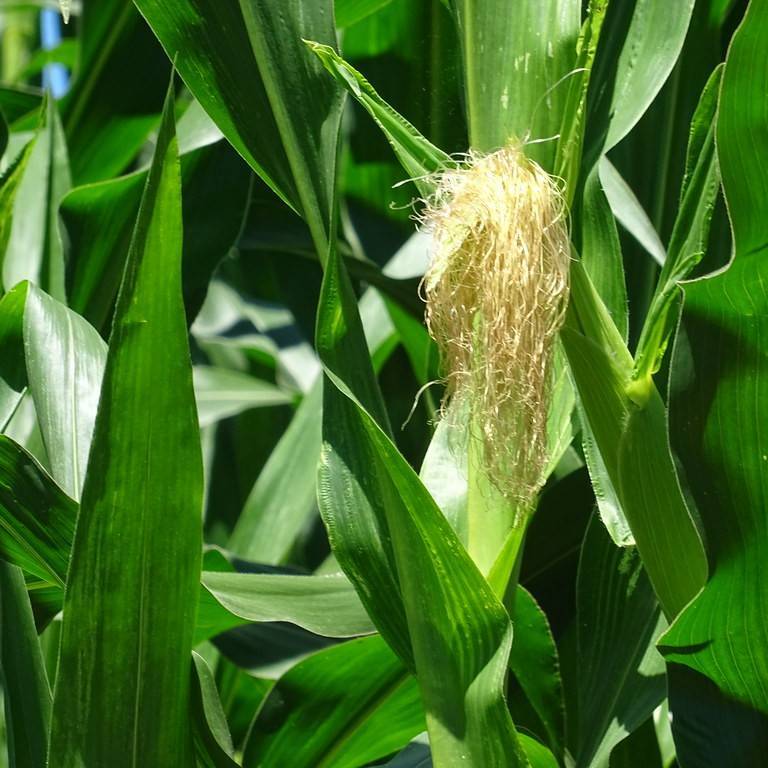
Zea Mays Corn: Taxonomy, Cultivation, Home Growing Tips, and Common Confusions
Learn all about Zea mays corn: its taxonomic history, cultivation requirements, home growing best practices, and how to distinguish it from plants with 'corn' in their common names.
2026-06-29 · 15 min read
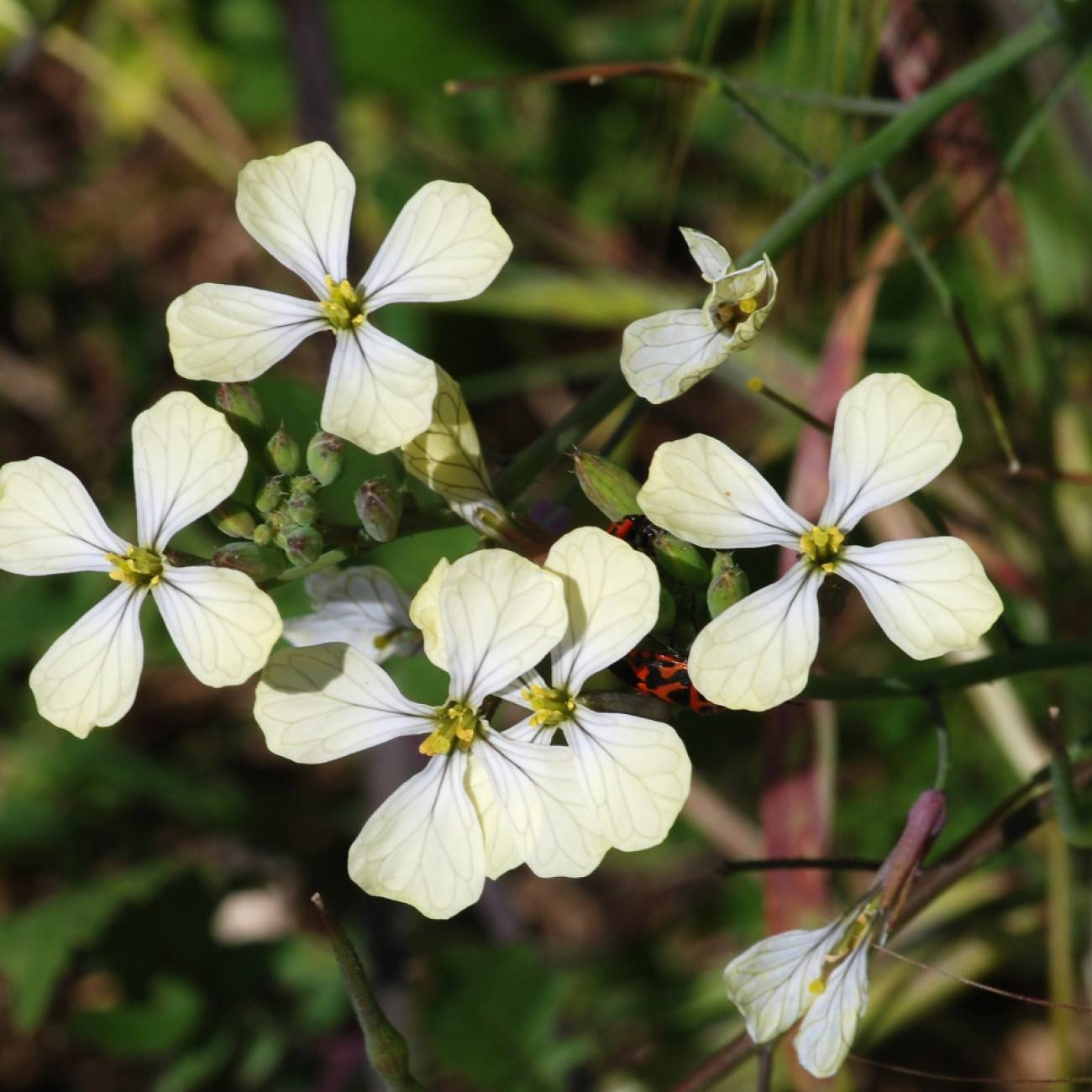
Arugula: Growing, Nutrition, Uses, and Complete Care Guide
Learn all about arugula (rocket/rucola): its spicy, nutty flavor, growing tips, nutrition benefits, storage hacks, and culinary uses for this pet-safe leafy green.
2026-06-28 · 19 min read
Weeping Fig (Ficus Benjamina): Complete Care, Cultivars, and Growing Guide
Learn how to care for a weeping fig, including light, water, and humidity needs, plus common cultivars, safety tips, and troubleshooting for this popular tropical houseplant.
2026-06-28 · 10 min read