Common Ivy (Hedera Helix): Identification, Care, Uses, and Invasive Status
Learn all about common ivy, including key identification traits, indoor and outdoor care tips, common cultivars, and where it is classified as an invasive species.
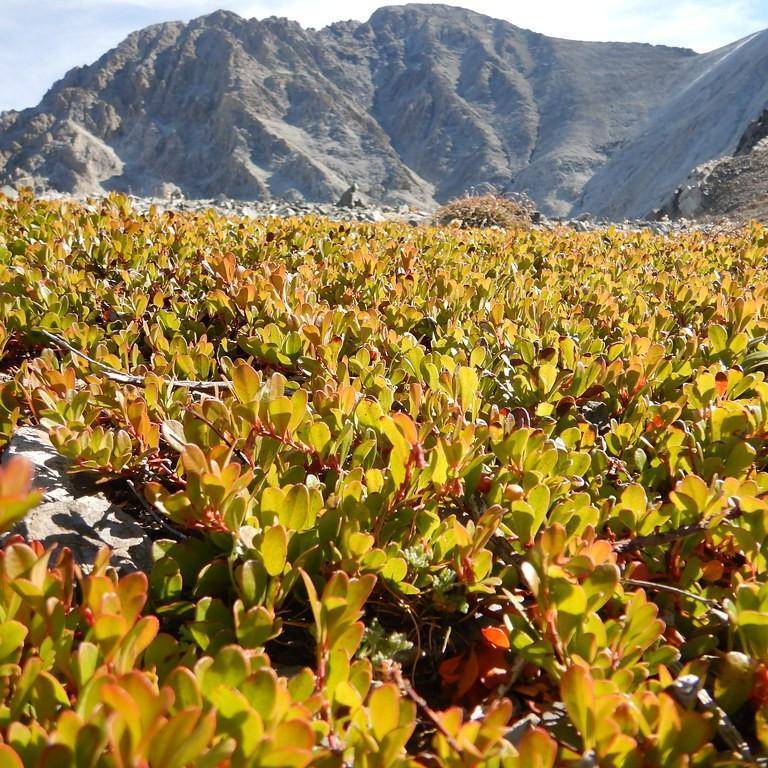
Common ivy (Hedera helix) is a woody, evergreen climbing vine native to Europe, Western Asia, and North Africa, known for its lobed, waxy leaves and aerial rootlets that cling to surfaces. It is grown as both a houseplant and landscaping ground cover, though it is classified as invasive in several non-native regions.
What Is Common Ivy? (Hedera Helix Botanical Overview)
Common ivy is a member of the Araliaceae plant family, characterized by two distinct growth phases: a juvenile creeping/climbing stage and a mature, flowering stage that only develops once the plant reaches full sun exposure at height. It grows slowly in its first few years, but established vines can extend up to 90 feet long in ideal conditions.
Taxonomic classification
Hedera helix falls under the kingdom Plantae, order Apiales, family Araliaceae, and genus Hedera. The species name helix refers to the vine’s twisting, climbing growth habit. It is closely related to other ivy species like Japanese ivy (Hedera rhombea) and Persian ivy (Hedera colchica), but is distinguished by its smaller leaf size and wider native range.
Key physical description traits
Juvenile growth produces 3 to 5-lobed, dark green leaves with a glossy, waxy coating, measuring 1 to 4 inches long. Aerial rootlets grow along juvenile stems, secreting a sticky adhesive that lets the vine cling to walls, fences, tree trunks, and other vertical surfaces. Mature plants produce unlobed, oval leaves and small, greenish-yellow flowers in late fall, followed by dark purple-black berries that ripen in winter.
Etymology of the name
The genus name Hedera is the classical Latin word for ivy, dating back to at least the 1st century CE. The common name “ivy” derives from the Old English ifig, which evolved from the Proto-Germanic ibahs. For more context on how common and scientific plant names are developed, see our common ivy and other plant naming guide.
Subspecies and Recognized Varieties
There are three officially recognized subspecies of Hedera helix, each with distinct native ranges and subtle physical differences. All subspecies can interbreed when grown in overlapping ranges, leading to naturalized hybrid populations in some regions.
Hedera helix subsp. helix
This is the type subspecies, commonly referred to as English ivy. It is native to most of Europe, from Scandinavia south to the Mediterranean, and east to the Caucasus region. Its leaves have 3 to 5 deep lobes, and its berries are dark purple-black when ripe. It is the most widely cultivated subspecies for both indoor and outdoor use.
Hedera helix subsp. canariensis
Often called Canary Island ivy, this subspecies is native to the Canary Islands, Madeira, and the northern coast of Africa. It has larger, less deeply lobed leaves that measure 2 to 6 inches long, with a slightly fuzzy texture on the undersides of juvenile foliage. It is less cold-tolerant than subsp. helix, only hardy to 20°F (-7°C).
Hedera helix subsp. poetarum
Native to the eastern Mediterranean, including Greece, Turkey, and Cyprus, this subspecies has thick, leathery leaves with minimal lobing, often appearing nearly oval in shape. Its berries are bright yellow-orange when ripe, rather than the dark purple of the other two subspecies. It is rarely cultivated for home use, and is mostly found in its native wild range.
Distribution and Natural Habitat
Common ivy is adapted to a wide range of temperate climate conditions, which has allowed it to naturalize far outside its original native range. It thrives in forest understories, where it grows as ground cover, and climbs up tree trunks to reach full sun for flowering.
Native range across Europe, Western Asia, and North Africa
Its native range extends from southern Norway and Sweden in the north, south to Morocco and Algeria in North Africa, and east to Iran and the Caucasus Mountains. It is most abundant in deciduous woodlands, where it tolerates the deep shade cast by taller tree canopies.
Preferred growing conditions in wild ecosystems
In its native habitat, it grows in well-drained, loamy soil with a pH between 6.0 and 7.5, and average annual rainfall of 20 to 80 inches. It tolerates temperatures as low as -4°F (-20°C) in dormant winter months, and prefers average summer temperatures between 60°F and 75°F (15°C to 24°C). It rarely becomes dominant in native ecosystems, as it is kept in check by local pests and fungal pathogens.
Naturalized regions outside its native range
Common ivy has naturalized in North America, Australia, New Zealand, and parts of East Asia after being introduced as an ornamental landscaping plant. In these regions, it often lacks natural predators, allowing it to spread rapidly and outcompete native plant species.
Popular Cultivars for Home and Garden Use
Hundreds of common ivy cultivars have been developed for ornamental use, with variations in leaf shape, color, size, and growth rate. Cultivars are typically bred for specific use cases, such as indoor hanging planters or cold-hardy outdoor ground cover.
Needlepoint, Ivalace, Glacier, and Baltica cultivars
These four are the most widely available cultivars for home use:
- Needlepoint: Features narrow, pointed lobes on its leaves, giving it a delicate, lacy appearance. It grows slowly, making it ideal for small indoor planters.
- Ivalace: Has ruffled, crinkled leaf edges with a glossy, deep green color. It is more tolerant of low indoor humidity than most other cultivars.
- Glacier: A variegated cultivar with silvery-gray leaf centers and creamy white edges. It grows best in bright, indirect light to maintain its variegation.
- Baltica: An extra cold-hardy cultivar that tolerates temperatures as low as -20°F (-29°C), making it suitable for outdoor planting in northern U.S. states and Canadian regions where common ivy is not restricted.
Specialty variegated and uniquely shaped cultivars
For more unusual growth habits, these specialty cultivars are available from specialty nurseries:
- Manda’s Crested: Has wavy, ruffled leaf edges that give the foliage a curly, textured appearance.
- Duckfoot: Produces small, rounded leaves with three shallow lobes that resemble a duck’s foot. It has a compact, trailing growth habit ideal for hanging baskets.
- Sagittifolia: Features long, arrow-shaped leaves with minimal lobing, and is often grown as a climbing outdoor cultivar.
Best cultivars for indoor vs. outdoor growing
For indoor growing, choose compact, slow-growing cultivars that tolerate low humidity and indirect light, such as Needlepoint, Glacier, or Ivalace. For outdoor use, select cold-hardy, vigorous cultivars like Baltica if you live in a region with freezing winters, or Canary Island ivy if you live in a mild, frost-free climate. Always check local invasive restrictions before planting any cultivar outdoors.
Common Ivy Care: Indoor and Outdoor Growing Requirements
Common ivy is a low-maintenance plant that tolerates a wide range of growing conditions, making it suitable for beginners. It is vulnerable to overwatering and full direct sun, but thrives with minimal intervention if its basic needs are met.
Light, water, and soil preferences
Indoor plants grow best in bright, indirect light, though they tolerate low light conditions for short periods. Outdoor plants grow well in partial to full shade; full direct sun can scorch leaves, especially in hot climates. Water indoor plants when the top 1 to 2 inches of soil feel dry, typically every 7 to 10 days in moderate indoor temperatures. Outdoor plants only need supplemental watering during extended dry periods, as they get enough moisture from regular rainfall. Use a well-drained, loamy potting mix for indoor plants, and amend outdoor garden soil with compost to improve drainage if it is heavy clay.
Temperature and humidity tolerances
Indoor plants prefer temperatures between 60°F and 75°F (15°C to 24°C), and tolerate average indoor humidity levels between 30% and 50%. If your home is very dry, mist the leaves once a week or place the planter on a tray of pebbles filled with water to raise local humidity. Outdoor plants are hardy to -4°F (-20°C) for most cultivars, though Baltica and other cold-hardy varieties tolerate temperatures down to -20°F (-29°C). In regions with harsh winters, mulch around the base of outdoor plants to protect roots from freezing.
Pruning and propagation tips
Prune in early spring to control growth, remove dead or damaged stems, and encourage bushier foliage. For indoor plants, trim back overlong trailing stems to keep the plant compact. For outdoor plants, cut back any vines that are spreading beyond their intended growing area, especially if you live near natural woodlands. Propagate from stem cuttings: take a 4 to 6 inch cutting from a healthy stem, remove the lower leaves, and place the cutting in a glass of water or moist potting mix. Roots will develop in 2 to 4 weeks, at which point you can transplant the cutting to a permanent planter or garden bed.
Pest and disease management
Common ivy is relatively pest-resistant, but can be affected by aphids, spider mites, and mealybugs, especially when grown indoors. Treat infestations by spraying the foliage with insecticidal soap or neem oil, and isolate affected plants to prevent pests from spreading to other houseplants. Root rot is the most common disease, caused by overwatering or poorly drained soil. To prevent rot, allow the top layer of soil to dry out between waterings, and make sure planters have drainage holes. If you notice yellowing leaves or soft, mushy stems, reduce watering and trim away any damaged roots.
Invasive Status by Region
Common ivy is classified as invasive or noxious in many non-native regions, where it spreads rapidly and displaces native plant species. It spreads via both vine growth and bird dispersal of its berries, which are eaten by birds and excreted in new locations.
Invasive classification and control guidelines in Australia
It is classified as a weed in all states of Australia, with formal noxious weed status in New South Wales, Victoria, and South Australia. It is illegal to sell or plant common ivy in these states, and property owners may be required to remove established infestations on their land. Control methods include cutting vines at the base and applying herbicide to the cut stems to kill the root system, and manually pulling young seedlings before they become established.
Restricted growing rules in Canada
It is classified as a regulated invasive species in British Columbia and Ontario. In these provinces, it is illegal to import, sell, or transport common ivy, and planting it outdoors is prohibited. It may be grown as an indoor houseplant in these regions, but care must be taken to prevent cuttings from escaping into natural areas. In other Canadian provinces, it is not formally restricted, but local extension services recommend avoiding outdoor planting near forested areas.
U.S. states where it is listed as a noxious weed
Common ivy is listed as a noxious weed in Washington, Oregon, California, and several states in the Northeast and Southeast, including Massachusetts, Connecticut, and Florida. Restrictions vary by state: some prohibit sale and planting, while others require property owners to control spread on public or private land. Always check your state and local invasive species rules before planting outdoors. If you live in a region where it is restricted, consider using native low-growing outdoor ground cover as an alternative.
Ecological impacts of unmanaged growth
Unmanaged growth forms a dense ground cover that shades out native wildflowers and prevents tree seedlings from germinating. When climbing trees, it adds extra weight to branches, making trees more vulnerable to wind damage, and can girdle tree trunks by cutting off nutrient flow. It also provides habitat for non-native pests like slugs and snails, which can further damage native plant populations.
Common Ivy Uses and Benefits
When grown responsibly in regions where it is not invasive, common ivy has a range of practical and aesthetic uses for homes and gardens. It also has a long history of use in traditional medicine, and has been shown to improve indoor air quality.
Landscaping uses for ground cover and climbing structures
In regions where it is not restricted, it is used as a low-maintenance ground cover for shaded areas where grass does not grow well, as it tolerates deep shade and requires minimal mowing or care. It is also grown on trellises, fences, and stone walls to create a lush, green vertical screen. It pairs well with shade-tolerant outdoor plants in garden beds, as it does not compete aggressively for nutrients when pruned regularly. If you are looking for non-invasive alternatives for pet-friendly yards, consider pet-safe outdoor trees instead of common ivy.
Traditional medicinal applications
Common ivy leaves have been used in traditional European medicine for centuries to treat respiratory conditions like coughs, bronchitis, and asthma. Modern clinical studies have confirmed that ivy leaf extracts have expectorant and anti-inflammatory properties, and are approved as an over-the-counter cough remedy in several European countries. Always consult a healthcare provider before using any plant-based medicinal product, as it can cause allergic reactions in some people.
Air purification properties for indoor spaces
A 1989 NASA clean air study found that common ivy is effective at removing volatile organic compounds (VOCs) like formaldehyde, benzene, and xylene from indoor air. These compounds are released by common household products like paint, cleaning supplies, and furniture. While a single plant will not filter all the air in a large room, adding several plants to indoor spaces can help reduce overall VOC levels over time.
How to Accurately Identify Common Ivy (and Avoid Lookalikes)
Common ivy is often confused with other climbing vines like poison ivy, Boston ivy, and Virginia creeper, which have similar lobed leaf shapes. Accurate identification is critical for avoiding toxic lookalikes and preventing accidental spread of invasive growth.
Key traits that distinguish it from similar plants
It has three unique traits that set it apart from lookalike vines:
- Aerial rootlets along juvenile stems that leave small, sticky residue marks when pulled away from surfaces
- Glossy, waxy leaves that are evergreen year-round, even in cold climates
- Dark purple-black (or yellow-orange for subsp. poetarum) berries that ripen in winter, rather than the white berries of poison ivy or the dark blue berries of Virginia creeper
Poison ivy has three leaflets per stem, rather than the lobed single leaf of common ivy, and loses its leaves in fall. Boston ivy has lobed leaves, but loses its leaves in fall and does not have aerial rootlets, instead clinging to surfaces via small suction cups at the end of tendrils.
How to use the Sproutly app to confirm identification
If you are unsure if a vine is common ivy, take a clear photo of the leaves, stems, and any berries or flowers, and upload it to the Sproutly app. Sproutly will compare your photo to its database of plant species to provide an accurate identification in seconds, and will also note if the plant is classified as invasive in your region. This is especially helpful for identifying wild vines growing on your property, as lookalike species can have very different care requirements and toxicity risks.
Toxicity notes for pets and humans
The plant contains triterpenoid saponins, which can cause vomiting, diarrhea, or skin irritation if ingested by dogs, cats, or humans. The leaves and berries are the most toxic parts, and even small amounts can cause adverse reactions in sensitive individuals or small pets. Keep indoor plants out of reach of pets and small children, and wear gloves when handling outdoor vines to avoid skin irritation from the sap.
Companion Plants for Common Ivy
When grown responsibly in garden settings, common ivy pairs well with a range of perennial and climbing plants that share its preference for partial shade and well-drained soil. Companion planting can add visual interest to garden beds and support local pollinator populations.
Perennial plants that pair well in garden beds
Plant alongside shade-tolerant perennials that bloom in spring or summer to add color to the dark green ivy foliage:
- Hostas: Their large, broad leaves create a textural contrast with the small, fine leaves of common ivy, and they thrive in the same partial shade conditions.
- Astilbe: Produces tall, feathery pink, red, or white flower spikes in summer, adding vertical interest to low-growing ivy ground cover.
- Ferns: Their delicate, lacy foliage complements the glossy ivy leaves, and they tolerate the same moist, shaded growing conditions.
Climbing plants that grow well alongside on fences or trellises
For vertical growing structures, pair with flowering climbing plants that bloom at different times of year to provide year-round visual interest:
- Climbing roses: Their large, colorful flowers bloom in summer, contrasting with the evergreen ivy foliage. Choose shade-tolerant rose varieties that can handle the partial shade cast by ivy vines.
- Clematis: Produces large, vibrant flowers in spring or fall, and grows well through ivy vines, as their root systems occupy different soil layers and do not compete for nutrients.
- Honeysuckle: Its fragrant flowers attract pollinators like bees and hummingbirds, and it grows at a similar rate to common ivy, so neither plant will outcompete the other.
Frequently Asked Questions
Is common ivy the same as English ivy?
Yes, common ivy is the widely used common name for Hedera helix, which is also frequently referred to as English ivy. The two names describe the same plant species.
Is common ivy toxic to dogs or cats?
Common ivy contains triterpenoid saponins, which can cause vomiting, diarrhea, or skin irritation if ingested by dogs, cats, or humans. Keep plants out of reach of pets and small children.
Where is common ivy considered invasive?
Common ivy is classified as invasive or noxious in parts of Australia, British Columbia and Ontario in Canada, and the Pacific Northwest, Northeast, and Southeast regions of the United States. Always check local growing restrictions before planting common ivy outdoors.
How often should I water indoor common ivy?
Water indoor common ivy when the top 1 to 2 inches of soil feel dry to the touch, typically every 7 to 10 days in moderate indoor temperatures. Avoid overwatering to prevent root rot.
Can common ivy grow in full shade?
Common ivy tolerates partial to full shade, though it grows more vigorously and produces more vibrant foliage in bright, indirect light. Full, direct sun can scorch its leaves, especially in hot climates.
Try Sproutly
Not sure if the vine growing on your fence is common ivy, or need personalized care tips for your indoor ivy plant? Download Sproutly today to identify plants, access region-specific invasive species alerts, and get custom care schedules tailored to your home’s light, temperature, and humidity conditions. Visit heysproutly.com to learn more.
Letture correlate
Altre guide che potrebbero piacerti
Cayenne Pepper: Benefits, Side Effects, Uses & Growing Guide
Learn all about cayenne pepper, including its nutritional benefits, potential side effects, culinary uses, and tips for growing your own Capsicum annuum at home.
2026-07-30 · 11 min read
Bloody Cranesbill: Complete Care, Growing Guide, and Garden Ideas
Learn how to grow and care for bloody cranesbill (Geranium sanguineum), a low-maintenance, pollinator-friendly perennial ground cover for temperate gardens.
2026-07-29 · 11 min read
Aster Tataricus: Complete Growing, Care, and Usage Guide
Learn how to grow and care for aster tataricus (Tartarian aster), including its sun needs, medicinal uses, pet safety, and popular Jindai cultivar details.
2026-07-28 · 10 min read