Plant Encyclopedia: Identify, Learn, and Care for 2000+ Plant Varieties
Our free plant encyclopedia covers thousands of houseplants, outdoor trees, succulents, fruits, and flowers with care guides, identification tips, and pet safety details.
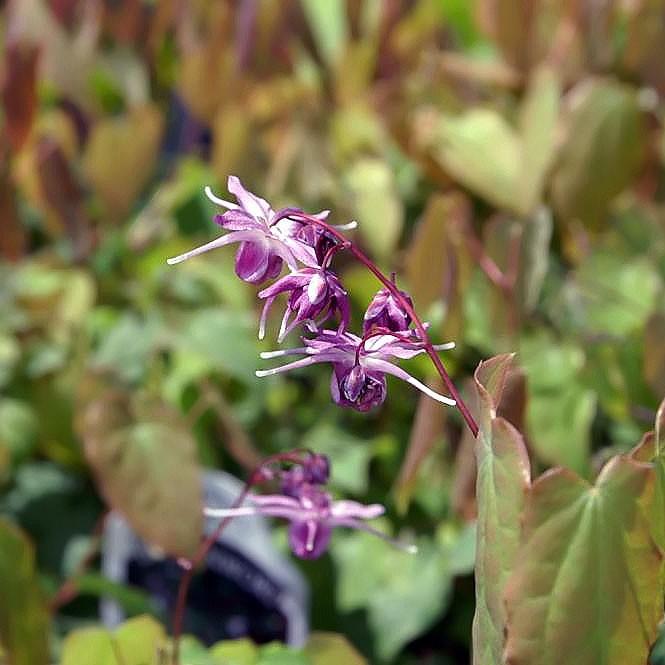
Our free plant encyclopedia is a searchable database of 2000+ houseplants, outdoor trees, succulents, fruits, and flowers, with care guides, identification tips, pet safety labels, and app integration to simplify plant care for all skill levels.
What Is a Plant Encyclopedia and How to Use It
A plant encyclopedia is a structured, searchable database of plant species that includes key identifying traits, native growing conditions, care requirements, and safety information. You can use it to confirm the identity of an unknown plant you found, look up care tips for a new houseplant, or find pet-safe species to add to your garden. Organized by category (trees, succulents, fruits, flowering plants) and searchable by tag, this resource eliminates the guesswork of plant care for new and experienced growers alike.
Common use cases include:
- Cross-referencing a volunteer plant popping up in your garden bed to confirm if it is a desirable species or a weed
- Researching care requirements for a new houseplant you brought home from the nursery
- Finding species that fit specific constraints, like a shaded balcony or a home with curious dogs and cats
- Planning a landscape project and selecting trees or shrubs that fit your local hardiness zone
Outdoor Tree Entries in Our Resource
Our database features 500+ outdoor tree species, including popular ornamental cultivars and low-maintenance native varieties. Every tree entry includes mature size, sun requirements, hardiness zone ranges, and bloom timelines to help you pick the right species for your yard. Popular entries include Abelia 'Edward Goucher', a variegated flowering shrub that blooms from late spring to fall, and the Alexandrina Saucer Magnolia, which produces large pink blooms in early spring before its foliage emerges.
The plant encyclopedia care guide for Abelia 'Edward Goucher' breaks down its specific needs, including preference for full sun, 50–60% humidity, and weekly watering during extended dry periods. It also notes the cultivar is non-toxic to dogs and cats, making it a safe pick for yards with roaming pets. For cooler temperate regions, the Alexandrina Saucer Magnolia entry specifies it thrives in hardiness zones 4–9, reaching a mature height of 20–25 feet with a 10–15 foot spread, so you can plan planting locations to avoid overhead power lines or building overhangs.
Other tree entries cover rare ornamental species like Alangium platanifolium, a small deciduous tree with fragrant white summer blooms and maple-like foliage, as well as common native species suited for low-maintenance landscape designs. Each entry also notes typical growth rates, so you can choose between fast-growing screening trees or slow-growing accent specimens for your yard.
Succulent and Drought-Tolerant Plant Entries
Drought-tolerant plants in this resource include 300+ succulents, cacti, and xeriscape-friendly species that require minimal watering to thrive. Each entry specifies ideal soil drainage needs, sun exposure levels, and minimum temperature tolerances to prevent overwatering and cold damage. Standout entries include Agave geminiflora 'RASTA MAN', a compact agave with thin, spiky foliage that only needs water once every 2–4 weeks during the growing season and thrives in full sun.
The plant encyclopedia care details for Agave geminiflora 'RASTA MAN' page notes it is hardy to 20°F, so it can be grown outdoors year-round in zones 9–11, or kept as a potted houseplant in cooler regions. All succulent entries also specify if the species is monocarpic (meaning it dies after flowering) to help you set realistic expectations for long-term care. For xeriscape landscaping projects, you can filter entries to show only species that require no supplemental irrigation once established, reducing your outdoor water use significantly.
Other featured drought-tolerant species include cold-hardy cacti suitable for zone 3 landscapes, trailing succulents ideal for hanging baskets, and low-growing groundcovers that suppress weeds without regular watering. Each entry also warns of common pitfalls, like sensitivity to overfertilization or risk of root rot if planted in heavy clay soil.
Tropical and Edible Fruit Plant Entries
Our resource covers 200+ tropical and edible fruit plants, from container-friendly dwarf varieties to large outdoor fruiting trees. Every entry includes pollination requirements, fruiting timelines, and humidity needs to help you grow edible produce even in non-tropical climates. A popular entry is the Abyssinian Banana (Ensete ventricosum), a fast-growing tropical plant that can reach 10 feet tall in a single growing season and thrives in full sun and 60–70% humidity.
The Abyssinian Banana growing tips page notes it can be grown in a large 20-gallon container in temperate regions, brought indoors during cold months to avoid frost damage. All edible fruit entries specify if the species is self-pollinating or requires a second plant to produce fruit, so you do not waste money on a single tree that will never bear a harvest. For small spaces, you can filter for dwarf fruit varieties that reach a maximum height of 6–8 feet, making them suitable for patio containers or small backyard plots.
Other edible entries include tropical fruits like dwarf mango, pineapple guava, and passionfruit, as well as common orchard fruits like apple, pear, and cherry, with specific notes on chill hour requirements to ensure the variety will produce fruit in your local climate. Each entry also includes typical harvest timelines, so you know when to expect ripe fruit after planting.
How to Filter Entries for Your Needs
This resource includes customizable filters to narrow entries based on your specific growing conditions and preferences, so you do not waste time browsing species that will not work for your space. You can filter by growing location (indoor/outdoor), sun requirements, pet safety, drought tolerance, and flowering status to find exactly what you are looking for. For example, filtering for "pet-safe" and "flowering" pulls up entries like Acaena inermis 'Purpurea' and Ajania pacifica, both non-toxic to dogs and cats that produce small, colorful blooms.
Useful filter combinations for common scenarios include:
- Indoor, low-light, pet-safe: Pulls up non-toxic houseplants that thrive in bright indirect light or partial shade, suitable for apartments with limited window access
- Outdoor, drought-tolerant, zone 4: Pulls up cold-hardy, low-water species suitable for northern xeriscape landscapes
- Edible, container-friendly, self-pollinating: Pulls up dwarf fruit varieties that produce harvests without a second pollinator plant, ideal for small patios
- Coastal, salt-tolerant, flowering: Pulls up shrubs that withstand wind and salt spray, perfect for yards within a mile of the ocean
Filters are applied in real time as you select them, so you can adjust your criteria on the fly if you are not finding species that fit your needs. You can also sort filtered results by mature size, bloom time, or common name to organize results to your preference.
How to Identify Unknown Plants
You can use the plant encyclopedia to identify unknown plants by matching visual traits like leaf shape, flower color, and growth habit to listed entries, or by pairing it with the Sproutly app for faster, more accurate results. Take a photo of your unknown plant with Sproutly, and the app will pull up the matching entry, along with personalized care reminders tailored to your local climate. For example, if you spot a low-growing shrub with purple foliage and small red burrs, you can match it to Acaena inermis 'Purpurea' in seconds.
If you prefer to search manually, you can filter entries by category, growth habit, and observable traits to narrow down potential matches. For example, if you find an unknown weed in your yard with broad, rounded leaves and small white flowers, you can filter the database for weed entries matching those traits to confirm its identity and learn targeted removal methods that will not harm nearby desirable plants.
All entries include multiple high-resolution photos of each species at different growth stages, so you can compare your plant to juvenile, mature, and flowering specimens to confirm a match. Each entry also lists key distinguishing traits that set the species apart from lookalikes, reducing the risk of misidentification.
Common Care Details Included in Every Entry
Every entry in the plant encyclopedia includes 6 core care details to help you keep your plants healthy with no guesswork: light requirements, watering frequency, preferred humidity range, pet safety status, ideal temperature range, and common pest risks. For example, the Abelia 'Rose Creek' entry notes it needs full sun, weekly watering during dry periods, 50–60% humidity, is non-toxic to pets, thrives in 60–85°F temperatures, and is rarely prone to aphids or spider mites.
Additional details included in most entries:
- Native range and typical habitat, to help you replicate natural growing conditions
- Hardiness zone ranges, for outdoor planting planning
- Mature size and growth rate, to avoid overplanting in small spaces
- Soil pH and drainage preferences, to help you amend planting sites appropriately
- Pruning and propagation tips, to help you maintain and expand your plant collection
- Bloom time and flower characteristics, for seasonal landscape planning
No entry relies on vague guidance like "water when dry" — instead, it specifies typical watering frequencies for different seasons and growing conditions, with notes on how to adjust for unusually hot or cold weather. Pet safety labels are clearly displayed at the top of each entry, so you do not have to scroll to confirm if a species is safe for your home.
Coastal and Hardy Plant Entries for Challenging Climates
This resource includes 150+ entries tailored to challenging growing conditions, including coastal regions with salt spray, cold hardiness zones 3–4, and low-humidity indoor spaces. Each climate-specific entry notes tolerance to salt, wind, cold, and low moisture to help you pick plants that will survive and thrive in less-than-ideal conditions. A top coastal entry is Ajania pacifica, a drought-tolerant flowering shrub that tolerates salt spray and thrives in 40–75°F temperatures, making it ideal for Pacific Northwest and Atlantic coastal gardens.
For cold climate gardeners, entries for zone 3–4 species specify minimum temperature tolerances as low as -40°F, with notes on whether the species requires winter protection like burlap wrapping or mulch insulation. For indoor spaces with forced air heating that drops humidity below 30%, you can filter for low-humidity tolerant species that will not develop brown leaf tips or drop foliage in dry air.
Other climate-specific categories include entries for high-altitude landscapes with intense sun and wind, desert regions with extreme day-night temperature fluctuations, and flood-prone areas where soil stays saturated for extended periods. Each entry clearly notes its tolerance for these stressors, so you can select species that do not require constant intervention to survive.
How to Use the Sproutly App
The Sproutly app integrates directly with the plant encyclopedia to turn static care information into personalized, actionable guidance for your specific plants. After you identify a plant via the app or look it up in the resource, you can add it to your personal plant collection, set custom watering and fertilizing reminders, and get alerts if your local weather conditions put your plant at risk of cold damage or overwatering. You can also save your favorite entries to your collection for quick offline access.
If you have multiple plants in your collection, the app will organize care tasks by due date, so you can see which plants need water or fertilizer at a glance without checking each individual entry. You can also log plant growth, blooms, and pest issues in the app, with notes that sync to the corresponding entry for future reference.
The app also includes a community feature where you can share photos of your plants and ask questions to other growers, with links directly to the relevant entry for context. If you encounter a care issue not covered in the entry, you can submit feedback to our team, which we use to update entries with new user-submitted growing tips.
Frequently Asked Questions
Is this resource free to use?
Yes, our entire plant encyclopedia is free to access for all users, no subscription required. You can browse entries, search for specific species, and use filter options at no cost.
How many species are included?
Our plant encyclopedia currently includes 2,000+ entries spanning houseplants, outdoor trees, succulents, fruits, flowering shrubs, and rare ornamental species, with new entries added every month.
Does it note which plants are safe for pets?
Yes, every entry includes a clear pet-safe tag if the species is non-toxic to dogs and cats, so you can quickly filter for pet-friendly options for your home or yard.
Can I use it to identify weeds in my yard?
Yes, the plant encyclopedia includes common yard and garden weed entries, with details on how to identify them and, if desired, remove them safely without harming nearby desirable plants.
How often is it updated?
We add 20–30 new plant entries to the encyclopedia every month, and update existing entries regularly with new care insights and user-submitted growing tips.
Try Sproutly
Pair our plant encyclopedia with the Sproutly app to turn static care guides into personalized reminders, fast plant identification, and custom care plans tailored to your local climate and specific plant collection. Download Sproutly today at https://heysproutly.com to start growing with confidence.
Lectures associées
D'autres guides qui pourraient vous plaire
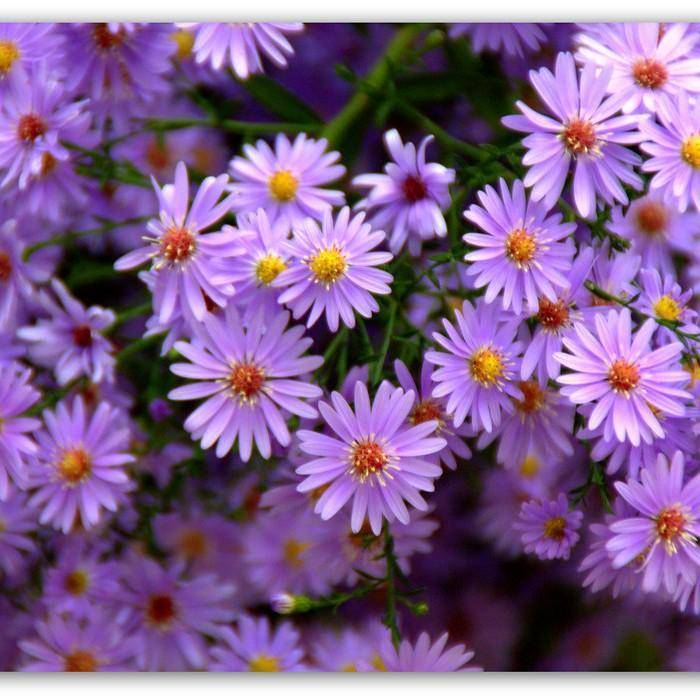
Aster Tataricus: Complete Growing, Care, and Usage Guide
Learn how to grow and care for aster tataricus (Tartarian aster), including its sun needs, medicinal uses, pet safety, and popular Jindai cultivar details.
2026-07-28 · 10 min read
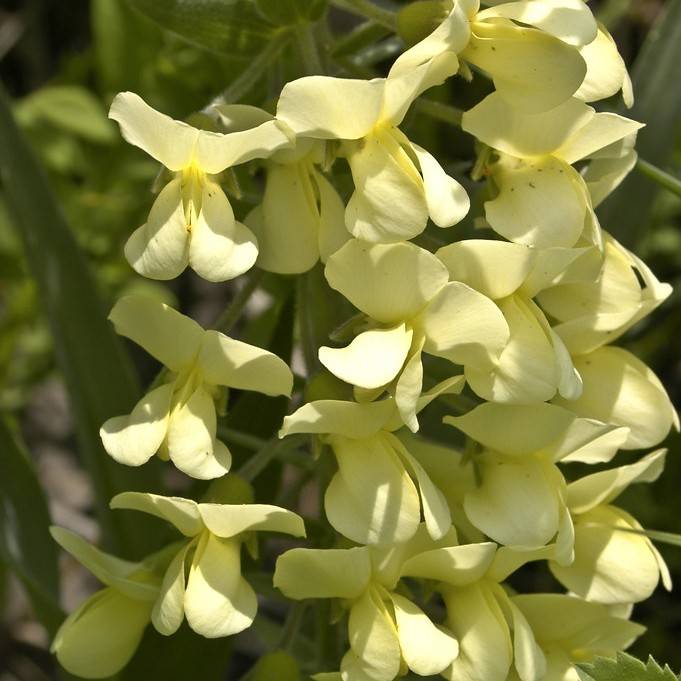
Plant Games: 25+ Best Options for Casual Play, Learning, and Plant Lovers
Explore the best plant games for mobile, desktop, and console, including casual picks, learning-focused titles, and cozy options for every type of plant enthusiast.
2026-07-27 · 17 min read
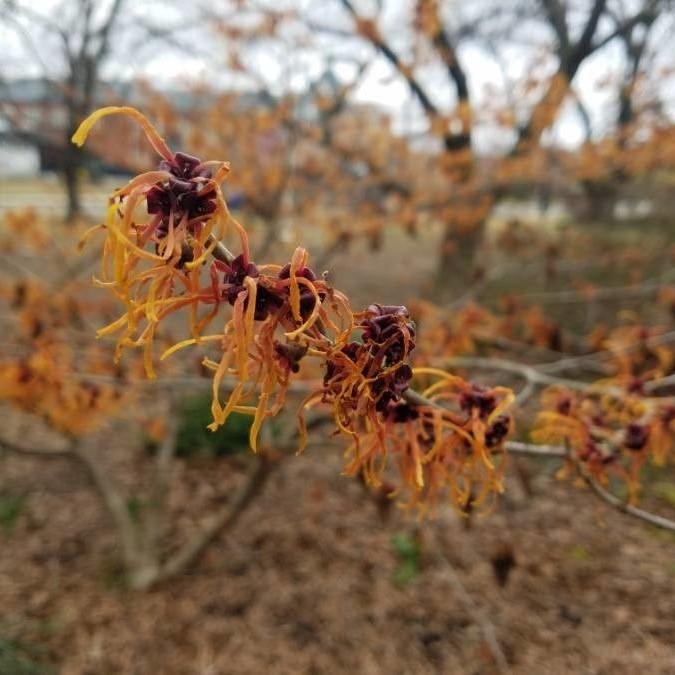
Hamamelis Mollis (Chinese Witch Hazel): Complete Grow & Care Guide
Learn to grow, care for, and enjoy Hamamelis mollis (Chinese witch hazel), a fragrant winter-blooming shrub with vibrant autumn foliage for temperate gardens.
2026-07-26 · 12 min read