Aster Tataricus: Complete Growing, Care, and Usage Guide
Learn how to grow and care for aster tataricus (Tartarian aster), including its sun needs, medicinal uses, pet safety, and popular Jindai cultivar details.
Aster Tataricus: Complete Growing, Care, and Usage Guide
Aster tataricus, or Tartarian aster, is a cold-hardy herbaceous perennial native to East Asia, grown for its late-season pale purple blooms, edible leaves, and traditional medicinal uses. It thrives in full sun, consistently moist soil, and is non-toxic to pets, with a compact ‘Jindai’ cultivar available for smaller gardens.
What Is Aster Tataricus?
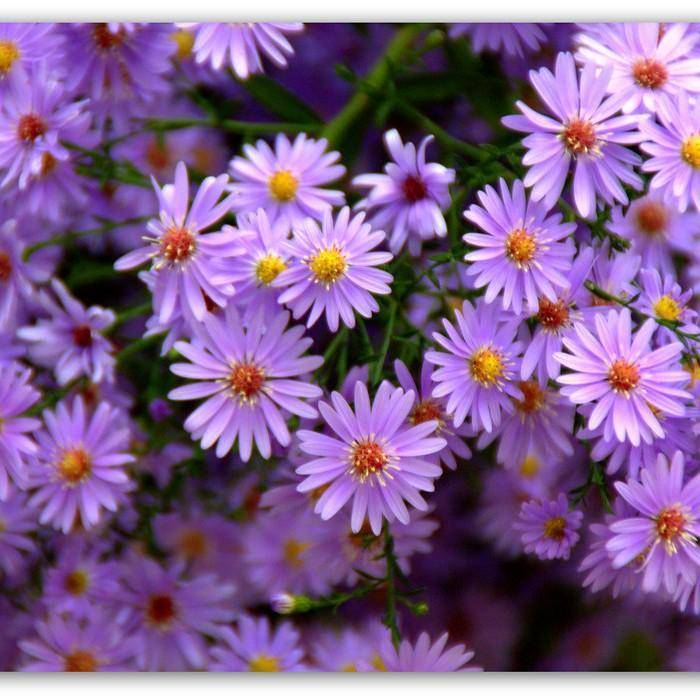
Aster tataricus, commonly called Tartarian aster, is a herbaceous perennial in the Asteraceae family, growing 3 to 6 feet tall with clusters of small, star-shaped pale purple to white flowers that bloom in late summer to early fall. The popular ‘Jindai’ cultivar is a compact 2 to 3 foot tall variety ideal for smaller garden spaces, with identical care requirements to the wild type. For full species specifications, view our Tartarian aster plant profile.
Key Botanical Characteristics
- Oblong, toothed green leaves up to 24 inches long at the base of the plant
- Flower heads 1 to 2 inches wide with pale lavender ray petals and yellow central disks
- Spreads via underground rhizomes, forming dense clumps over 2 to 3 years
- Hardy in USDA zones 3 to 9, tolerating temperatures as low as -40°F
Differences Between Wild Aster Tataricus and 'Jindai' Cultivar
- Wild type grows 4 to 6 feet tall, requires staking in windy areas
- ‘Jindai’ stays 2 to 3 feet tall, rarely needs staking, and blooms 2 to 3 weeks earlier than the wild variety
- Both varieties have identical care requirements and bloom duration of 4 to 6 weeks
For cultivar-specific growing tips, review our Aster tataricus 'Jindai' cultivar details.
Native Range and Natural Distribution
Aster tataricus is native to Siberia, Mongolia, China, Korea, and Japan, where it grows in wet meadows, stream banks, and open forest edges at elevations up to 3,000 feet. It is naturalized in parts of North America, particularly in the upper Midwest and Northeast regions of the United States, where it adapts well to temperate growing conditions with consistent moisture.
Ideal Native Habitat Conditions
- Full sun exposure for 6+ hours per day
- Consistently moist, well-drained loamy soil
- Moderate to high humidity levels above 50%
- Neutral to slightly alkaline soil pH between 6.0 and 7.5
How to Propagate Aster Tataricus
Aster tataricus can be propagated via seed, root division, or stem cuttings, with root division being the most reliable method for home gardeners, with a 90% success rate when done in early spring. Propagate every 3 to 4 years to prevent overcrowding, maintain healthy bloom production, and control unwanted spread in your garden.
Propagation Steps by Method
- Seed: Sow seeds indoors 6 to 8 weeks before the last frost, press lightly into soil, keep moist at 70°F, germination occurs in 14 to 21 days. Transplant seedlings outdoors after all risk of frost has passed, spacing 18 to 24 inches apart.
- Root division: Dig up clumps in early spring just as new growth emerges, split into 4 to 6 inch sections with at least 2 growth buds each, replant immediately 18 to 24 inches apart at the same depth they were previously growing. Water thoroughly after planting to reduce transplant shock.
- Stem cuttings: Take 4 to 6 inch softwood cuttings in early summer before flower buds form, remove lower leaves, dip the cut end in rooting hormone, plant in moist potting mix, and keep under indirect light. Roots form in 3 to 4 weeks, and cuttings can be transplanted outdoors once established.
Aster Tataricus Growing Requirements
Aster tataricus thrives in full sun with 6+ hours of direct light per day, and consistently moist, well-drained soil. It tolerates partial shade, but will produce fewer blooms and may become leggy and prone to powdery mildew in low-light conditions. Soil with high organic matter content supports the healthiest growth and heaviest bloom sets.
Soil and Watering Guidelines
- Water 1 to 2 times per week, providing 1 inch of water per week, increase to 2 inches per week during periods of drought or temperatures above 85°F.
- Amend heavy clay soil with 2 to 3 inches of compost before planting to improve drainage, as standing water can cause root rot in poorly draining conditions.
- Add a 2 inch layer of shredded bark or leaf mulch around the base of the plant in spring to retain moisture, suppress weeds, and regulate soil temperature throughout the growing season.
- Avoid overhead watering to reduce the risk of foliar diseases; use a soaker hose or drip irrigation to water at the soil level instead.
Fertilization and Pruning
- Apply a balanced 10-10-10 fertilizer once in early spring before new growth emerges, following package application rates to avoid over-fertilizing, which can lead to weak, leggy growth.
- Pinch back stems by half in late spring, when plants are 6 to 8 inches tall, to encourage bushier growth, more flower buds, and sturdier stems that are less likely to require staking.
- Cut back all stems to 2 inches above the soil line after the first hard frost in fall to remove overwintering pest eggs and disease spores, and clean up all plant debris from the surrounding area.
For more growing tips that apply to related varieties, see our full aster variety care guide.
Common Pests and Problems for Aster Tataricus
Aster tataricus is relatively pest-resistant, but can be affected by powdery mildew, aster yellows, and Japanese beetles in warm, humid conditions. Most issues can be prevented with proper spacing to improve air circulation, regular monitoring, and consistent care that supports healthy plant growth.
How to Treat Common Issues
- Powdery mildew: Recognizable by white, powdery spots on upper leaf surfaces, treat with neem oil spray applied every 7 to 10 days until symptoms resolve. Avoid overhead watering and ensure plants have 18 to 24 inches of space between them to improve air flow and prevent recurrence.
- Japanese beetles: These metallic green and bronze beetles chew irregular holes in leaves and flowers. Hand pick off plants in early morning when beetles are sluggish, drop them into a bucket of soapy water, or apply insecticidal soap to heavy infestations, following label instructions.
- Aster yellows: A bacterial disease spread by leafhoppers that causes stunted growth, yellowed foliage, and distorted, green flowers. Remove and discard infected plants immediately, as there is no cure, and control leafhopper populations with insecticidal soap or row covers to prevent spread to healthy plants.
Culinary and Medicinal Uses of Aster Tataricus
Aster tataricus has a long history of use in East Asian traditional medicine and cuisine. The young leaves are edible, and the root is used in herbal remedies for respiratory and digestive issues, per traditional Chinese medicine practices. Always harvest plant material from pesticide-free, confirmed sources to avoid accidental ingestion of toxic lookalikes.
Culinary Applications
- Young spring leaves, harvested before flower buds form, can be eaten raw in salads or cooked as a potherb, with a slightly bitter, grassy flavor similar to arugula.
- Leaves are often blanched for 1 to 2 minutes before eating to reduce bitterness, then drained and added to stir-fries, soups, or side dishes.
- In Korea, the leaves are sometimes used as a mild herb in kimchi and pickled vegetable dishes, adding a subtle grassy note to fermented foods.
Traditional Medicinal Uses
- Dried root is used in traditional Chinese medicine to treat coughs, asthma, and excessive mucus production, often prepared as a decoction or added to herbal blends.
- Root extracts have been used historically to stimulate appetite and improve digestion, with anecdotal use for mild stomach discomfort and bloating.
- Always consult a healthcare provider before using any plant material for medicinal purposes, especially if you are pregnant, nursing, or taking prescription medications.
Aster Tataricus Pet Safety and Landscaping Uses
Aster tataricus is non-toxic to dogs, cats, and horses, making it a safe choice for pet-friendly yards and gardens. It is also a valuable late-season nectar source for pollinators, including monarch butterflies, bees, and hummingbirds, when many other summer flowers have finished blooming.
Landscaping Ideas
- Plant wild aster tataricus in the back of perennial borders, as the tall stems provide a soft, airy backdrop for shorter flowering plants like coneflowers, black-eyed Susans, and sedum.
- Use in rain gardens, as it tolerates occasional wet soil and has a dense, fibrous root system that helps prevent erosion along slopes or near water features.
- Mass plant in meadow gardens for a natural, wildflower look in late summer and fall, paired with other native aster varieties and grasses for year-round visual interest.
- The compact ‘Jindai’ cultivar works well in mid-border plantings or large container gardens, where its shorter height does not require staking or crowd out smaller plants.
How Sproutly Can Help You Care for Aster Tataricus
If you are unsure if you have the wild aster tataricus or the ‘Jindai’ cultivar, you can scan the leaves or flowers with the Sproutly app to get an accurate identification in seconds. Sproutly also provides personalized care reminders for watering, fertilization, and pruning tailored to your specific growing zone and plant type, so you never miss a critical care task.
Useful Sproutly Features for Aster Tataricus Care
- Pest identification tool to diagnose early signs of powdery mildew or beetle damage before it spreads, with step-by-step treatment recommendations tailored to the specific issue.
- Custom care schedule adjusted for local rainfall and temperature data, so you only water your plants when they need it, reducing the risk of overwatering or drought stress.
- Access to a library of additional aster cultivar care guides for complementary garden plants, so you can build a cohesive, low-maintenance perennial garden that supports pollinators year-round.
Frequently Asked Questions
Is aster tataricus invasive?
Aster tataricus spreads via rhizomes but is not considered invasive in most regions of North America. To control spread, divide clumps every 3 to 4 years and remove any unwanted shoots that spread beyond your desired planting area.
When does aster tataricus bloom?
Aster tataricus blooms from late August to October in most growing zones, with individual bloom periods lasting 4 to 6 weeks. The ‘Jindai’ cultivar typically blooms 2 to 3 weeks earlier than the wild type.
Is aster tataricus pet-safe?
Yes, aster tataricus is non-toxic to dogs, cats, and horses, according to the ASPCA, making it a safe choice for yards accessible to pets.
How tall does aster tataricus grow?
Wild aster tataricus grows 3 to 6 feet tall, while the popular ‘Jindai’ cultivar stays shorter at 2 to 3 feet tall, making it better suited for smaller garden spaces.
Can you grow aster tataricus in containers?
The compact ‘Jindai’ cultivar can be grown in 5-gallon or larger containers, but the taller wild type is not well suited for container growing due to its deep root system and height. Container-grown plants will require more frequent watering, 2 to 3 times per week during hot weather.
Ready to confirm your aster tataricus cultivar and get personalized care reminders tailored to your growing zone? Try Sproutly today to identify plants, diagnose pests, and keep your garden thriving all season long.
Lectures associées
D'autres guides qui pourraient vous plaire
Plant Games: 25+ Best Options for Casual Play, Learning, and Plant Lovers
Explore the best plant games for mobile, desktop, and console, including casual picks, learning-focused titles, and cozy options for every type of plant enthusiast.
2026-07-27 · 17 min read
Hamamelis Mollis (Chinese Witch Hazel): Complete Grow & Care Guide
Learn to grow, care for, and enjoy Hamamelis mollis (Chinese witch hazel), a fragrant winter-blooming shrub with vibrant autumn foliage for temperate gardens.
2026-07-26 · 12 min read
Japanese Maple Plant Description: Key Details for Iijima Sunago, Select Red, and Popular Cultivars
Get clear, beginner-friendly descriptions of Japanese maple trees, including specific details for Iijima Sunago and Select Red cultivars, plus care and pruning tips.
2026-07-26 · 8 min read