Dendrobium Orchid Care, Types, and Growing Guide for Home Gardeners
Learn how to grow and care for dendrobium orchids, including light, water, and humidity needs, plus common types, troubleshooting, and safe handling for pet owners.
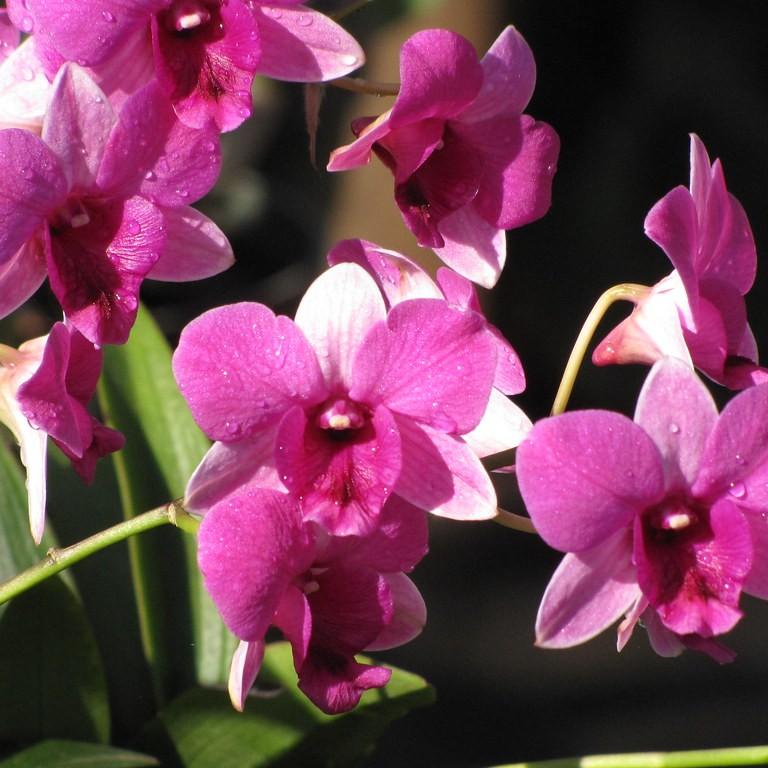
Dendrobium orchids are tropical epiphytic houseplants that require bright indirect light, 50 to 70% humidity, temperatures between 60 and 85°F, and watering every 7 to 10 days during active growth. They are non-toxic to pets and produce long-lasting blooms 1 to 2 times per year with proper care.
What Is a Dendrobium Orchid?
The dendrobium genus includes over 1,800 recognized tropical orchid species, most growing as epiphytes (air plants that attach to tree bark) in their native habitats. They produce long, cane-like stems and clustered blooms in shades of white, purple, pink, yellow, and green, with flowering periods lasting 4 to 12 weeks depending on the type.
Core Physical Traits
All species in the genus share a few key physical traits that set them apart from other common houseplant orchids. Their stems are thick, segmented, and cane-like, ranging in height from 6 inches to 6 feet depending on the species, with fleshy, oval-shaped leaves growing directly from the cane segments.
- Flowers grow in clustered spikes from the upper nodes of mature canes, with 5 to 20 blooms per spike
- Roots are thick, white, and covered in a spongy layer called velamen that absorbs water and nutrients quickly
- Deciduous types drop their leaves after flowering, while evergreen types retain leaves for 2 to 3 years
Key Genus Distinctions From Other Orchids
Unlike phalaenopsis (moth) orchids, which grow from a single central rosette, these orchids grow multiple canes from a central root system, which means they produce more blooms per plant as they mature. Their epiphytic growth habit also means they require faster-draining potting mix than terrestrial orchid varieties, and they are more tolerant of occasional underwatering. For more general orchid care guidance, see our dendrobium care reference page.
Dendrobium Taxonomy and Naming History
The genus was first formally described in 1799 by Swedish botanist Olof Swartz, with the name derived from the Greek words dendron (tree) and bios (life), referencing the genus’ epiphytic growth habit. It is classified in the Orchidaceae family, subfamily Epidendroideae, and is divided into more than 40 formally recognized sections based on growth traits and native range.
Common Sections Grown as Houseplants
Only 3 of the 40+ sections are widely cultivated as houseplants, selected for their ability to adapt to average indoor conditions. These sections are:
- Phalaenanthe: Evergreen species with flat, butterfly-shaped blooms similar to phalaenopsis orchids
- Dendrobium: Deciduous nobile-type species that drop leaves after flowering and require a cool rest period to bloom
- Latouria: Evergreen antelope-type species with twisted, upward-pointing petals and large, long-lasting blooms
Recent Taxonomy Updates for Home Growers
In 2020, taxonomic revisions moved several popular former species to the Dockrillia and Cadetia genera, but most commercial nurseries still sell these plants under the original name for consistency. If you purchase a labeled plant that does not match the care guidance for common houseplant types, it may belong to one of these reclassified genera.
Native Distribution and Natural Habitat of Dendrobium
Species within the genus are native across South, East, and Southeast Asia, the Pacific Islands, and Australia, with the highest concentration of species found in New Guinea. Most grow in tropical rainforests at elevations between sea level and 3,000 meters, where they receive dappled sunlight, consistent humidity, and frequent, light rainfall.
How Habitat Traits Translate to Home Care Requirements
The epiphytic growth habit of wild plants means their roots are exposed to constant air flow in their native habitat, which is why potted specimens require fast-draining, coarse potting mix that does not stay saturated for long periods. Their native understory growth also means they are adapted to dappled light rather than full sun, which is why direct midday light will scorch their leaves indoors. For more guidance on caring for air-growing orchids, see our epiphytic dendrobium care guide.
Regional Species Variations
Species native to high-elevation mountain regions (including most nobile types) require cooler temperatures and a distinct dry rest period to bloom, while lowland tropical species (including phalaenopsis-type varieties) tolerate warmer, more consistent temperatures and do not need a strict rest period. Australian native species are the most drought-tolerant, as they are adapted to seasonal dry periods in their native range.
Most Popular Dendrobium Types for Indoor Growing
Only a small subset of species are widely grown as houseplants, selected for their tolerance of average home conditions and consistent blooming. The most common indoor types include phalaenopsis-type varieties, nobile types, and antelope varieties, each with slightly different care needs.
Phalaenopsis-Type Varieties
Phalaenopsis-type plants are the most common indoor variety, with flat, rounded blooms in white, pink, or purple that closely resemble phalaenopsis orchid flowers. They are evergreen, meaning they retain their leaves year-round, and do not require a strict cool rest period to bloom, making them ideal for beginner growers.
- Mature height: 1 to 2 feet
- Bloom period: Late winter to early spring, with blooms lasting 6 to 8 weeks
- Tolerates average home humidity as low as 40% for short periods
Nobile Types
Nobile types are deciduous, meaning they drop their leaves after flowering in late spring. They produce clusters of small, fragrant blooms along the length of their canes, in shades of white, pink, purple, and yellow, often with a darker contrasting lip.
- Mature height: 1 to 3 feet
- Bloom period: Late winter, with blooms lasting 4 to 6 weeks
- Requires a 2 to 3 week cool rest period in fall with temperatures between 55 and 60°F to trigger blooming
Antelope Types
Antelope types are named for their twisted, upward-pointing petals that resemble antelope horns. They are evergreen, with large, waxy blooms in shades of yellow, green, and white, and can produce multiple bloom spikes per mature cane.
- Mature height: 2 to 4 feet
- Bloom period: Spring to summer, with blooms lasting 8 to 12 weeks
- Requires higher humidity (60 to 70%) than other indoor types to prevent leaf tip browning
Complete Care Guide for Home Growth
These orchids thrive in average home conditions when given consistent partial shade, 50 to 70% humidity, and temperatures between 60 and 85°F (15 to 29°C). Most types need watering every 7 to 10 days during active growth, with a 2 to 3 week cooler dry period in fall to trigger blooming.
Light Requirements
They need bright, indirect light to bloom consistently, but direct midday sun will scorch their leaves and cause permanent tissue damage. East-facing windows are ideal, as they provide gentle morning sun and indirect light for the rest of the day. South-facing windows are also suitable if you hang a sheer curtain to filter midday light.
- If leaves are dark green and the plant is not blooming, it is receiving insufficient light
- If leaves are yellowing or have brown scorch marks, it is receiving too much direct sun
- During the fall rest period, you can increase light exposure slightly to support bloom spike development
Watering Schedule and Technique
Water only when the top 2 inches of potting mix are completely dry, which typically occurs every 7 to 10 days during spring and summer active growth. To water, place the pot in a sink and run room-temperature water through the mix for 1 to 2 minutes, until water drains freely from the bottom of the pot.
- Avoid getting water in the center of new cane growth, as this can cause crown rot
- During the fall rest period for nobile types, reduce watering to every 2 to 3 weeks, only watering enough to prevent canes from shriveling
- Never let the pot sit in standing water, as this will cause root rot
Humidity and Temperature Needs
They prefer 50 to 70% relative humidity, which can be achieved by placing the pot on a tray of pebbles filled with water, running a humidifier near the plant, or grouping it with other humidity-loving houseplants. Most types tolerate average home humidity levels as low as 40% for short periods, but prolonged low humidity will cause leaf tip browning and bud drop.
- Keep plants away from cold drafty windows, heating vents, and air conditioning units, as sudden temperature fluctuations can cause bud drop
- Nighttime temperatures between 55 and 60°F for 2 to 3 weeks in fall will trigger bloom spike development for most types
- Avoid exposing plants to temperatures below 50°F, as this can cause cold damage and leaf drop
Soil and Potting Mix Recommendations
They need a fast-draining, coarse potting mix designed for epiphytic orchids, as regular potting soil will hold too much moisture and cause root rot. A suitable mix includes:
- 60% medium-grade fir bark
- 20% perlite
- 20% long-fiber sphagnum moss Repot every 2 to 3 years, immediately after flowering, when the potting mix starts to break down and retain too much moisture. Only move up one pot size when repotting, as too much extra potting mix will hold excess moisture around the roots.
Fertilizer Schedule
Fertilize every 2 weeks during active spring and summer growth with a balanced, water-soluble orchid fertilizer diluted to half the recommended strength. Stop fertilizing entirely during the fall rest period, as this can burn new root growth and prevent blooming.
- After new bloom spikes emerge in late winter, you can resume fertilizing at half strength
- Flush the potting mix with plain water every 3 months to remove built-up fertilizer salts, which can burn roots and leaf tips
- Avoid using urea-based fertilizers, as the roots cannot absorb nitrogen from urea efficiently
Pruning and Maintenance Steps
Prune only to remove completely dead, brown canes or spent bloom spikes. Green canes store water and nutrients for future growth, and many types will produce new bloom spikes on old canes for 2 to 3 years after their first flowering.
- To remove a dead cane, cut it off at the base with sterile, sharp pruning shears
- To remove a spent bloom spike, cut it off just above the topmost node on the cane
- Wipe leaves with a damp cloth every 2 to 4 weeks to remove dust, which can block light absorption
Common Growing Problems and Fixes
The most common issues affecting these orchids include yellowing leaves, bud drop, and pest infestations from scale, mealybugs, and thrips. Most problems stem from overwatering, insufficient light, or sudden temperature fluctuations, and can be reversed with small adjustments to care routines.
Yellowing or Dropping Leaves
Yellowing leaves are most often caused by overwatering, which leads to root rot and prevents the plant from absorbing water and nutrients. If leaves are yellow and mushy, check the roots for soft, brown, rotting tissue.
- If root rot is present, trim off all damaged roots, repot in fresh, dry potting mix, and reduce watering frequency
- Yellow leaves with brown scorch marks are caused by too much direct sun; move the plant to a shadier location
- Deciduous nobile types will drop all their leaves naturally after flowering, which is not a sign of a problem
Failure to Bloom
Failure to bloom is most often caused by insufficient light, lack of a cool rest period in fall, or overfertilizing. If your plant has healthy green leaves but no bloom spikes, first check its light exposure: it should receive 4 to 6 hours of bright indirect light per day.
- For nobile types, ensure you provided a 2 to 3 week period of cooler temperatures (55 to 60°F) and reduced watering in fall
- If you have been fertilizing regularly, flush the potting mix with plain water to remove excess fertilizer salts, which can prevent bloom formation
- Newly purchased or recently repotted specimens may skip blooming for one year as they adjust to new conditions
Pest Identification and Treatment
The most common pests that affect these orchids are scale, mealybugs, and thrips, all of which feed on the sap of leaves and canes, causing stunted growth and yellowing leaves.
- Scale appears as small, brown, immobile bumps on canes and the undersides of leaves; scrape off with a cotton swab dipped in rubbing alcohol, then treat with neem oil
- Mealybugs appear as small, white, fuzzy clusters on leaf joints and bloom spikes; remove with a cotton swab dipped in rubbing alcohol, then treat with insecticidal soap
- Thrips are tiny, slender insects that cause distorted new growth and streaked blooms; treat with neem oil or a systemic insecticide labeled for use on orchids
Root Rot Signs and Fixes
Root rot is caused by overwatering or poorly draining potting mix, and is the most common cause of death for indoor specimens. Signs of root rot include yellowing leaves, mushy canes, and a sour, musty smell coming from the potting mix.
- To fix root rot, remove the plant from its pot, trim off all soft, brown, rotting roots with sterile pruning shears, and rinse the remaining healthy roots with room-temperature water
- Repot in fresh, dry epiphytic orchid potting mix, and do not water for 7 to 10 days to allow remaining roots to heal
- Prevent future root rot by only watering when the top 2 inches of potting mix are completely dry, and using a pot with multiple drainage holes
Uses Beyond Ornamental Growth
Species in the genus have a long history of use in traditional medicine across Asia, and some are cultivated for commercial cut flower production. Dendrobium nobile is one of the 50 fundamental herbs in traditional Chinese medicine, used for supporting immune function and reducing fatigue.
Medicinal Uses and Active Compounds
Peer-reviewed ethnobotany records show that the genus has been used for over 2,000 years in traditional Chinese, Japanese, and Korean medicine to treat thirst, fever, and mild respiratory symptoms. Modern research has identified active compounds including dendrobine, polysaccharides, and alkaloids, which have demonstrated antioxidant and anti-inflammatory properties in laboratory studies.
- Extracts are commonly sold as dietary supplements in the United States, but always consult a healthcare provider before using any new herbal supplement
- Only cultivated species are used for medicinal purposes, as many wild species are endangered due to overharvesting
Commercial Cut Flower Production
These orchids are one of the most popular commercial cut flowers in the world, due to their long vase life (up to 4 weeks) and wide range of bloom colors. They are grown commercially in Hawaii, Thailand, and Singapore, and sold in floral arrangements and as cut stems for home use.
- Cut stems should be placed in room-temperature water with flower preservative, and the water should be changed every 2 to 3 days to extend vase life
- Keep cut stems out of direct sun and away from drafty areas to prevent wilting
Cultural Significance Across Regions
In China, dendrobium nobile is a symbol of longevity and virtue, and is often given as a gift during the Lunar New Year to bring good fortune. In Japan, these orchids are used in traditional ikebana flower arrangements, and are associated with elegance and purity. In Hawaii, leis made from their blooms are given as welcome gifts to visitors, as the flowers are long-lasting and hold their fragrance well.
Are These Plants Safe for Pets?
All species in the genus are non-toxic to dogs, cats, and horses, according to the ASPCA, making them a low-risk choice for households with pets. Ingestion of small amounts of leaves or blooms may cause mild gastrointestinal upset in sensitive animals, but no severe toxic reactions have been recorded.
Tips for Keeping Your Plant Out of Pet Reach
While the plants are non-toxic, curious pets may knock over pots or chew on leaves and blooms, which can damage the plant and cause mild stomach upset for your pet. To prevent this:
- Place the plant on a high windowsill, shelf, or plant stand that is out of reach of cats and dogs
- Avoid placing the plant near furniture that pets can climb on to reach it
- If you have a cat that likes to chew on plants, you can place a small wire mesh barrier around the pot to prevent access
For more non-toxic plant options for your home, see our list of pet-safe houseplants for beginners.
When to Contact a Veterinarian
If your pet ingests a large amount of leaves or blooms and shows symptoms including persistent vomiting, diarrhea, or loss of appetite, contact your veterinarian immediately. While severe reactions are extremely rare, sensitive animals may require supportive care to relieve gastrointestinal symptoms.
How to Identify and Care for Your Plant With Sproutly
Many types look nearly identical to new growers, which can make matching care routines to your specific plant challenging. Sproutly’s plant identification tool can scan a photo of your dendrobium to confirm its exact type, then send customized care reminders for watering, fertilizing, and blooming triggers.
Step-by-Step Identification Process
To identify your specific type with Sproutly, take a clear photo of the entire plant, including the canes, leaves, and any blooms or bloom spikes, and upload it to the app. The tool will match your plant to its database of species and confirm its exact type, including whether it is a phalaenopsis-type, nobile, or antelope variety. For a full walkthrough of the identification feature, see our guide on how to use Sproutly for dendrobium identification.
- If your plant is not blooming, include close-up photos of the cane segments and leaf shape for more accurate identification
- The tool will also flag if your plant is actually a reclassified species from the Dockrillia or Cadetia genera, which have slightly different care needs
Custom Care Schedule Benefits
Once your plant is identified, Sproutly will generate a custom care schedule tailored to its specific type, including:
- Watering reminders adjusted to your home’s humidity and temperature levels
- Fertilizer reminders for active growth periods
- Notifications for when to start the cool fall rest period to trigger blooming
- Alerts for common pest and disease issues to watch for based on your plant’s growth stage
FAQ
How often do dendrobium orchids bloom?
Most dendrobium orchids bloom once per year, typically in late winter or early spring, with blooms lasting 4 to 12 weeks. Providing a 2 to 3 week period of cooler temperatures (55 to 60°F / 13 to 15°C) and reduced watering in fall will encourage consistent annual blooming.
Do dendrobium orchids need direct sunlight?
No, dendrobium orchids need partial shade and bright, indirect light. Direct midday sun will scorch their leaves, so place them near an east-facing window or a shaded south-facing window for optimal growth.
Should I cut the cane off my dendrobium after it blooms?
Only cut a dendrobium cane if it is completely brown and dry. Green canes store water and nutrients for future growth, and some types will produce new blooms on old canes for 2 to 3 years.
Are dendrobium orchids easy to care for?
Dendrobium orchids are considered low-fuss for tropical houseplants, as they tolerate average home humidity levels and are less prone to overwatering damage than phalaenopsis orchids. They are a good choice for new orchid growers.
What is the best potting mix for dendrobium orchids?
Dendrobium orchids need a fast-draining, coarse potting mix designed for epiphytes, such as a blend of fir bark, perlite, and sphagnum moss. Avoid regular potting soil, which will hold too much moisture and cause root rot.
Try Sproutly
If you want to simplify your dendrobium care routine and ensure your plant blooms consistently year after year, download Sproutly today. The app’s plant identification tool will confirm your dendrobium type, generate a custom care schedule, and send you timely reminders so you never miss a watering or fertilizing. Get started at https://heysproutly.com.
Lectures associées
D'autres guides qui pourraient vous plaire
Downy Oak (Quercus pubescens): Identification, Care, Habitat, and Uses
Learn about downy oak (Quercus pubescens), a hardy Mediterranean deciduous tree valued for drought tolerance, wildlife support, and use in truffle cultivation.
2026-07-08 · 10 min read
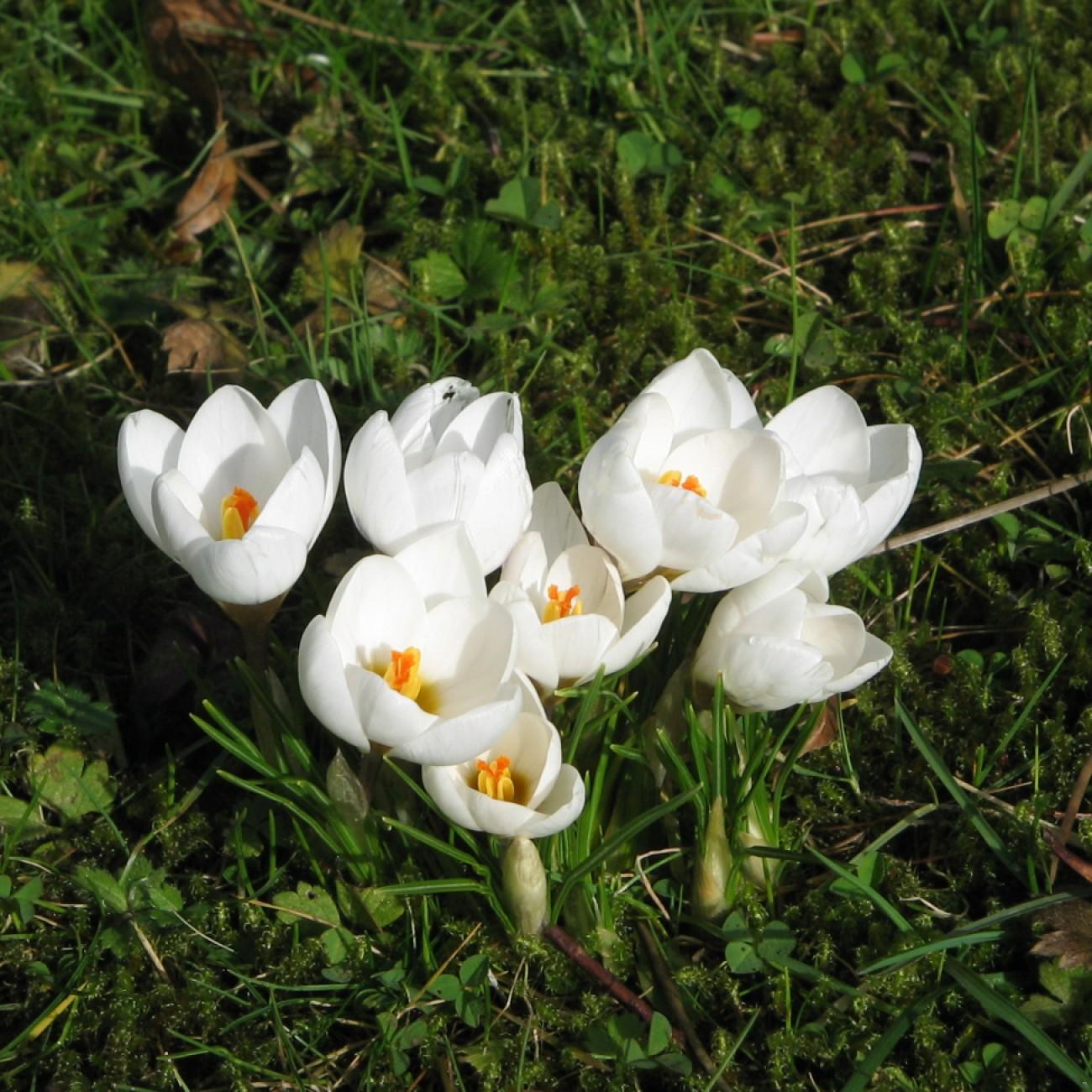
Crocus chrysanthus: Complete Care, Cultivars, and Growing Guide
Learn all about Crocus chrysanthus, the early-blooming snow crocus, including care tips, popular cultivars, and how to grow these pet-safe spring flowers.
2026-07-07 · 13 min read
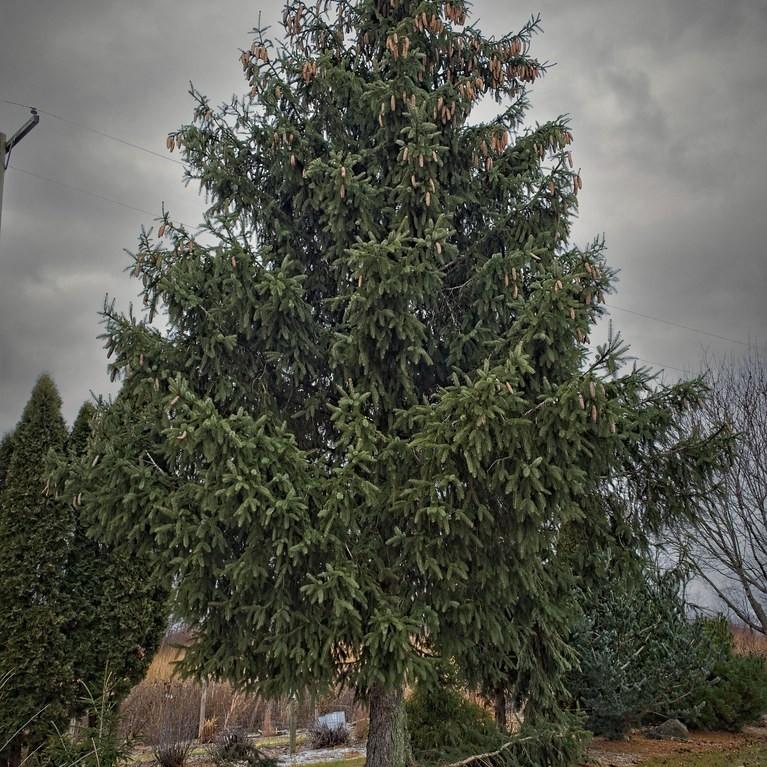
Norway Spruce: Identification, Care, Cultivars, and Uses
Learn all about Norway spruce (Picea abies), including its growth habits, popular cultivars, planting guidelines, care requirements, and common uses for landscapes.
2026-07-06 · 11 min read