Manioc : guide complet d'identification, d'entretien, d'utilisations et de sécurité
Découvrez tout ce qu'il faut savoir sur le manioc : ses caractéristiques botaniques, sa culture, sa transformation sans risque pour la consommation, des conseils de conservation et comment faire pousser cette denrée tropicale résistante à la sécheresse.
Manioc : guide complet d'identification, d'entretien, d'utilisations et de sécurité
Cet arbuste tropical ligneux est cultivé pour ses racines tubéreuses riches en amidon, qui constituent un aliment de base pour plus de 800 millions de personnes dans le monde. Il est divisé en deux groupes de cultivars : les variétés douces à faible teneur en cyanure, et les variétés amères toxiques qui nécessitent une transformation approfondie pour être consommées sans risque.
Qu'est-ce que le manioc ? Bases botaniques essentielles
De nom scientifique Manihot esculenta, cet arbuste est principalement cultivé pour ses tubercules riches en nutriments et en amidon, qui représentent une source alimentaire essentielle dans toutes les régions tropicales. Il est divisé en deux groupes de cultivars : les variétés douces à faible teneur en cyanure, et les variétés amères très toxiques qui nécessitent une longue transformation pour être consommées sans danger.
Port et caractéristiques des tiges
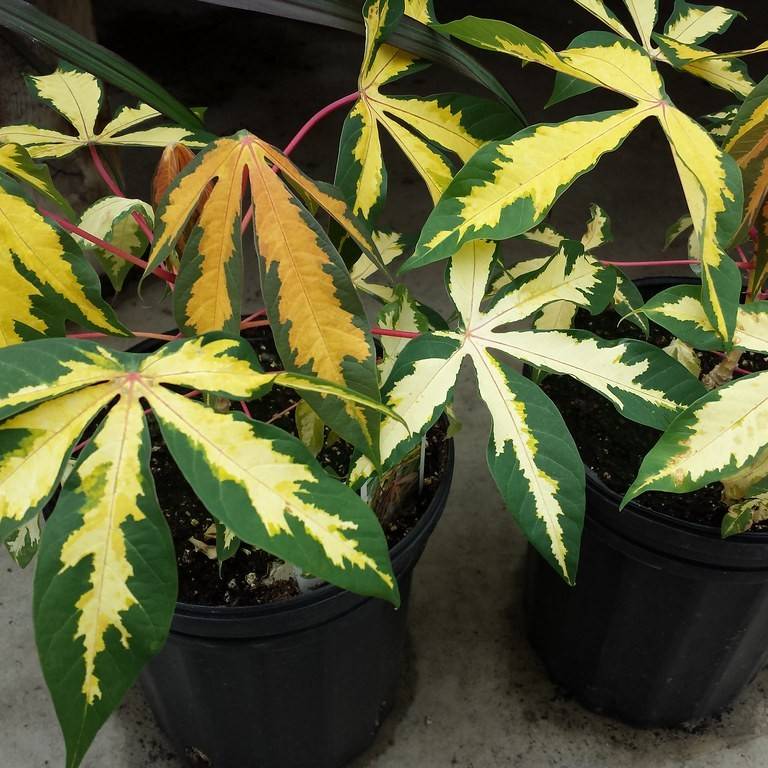
Les spécimens matures atteignent 2 à 4 mètres de hauteur à leur croissance maximale, avec des tiges ligneuses droites à écorce rougeâtre ou brun clair, et des cicatrices foliaires marquées là où les anciennes feuilles sont tombées. Les tiges sont creuses entre les nœuds, ce qui les rend faciles à couper pour la propagation. Si vous le cultivez avec d'autres plantes tropicales résistantes à la sécheresse, son port dressé en fait une bonne option de bordure moyenne pour ajouter de la hauteur aux massifs de jardin.
Marqueurs d'identification des feuilles
Les feuilles sont l'identifiant visuel le plus fiable de la plante : elles sont palmées (en forme de main ouverte) avec 5 à 7 lobes pointus et profondément découpés, et poussent de manière alternée le long de la tige. Les feuilles matures sont vert foncé sur le dessus et vert pâle en dessous, avec de longs pétioles (pédoncules foliaires) rougeâtres qui se connectent à la tige principale. Les jeunes feuilles peuvent avoir une légère teinte rougeâtre sur les bords avant de se déployer complètement.
Caractéristiques des fleurs, des fruits et des graines
Ces arbustes ne produisent des fleurs que sous de longues heures de lumière du jour, donc la floraison est rare dans les régions où il y a moins de 12 heures d'ensoleillement par jour. Lorsqu'ils fleurissent, les fleurs sont petites, jaune pâle ou blanches, et poussent en grappes à l'extrémité des tiges. Le fruit qui en résulte est une petite capsule ronde à trois lobes qui s'ouvre à maturité pour libérer des graines noires en forme de disque. La plupart des cultivateurs amateurs et de petite échelle n'utilisent pas de graines pour la propagation, car les boutures de tige s'enracinent beaucoup plus facilement.
Structure et taille des racines
Les tubercules sont allongés et recouverts d'une peau extérieure rugueuse brune dont l'épaisseur varie de mince et papyracée à épaisse et ligneuse. La chair en dessous est généralement blanc brillant, bien que certains cultivars aient une chair jaune ou rose pâle. Les racines matures pèsent généralement 0,5 à 2,5 kg chacune et mesurent 20 à 40 cm de long, s'étendant horizontalement de 30 à 60 cm depuis la base de la plante. Contrairement aux pommes de terre, les tubercules n'ont pas d'yeux, donc ils ne peuvent pas être utilisés pour faire pousser de nouvelles plantes.
Étymologie : d'où vient son nom
Le nom commun « manioc » vient du mot taino kasabi, terme désignant le pain fabriqué à partir de la racine amylacée de la plante par les communautés autochtones des Caraïbes. Le nom alternatif « yuca » (à ne pas confondre avec le yucca du désert) vient également du taino, tandis que l'épithète d'espèce esculenta signifie « comestible » en latin.
Variations régionales du nom
Cette culture a des dizaines de noms communs régionaux dans toute sa zone de culture. Dans certaines régions d'Amérique du Sud, on l'appelle mandioca ou aipim ; en Afrique de l'Ouest, il est connu sous le nom de garri (d'après la farine transformée fabriquée à partir de ses racines) ou fufu ; en Asie du Sud-Est, on l'appelle ubi kayu ou manioc. Le terme tapioca désigne exclusivement l'amidon raffiné extrait de ses racines, et non la plante elle-même.
Histoire du manioc : domestication et diffusion mondiale
Cette culture a été domestiquée pour la première fois le long de la rive sud du bassin amazonien il y a environ 10 000 ans, ce qui en fait l'une des plus anciennes cultures de racines cultivées. Les commerçants portugais ont apporté la plante en Afrique de l'Ouest au XVIe siècle, et elle s'est ensuite répandue en Asie du Sud-Est, où elle est aujourd'hui une culture commerciale majeure pour la production d'amidon et de biocarburants.
Utilisations culturelles historiques
Les communautés autochtones de l'Amazonie et des Caraïbes ont développé des méthodes de transformation du manioc amer il y a des milliers d'années, notamment le trempage, la fermentation et le pressage des racines pour éliminer les composés toxiques de cyanure avant consommation. Sa capacité à prospérer dans des sols pauvres et peu nutritifs et à survivre à de longues périodes de sécheresse en a fait une culture de secours fiable pour les communautés sujettes aux pénuries de pluies saisonnières, à l'instar de l'agave, une autre culture amylacée à faible besoin en eau cultivée dans les régions arides des Amériques.
Génome : caractéristiques clés ciblées par les sélectionneurs
L'espèce a un génome diploïde de 36 chromosomes, et les efforts de séquençage ont permis d'identifier les gènes liés à sa forte tolérance à la sécheresse, à sa résistance naturelle aux ravageurs et à la production de glycosides cyanogéniques (précurseurs du cyanure). Les sélectionneurs utilisent ces données pour développer des variétés à rendement plus élevé et à plus faible teneur en toxines adaptées à l'agriculture à petite échelle et à la culture amateur.
Cultivars améliorés courants
La plupart des cultivars améliorés sont sélectionnés pour des régions de culture et des cas d'utilisation spécifiques. Les variétés courantes pour la culture à domicile sont :
- TMS 90257 : une variété douce à haut rendement et à faible teneur en cyanure, résistante aux virus de la mosaïque courants
- TME 419 : une variété amère sélectionnée pour sa haute teneur en amidon, idéale pour la transformation en farine ou en tapioca
- Manioc jaune : une variété douce à chair jaune riche en bêta-carotène, développée pour lutter contre les carences en vitamine A en Afrique subsaharienne
Vérifiez toujours les niveaux de toxines des cultivars avant de les planter si vous avez l'intention de récolter et de consommer les racines, car certaines variétés améliorées sont toujours classées comme amères et nécessitent une transformation complète avant consommation.
Comment cultiver le manioc à domicile ou à petite échelle
Ces arbustes poussent mieux en plein soleil, dans un sol limono-sableux bien drainé et à des températures comprises entre 25 °C et 32 °C ; ils ne survivent pas au gel. Ils sont propagés à partir de boutures de tige de 20 à 30 cm plutôt que de graines, plantées à 60 à 90 cm d'intervalle en rangs, et nécessitent très peu d'apports d'eau supplémentaires une fois établies, ce qui les rend idéaux pour les jardins à faible consommation d'eau.
Exigences en matière de sol et d'ensoleillement
Cette culture tolère une large gamme de pH du sol, de 4,5 à 8,0, mais elle pourrit si elle est plantée dans un sol argileux lourd et gorgé d'eau. Évitez d'amender le sol avec de grandes quantités d'engrais riche en azote avant la plantation, car cela encouragera une croissance excessive des feuilles au détriment du développement des racines. Plantez dans un endroit qui reçoit au moins 8 heures de soleil direct par jour, car les plantes ombragées produiront des tubercules plus petits et à rendement plus faible.
Si vous vivez dans un climat tempéré, plantez les boutures dans des conteneurs de 38 à 57 litres qui peuvent être déplacés à l'intérieur pendant les périodes de froid. Utilisez un terreau bien drainant formulé pour les plantes tropicales, et assurez-vous que le conteneur a des trous de drainage pour éviter la pourriture des racines.
Besoins en eau et en engrais
Arrosez les boutures de tige nouvellement plantées une fois toutes les 2 à 3 jours pendant les 4 à 6 premières semaines, jusqu'à ce que de nouvelles feuilles apparaissent et que les racines soient établies. Après cela, n'arrosez que pendant les périodes de sécheresse prolongée de 2 semaines ou plus, car un excès d'eau peut provoquer la pourriture des racines et réduire le rendement en tubercules. Les plantes ont besoin de très peu d'engrais pour prospérer ; une application légère d'engrais équilibré 10-10-10 une fois 3 mois après la plantation est suffisante pour la plupart des jardins amateurs.
Gestion des ravageurs et des maladies
Sa résistance naturelle aux ravageurs est l'un des principaux avantages de cette culture en tant qu'option peu exigeante, mais elle peut être affectée par un petit nombre de problèmes courants :
- Virus de la mosaïque du manioc : transmis par les aleurodes, ce virus provoque une marbrure jaune sur les feuilles et un rabougrissement de la croissance. Retirez et détruisez immédiatement les plantes infectées pour éviter la propagation, et plantez des cultivars résistants au virus si la maladie est courante dans votre région.
- Cochenilles farineuses : ces petits insectes blancs et duveteux se regroupent sur le dessous des feuilles et les tiges, suçant la sève de la plante. Essuyez-les avec un chiffon humide ou vaporisez de l'huile de neem pour contrôler les petites infestations.
- Pourriture des racines : causée par un excès d'eau ou un sol mal drainé, la pourriture des racines provoque le jaunissement, le flétrissement des feuilles et des tubercules mous et pâteux. Prévenez-la en plantant dans un sol bien drainé et en évitant un arrosage excessif.
Quand et comment récolter
Les plantes sont prêtes à être récoltées 8 à 12 mois après la plantation, lorsque les feuilles inférieures commencent à jaunir et à tomber. Pour récolter, coupez la tige principale à 15 à 30 cm au-dessus de la ligne du sol, puis desserrez doucement le sol autour des racines avec une fourche ou une pelle pour éviter d'endommager les tubercules, qui se meurtrissent facilement et se gâtent plus vite.
Rendement attendu par plante
Une plante mature et saine produira 4 à 8 tubercules récoltables par plante, pour un rendement total de 2 à 9 kg par plante selon les conditions de culture et le cultivar. Les cultivars doux cultivés pour la consommation fraîche produisent généralement des rendements plus faibles que les cultivars amers à haute teneur en amidon cultivés pour la transformation. La section de tige restante de 15 à 30 cm laissée dans le sol après la récolte repoussera et produira une seconde récolte de tubercules l'année suivante, éliminant le besoin de replanter dans les régions sans gel.
Manipulation sans risque pendant la récolte
Portez des gants lors de la récolte des cultivars amers, car la sève des tiges et des racines coupées peut causer une irritation de la peau chez les personnes sensibles. Évitez de couper ou de meurtrir les tubercules pendant la récolte, car les zones endommagées se gâtent rapidement et peuvent augmenter les niveaux de cyanure dans la chair environnante. Si vous récoltez du manioc amer, transformez les racines immédiatement après la récolte pour éliminer les composés toxiques, car les niveaux de cyanure peuvent augmenter si les racines restent à température ambiante.
Manipulation et conservation des racines
Les racines non transformées se gâtent rapidement à température ambiante, généralement dans les 3 à 7 jours suivant la récolte, en raison de leur haute teneur en humidité. Pour une conservation à court terme, enveloppez les racines non pelées dans des essuie-tout et conservez-les dans le bac à légumes du réfrigérateur pendant 2 semaines maximum. Pour une conservation à long terme, épluchez, coupez en tranches et congelez les racines, ou transformez-les en farine séchée.
Signes de racines gâtées
Jetez les racines si vous remarquez l'un des signes de détérioration suivants :
- Taches molles et pâteuses sur la peau extérieure
- Décoloration brun foncé ou noire de la chair après épluchage
- Une odeur amère semblable à celle de l'amande (c'est également un signe de haute teneur en cyanure dans les variétés amères)
- Moisissure sur la peau ou les surfaces coupées
Les racines pelées brunissent rapidement lorsqu'elles sont exposées à l'air, donc plongez-les dans de l'eau froide immédiatement après épluchage si vous ne prévoyez pas de les cuisiner ou de les transformer tout de suite.
Conservation des boutures de tige propagées
Les boutures de tige conservées pour la plantation de la saison prochaine peuvent être stockées pendant 2 mois maximum dans un endroit frais, sec et bien ventilé à des températures comprises entre 13 °C et 18 °C. Empilez les boutures horizontalement en une seule couche, et évitez de les exposer à la lumière directe du soleil ou à l'humidité, ce qui peut provoquer la pourriture ou une germination prématurée. Avant la plantation, inspectez les boutures pour détecter les signes de moisissure ou de pourriture molle, et jetez toutes les pièces endommagées.
Sécurité : comment transformer les variétés amères pour la consommation
Le manioc amer contient des niveaux élevés de glycosides cyanogéniques, qui libèrent du cyanure lorsqu'il est consommé cru ou insuffisamment transformé, ce qui le rend extrêmement toxique pour les humains et les animaux domestiques. Pour rendre le manioc amer sûr à manger, épluchez les racines complètement, faites-les tremper dans de l'eau froide pendant 3 à 5 jours, puis faites-les bouillir, rôtir ou fermenter pendant au moins 30 minutes pour décomposer tous les composés toxiques.
Différences clés entre le manioc doux et amer
La seule façon fiable de distinguer les cultivars doux et amers est par des tests en laboratoire, mais il existe quelques lignes directrices générales qui peuvent vous aider à éviter un empoisonnement accidentel :
- Les variétés douces ont des niveaux de cyanure plus faibles concentrés presque entièrement dans l'écorce extérieure, donc l'épluchage et la cuisson pendant 15 à 20 minutes sont généralement suffisants pour les rendre sûres à manger.
- Les variétés amères ont des niveaux élevés de cyanure répartis dans toute la chair de la racine, donc le trempage et une cuisson prolongée sont nécessaires pour éliminer la toxicité.
- De nombreux agriculteurs à petite échelle étiquettent leurs plantes par cultivar au moment de la plantation, donc confirmez toujours le type avant de récolter et de manger les racines. Si vous n'êtes pas sûr du cultivar, péchez par excès de prudence et utilisez la méthode de transformation complète pour les variétés amères.
Symptômes d'empoisonnement au cyanure
L'empoisonnement au cyanure causé par des racines insuffisamment transformée apparaît généralement dans les 1 à 2 heures suivant la consommation, et les symptômes incluent :
- Maux de tête, vertiges et confusion
- Nausées, vomissements et douleurs abdominales
- Respiration rapide et fréquence cardiaque accrue
- Convulsions ou perte de conscience dans les cas graves
Si vous ou quelqu'un que vous connaissez présente ces symptômes après avoir mangé du manioc, consultez immédiatement un médecin d'urgence.
Utilisations courantes
Les racines sont la principale source d'amidon de tapioca, utilisé dans les puddings, le bubble tea, la pâtisserie sans gluten et l'épaississement des sauces. Les jeunes feuilles sont également comestibles (lorsqu'elles sont bien cuites) et riches en protéines, en vitamine A et en vitamine C, tandis que les tiges ligneuses de la plante peuvent être utilisées comme paillis ou combustible dans les régions tropicales.
Utilisations commerciales non alimentaires
Au-delà de la production alimentaire, cette culture a un large éventail d'utilisations industrielles commerciales :
- La haute teneur en amidon de ses racines est utilisée pour fabriquer des emballages biodégradables, des adhésifs et des textiles.
- C'est une matière première majeure pour la production de biocarburants dans certaines régions d'Asie du Sud-Est et d'Afrique subsaharienne, car elle produit plus d'éthanol par hectare que le maïs dans les sols peu nutritifs.
- Son amidon est utilisé dans les produits pharmaceutiques comme liant pour les pilules et les comprimés, et dans les cosmétiques comme épaississant pour les lotions et les crèmes.
Comment identifier un manioc avec Sproutly
Si vous rencontrez un arbuste tropical avec des feuilles palmées à 5-7 lobes et des tiges rougeâtres et que vous n'êtes pas sûr qu'il s'agisse d'un manioc, l'application Sproutly peut confirmer son identité en quelques secondes par un simple téléchargement de photo. Sproutly signalera également si la plante est le cultivar amer toxique, et partagera des conseils d'entretien personnalisés si vous le cultivez à la maison.
Pour identifier votre plante avec Sproutly, prenez une photo claire et bien éclairée des feuilles, de la tige et (si elles sont visibles) des racines, et téléchargez-la dans l'application. L'outil d'identification des plantes de Sproutly comparera votre photo à sa vaste base de données de plantes tropicales pour confirmer l'espèce, et fournira des informations sur le niveau de toxines du cultivar, le calendrier de récolte et les exigences de transformation pour une consommation sans danger.
Foire aux questions
Le manioc est-il toxique ?
Les variétés amères sont très toxiques lorsqu'elles sont crues ou insuffisamment transformées, car elles contiennent des composés produisant du cyanure. Les variétés douces ont des niveaux de toxines beaucoup plus faibles, mais tout le manioc doit être épluché et bien cuit avant consommation pour éliminer tout risque restant.
Combien de temps faut-il à un manioc pour produire des racines ?
La plupart des variétés produisent des racines matures et récoltables 8 à 12 mois après la plantation de boutures de tige. Certains cultivars doux à croissance rapide peuvent être prêts pour de petites récoltes dès 6 mois dans des conditions très chaudes et ensoleillées.
Puis-je faire pousser du manioc dans un climat tempéré ?
Ces arbustes ne tolèrent pas le gel, mais vous pouvez les cultiver dans des conteneurs dans les climats tempérés. Déplacez les conteneurs à l'intérieur ou dans une serre chauffée lorsque les températures descendent en dessous de 10 °C, et ramenez-les à l'extérieur une fois que tout risque de gel est passé au printemps.
Quelle est la différence entre le manioc et le yucca ?
Le manioc (Manihot esculenta) est une culture racinaire tropicale également appelée yuca, tandis que le yucca est un genre distinct de succulentes du désert appartenant à la famille des Asparagacées. Les deux ne sont pas apparentés, bien que leurs noms aux sonorités similaires causent souvent de la confusion.
Les feuilles de manioc sont-elles comestibles ?
Oui, les jeunes feuilles sont comestibles lorsqu'elles sont bien cuites pendant au moins 10 minutes pour décomposer les composés cyanogéniques. Elles sont un ingrédient courant dans les ragoûts et les sautés dans toute l'Afrique de l'Ouest et centrale et l'Asie du Sud-Est.
Essayez Sproutly
Que vous cultiviez un manioc dans votre jardin, que vous cueilliez des cultures racines tropicales sauvages ou que vous cherchiez des plantes résistantes à la sécheresse peu exigeantes à ajouter à votre collection, Sproutly simplifie l'identification et l'entretien des plantes. Téléchargez une photo de n'importe quelle plante pour obtenir une identification instantanée, des calendriers d'entretien personnalisés et des conseils de sécurité pour les variétés comestibles et toxiques. Téléchargez Sproutly aujourd'hui pour commencer à cultiver en toute confiance.
Lectures associées
D'autres guides qui pourraient vous plaire
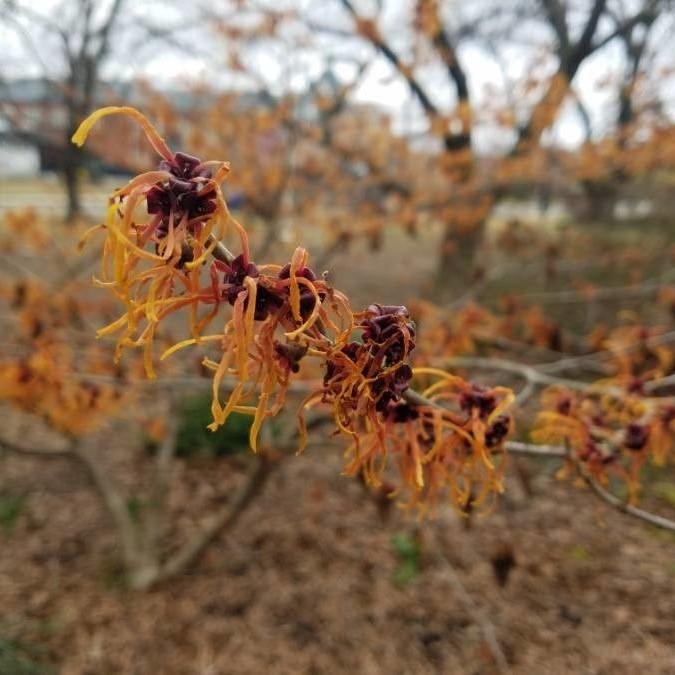
Hamamelis Mollis (Chinese Witch Hazel): Complete Grow & Care Guide
Learn to grow, care for, and enjoy Hamamelis mollis (Chinese witch hazel), a fragrant winter-blooming shrub with vibrant autumn foliage for temperate gardens.
2026-07-26 · 12 min read
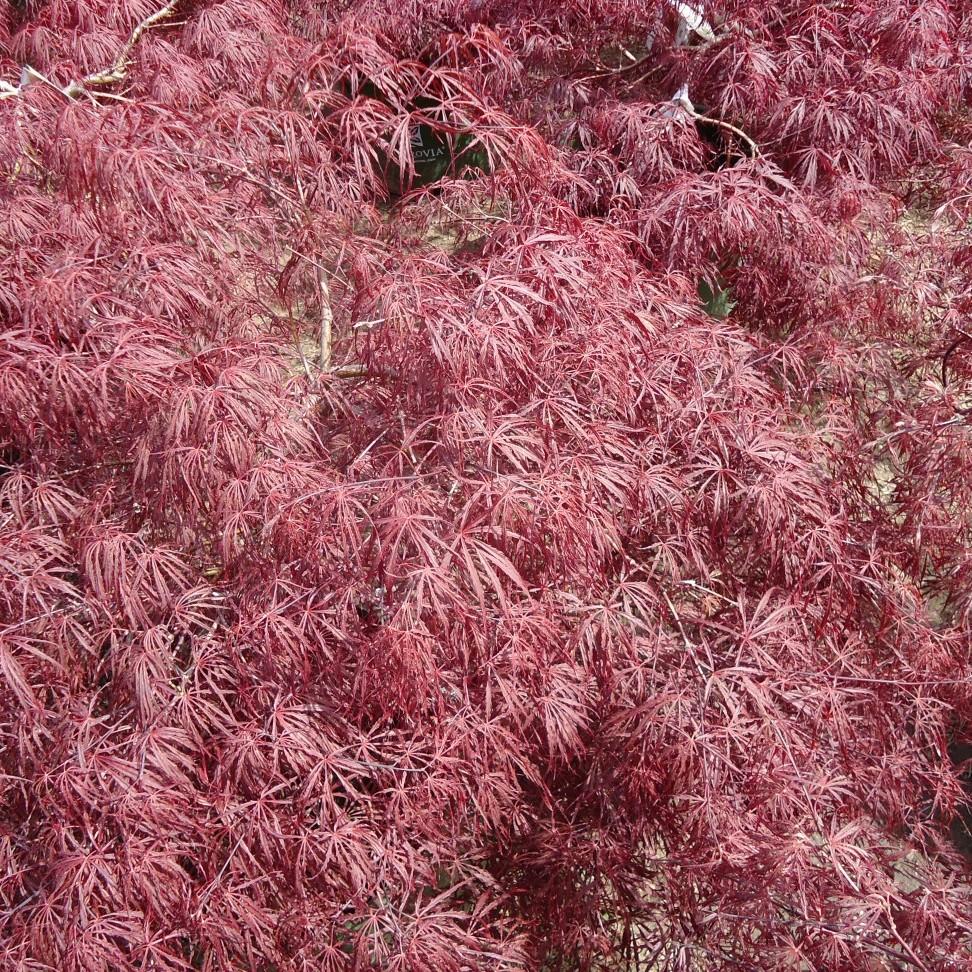
Japanese Maple Plant Description: Key Details for Iijima Sunago, Select Red, and Popular Cultivars
Get clear, beginner-friendly descriptions of Japanese maple trees, including specific details for Iijima Sunago and Select Red cultivars, plus care and pruning tips.
2026-07-26 · 8 min read
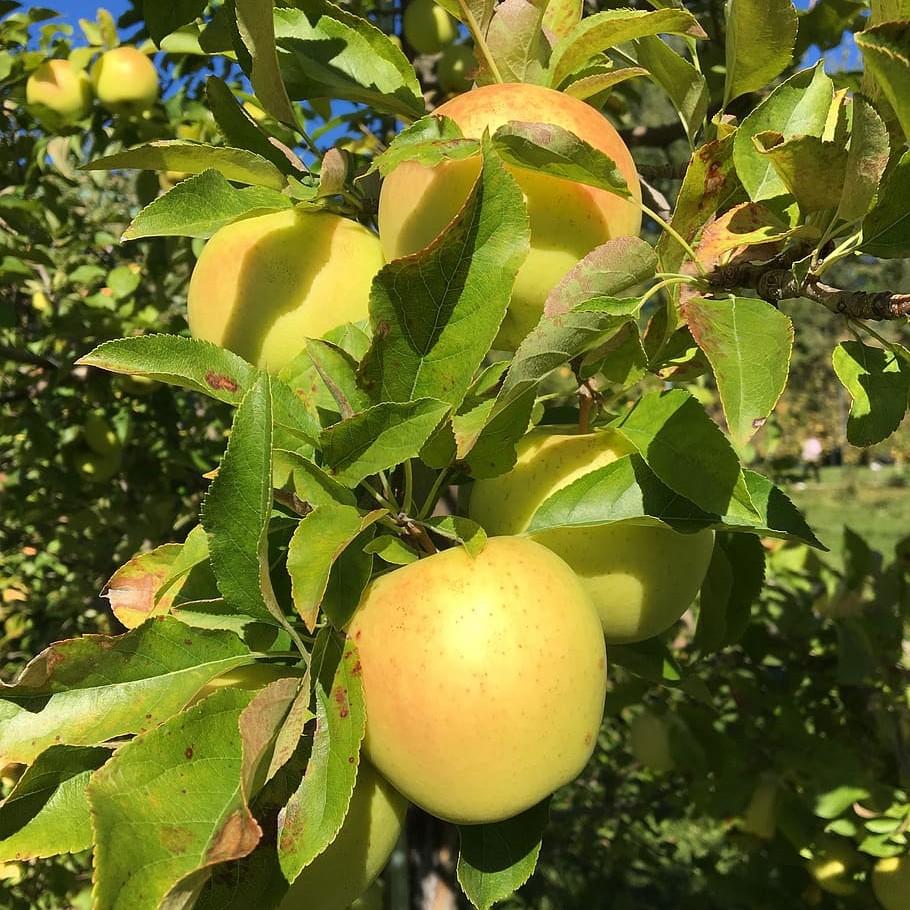
Flowering Crabapple: Grow Guide, Cultivars, and Landscape Uses
Learn to grow and care for flowering crabapple trees, with tips on cultivar selection, bloom care, disease resistance, and using their edible fruit and seasonal foliage.
2026-07-25 · 11 min read