African Violet: Complete Care, Growing, and Troubleshooting Guide
Learn how to care for African violets, including proper watering, light needs, blooming tips, and solutions for common problems to keep your plants thriving year-round.
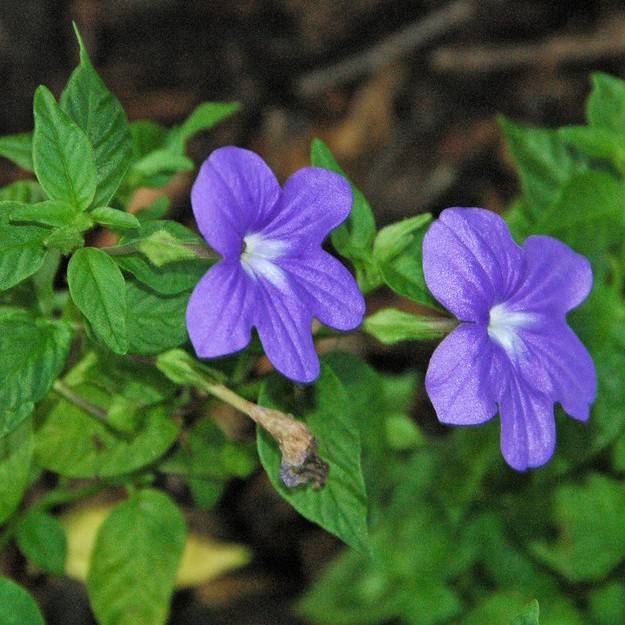
African Violet: Complete Care, Growing, and Troubleshooting Guide
African violets are compact tropical houseplants that require 10–12 hours of bright indirect light, consistent slightly moist soil, and temperatures between 65–75°F (18–24°C) to thrive. With proper care, they bloom 8–10 months out of the year, making them a low-maintenance option for small indoor spaces.
What Is an African Violet?
African violet (Streptocarpus ionanthus, formerly classified as Saintpaulia ionantha) is a compact tropical perennial houseplant prized for its fuzzy, velvety leaves and year-round delicate blooms in shades of purple, pink, white, and bi-color. It grows 4–6 inches tall and wide on average, making it ideal for small windowsills, desk spaces, and shelf displays.
- Official classification: Streptocarpus ionanthus (syn. Saintpaulia ionantha)
- Key traits: Fuzzy foliage, continuous blooming habit, compact size
- Ideal use: Indoor houseplant for low to medium light spaces
If you’re unsure if a plant in your collection is an African violet, use Sproutly to scan its leaves or blooms for fast, accurate identification. For more background on the species, check our full African violet plant profile. If you want to expand your collection with other non-toxic flowering options, browse our list of pet-safe flowering houseplants. For outdoor growing, explore full-sun outdoor violet varieties that thrive in garden beds.
Ideal Light Conditions for African Violets
African violets thrive in bright, indirect light, such as that from a north or east-facing window, with 10–12 hours of light per day to support regular blooming. Direct afternoon sun will scorch their delicate leaves, causing brown, crispy edges, while too little light will result in long, leggy stems and no flowers.
- Ideal window placement: North or east-facing, 1–2 feet away from the glass
- Supplemental light option: Full-spectrum LED grow lights placed 12–18 inches above plants for 12 hours daily in low-light seasons
- Red flags of poor light: Leggy growth, no blooms, yellowing lower leaves
Sproutly can send you customized light adjustment reminders if you notice your African violet showing signs of insufficient or excessive light exposure.
How to Water African Violets Correctly
African violets prefer consistently slightly moist (not soggy) soil, and are prone to crown rot if water is poured directly on their leaves or crown. The most reliable method is bottom-watering: set the pot in a tray of room-temperature water for 15–20 minutes, then drain any excess water to prevent root rot.
- Watering frequency: Every 7–10 days, adjusted based on home humidity and temperature
- Water temperature rule: Use water 65–75°F (18–24°C) to avoid shocking the plant’s roots
- Mistake to avoid: Never let African violet pots sit in standing water for more than 30 minutes
Log your African violet watering sessions in Sproutly to get personalized reminders for your home’s specific conditions, so you never over or under-water again.
Best Soil and Pot Requirements for African Violets
African violets need loose, well-draining, slightly acidic soil with a pH of 6.4–6.8 to support their shallow, fine root systems. A pre-mixed African violet potting soil works well, or you can make your own by mixing 1 part perlite, 1 part peat moss, and 1 part vermiculite for optimal drainage and aeration.
- Pot specifications: Use a pot 1/3 the size of the plant’s leaf spread, with at least one drainage hole
- Repotting schedule: Every 12–18 months, or when roots start growing out of the drainage holes
- Root bound sign: Slowed growth, water draining straight through the pot immediately after watering
If you need help identifying the right soil mix for your African violet, scan your plant in Sproutly to get tailored growing medium recommendations.
Temperature and Humidity Needs for African Violets
African violets grow best in temperatures between 65–75°F (18–24°C), and will suffer damage if exposed to temperatures below 60°F (15°C) or above 80°F (27°C) for extended periods. They prefer 40–60% relative humidity, which is slightly higher than the average indoor humidity in most dry or winter climates.
- Humidity boosting tips: Place the pot on a tray filled with pebbles and water, or group it with other tropical houseplants
- Draft risk: Avoid placing African violets near heating vents, air conditioners, or drafty windows
- Cold damage sign: Water-soaked, mushy leaves after exposure to cold air
Sproutly can alert you if your home’s temperature or humidity falls outside the ideal range for your African violet, so you can adjust conditions before damage occurs.
How to Get African Violets to Bloom Year-Round
African violets will bloom continuously for 8–10 months a year if given consistent light, proper watering, and regular, diluted fertilization. Each individual bloom lasts 2–3 weeks, and spent blooms should be pinched off at the base of the stem to encourage new flower production.
- Fertilizer recommendation: Use a balanced, water-soluble African violet fertilizer diluted to 1/4 strength every 4–6 weeks during active growth
- Deadheading tip: Pinch off wilted blooms and yellowing leaves regularly to redirect energy to new growth and flowers
- No bloom common causes: Insufficient light, over-fertilization, root bound conditions, or inconsistent watering
Set up fertilization reminders in Sproutly to stick to a schedule that supports regular, long-lasting blooms for your African violet.
How to Propagate African Violets
African violets are easy to propagate from healthy, mature leaf cuttings, with the highest success rate in spring and early summer when the plant is in active growth. Variegated cultivars can also be propagated from leaf cuttings, though some may lose variegation if the cutting has too little green tissue.
- Cut a healthy leaf with 1–2 inches of stem attached, selecting a mature leaf from the middle of the plant (avoid very young or old, yellowing foliage)
- Let the cut end callus over for 24 hours in a cool, dry spot to prevent rot
- Plant the stem 1/2 inch deep in moist, well-draining African violet soil
- Cover the pot with a clear plastic bag or propagation dome to retain humidity, and place it in bright, indirect light
- Wait 6–8 weeks for new plantlets to form at the base of the leaf
- Separation tip: Once new plantlets have 3–4 leaves, gently separate them from the parent leaf and pot them individually in their own small containers
- Propagation mistake to avoid: Do not overwater cuttings, as this will cause the leaf to rot before new roots form
If you’re unsure if a new plantlet is ready to be repotted, scan it in Sproutly to confirm its growth stage and care needs.
Common African Violet Pests and Problems
The most common pests affecting African violets are cyclamen mites, mealybugs, and fungus gnats, while the most frequent growing issues are crown rot, leaf spot, and failure to bloom. Most problems are easily fixed by adjusting care routines before permanent damage occurs.
- Cyclamen mite treatment: Isolate the affected plant immediately to prevent spread to other houseplants, prune heavily infested leaves, and apply insecticidal soap or neem oil according to package instructions
- Crown rot fix: Stop watering immediately, remove any mushy leaves or rotted roots, and repot the plant in fresh, dry African violet soil
- Brown leaf spot cause: Cold water splashed on leaves, or direct sun exposure on wet foliage; avoid overhead watering and move plants away from unfiltered afternoon sun to prevent spots
- Fungus gnat solution: Allow the top 1/2 inch of soil to dry out between waterings, and apply sticky traps to catch adult gnats; heavy infestations can be treated with a diluted neem oil soil drench
If you spot unusual spots or damage on your African violet, use Sproutly to diagnose the issue and get step-by-step treatment instructions fast. Use the quick-reference table below to match common symptoms to their root causes:
| Symptom | Common Cause | Fix |
|---|---|---|
| No blooms for 3+ months | Insufficient light, over-fertilization, or root bound conditions | Move to a brighter spot, flush soil to remove excess fertilizer, or repot into a slightly larger pot |
| Yellow lower leaves | Overwatering, cold exposure, or old age | Check soil moisture, move away from drafty windows, and prune dead lower foliage |
| White fuzzy spots on leaves | Mealybug infestation | Wipe leaves with a cotton swab dipped in rubbing alcohol, and apply insecticidal soap |
| Wilting despite moist soil | Root rot or crown rot | Remove rotted tissue, repot in dry fresh soil, and adjust watering frequency |
Frequently Asked Questions About African Violets
How often do African violets bloom?
With proper care, African violets bloom 8–10 months out of the year, with individual flowers lasting 2–3 weeks each. Consistent 10–12 hours of bright indirect light and regular diluted fertilization will support continuous blooming.
Are African violets toxic to pets?
African violets are non-toxic to cats, dogs, and horses, according to the ASPCA, making them a safe choice for households with pets. Always confirm plant identification with a tool like Sproutly if you are unsure of a plant’s safety.
Why are the leaves on my African violet turning yellow?
Yellow leaves on African violets are most often caused by overwatering, insufficient light, over-fertilization, or exposure to cold temperatures. Check the soil moisture first, then adjust light and fertilization routines as needed.
Do African violets need special pots?
African violets grow best in small, shallow pots with drainage holes that are roughly 1/3 the size of the plant’s leaf spread. Self-watering pots designed for African violets can also work well to maintain consistent soil moisture.
How long do African violets live?
With proper care, African violets can live 40–50 years, as long as they are repotted regularly, kept in stable growing conditions, and free of severe pest or disease damage. Many growers keep the same African violet plant for decades.
Try Sproutly for Customized Plant Care
Sticking to a consistent care routine is the key to keeping your African violet thriving and blooming for years to come. With Sproutly, you can scan your plant to confirm its identity, set personalized reminders for watering, fertilizing, and repotting, and get fast diagnoses for common pests and growing issues. To start caring for your plants with confidence, download Sproutly today.
Lectures associées
D'autres guides qui pourraient vous plaire
Akee Fruta: Origin, Safety, Uses, and Growing Guide
Learn all about akee fruta, the tropical Blighia sapida tree, including its safe preparation, nutrition, culinary uses, and toxicity risks.
2026-08-07 · 15 min read
Game Plant: The Ultimate Guide to Plants in Gaming & Real-World Lookalikes
Explore game plant origins, their roles in popular titles like Plants vs. Zombies, and real plant varieties that match iconic in-game designs for your home or garden.
2026-08-05 · 10 min read
Dichondra Argentea (Silver Falls): Complete Care, Growing, and Use Guide
Learn how to grow and care for Dichondra argentea 'Silver Falls', a drought-tolerant, pet-safe trailing perennial perfect for hanging baskets and ground cover.
2026-08-04 · 11 min read