Weeping Ficus: Complete Care Guide, Cultivars, and Common Issues
Learn how to grow and care for a weeping ficus (Ficus benjamina) indoors, including light, water, and humidity needs, plus common problems to avoid.
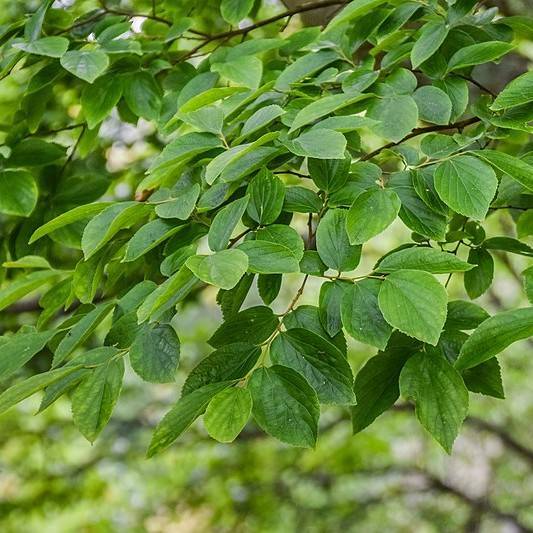
Weeping Ficus: Complete Care Guide, Cultivars, and Common Issues
Weeping ficus (Ficus benjamina) is a low-maintenance tropical houseplant grown for its arching branches and glossy oval foliage. It requires bright indirect light, temperatures between 65°F and 85°F, and watering only when the top 2 to 3 inches of soil are fully dry to prevent stress-related leaf drop.
What Is a Weeping Ficus?
Also called Ficus benjamina, this tropical evergreen houseplant is native to Asia and Australia, recognizable by its slender, arching branches and small, glossy oval leaves that droop gently from stems. Mature outdoor specimens can reach 60 feet tall, while indoor plants typically grow 3 to 10 feet tall depending on pot size and pruning. Use Sproutly to snap a photo of your plant to confirm its identity if you suspect it is one of these popular Ficus varieties.
Key Botanical Traits
As a member of the Moraceae plant family, this plant shares traits with other common Ficus species, including the fiddle-leaf fig and climbing fig. Its leaves grow 2 to 5 inches long, with smooth edges and a pointed tip, and its branches form a dense, rounded canopy as the plant matures. Young plants have flexible, light brown stems that harden into woody trunks with age, making them suitable for shaping as topiary or braided specimens.
How to Tell This Variety Apart From Other Ficus Varieties
Many Ficus species are sold as houseplants, and it is easy to misidentify them without close inspection. This plant has far smaller, more oval leaves than the broad, violin-shaped foliage of the fiddle-leaf fig, and it does not produce the clinging aerial roots that characterize the climbing fig. Unlike the common fig, it does not produce edible fruit when grown indoors. If you are unsure of your Ficus variety, scan a leaf photo with Sproutly to get an accurate identification in seconds. For more guidance on related Ficus care, see our fiddle-leaf fig care guide and climbing fig care instructions.
Light Requirements
This plant thrives in bright, indirect light, such as a spot 3 to 5 feet away from a south or east-facing window with a sheer curtain. Avoid direct midday sun, which can scorch leaves, and avoid low-light areas, which will trigger excessive leaf drop. Rotate your plant ¼ turn every 2 weeks to encourage even growth, and log light conditions in the Sproutly app to get personalized adjustment alerts.
Signs Your Plant Is Getting Too Much Light
Too much direct sun causes immediate, visible damage to foliage. You may notice brown, crispy scorch marks on the edges or centers of leaves, or a bleached, faded appearance across the top of the canopy. Leaves that are damaged by excess sun will not recover, so prune them off and move the plant to a shadier spot to prevent further harm.
Signs Your Plant Isn’t Getting Enough Light
Low light conditions slow growth and trigger stress responses, most notably widespread leaf drop. Leaves will often turn pale yellow before falling, starting from the inside of the canopy and moving outward. You may also notice long, leggy stem growth with large gaps between leaves as the plant stretches toward the nearest light source. If natural light is limited, supplement with a full-spectrum grow light positioned 12 to 18 inches above the plant for 10 to 12 hours per day.
Watering Schedule
Water your plant only when the top 2 to 3 inches of soil feel completely dry to the touch, which typically works out to every 7 to 10 days in spring and summer, and every 10 to 14 days in fall and winter. Overwatering is the most common cause of root rot, so always empty excess water from the plant’s drainage tray 15 minutes after watering. Use Sproutly’s custom watering reminders to avoid over or under-watering your plant.
Signs of Overwatering
Overwatered plants develop soft, mushy stems and yellow leaves that fall off easily when touched. The soil will stay consistently damp for days after watering, and you may notice a sour, rotting odor coming from the pot, which indicates root rot. If caught early, you can fix overwatering by letting the soil dry out completely before watering again. If root rot has set in, repot the plant into fresh, dry potting mix and trim away any black, mushy roots before placing it in the new pot.
Signs of Underwatering
Underwatered plants have crispy, brown leaf tips and leaves that curl inward and droop before falling off. The soil will pull away from the edges of the pot, and water will run straight through the drainage holes without being absorbed when you water. To rehydrate severely underwatered soil, place the entire pot in a sink or tub filled with 2 to 3 inches of water and let it soak for 30 minutes, then drain excess water completely before returning it to its usual spot.
Ideal Temperature and Humidity
This plant grows best in temperatures between 65°F and 85°F, and will drop leaves if exposed to temperatures below 55°F for more than 2 hours. It prefers humidity levels between 50% and 70%, which is higher than the average indoor humidity of 30% to 40% in most temperate homes. Boost humidity by placing a pebble tray filled with water under the pot, grouping it with other humidity-loving plants, or running a small humidifier nearby.
How Cold Drafts Harm Your Plant
Even short exposure to cold drafts can trigger severe leaf drop. Common sources of drafts include open windows in fall and winter, air conditioning vents, and gaps under exterior doors. If you notice leaf drop starting shortly after turning on heating or cooling systems, check the plant’s location for sudden temperature fluctuations. Move the plant at least 3 feet away from any vent or draft source to reduce stress.
Easy Humidity Boosts for Indoor Plants
You do not need a large humidifier to meet your plant’s humidity needs. A simple pebble tray, made by filling a shallow tray with pebbles and water and setting the pot on top of the pebbles (ensuring the pot is not sitting directly in water), will raise local humidity by 10% to 15% as the water evaporates. Misting the plant’s leaves once or twice per day can also provide a temporary humidity boost, though it is less consistent than a pebble tray or humidifier for long-term care.
Soil and Fertilizer Needs
Plant your Ficus benjamina in a well-draining, peat-based potting mix with a pH between 6.0 and 6.5, or a standard indoor potting mix amended with 1 part perlite to improve drainage. Fertilize once a month during spring and summer with a balanced, water-soluble 10-10-10 fertilizer diluted to half strength, and stop fertilizing entirely in fall and winter when growth slows. Repot every 2 to 3 years in a pot 1 to 2 inches larger than the current root ball to avoid root bound stress.
Signs Your Plant Is Root Bound
Root bound plants will have roots growing out of the drainage holes at the bottom of the pot, or circling the top of the soil surface. You may notice stunted growth, even in peak growing season, and the plant will require more frequent watering than usual, as the dense root mass absorbs water quickly and leaves little soil to hold moisture. A severely root bound plant may even crack its pot as the roots expand.
How to Repot Without Causing Leaf Drop
This plant is sensitive to being moved, so take steps to minimize stress during repotting. Water the plant 24 hours before repotting to loosen the soil and hydrate the roots. Gently slide the root ball out of the old pot, and avoid breaking or tearing roots unnecessarily. Place the plant in the new pot at the exact same soil depth as it was in the old pot, and fill in gaps with fresh potting mix. Water lightly after repotting, and keep the plant in its usual location for at least 4 weeks to let it acclimate.
Common Cultivars
The most widely grown cultivar is the standard solid-green Ficus benjamina, but there are several popular cultivated varieties with unique foliage traits. Ficus benjamina 'Variegata' has creamy white edges on its leaves, and requires slightly brighter indirect light than the solid-green variety to maintain its variegation. Other less common cultivars include 'Monique' with ruffled leaf edges and 'Exotica' with twisted, glossy foliage. Upload a photo of your variegated plant to Sproutly to confirm its exact cultivar and get tailored care tips.
Ficus benjamina 'Variegata' Care Differences
Variegated varieties have less chlorophyll in their leaves than the solid-green variety, so they need 1 to 2 hours of gentle morning sun per day to keep their white and green patterning. In low light, the plant will produce more solid-green leaves to increase photosynthesis, and existing variegated leaves may revert to full green. Avoid direct midday sun, which will scorch the delicate white leaf edges faster than it damages solid-green foliage. For more detailed guidance, see our full weeping ficus care guide for variegated cultivars.
Rare Cultivars to Look For
Beyond the common variegated variety, there are several rare cultivars sought after by houseplant collectors. 'Golden King' has leaves with pale yellow edges that deepen to cream as they mature, while 'Reginald' has bright yellow new growth that fades to light green as the leaves age. 'Too Little' is a dwarf cultivar that only grows 2 to 3 feet tall at maturity, making it ideal for small spaces. These rare cultivars have the same core care requirements as the standard variety, with minor adjustments for light needs depending on foliage color.
Common Problems and Fixes
The most common issue with this plant is sudden leaf drop, which can be triggered by moving the plant, temperature fluctuations, overwatering, underwatering, or low light. Other common issues include yellow leaves (usually from overwatering), brown leaf tips (from low humidity or fluoride in tap water), and infestations of spider mites, mealybugs, or scale insects. If you notice unusual spots or damage, scan your plant with Sproutly to diagnose the issue and get step-by-step treatment instructions.
How to Stop Sudden Leaf Drop
Minor leaf drop (losing 10% to 15% of foliage) after a move or environmental change is normal, and the plant will regrow new leaves once it acclimates, which usually takes 2 to 4 weeks. To reduce excessive leaf drop, keep the plant in a consistent location with stable light and temperature, avoid overwatering, and maintain humidity levels above 40%. Do not repot or prune the plant while it is acclimating, as this will add additional stress. If leaf drop continues for more than 4 weeks, check for underlying issues like root rot or pest infestations.
Treating Common Pests
This plant is prone to three common houseplant pests, all of which can be treated if caught early. Spider mites appear as tiny red or brown dots on the undersides of leaves, and leave fine webbing across stems and foliage. Mealybugs look like small, white cottony clusters in leaf axils and along stems, while scale insects appear as small, brown, immobile bumps on leaves and stems. For all three pests, wipe affected areas with a cotton swab dipped in 70% isopropyl alcohol, then spray the entire plant with a neem oil solution diluted to the manufacturer’s instructions. Repeat treatment every 7 days for 3 weeks to kill any newly hatched eggs.
Important Safety and Outdoor Growth Considerations
This plant is non-toxic to dogs, cats, and humans, making it a safe choice for households with pets and small children. Its sap can cause mild skin irritation in people with latex allergies, so wear gloves when pruning or repotting if you have a latex sensitivity. If grown outdoors in USDA zones 10 to 12, it has aggressive, invasive root systems that can damage sidewalks, foundations, and sewer lines, and its shallow roots make it prone to uprooting during hurricanes or strong winds.
Pet Safety Confirmation
Unlike some common houseplants that can cause vomiting or irritation if ingested, this Ficus variety is classified as non-toxic to dogs and cats by the ASPCA. Minor ingestion of leaves may cause mild stomach upset in very young pets, but it does not cause severe or life-threatening symptoms. The sap may cause mild skin irritation if your pet has sensitive skin, so wipe up any sap spills from pruning promptly to avoid contact.
Risks of Planting Outdoors
While this plant makes a nice landscape tree in warm, frost-free climates, its root system poses significant risks that many growers overlook. The roots grow horizontally, close to the soil surface, and can extend 2 to 3 times the width of the tree’s canopy, lifting concrete sidewalks, cracking foundation walls, and clogging sewer lines within 10 years of planting. In coastal areas prone to hurricanes, the species has a high uprooting risk due to its shallow root system, and falling specimens can cause property damage or injury. If you choose to plant outdoors, place it at least 30 feet away from any structure or underground utility line.
Frequently Asked Questions About Weeping Ficus
Is weeping ficus safe for pets?
Yes, weeping ficus (Ficus benjamina) is non-toxic to dogs and cats, so it is a safe choice for households with pets. Its sap may cause mild skin irritation in people with latex allergies, so wear gloves when handling if you have a sensitivity.
Why is my weeping ficus dropping leaves?
Weeping ficus drops leaves in response to stress, most commonly from being moved to a new spot, exposure to cold drafts, overwatering, underwatering, or insufficient light. Minor leaf drop after a move is normal, and the plant will regrow leaves once it acclimates to its new environment.
How big does a weeping ficus grow indoors?
Indoor weeping ficus typically grows 3 to 10 feet tall, depending on pot size, pruning routine, and light conditions. Regular pruning will keep it smaller, while planting it in a larger pot will allow it to grow taller over time.
Can I grow weeping ficus outdoors?
Weeping ficus can be grown outdoors year-round in USDA zones 10 to 12, where temperatures do not drop below 55°F. Note that outdoor-grown weeping ficus has aggressive, invasive root systems that can damage sidewalks and foundations, and it is prone to uprooting during strong winds or hurricanes.
How often should I fertilize my weeping ficus?
Fertilize weeping ficus once a month during spring and summer with a balanced, water-soluble 10-10-10 fertilizer diluted to half strength. Stop fertilizing entirely in fall and winter when the plant’s growth slows to avoid fertilizer burn.
Grow Your Weeping Ficus Confidently With Sproutly
Weeping ficus can be sensitive to environmental changes, but consistent care and early issue detection will help it thrive for decades as a statement indoor plant. Scan your weeping ficus with Sproutly to get custom care reminders, pest diagnosis, and personalized tips to keep your plant healthy and full of foliage all year long.
Ready to take the guesswork out of weeping ficus care? Try Sproutly today to access plant identification, custom care schedules, and one-on-one support for all your houseplant needs.
Lecturas relacionadas
Más guías que podrían interesarte
Melon Fruit: Types, Nutrition, Growing Tips, and Selection Guide
Learn all about melon fruit, including popular varieties, nutritional benefits, how to grow them at home, and how to pick perfectly ripe melons every time.
2026-06-26 · 13 min read
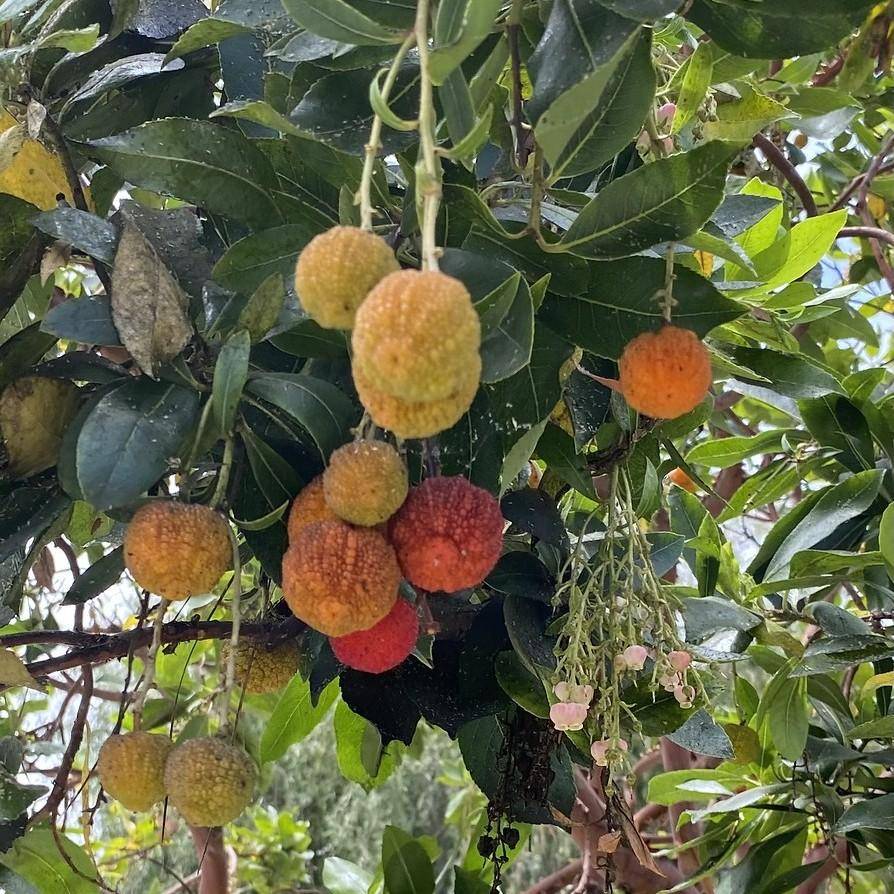
Strawberry Tree: Complete Care, Identification, and Usage Guide for Arbutus unedo
Learn to identify, grow, and use the strawberry tree (Arbutus unedo), a pet-safe evergreen that produces edible fruit and year-round garden interest.
2026-06-26 · 17 min read
Wild Flower Names: 8 Common, Distinct Species to Identify and Grow
Learn common wild flower names, key identifying traits, and growing tips for popular native and ornamental species perfect for pollinator gardens and low-maintenance landscapes.
2026-06-24 · 10 min read