%22%2F%3E%0A%20%20%20%20%20%20%3Ccircle%20cx%3D%22920%22%20cy%3D%22180%22%20r%3D%2290%22%20fill%3D%22%23cfe8d5%22%2F%3E%0A%20%20%20%20%20%20%3Cpath%20d%3D%22M600%20590c-90-180-215-255-310-280%200%20165%20118%20296%20270%20296h40z%22%20fill%3D%22%2379b88e%22%2F%3E%0A%20%20%20%20%20%20%3Cpath%20d%3D%22M600%20590c80-150%20198-212%20302-228-8%20142-123%20255-270%20255h-32z%22%20fill%3D%22%235c9f73%22%2F%3E%0A%20%20%20%20%20%20%3Cpath%20d%3D%22M600%20610V360%22%20stroke%3D%22%234f8c64%22%20stroke-width%3D%2218%22%20stroke-linecap%3D%22round%22%2F%3E%0A%20%20%20%20%20%20%3Ctext%20x%3D%22600%22%20y%3D%22700%22%20text-anchor%3D%22middle%22%20font-family%3D%22Arial%2C%20sans-serif%22%20font-size%3D%2244%22%20fill%3D%22%23365c45%22%3E%0A%20%20%20%20%20%20%20%20Plant%20image%20coming%20soon%0A%20%20%20%20%20%20%3C%2Ftext%3E%0A%20%20%20%20%3C%2Fsvg%3E%0A%20%20)
cotoneaster
Cotoneaster divaricatus
Overview
Cotoneaster divaricatus is an amazing shrub species that is popular in gardens due to its beautiful appearance and ease of maintenance. It has eye-catching glossy dark-green leaves that remain throughout the year and small white or pink flowers that bloom in spring with an abundance of small, edible bright red berries in autumn. Its wide-spreading habit makes it an ideal choice for mass plantings or accent pieces. It also provides excellent shelter and shade for birds and other wildlife. Cotoneaster is a durable and hardy species, able to survive in many soil types and conditions, making it a great choice for any garden.
Care Guide
Watering
Cotoneaster (Cotoneaster divaricatus) is a low-maintenance plant that does best with regular watering. It should be watered once or twice a week depending on the weather. Alternatively, water when the soil in the pot feels dry to the touch. During the summer, water more frequently, as the soil tends to dry out faster. During winter, reduce watering frequency as temperatures are cooler and the plant is less active. When in doubt, it’s best to check the soil moisture before watering. The main goal is to give your cotoneaster enough water to keep the soil moist, but not soggy.
Light
Cotoneaster divaricatus plants do best in full sun. They need at least 6 to 8 hours of direct sunlight each day for optimal growth. They can tolerate partial shade, but growth will be slower and the berry production may be diminished. The best times for sunlight are from early morning to late afternoon. If there are periods of intense afternoon sun, some light shade may be necessary to protect the plant.
Temperature
Hardiness zone 4–7.
Pruning
Pruning cotoneaster (Cotoneaster divaricatus) can be done at any time of year, but specifically early spring and late winter are best for encouraging healthy growth and a neat, compact shape. Pruning should include removal of dead and diseased branches as well as any cramped, growing shoots. To encourage fruiting, thin the plant by removing up to 1-third of the oldest and biggest branches in early spring. In late winter, prune back longer, growing shoots by up to 1-third, and reduce the length of others to maintain the plant's overall shape. To promote a dense appearance, prune back lateral shoots and suckers as they appear. Finally, consider cutting the entire shrub back by 1-half to 1-third every 4 to 5 years to encourage a denser form and promote better flowering.
Propagation
Seed Propagation, Cutting, Layering Propagation, Grafting Propagation
Related plants
Other plants you might like if you grow cotoneaster.
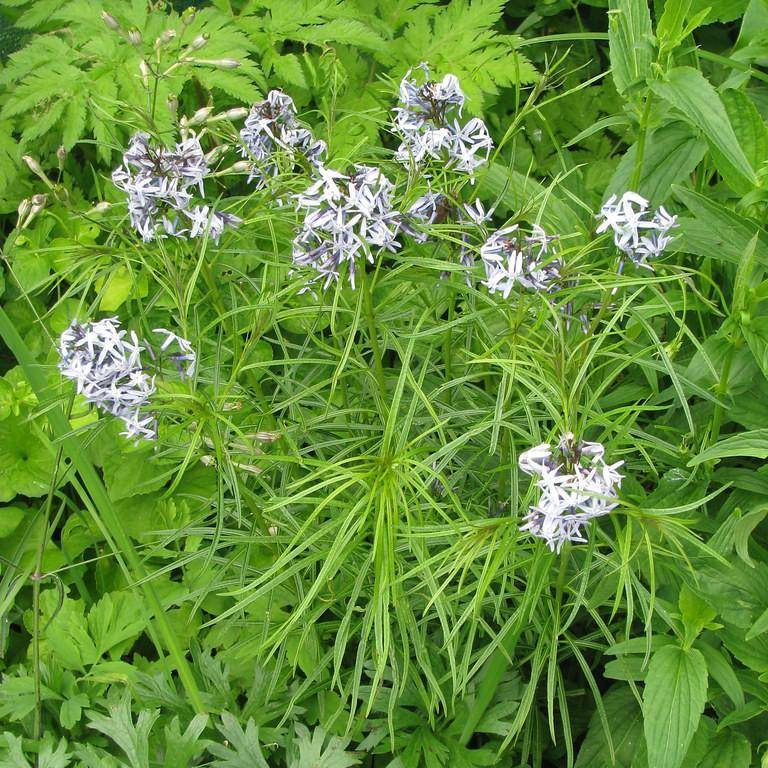
blue star
Amsonia hubrichtii
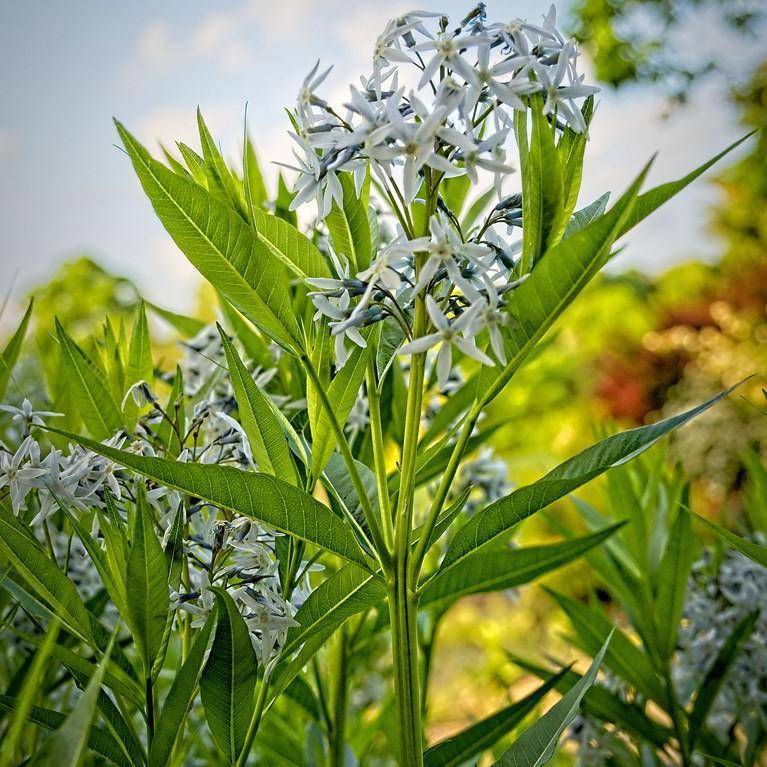
blue star
Amsonia tabernaemontana
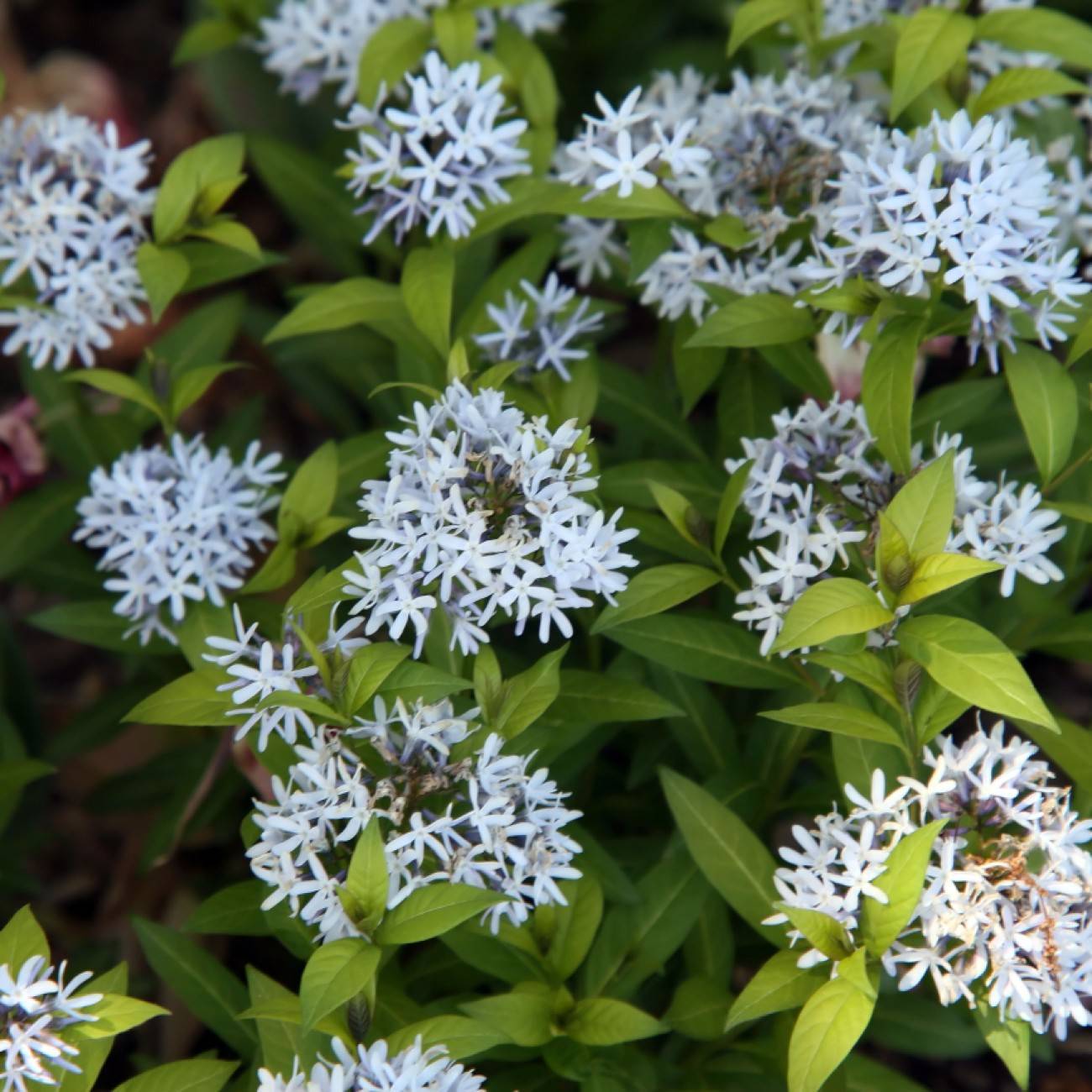
blue star
Amsonia tabernaemontana 'Montana'
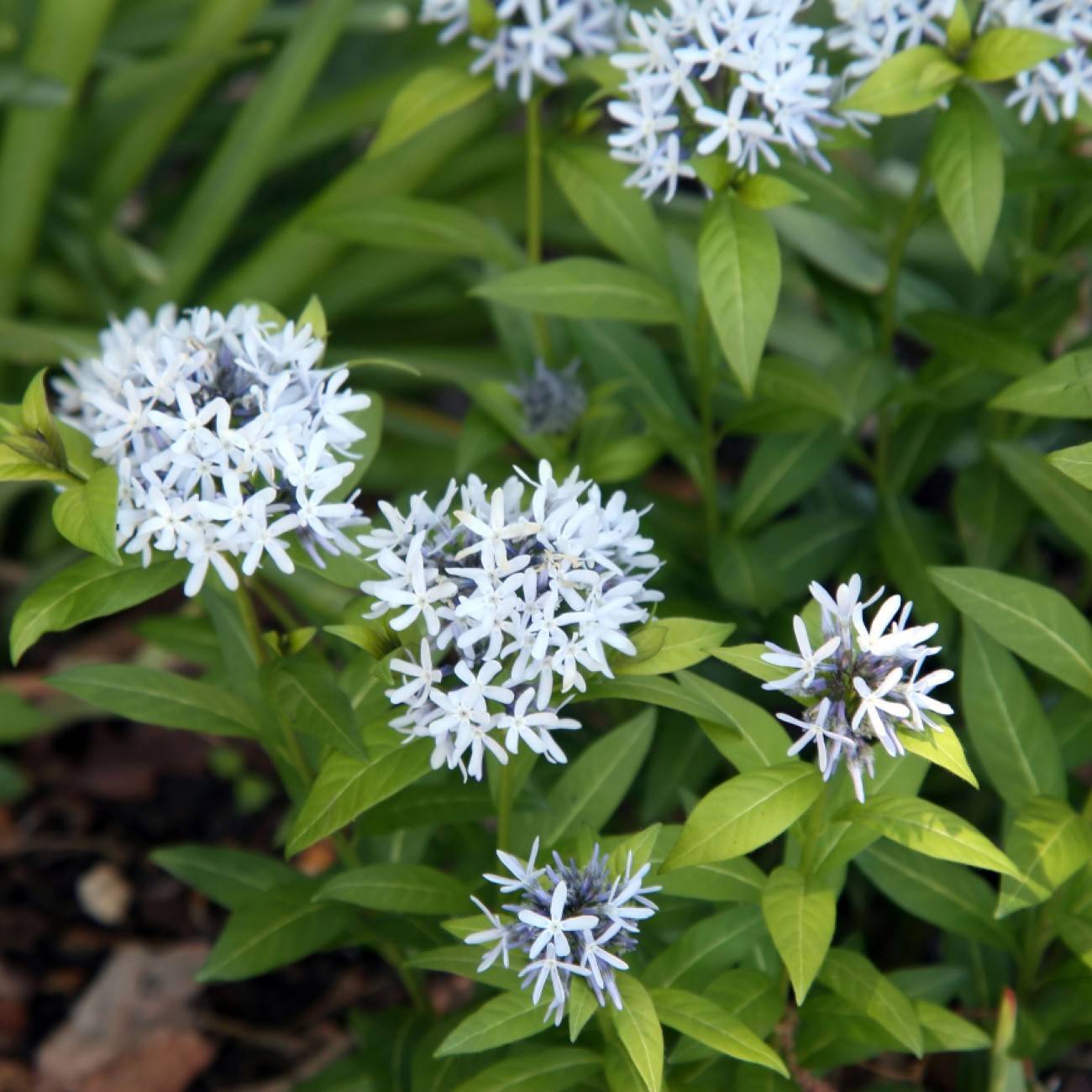
blue star
Amsonia tabernaemontana 'Storm Cloud'
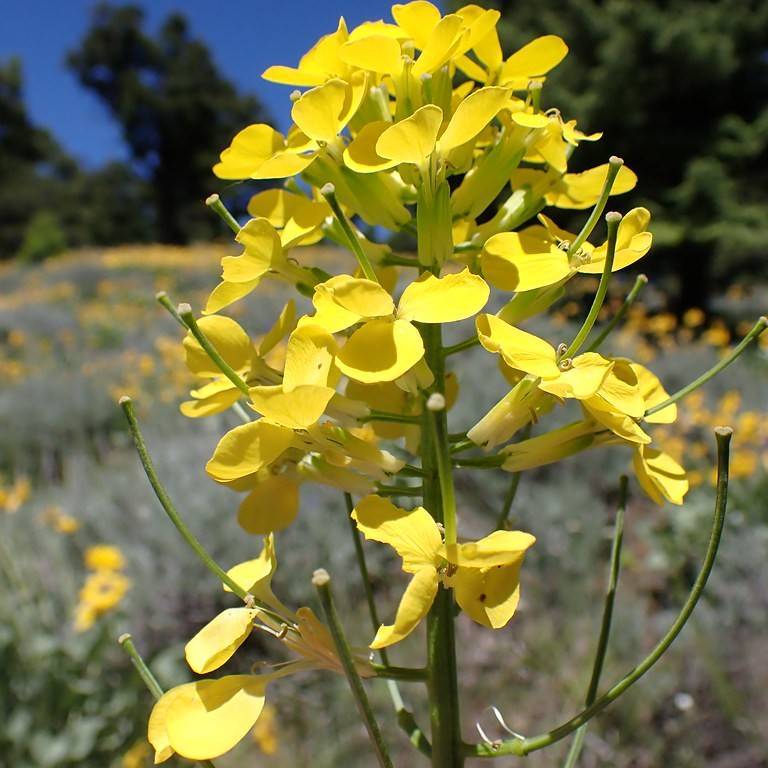
coastal wallflower
Erysimum capitatum
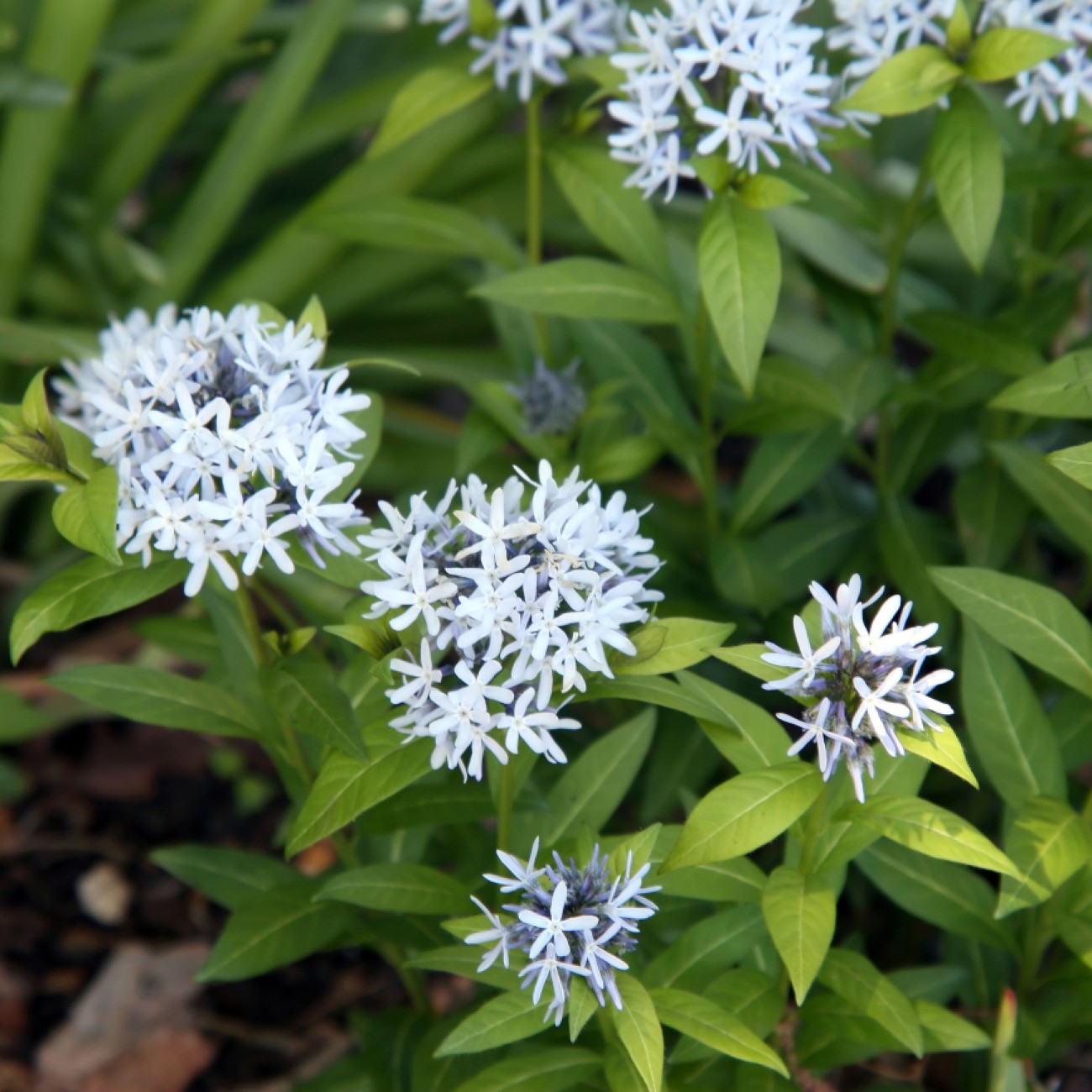
dwarf blue star
Amsonia tabernaemontana 'Short Stack'
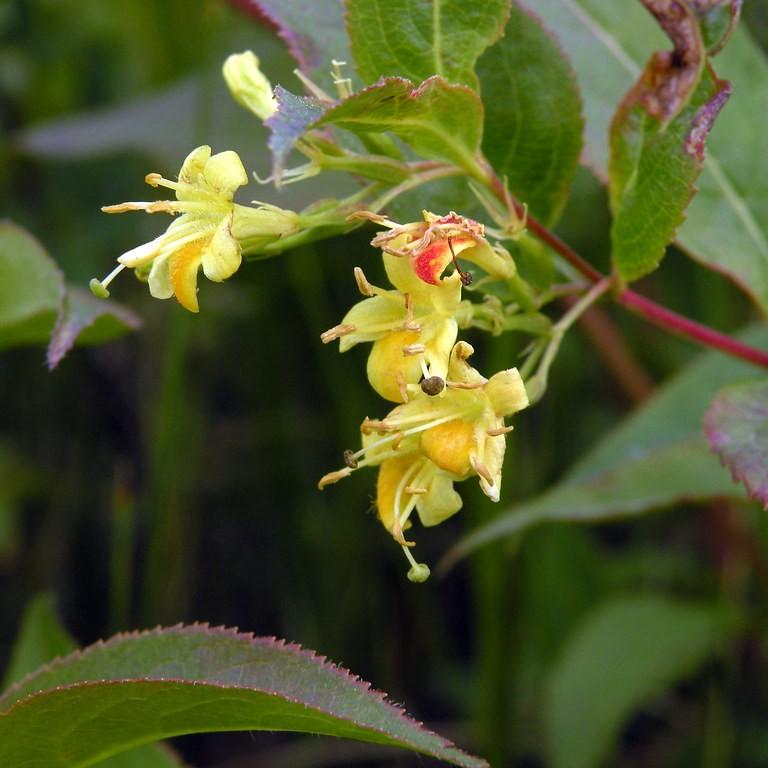
dwarf bush-honeysuckle
Diervilla 'Copper'
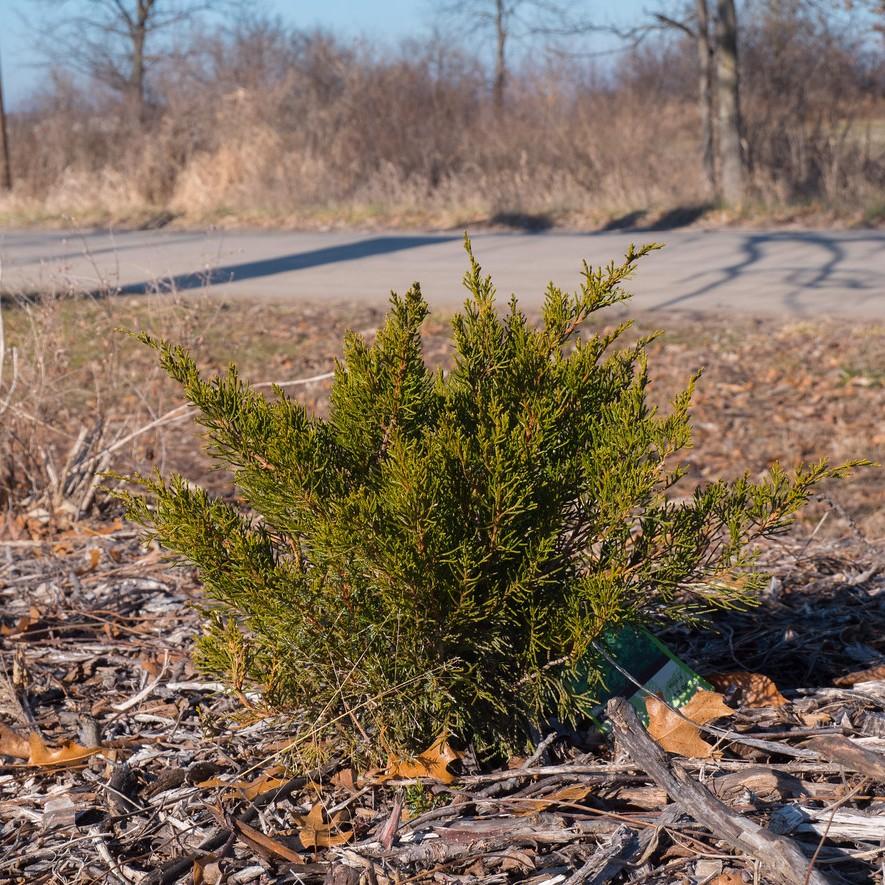
Dwarf Japanese garden Juniper (tree form)
Juniperus procumbens 'Nana (tree form)'