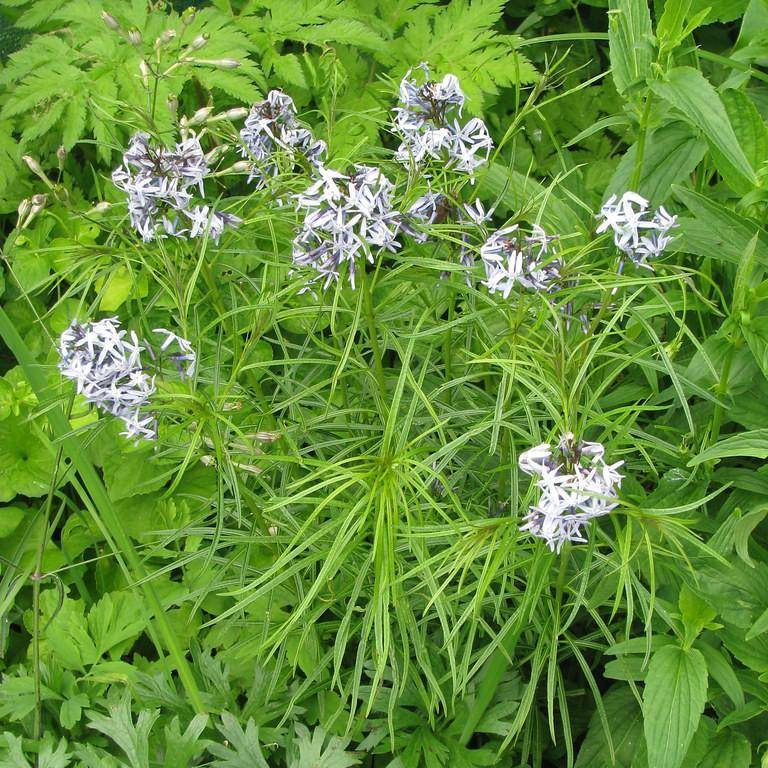
blue star
Amsonia hubrichtii
Overview
Blue Star is a rare and amazing plant species! Its beautiful blue star-shaped flowers will add a unique touch to your garden. Its foliage turns a breathtaking yellow in fall, and its reed-like stalks make it a striking accent in any outdoor landscape. The deer-resistant native of the southeastern United States is a perennial that grows up to two feet tall. Thriving in sun or part shade, Blue Star is a hardy and low-maintenance species that requires minimal watering once established. It's a great choice for butterfly and native pollinator gardens. Bring a little of the outdoors inside with this gorgeous plant species well-suited for small containers. Spritz it with water for a refreshing, natural scent.
Care Guide
Watering
Blue Star (Amsonia hubrichtii) should be watered about once every 7-14 days, depending on the season. In the spring and summer months, the soil should be kept moist. During hot, dry spells, it may need to be watered more frequently. In the fall and winter, your plant should be watered less often, only when the soil is dry to the touch. In any season, make sure to water deeply and evenly each time, and avoid watering too often, as this can lead to root rot.
Light
Blue Star (Amsonia hubrichtii) should be grown in full sun to part shade with at least 6-8 hours of sunlight per day. Depending on the region, it will prefer direct sun in the early morning and afternoon, and partial shade in the hottest part of the day. When grown in full sun, it will need additional irrigation during periods of hot and dry weather.
Temperature
Hardiness zone 5–8.
Pruning
The best time to prune a blue star shrub is late winter, before new growth emerges. Prune off dead and diseased branches while they are still dormant. Additionally, prune any stray branches that are growing outside of the shrub's desired shape. Moderate to heavy pruning is recommended for blue star, as it helps to maintain its perimeter and encourage new shoots of growth. Also, in early spring, remove any flowers that have finished blooming and shear back any new growth that is overcrowding the shrub. Prune in a way that encourages an airy, open structure with good airflow. Be sure to not prune more than 1/3 of the plant as it can shock the shrub and damage it.
Propagation
Division, Seed Propagation, Cutting, Layering Propagation
Uses & Symbolism
Attracts: Butterflies.
Related plants
Other plants you might like if you grow blue star.
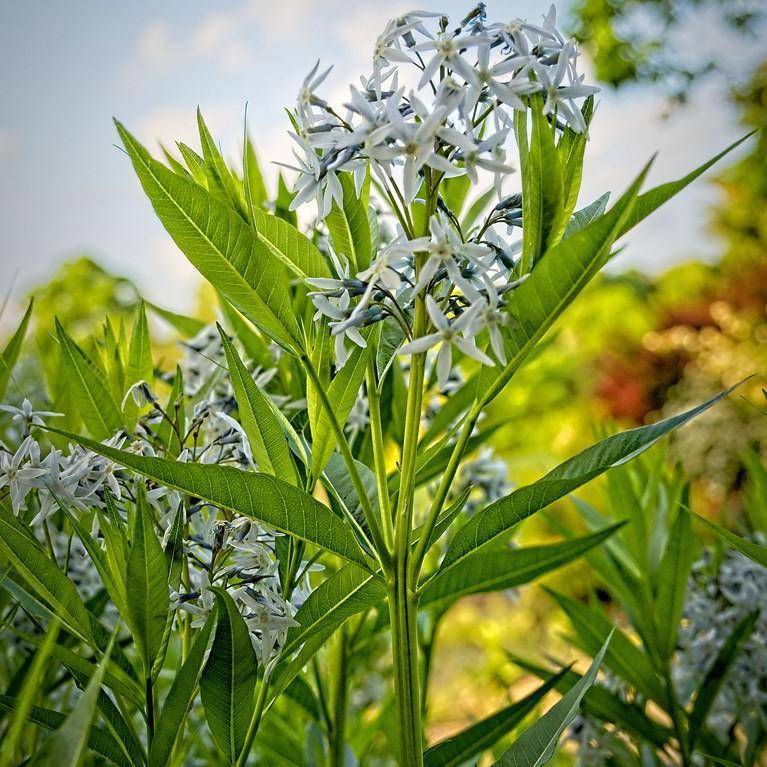
blue star
Amsonia tabernaemontana
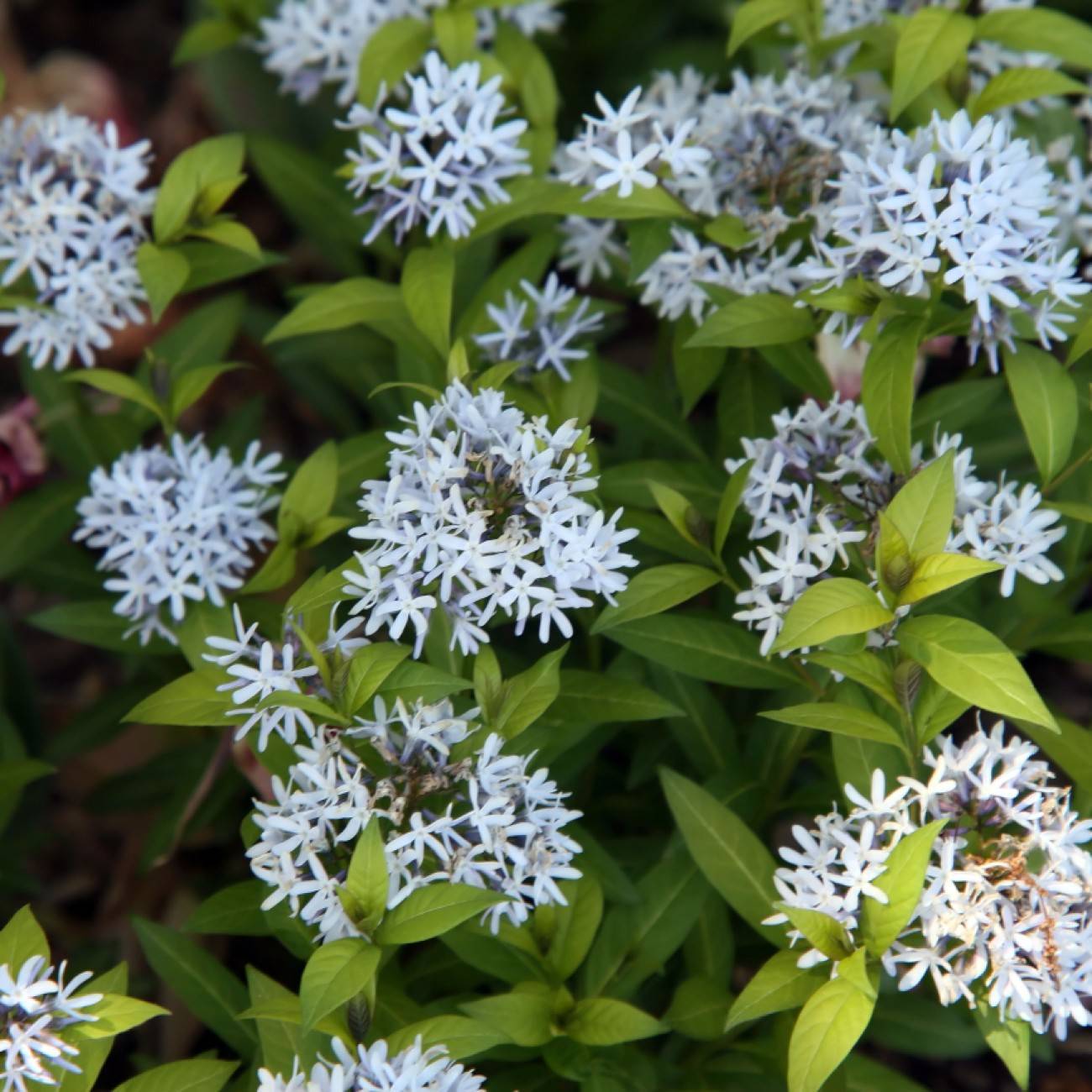
blue star
Amsonia tabernaemontana 'Montana'
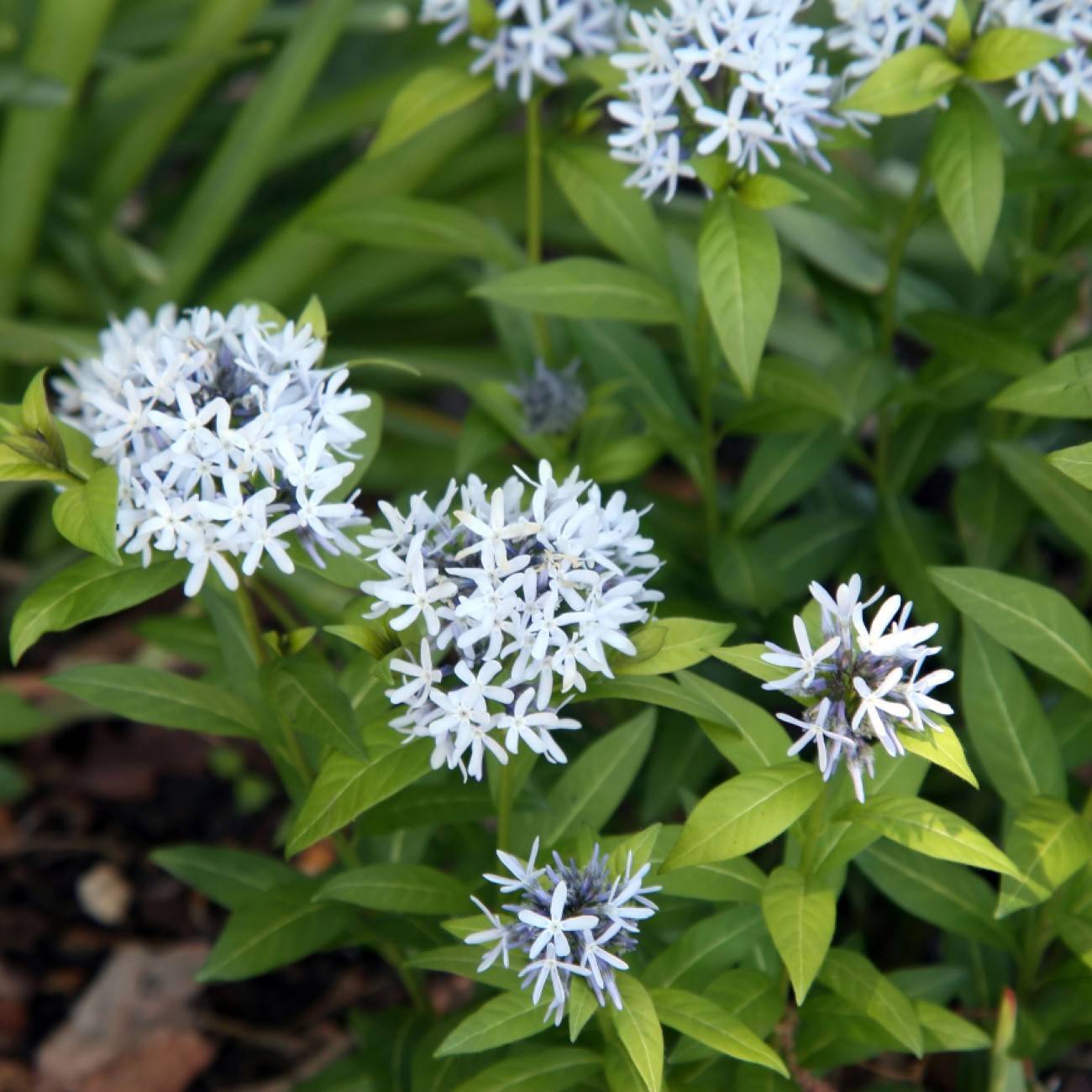
blue star
Amsonia tabernaemontana 'Storm Cloud'
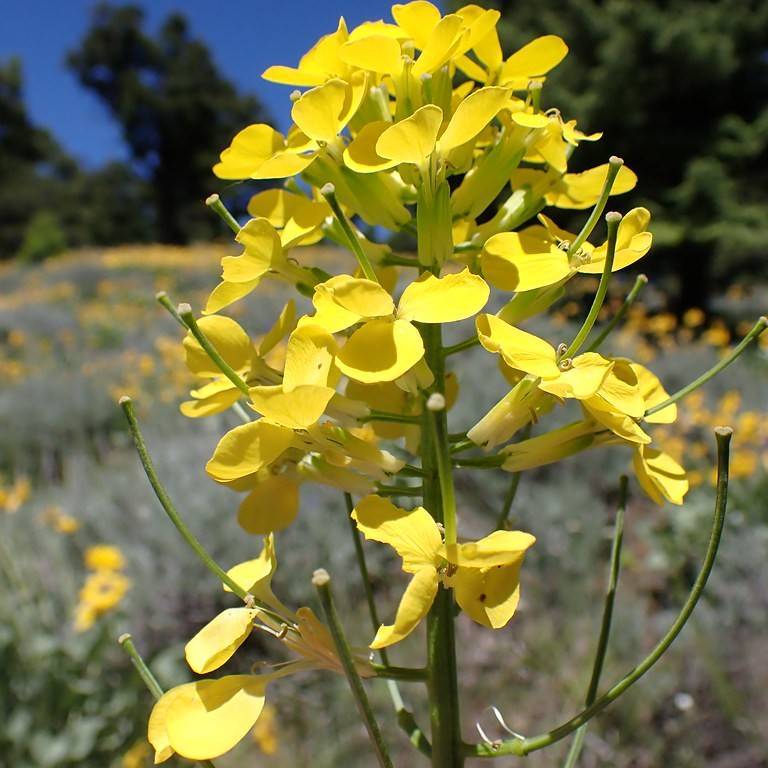
coastal wallflower
Erysimum capitatum
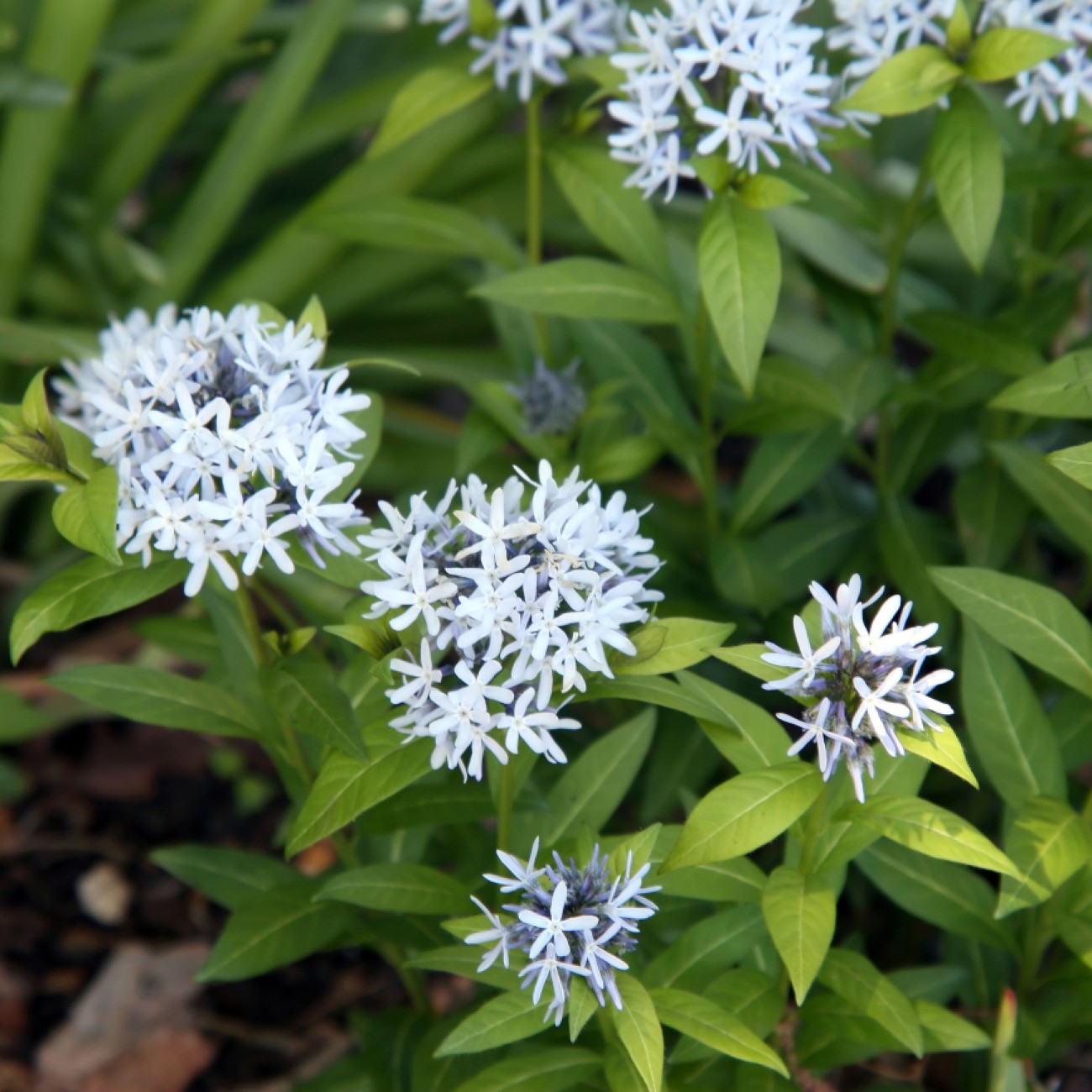
dwarf blue star
Amsonia tabernaemontana 'Short Stack'
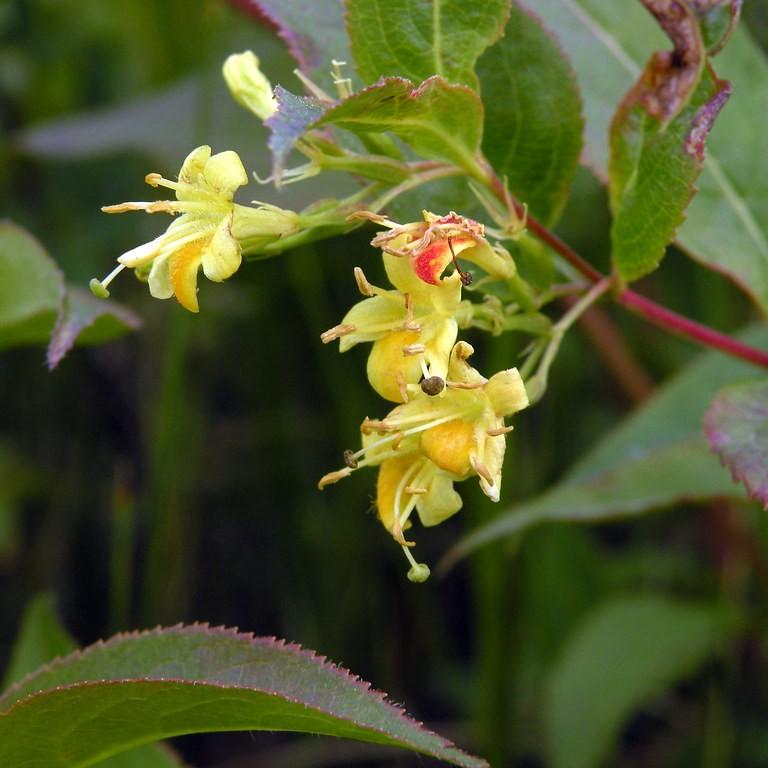
dwarf bush-honeysuckle
Diervilla 'Copper'
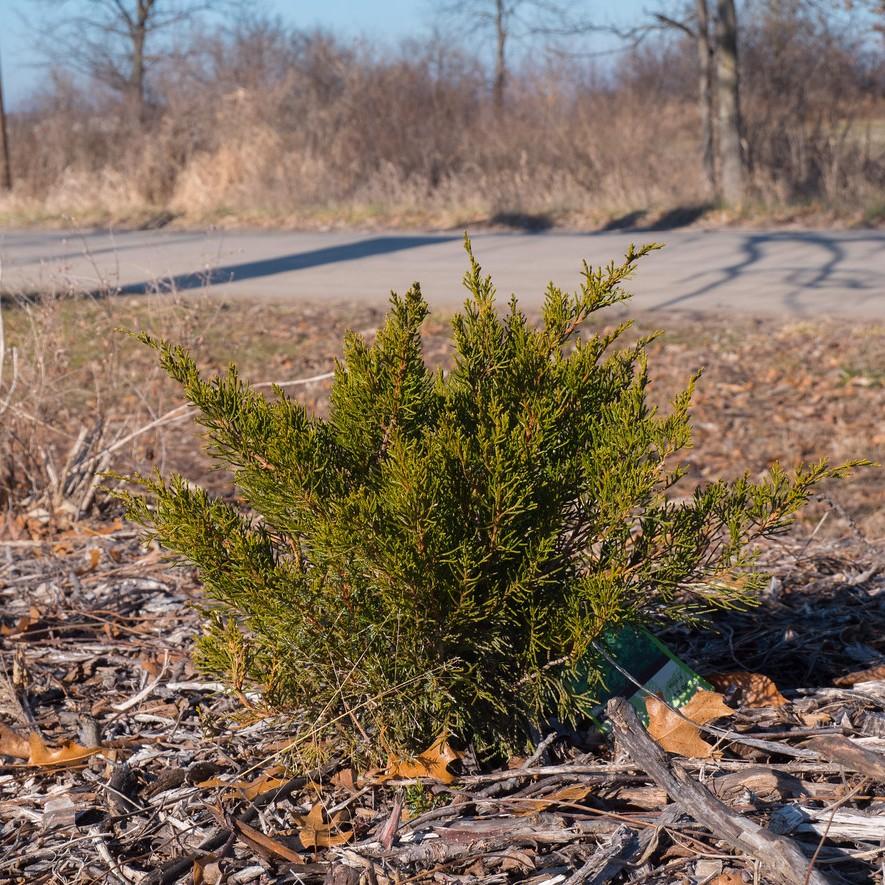
Dwarf Japanese garden Juniper (tree form)
Juniperus procumbens 'Nana (tree form)'
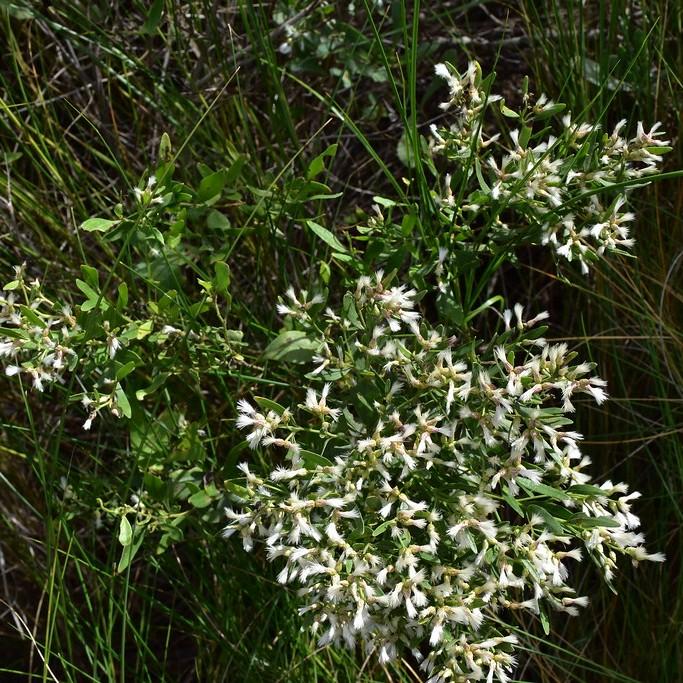
eastern baccharis
Baccharis halimifolia