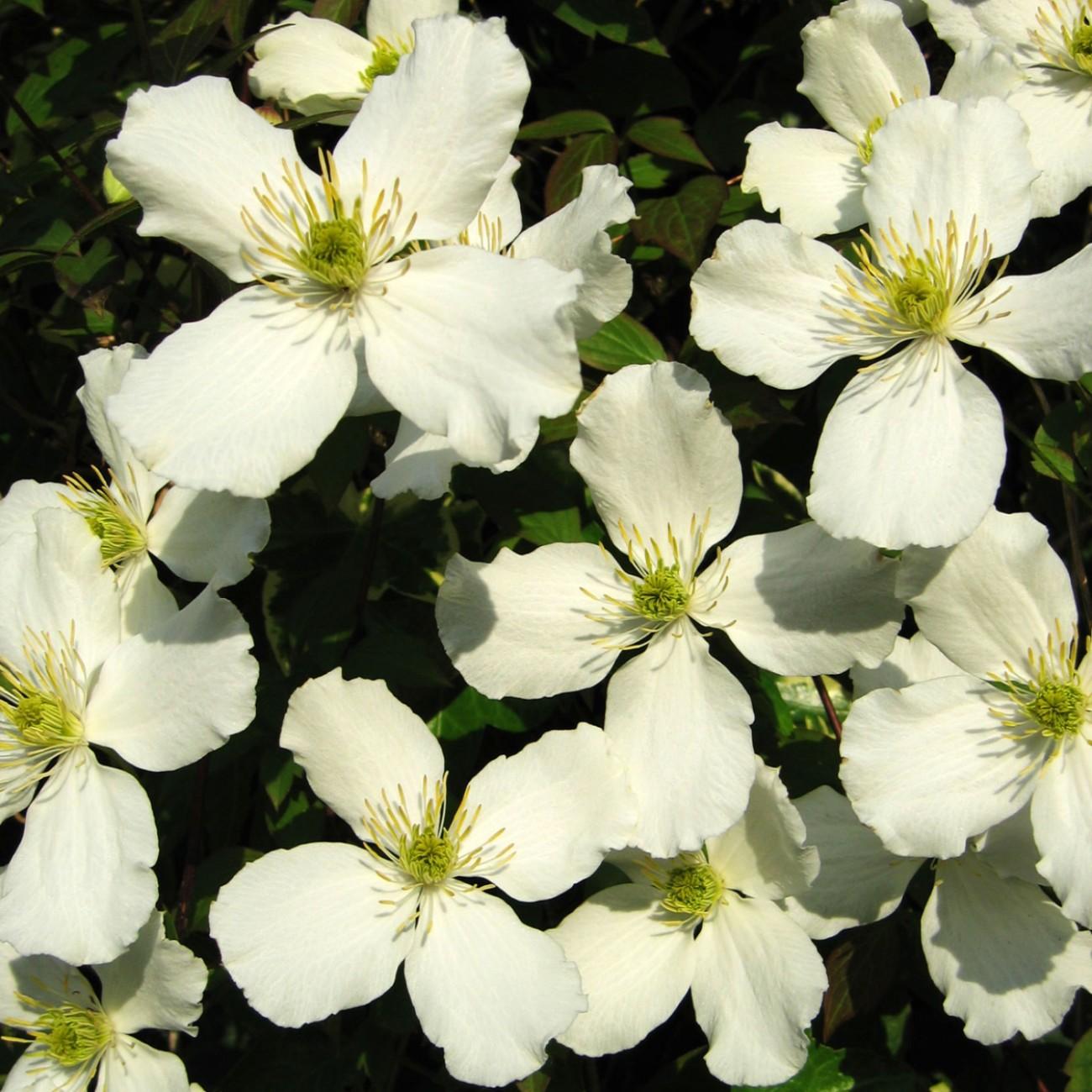
clematis
Clematis montana f. grandiflora
Overview
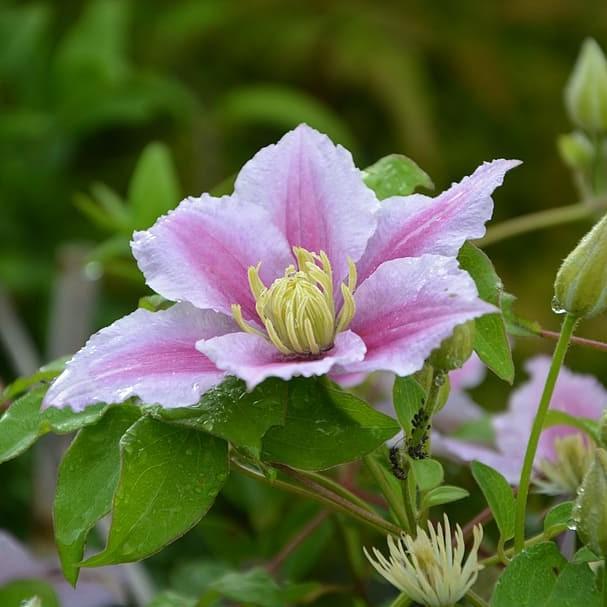
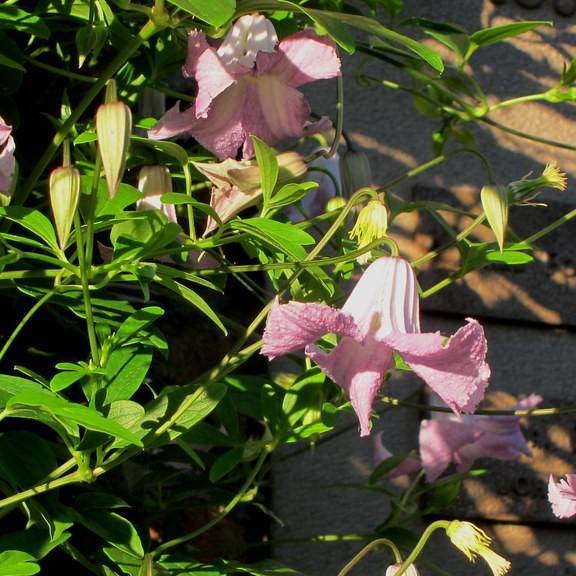
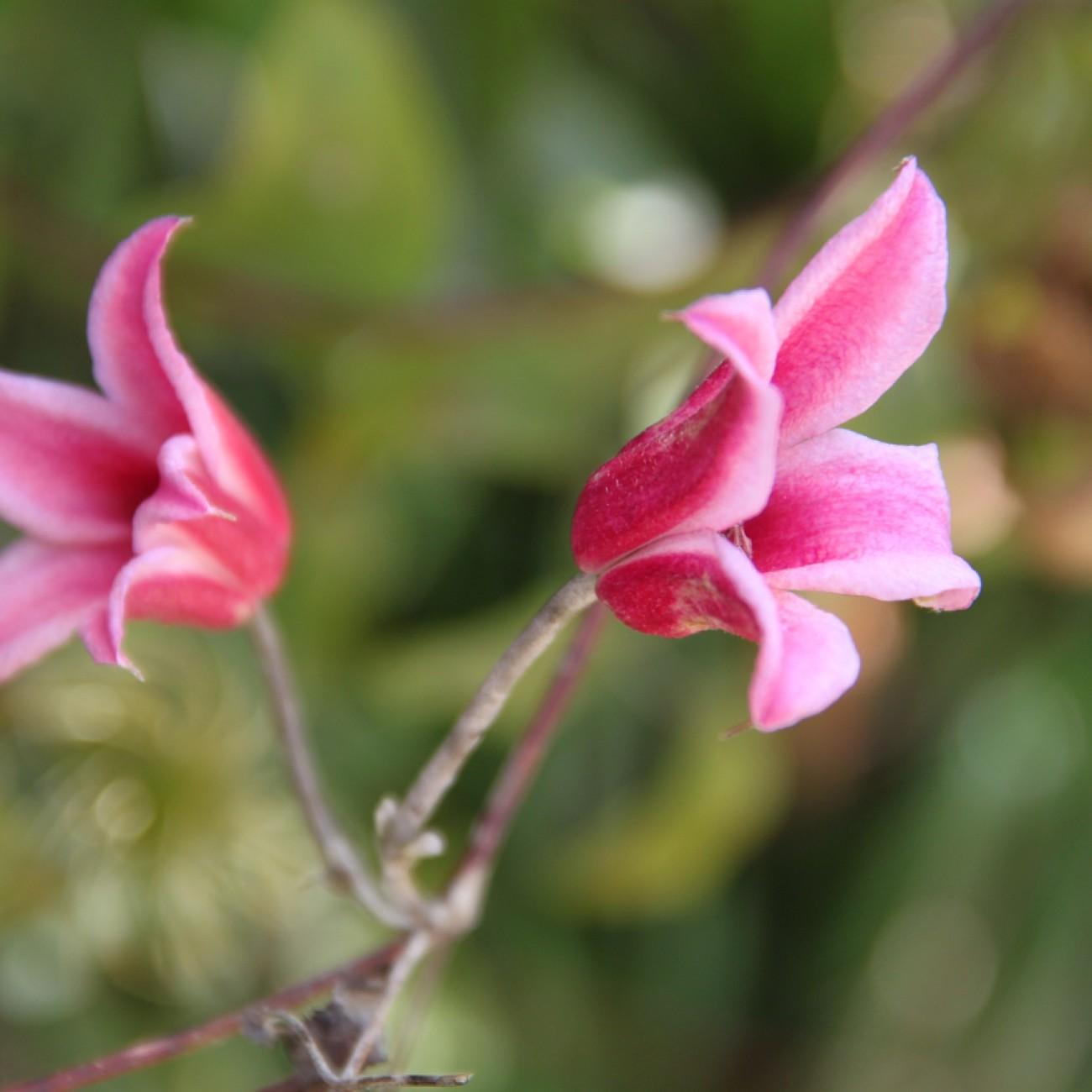
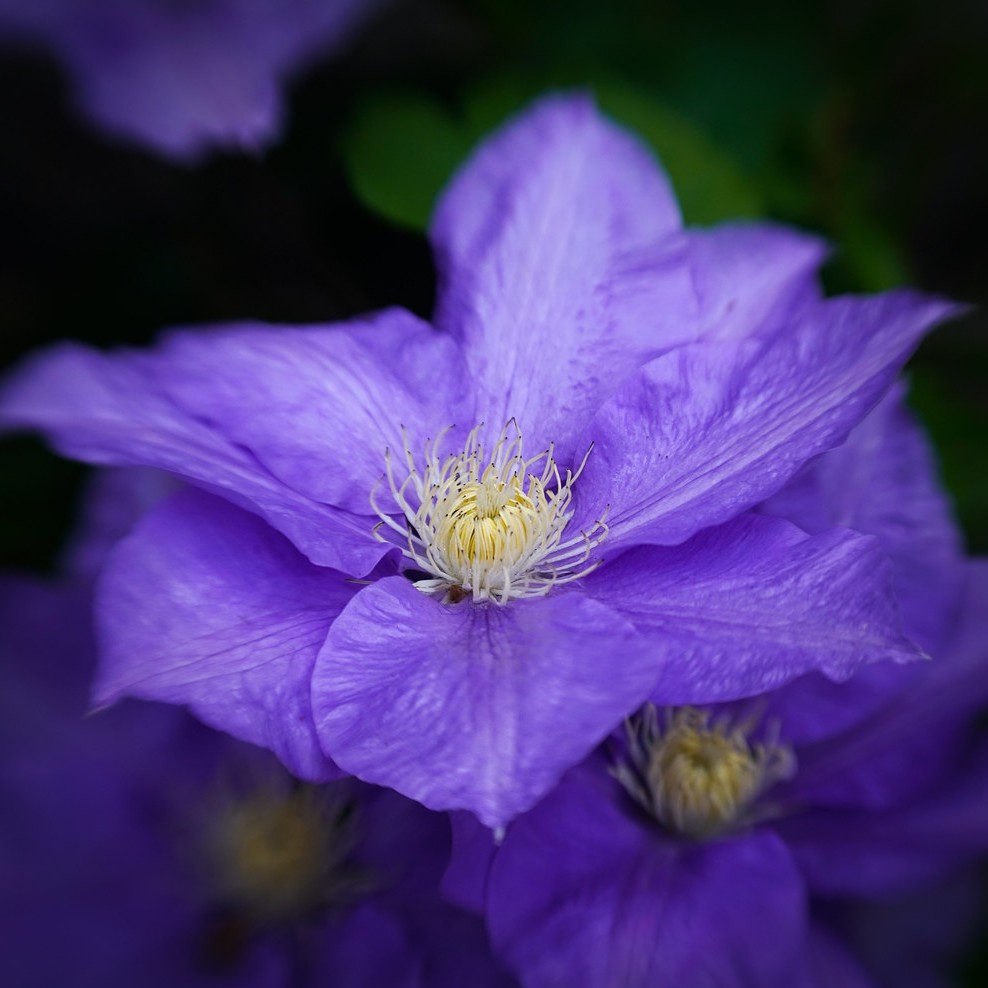
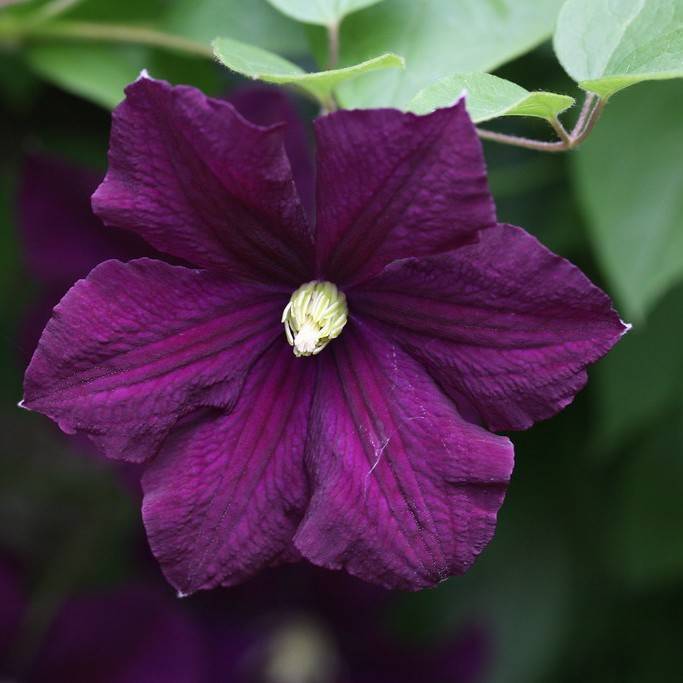
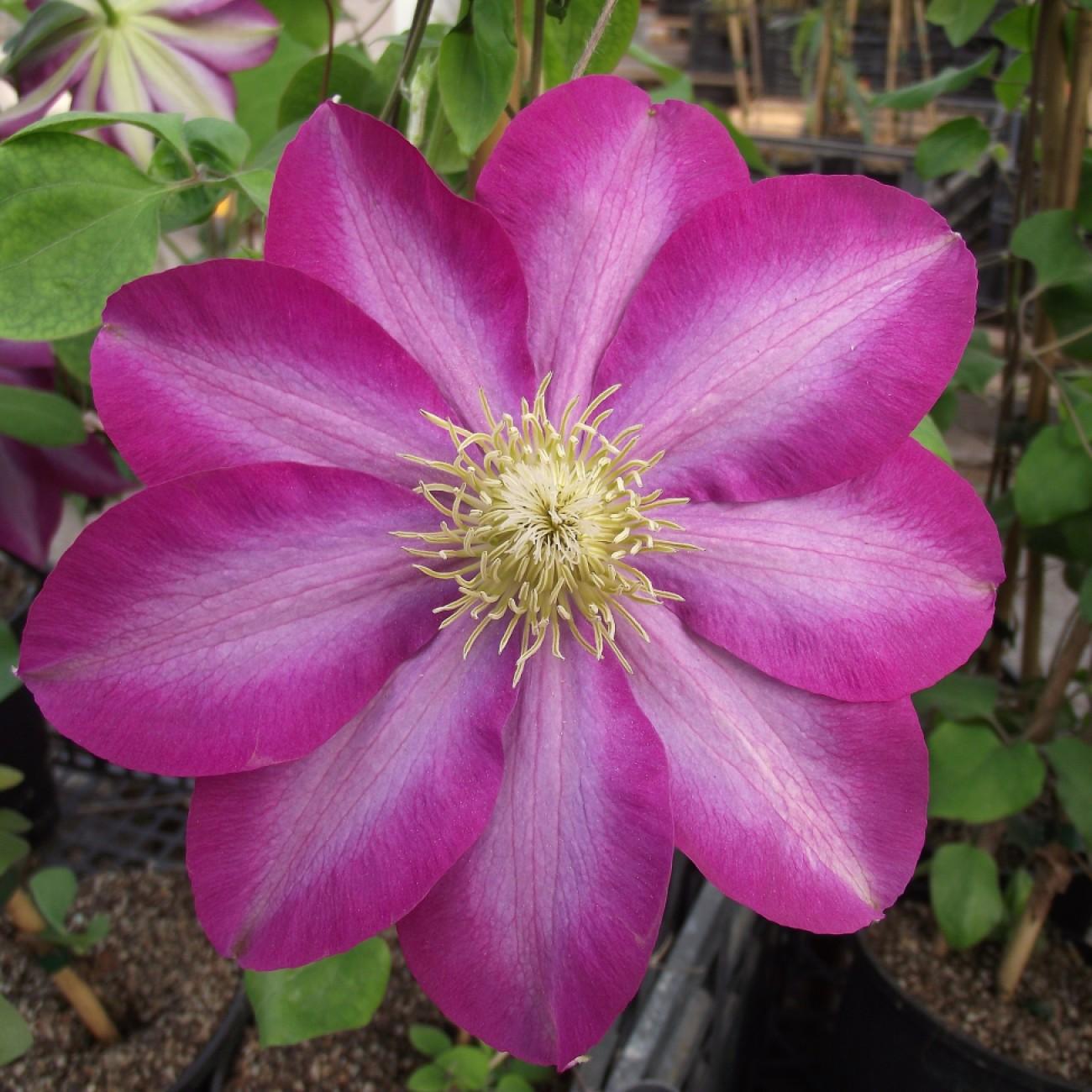
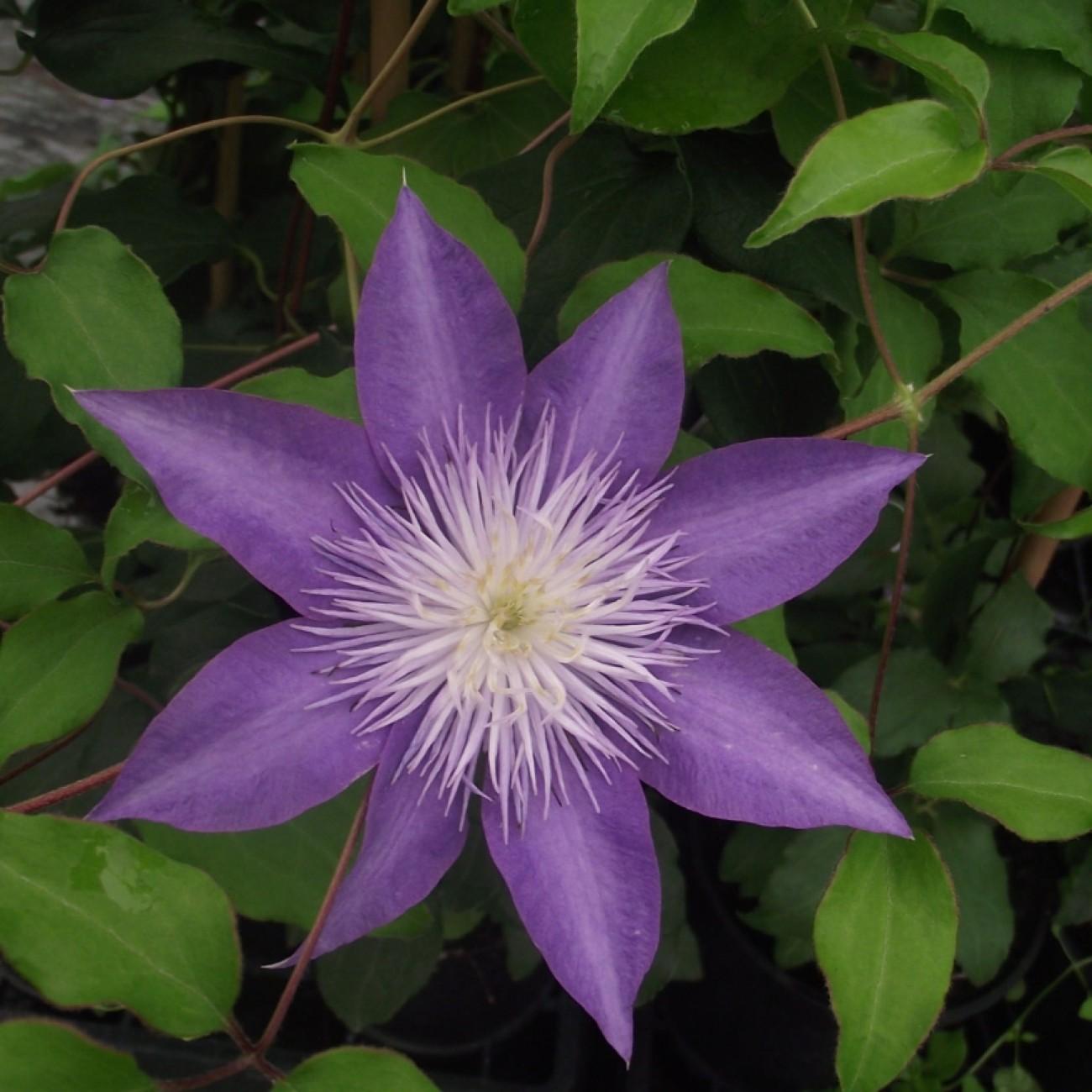
The clematis (Clematis montana f. grandiflora) is an amazing plant species that will add natural beauty to any garden. Its showy, ruffled blooms burst with vibrant colors from pink to dark magenta, and its long, woody vines can grow up to 20 feet tall. The clematis attracts pollinators such as bees and hummingbirds, adding to its beauty. Clematis is a vigorous grower and is a great choice for walls and trellises. The foliage provides a lush green backdrop to its magnificent blossoms and is also quite fragrant. The clematis is easy to care for and low maintenance, making it a fantastic addition to any landscape.
Care Guide
Watering
Watering Clematis (Clematis montana f. grandiflora) plants requires a regular schedule. Clematis prefer consistently moist soil, but not soggy. When the soil surface is dry, water deeply and slowly, applying water until it begins to puddle. Wait until the soil has had a chance to drain before applying more water. During the establishment period (for the first couple of months), aim to water twice a week to ensure adequate moisture. Once the plant is established, water once or twice a week during the summer months, depending on weather conditions. In periods of severe drought or extended dry spells, increase watering frequency as needed. Monitor soil moisture levels and adjust the frequency and amount of water accordingly. In late Autumn and during cold winters, reduce watering frequency. If temperatures remain above freezing during winter, continue to water once a month or so. In extreme cold conditions, stop watering until spring.
Light
Clematis montana f. grandiflora plants prefer full sun to partial shade. Sunlight should be plentiful for at least 6 to 8 hours per day, preferably in the morning. During extreme heat, some light afternoon shade may be provided to help keep the plant cooler. The more sunlight the plant receives, the more robust and healthier the growth.
Temperature
Hardiness zone 4–9.
Pruning
Pruning for Clematis montana f. grandiflora should be done annually. It should be pruned after flowering, usually in early summer, back to 10-12 inches above the ground. Dead, thin, and weak stems should be removed to encourage new growth and maintain a healthy, attractive plant. It is also important to remove any flowering stems that have already bloomed since it will decrease the vigor and flowering of the plant.
Propagation
Layering Propagation, Cutting, Division, Grafting Propagation
Related plants
Other plants you might like if you grow clematis.