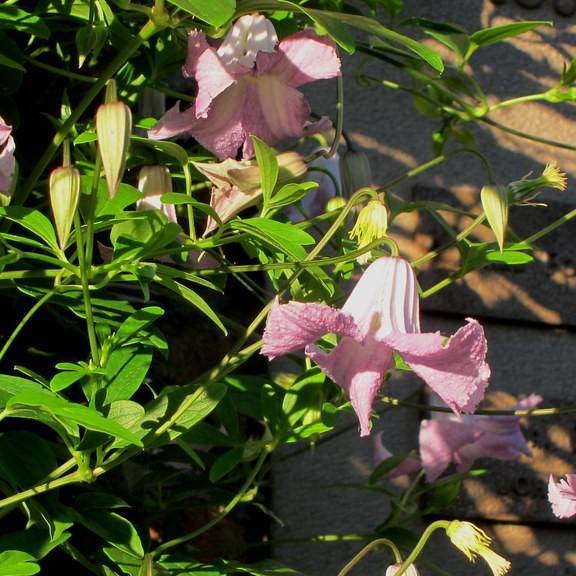
clematis
Clematis 'Betty Corning'
Overview
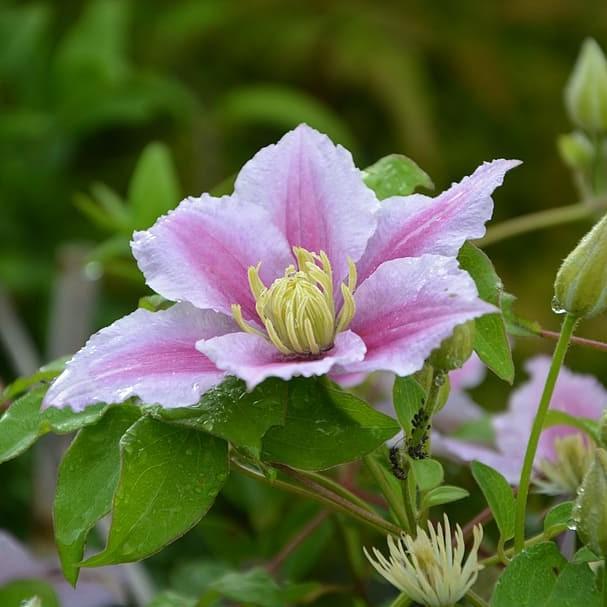
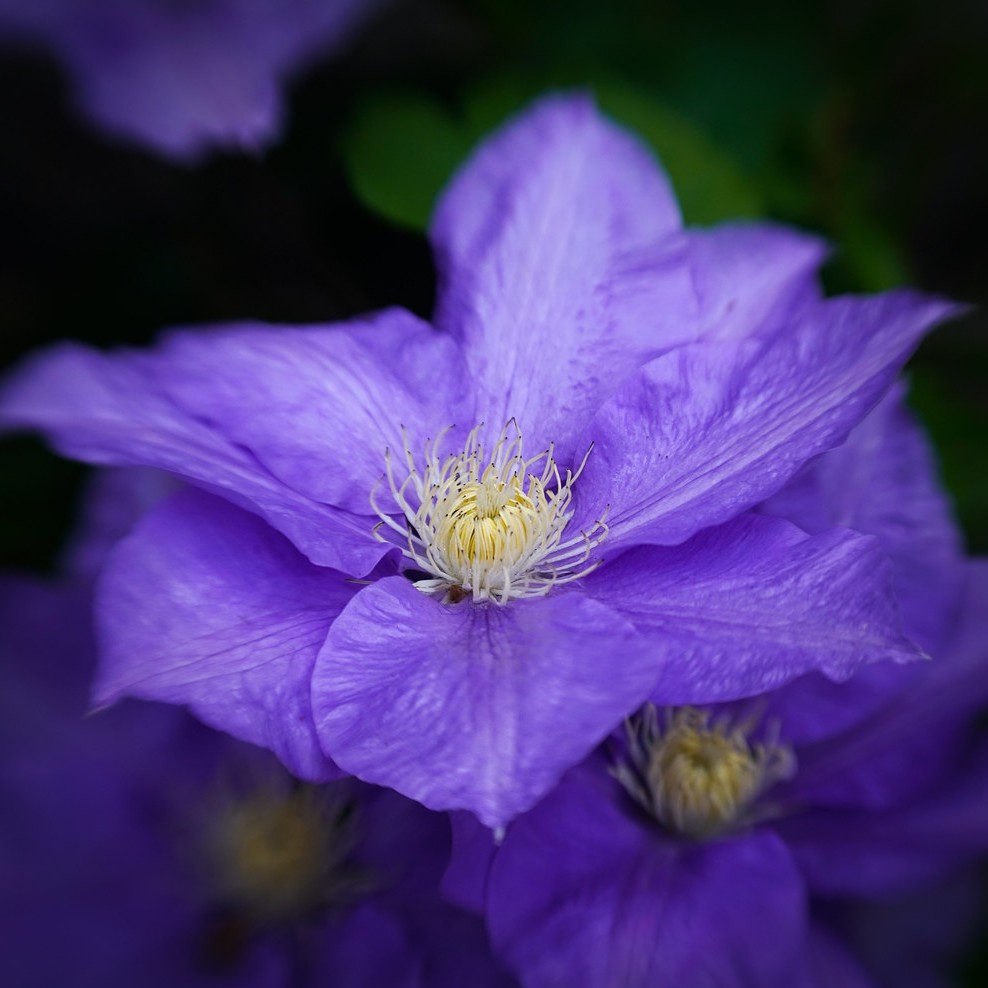
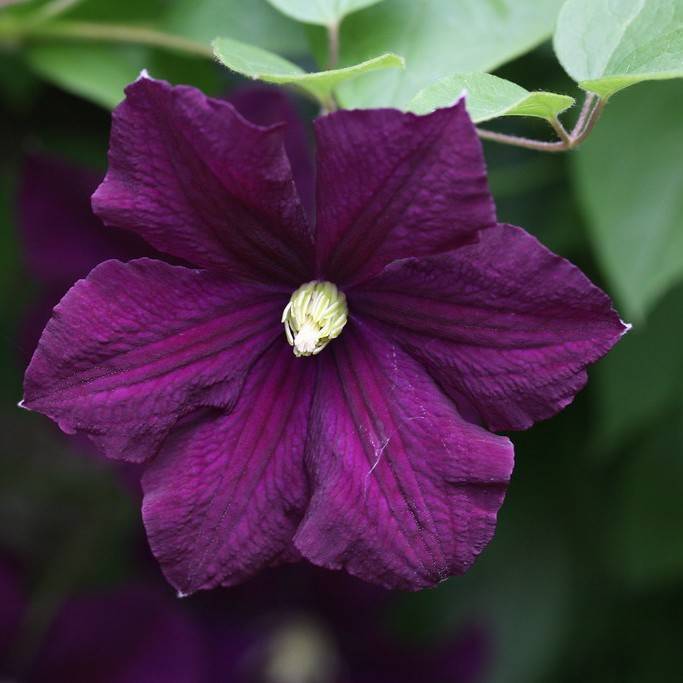
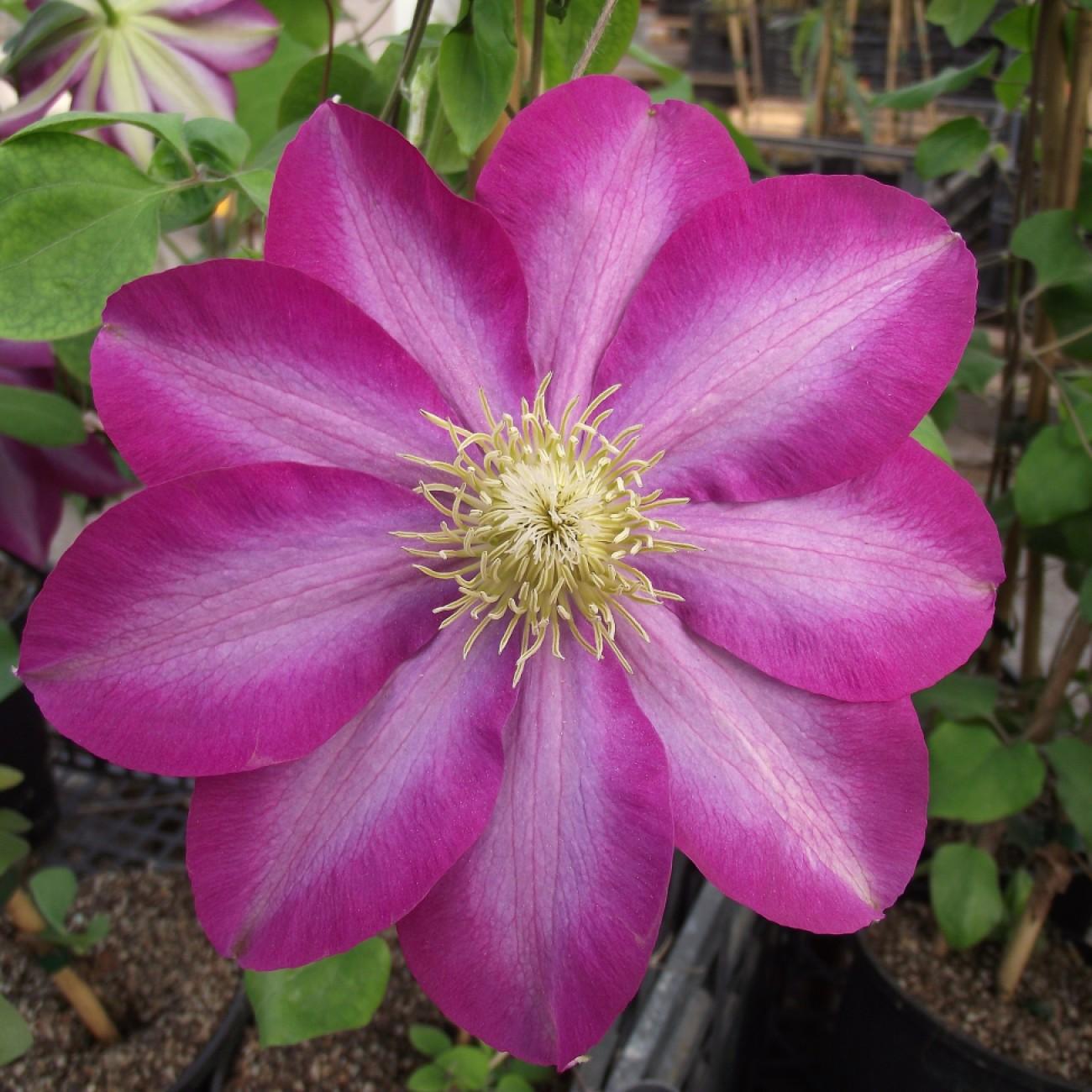
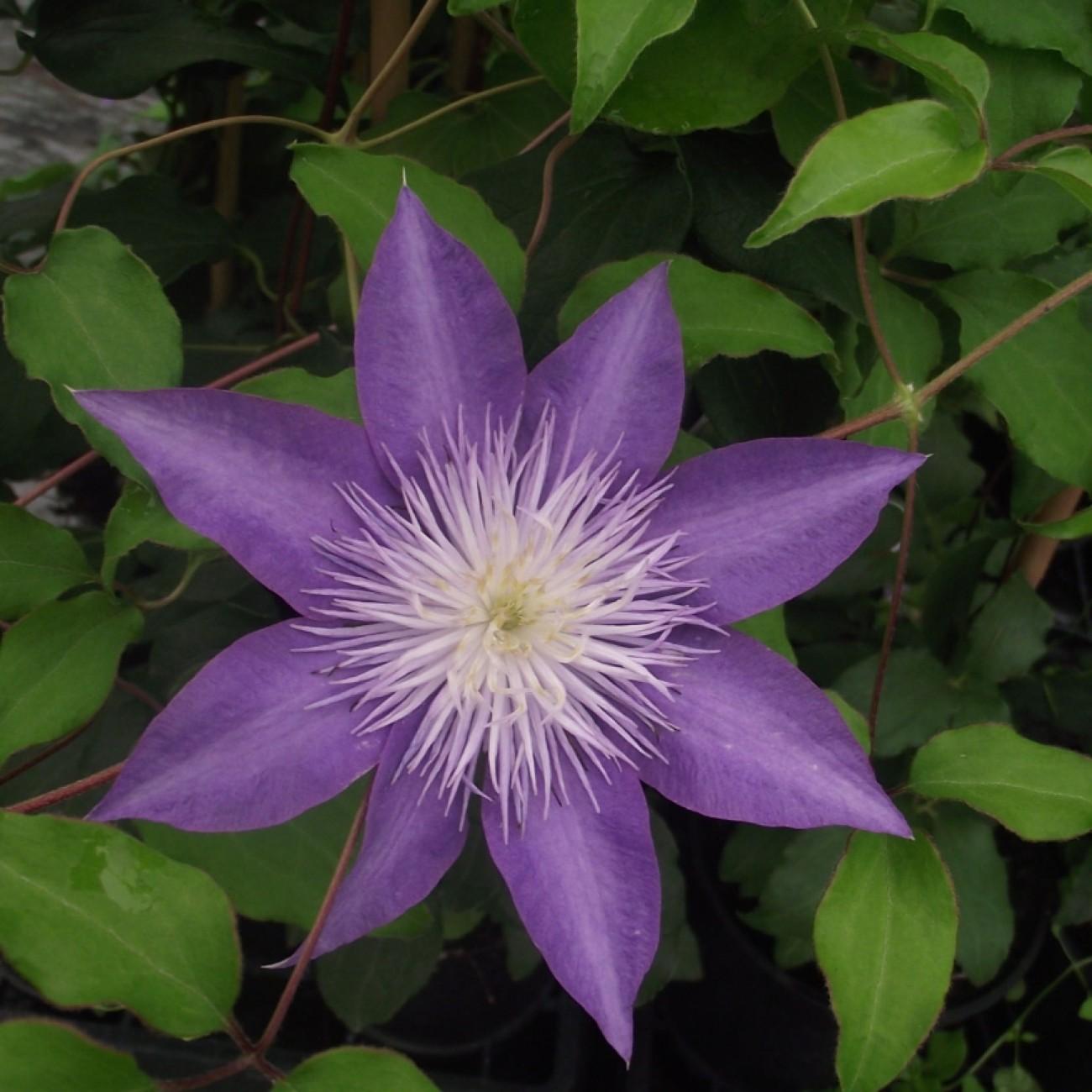
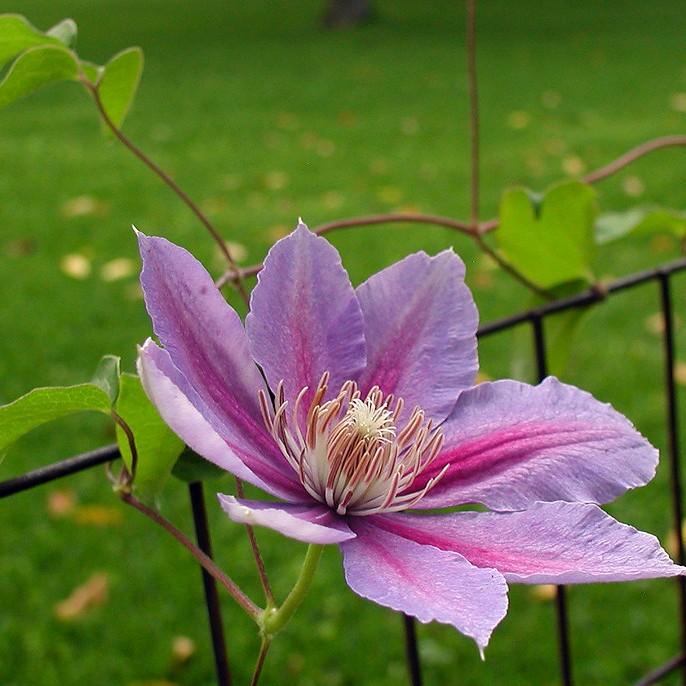
Clematis 'Betty Corning' is an amazing species of flowering vine. It has delicate and beautiful cream-colored flowers with a dark yellow center. The lovely blooms appear in a single flush during mid-spring and are further adorned with a silvery violet-colored tint. This clematis also features lush, dark-green foliage with attractive lobed shapes, which remain until the frost of autumn. It is an excellent choice for arbors or trellises, where it will quickly create an eye-catching and majestic wall of blooms. This species is also highly tolerant of harsh conditions, making it an excellent choice for any garden.
Care Guide
Watering
The clematis (Clematis 'Betty Corning') should be watered deeply once a week during the growing season. Soak the soil thoroughly so that the water penetrates to a depth of 6-8 inches. Once established, the clematis should be able to tolerate short periods of dryness. During abnormally dry weather, water deeply every 5-7 days. Watering more frequently and lightly will not achieve the deep soaking needed to encourage a healthy and robust root system. Avoid overhead watering if possible, as wet foliage can be prone to disease, and take care not to get the new buds wet when watering. During the winter when the plant is dormant, reduce waterings to once every 2-3 weeks.
Light
Clematis 'Betty Corning' plants should receive direct sunlight for at least 4 to 6 hours a day. During particularly hot summer months, it is best to provide some sun protection, such as light shade, during the midday hours. This will help the plant keep its colorful foliage and flowers blooming more freely. It is important to water this plant deeply enough so that the entire root system receives adequate hydration, and then let the top 2 inches of soil dry out before watering again.
Temperature
Hardiness zone 4–9.
Pruning
In general, pruning of Clematis 'Betty Corning' should take place in late winter, targeting just before any new growth begins. Pruning should be done sparingly, removing 1-third to 1-half of each stem back to a bud or node. Make sure to remove any dead, damaged, or diseased stems. Additionally, if the plant is a hybrid, prune to shape and to improve air circulation. This will help reduce problems with aphids and other pests. Avoid pruning flowering branches, as this will reduce the number of blooms you get.
Propagation
Layering Propagation, Cutting, Division, Grafting Propagation
Related plants
Other plants you might like if you grow clematis.