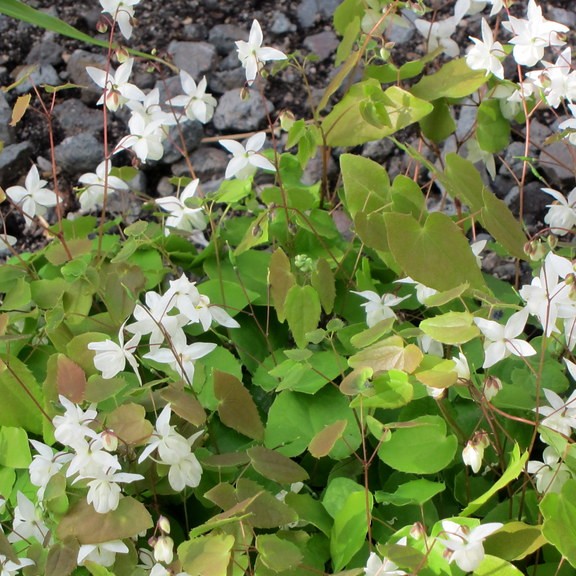
bishop's hat
Epimedium youngianum 'Niveum'
Overview
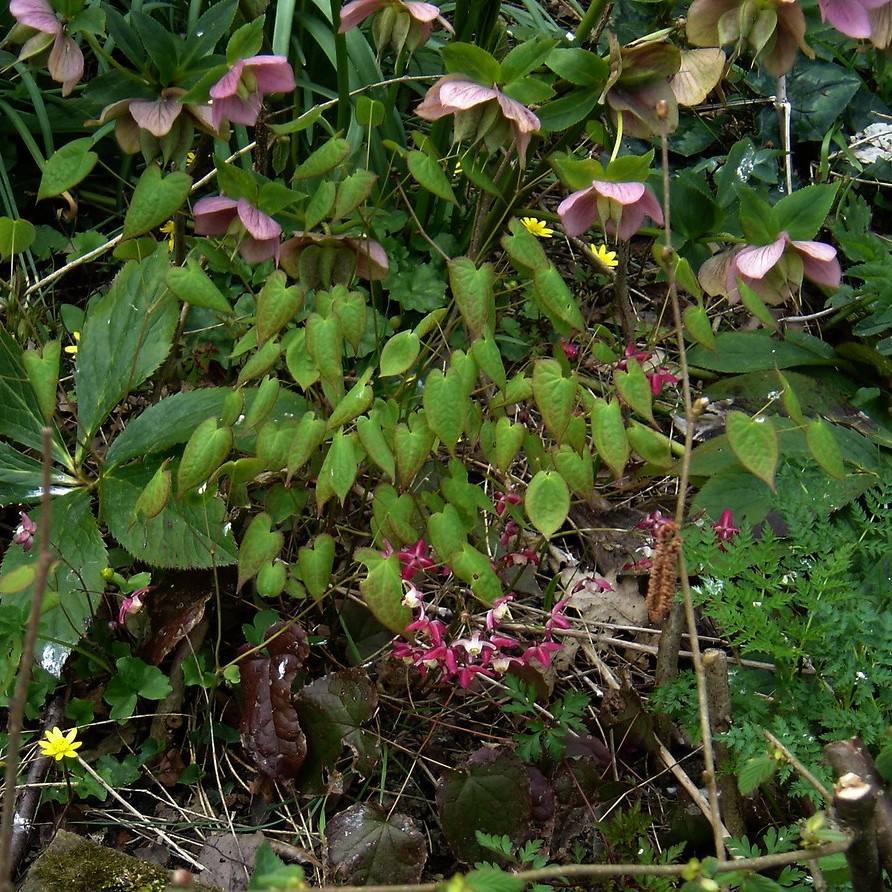
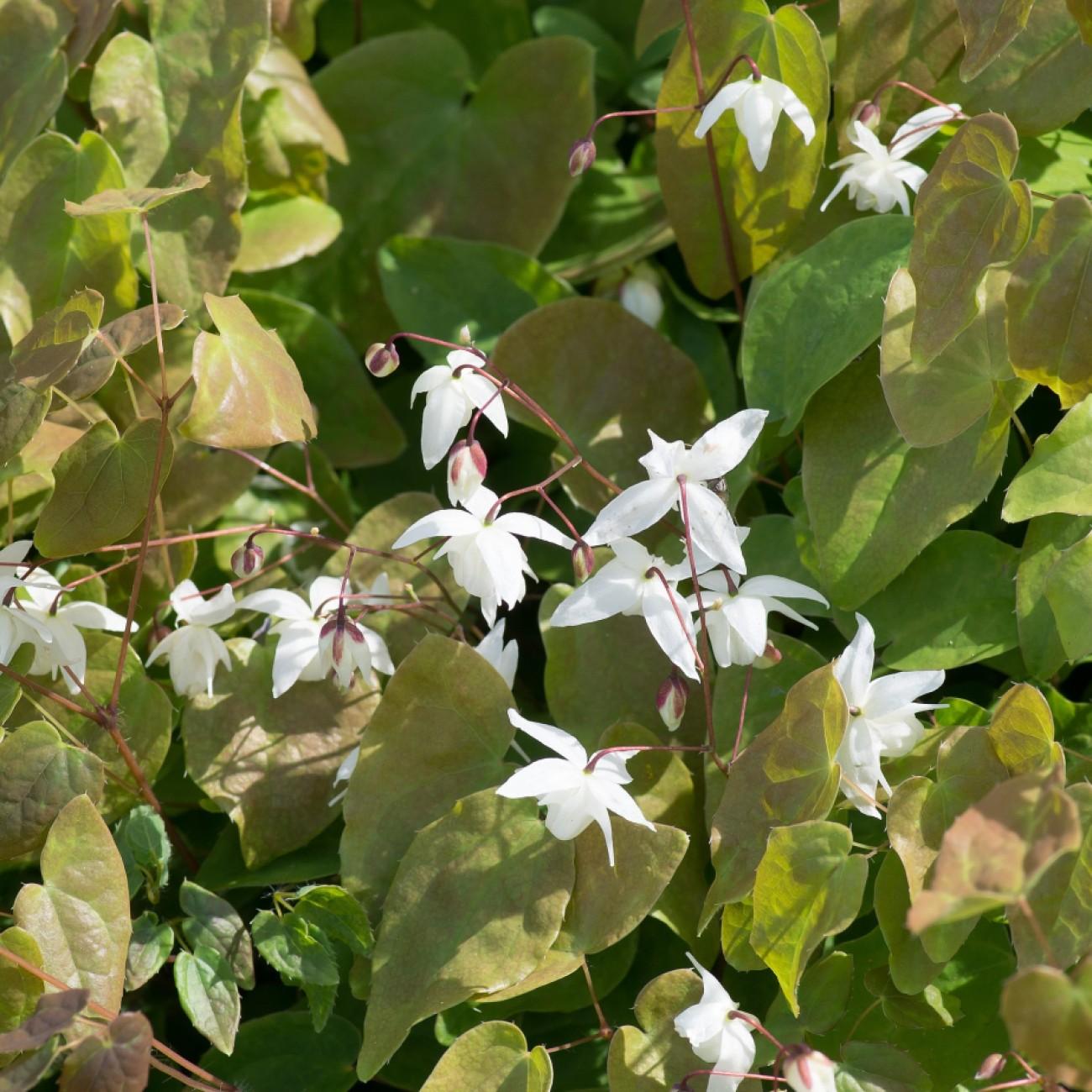
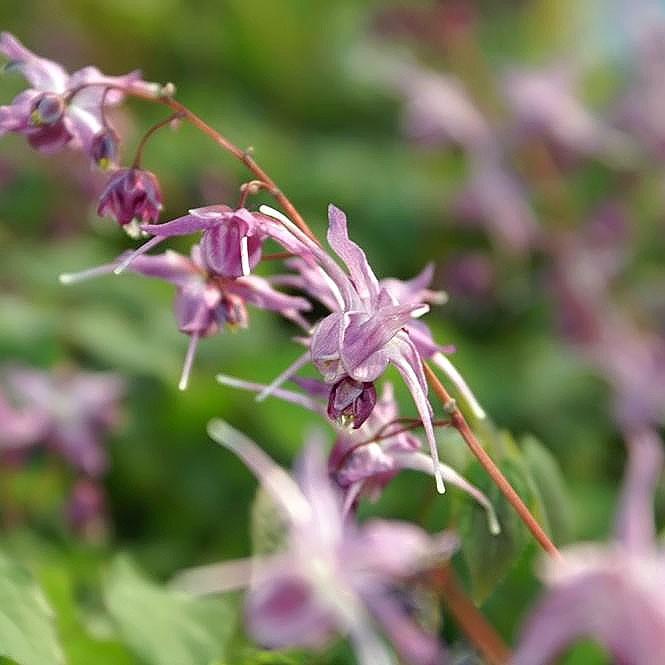
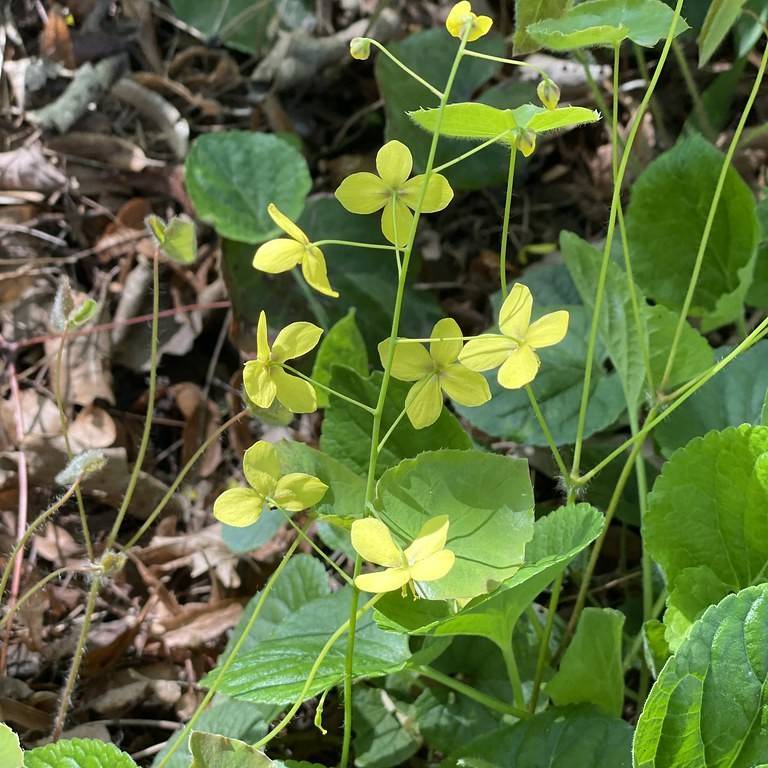
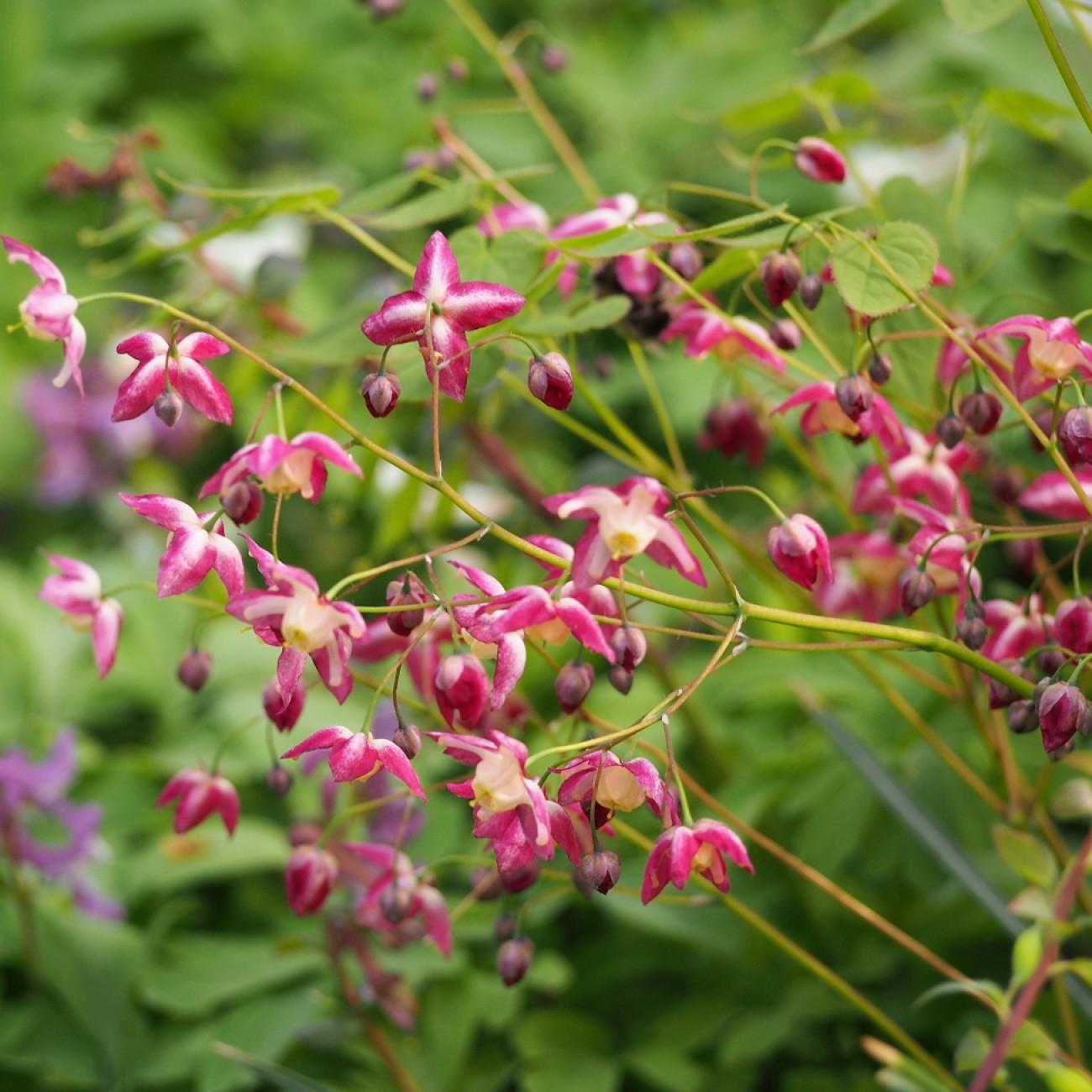
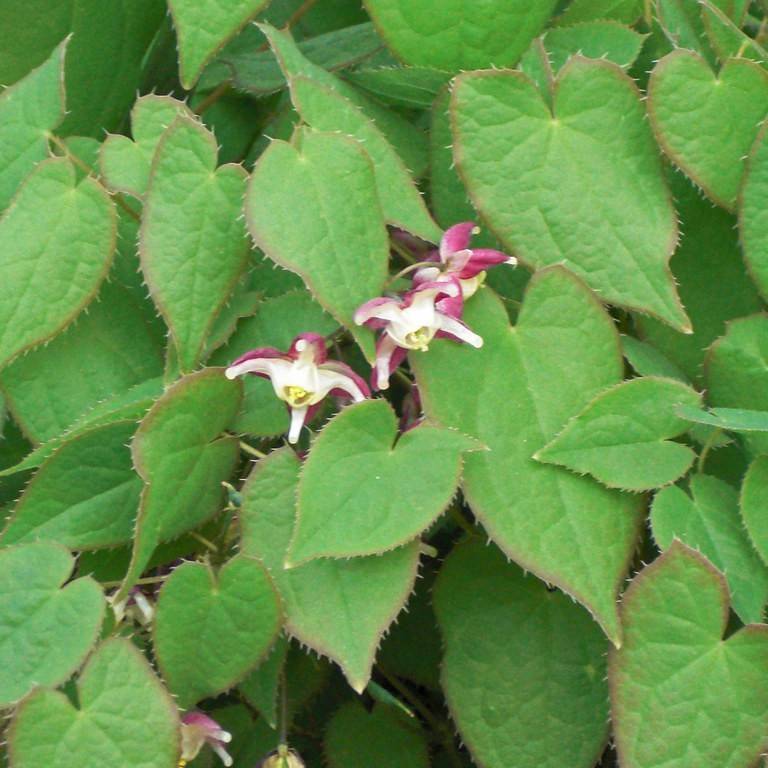
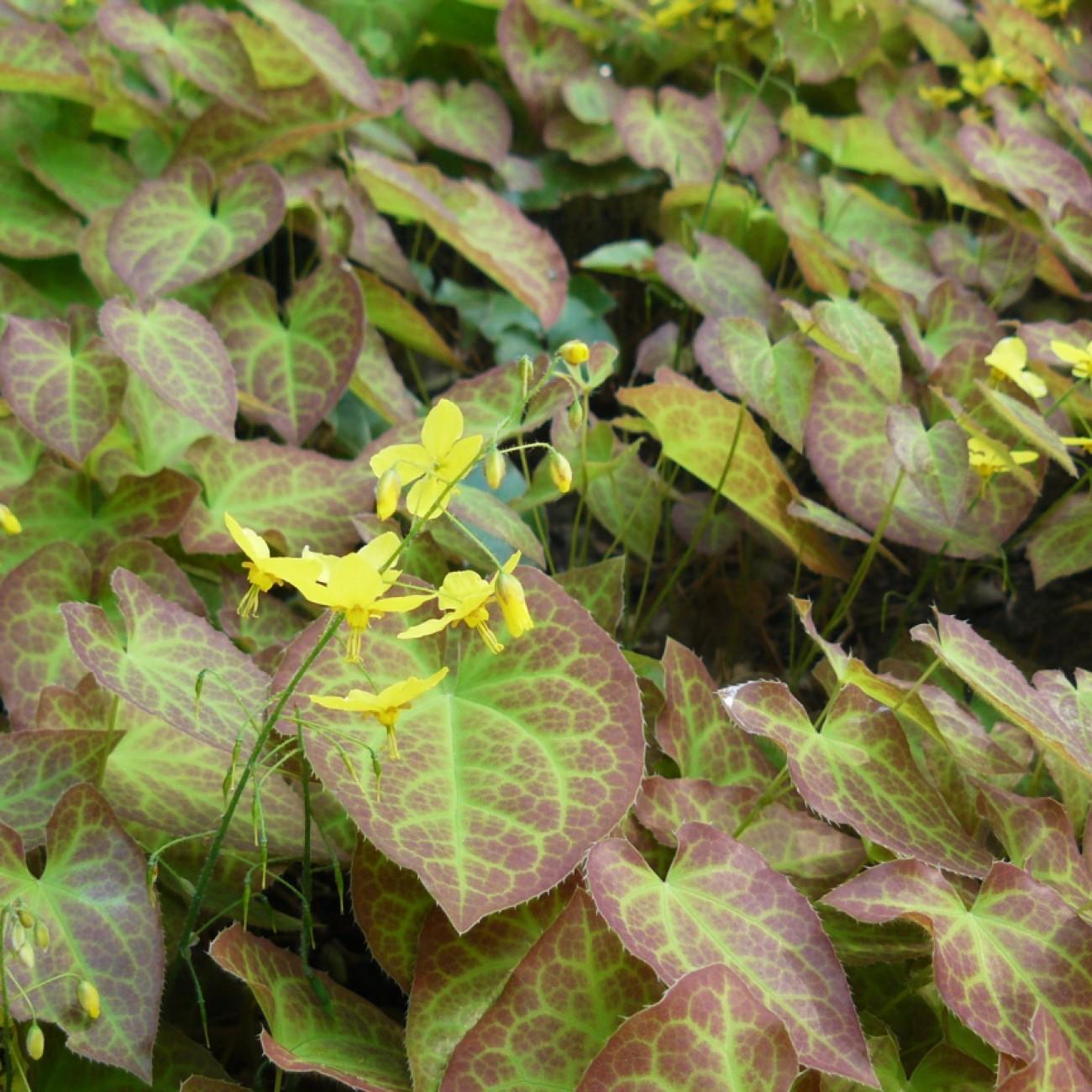
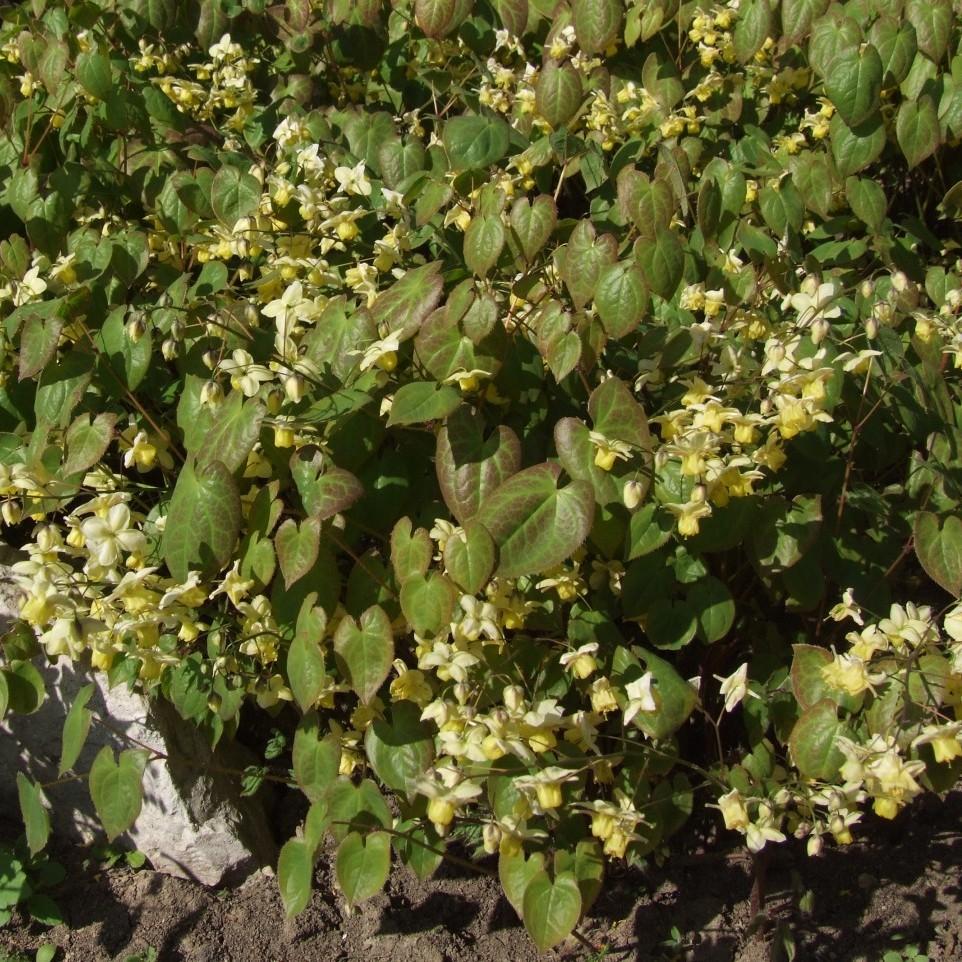
The Bishop's Hat (Epimedium youngianum 'Niveum') is a beautiful and stunning plant species ideal for any garden. The plant is composed of small, white and yellow flowers and vivid green foliage that make it stand out in any landscape. It has an attractive mounding habit and requires very little maintenance, making it an ideal addition to any garden. From spring through summer, it flourishes with long green leaves and delicate white flowers. In addition, it is fast-growing and drought-resistant, making it a great choice for gardeners who want a beautiful yet low maintenance plant. This beautiful plant species will be a showstopper in your garden and is guaranteed to draw attention.
Care Guide
Watering
Epimedium youngianum 'Niveum' (bishop's hat) is best watered once weekly when the surface of the soil is dry to the touch. Make sure to water deeply and uniformly so that the soil is evenly moist all the way to the bottom of the pot. Water the base of the plant where the roots are so that the foliage stays dry. Avoid over-watering as it can lead to root rot and other issues.
Light
Epimedium youngianum 'Niveum' (also known as Bishop's Hat) prefers full shade, partial shade or partial sun with protection from the afternoon sun. It does best in locations that receive no more than 4 hours of direct sun per day. This plant should be kept out of hot, direct sun, as it may become scorched by intense heat and dry conditions. If too much sun, the plant will wilt and turn brown. Bishop's Hat should be planted in a semi-shaded area of the garden and should receive some protection from the harsh sun during the hottest part of the day.
Temperature
Hardiness zone 4–8.
Pruning
Bishop's hat (Epimedium youngianum 'Niveum') should be pruned twice a year. Pruning should be done in the late winter or early spring before new growth begins, as well as in the late summer after flowering. Plants should be cut back to a pair of leaf buds found closest to the ground to encourage fuller growth. Remove any dead, diseased, or damaged growth. To promote new growth, prune perennials down to within a few inches of the soil. Pruning Bishop's hat encourages vigorous, more compact growth which leads to more flowers in the late spring.
Propagation
Division, Cutting, Seed Propagation, Layering Propagation
Related plants
Other plants you might like if you grow bishop's hat.