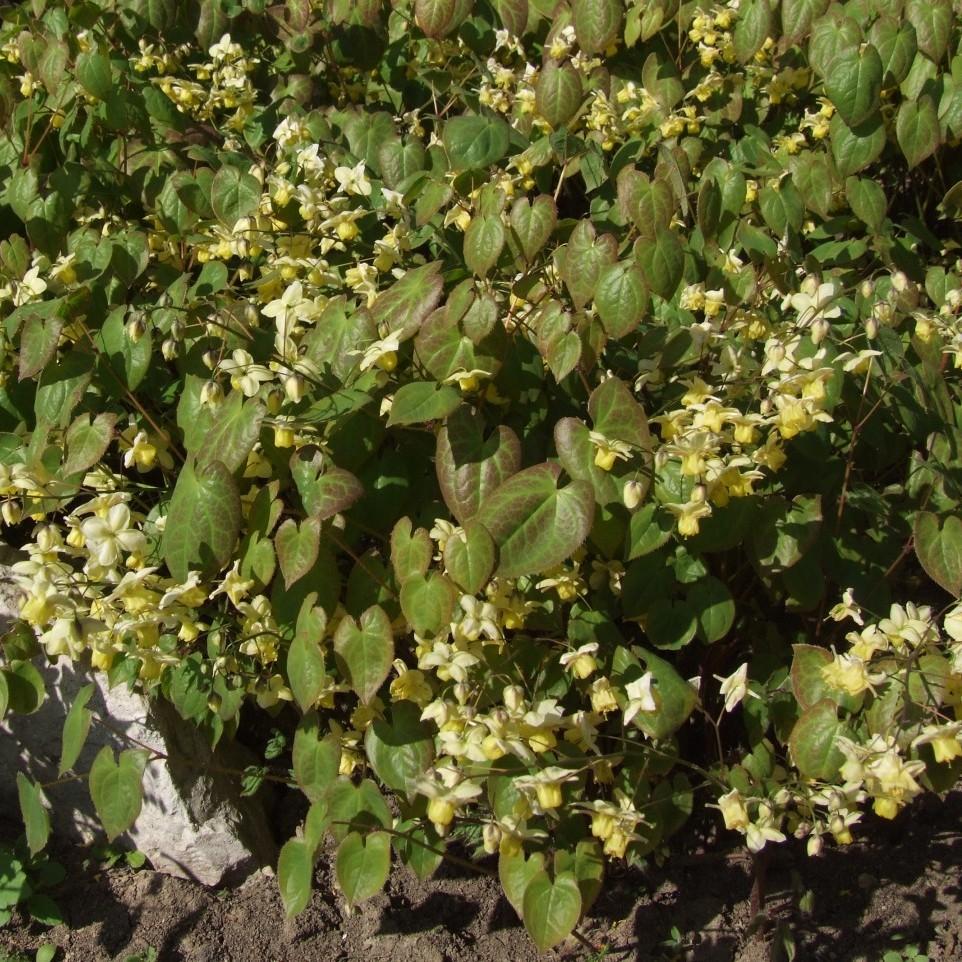
bishop's hat
Epimedium versicolor 'Sulphureum'
Overview
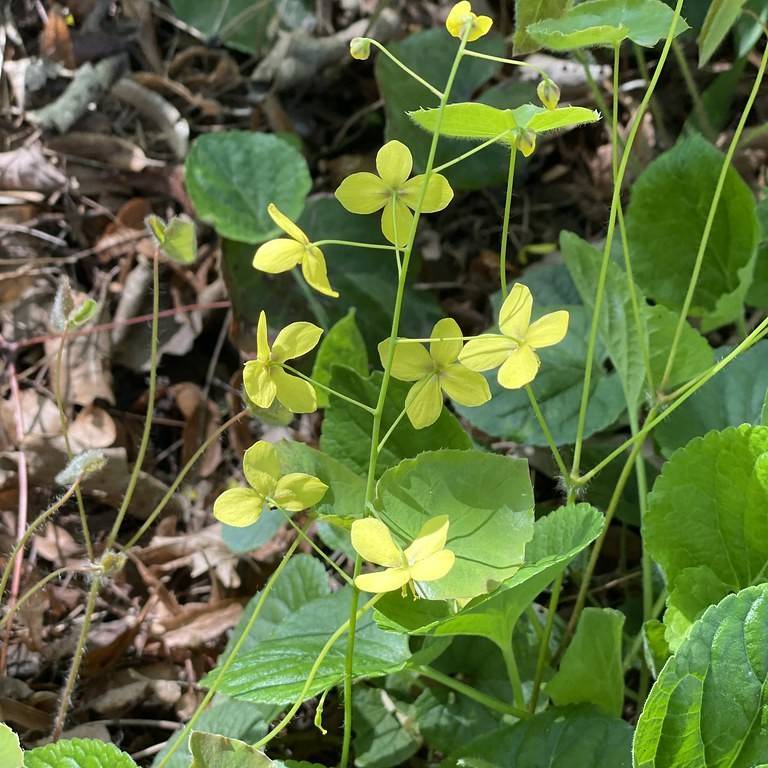
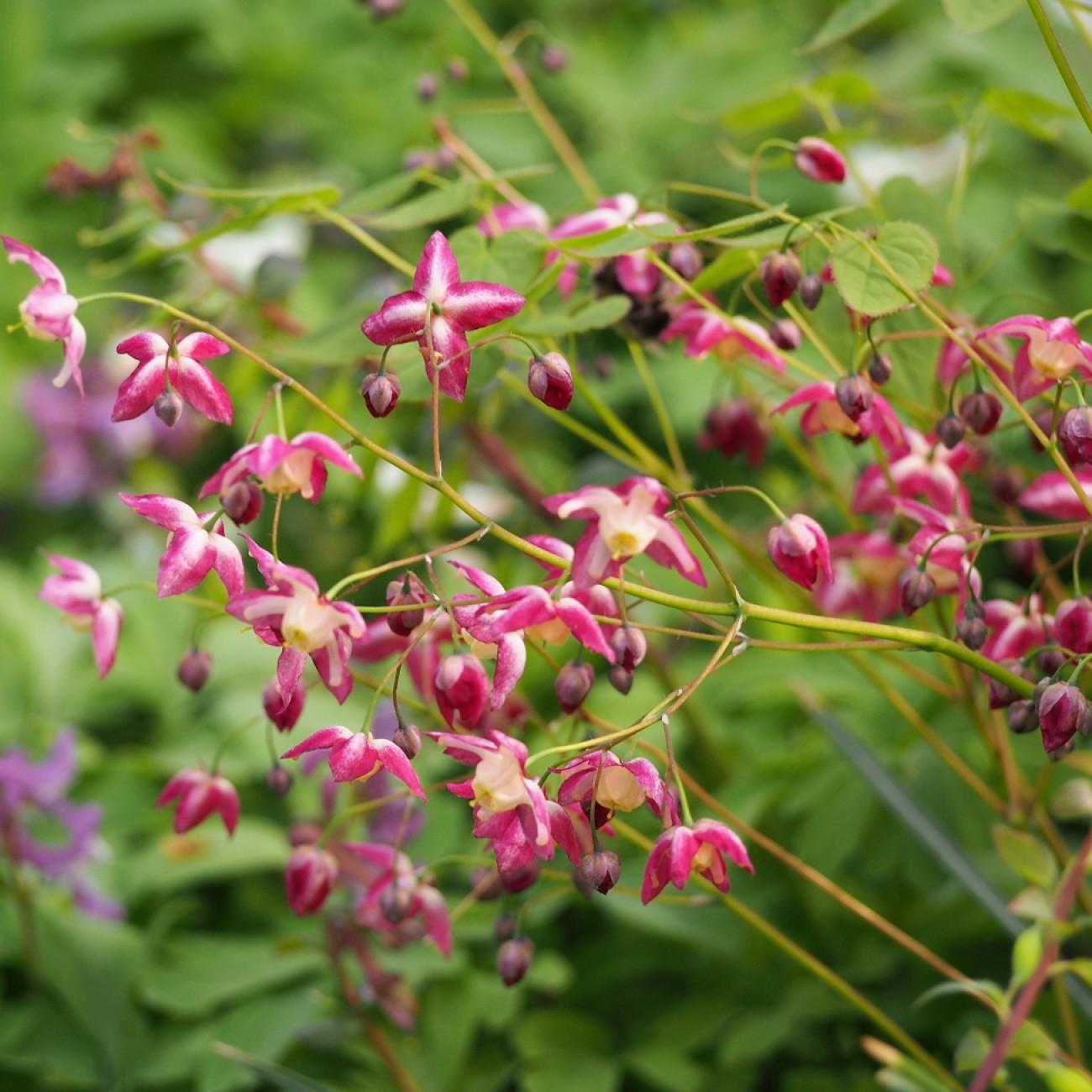
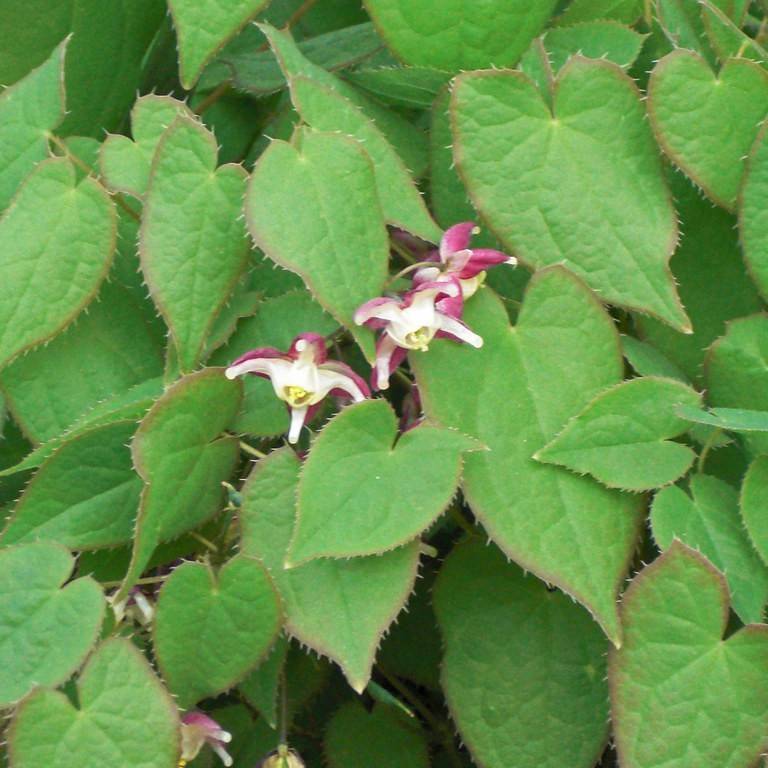
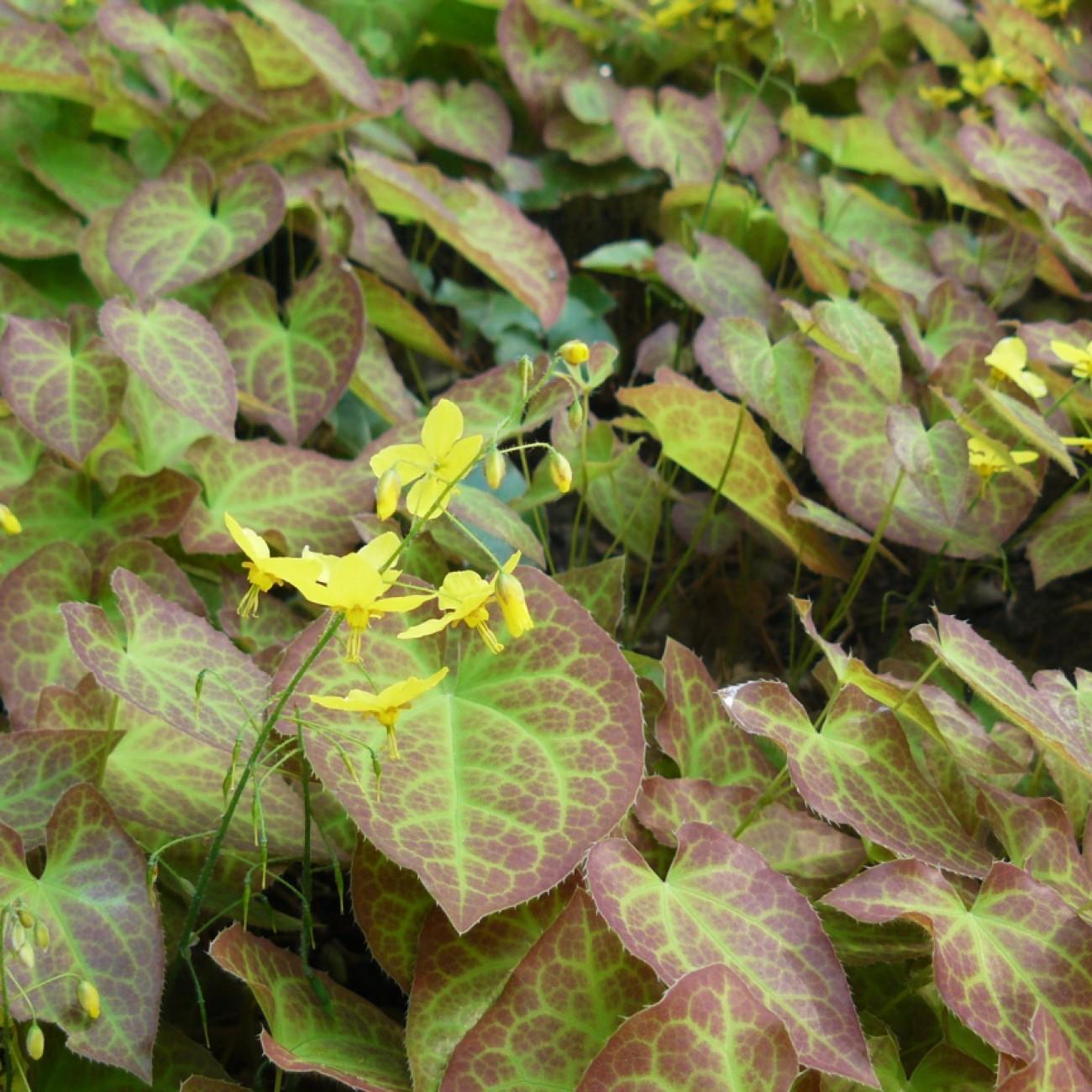
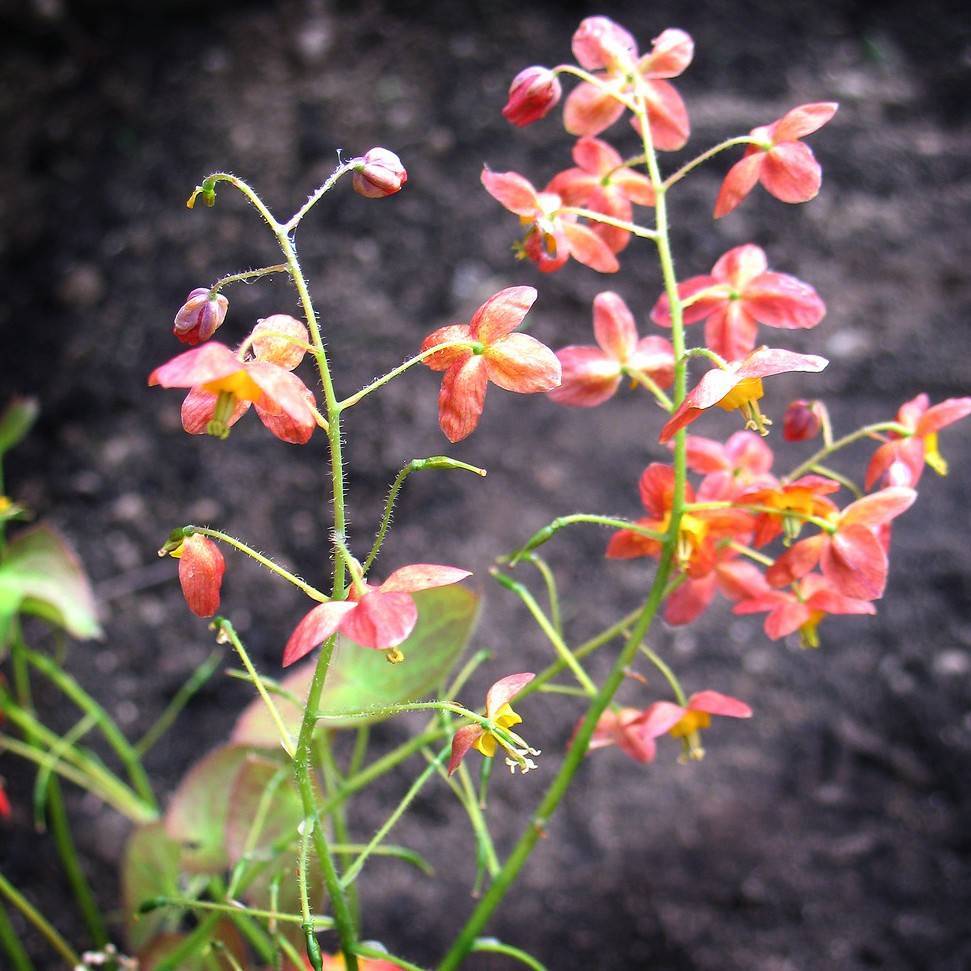
Bishop's hat (Epimedium versicolor 'Sulphureum') is an amazing plant species that is sure to make a graceful addition to your garden. It is a delightful evergreen plant with heart-shaped, yellow-green foliage and clusters of bright yellow flowers in April and May. Plus, the foliage often turns to an attractive red in autumn. Its upright growth habit and trailing habit allows it to be used as a groundcover, low hedge, or a feature in a rockery. Compared to other epimedium species, bishop's hat is one of the showiest with its regular blooming, long-lasting flowers, and vibrant colors. Its bold and bright blooms will show off your garden in a multitude of colors that will surely be a statement piece.
Care Guide
Watering
Water Bishop's hat when the soil feels dry to the touch, about once every 7-10 days. This plant prefers consistently moist soil, so avoid letting it dry out completely between waterings. During the growing season (spring and summer), however, it's likely that you'll have to water it more frequently. In very hot weather, it may require daily watering. In the winter, reduce waterings to about once a month.
Light
Epimedium versicolor 'Sulphureum' (Bishop’s Hat) enjoys bright, indirect light. To provide this type of light, it’s best to place this plant in an area that receives at least 4-5 hours of direct sunlight each day. It's important to note that Bishop's Hat should not be placed in a location that receives direct southern or western exposure, where it can be overexposed to the sun's rays. Ideal locations include the sunny corners of north- or east-facing windows, or an east-facing room that receives indirect light throughout the day. This species does not tolerate deep shade, so it should not be placed in areas that are deprived of natural light.
Temperature
Hardiness zone 5–9.
Pruning
Bishop's Hat (Epimedium versicolor 'Sulphureum') requires minimal pruning in early spring. Prune any dead or damaged stems back to the base, and lightly shape the plant to keep the desired form. No more than 1 third of the plant should be pruned. This particular species does not require frequent pruning, so you should only need to prune it once every few years.
Propagation
Division, Layering Propagation, Cutting, Seed Propagation
Related plants
Other plants you might like if you grow bishop's hat.