%22%2F%3E%0A%20%20%20%20%20%20%3Ccircle%20cx%3D%22920%22%20cy%3D%22180%22%20r%3D%2290%22%20fill%3D%22%23cfe8d5%22%2F%3E%0A%20%20%20%20%20%20%3Cpath%20d%3D%22M600%20590c-90-180-215-255-310-280%200%20165%20118%20296%20270%20296h40z%22%20fill%3D%22%2379b88e%22%2F%3E%0A%20%20%20%20%20%20%3Cpath%20d%3D%22M600%20590c80-150%20198-212%20302-228-8%20142-123%20255-270%20255h-32z%22%20fill%3D%22%235c9f73%22%2F%3E%0A%20%20%20%20%20%20%3Cpath%20d%3D%22M600%20610V360%22%20stroke%3D%22%234f8c64%22%20stroke-width%3D%2218%22%20stroke-linecap%3D%22round%22%2F%3E%0A%20%20%20%20%20%20%3Ctext%20x%3D%22600%22%20y%3D%22700%22%20text-anchor%3D%22middle%22%20font-family%3D%22Arial%2C%20sans-serif%22%20font-size%3D%2244%22%20fill%3D%22%23365c45%22%3E%0A%20%20%20%20%20%20%20%20Plant%20image%20coming%20soon%0A%20%20%20%20%20%20%3C%2Ftext%3E%0A%20%20%20%20%3C%2Fsvg%3E%0A%20%20)
Japanese falsecypress
Chamaecyparis pisifera 'Plumosa Albopicta'
Überblick
The Japanese falsecypress (Chamaecyparis pisifera 'Plumosa Albopicta') is an amazing evergreen ornamental shrub. It is resistant to drought and pests and requires minimal upkeep once established. Its foliage is a deep green color, with gray and white-tipped needles, creating an attractive two-tone effect. It can grow up to five feet tall and five feet wide and requires full sun for the best coloration. This plant is also hardy to -20 degrees Fahrenheit, making it ideal for colder climates. It's also slow growing, so you don't have to worry about it outgrowing it's space. All of this combined with its low-maintenance needs make the Japanese falsecypress a great addition to any garden.
Pflegeleitfaden
Gießen
Japanese falsecypress should be watered deeply and infrequently. To prevent root rot, soil should be allowed to dry out completely between waterings. An occasional deep watering will help the plant stay healthy, and it should receive at least 1 to 2 inches of water every 2 to 4 weeks during its active growing season. If its soil is sandy or able to dry out quickly, increase watering frequency to once a week. During the winter, plants need far less water.
Licht
Japanese falsecypress are best suited to receiving full sunlight throughout the day. As an evergreen conifer, this species can thrive in areas with long hours of direct sunlight, ideally between 8 to 10 hours a day. During summer months, it may be helpful to give the plant a light shade or shield from the midday sun as well as provide adequate moisture. Japanese Falsecypress also do well in winter when there is less sunlight available, so artificial lights can be used to provide supplemental lighting.
Temperatur
Hardiness zone 4–4.
Schnitt
Japanese falsecypress should be pruned in late winter or early spring. Pruning should be minimal and only necessary to remove any dead or damaged branches and to maintain the overall desired shape of the plant. It is best to remove no more than 1-third of the foliage at a time to avoid disrupting growth and reducing the health of the plant. Japanese falsecypress is also known for its resistance to pruning, meaning it can take more pruning than other plants, so don't be afraid to prune back more than usual if needed.
Vermehrung
Cutting, Grafting Propagation, Layering Propagation, Seed Propagation
Krankheiten & Schädlinge
Common pests: Pest resistant, Disease resistant.
Related plants
Other plants you might like if you grow Japanese falsecypress.
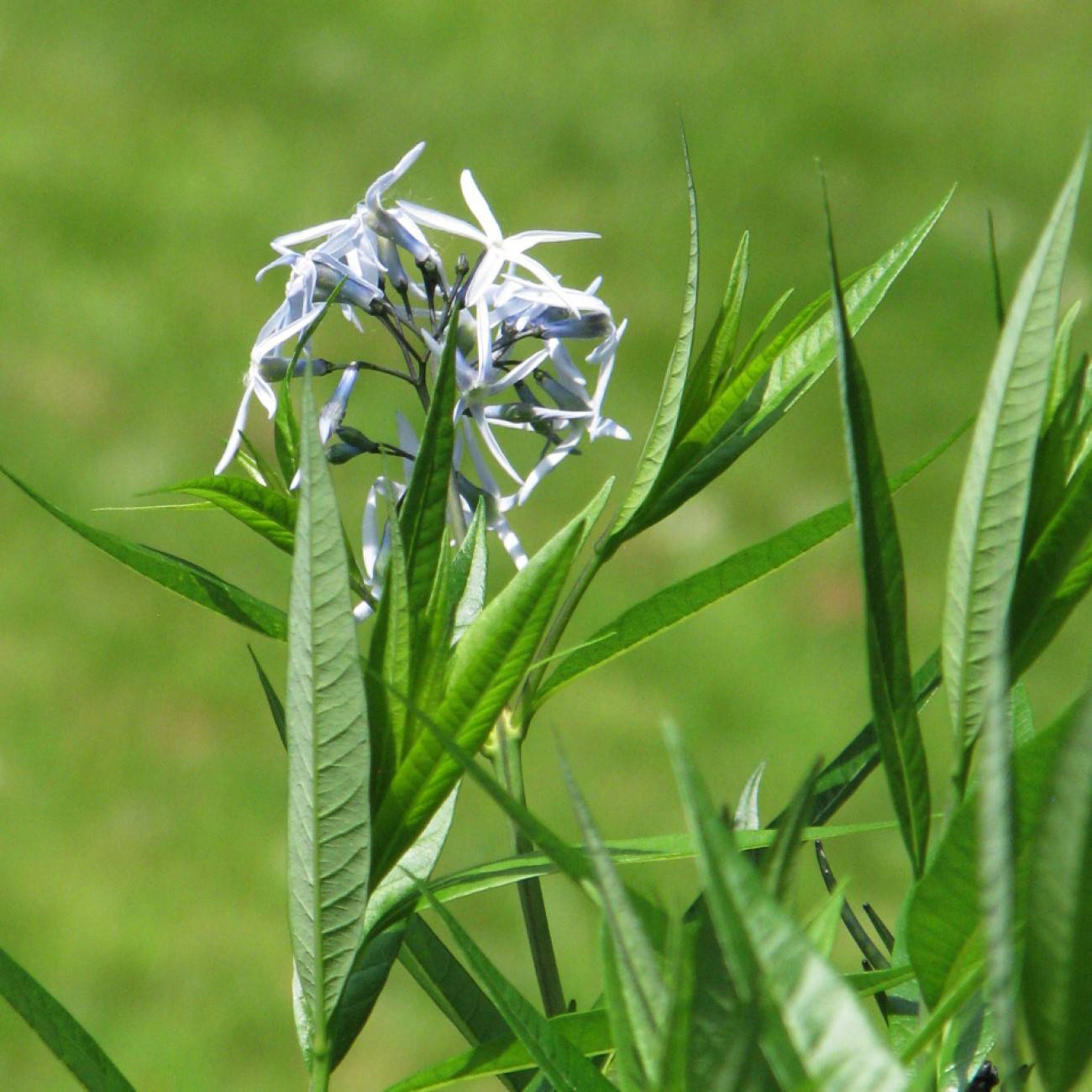
blue star
Amsonia ciliata var. filifolia 'Georgia Pancake'
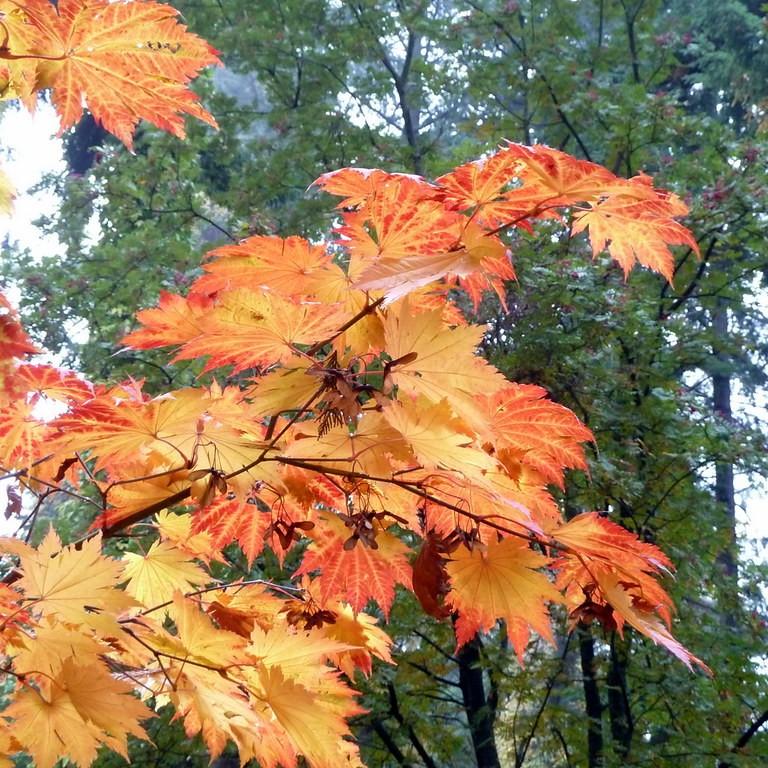
full moon maple
Acer japonicum 'O-isami'
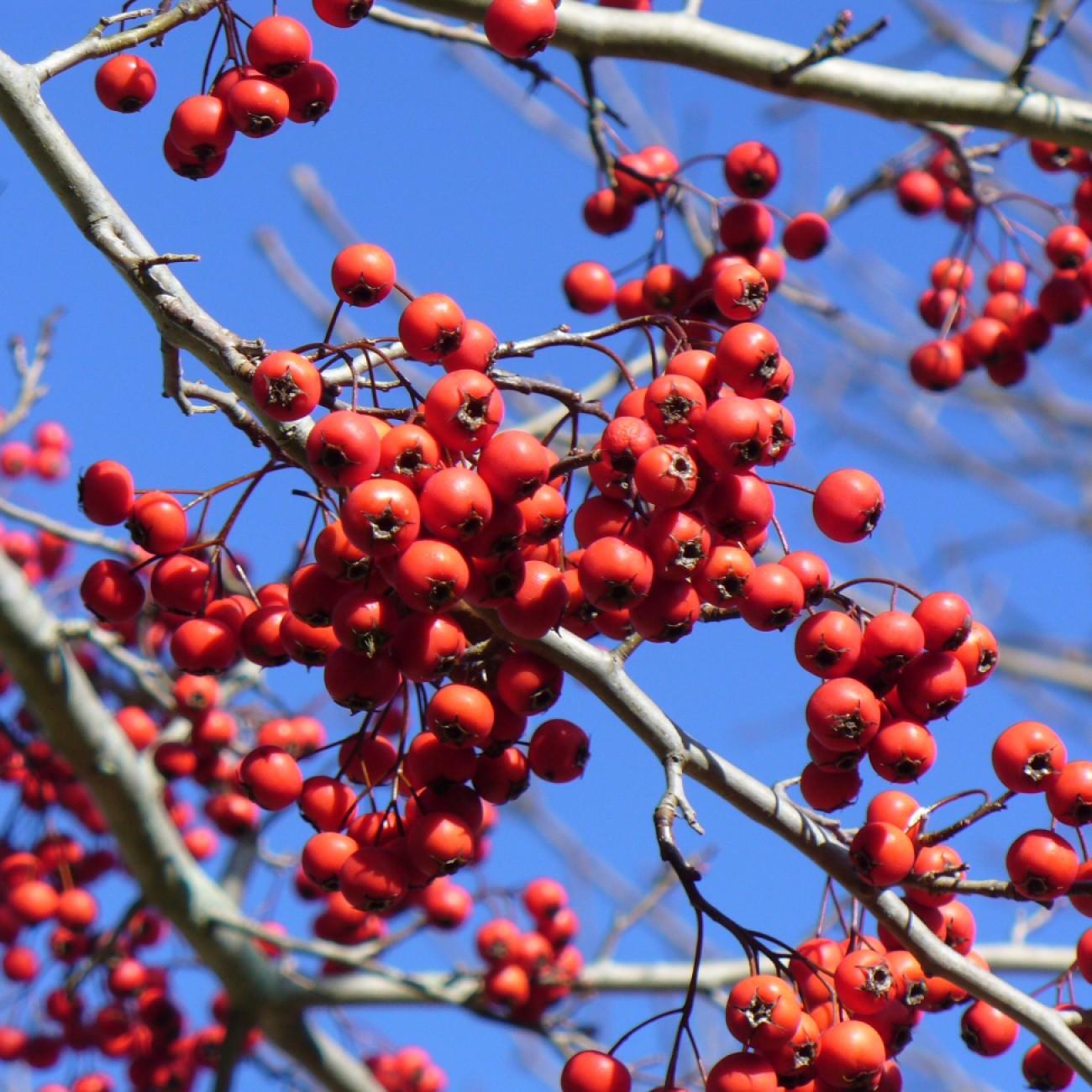
green hawthorn
Crataegus viridis
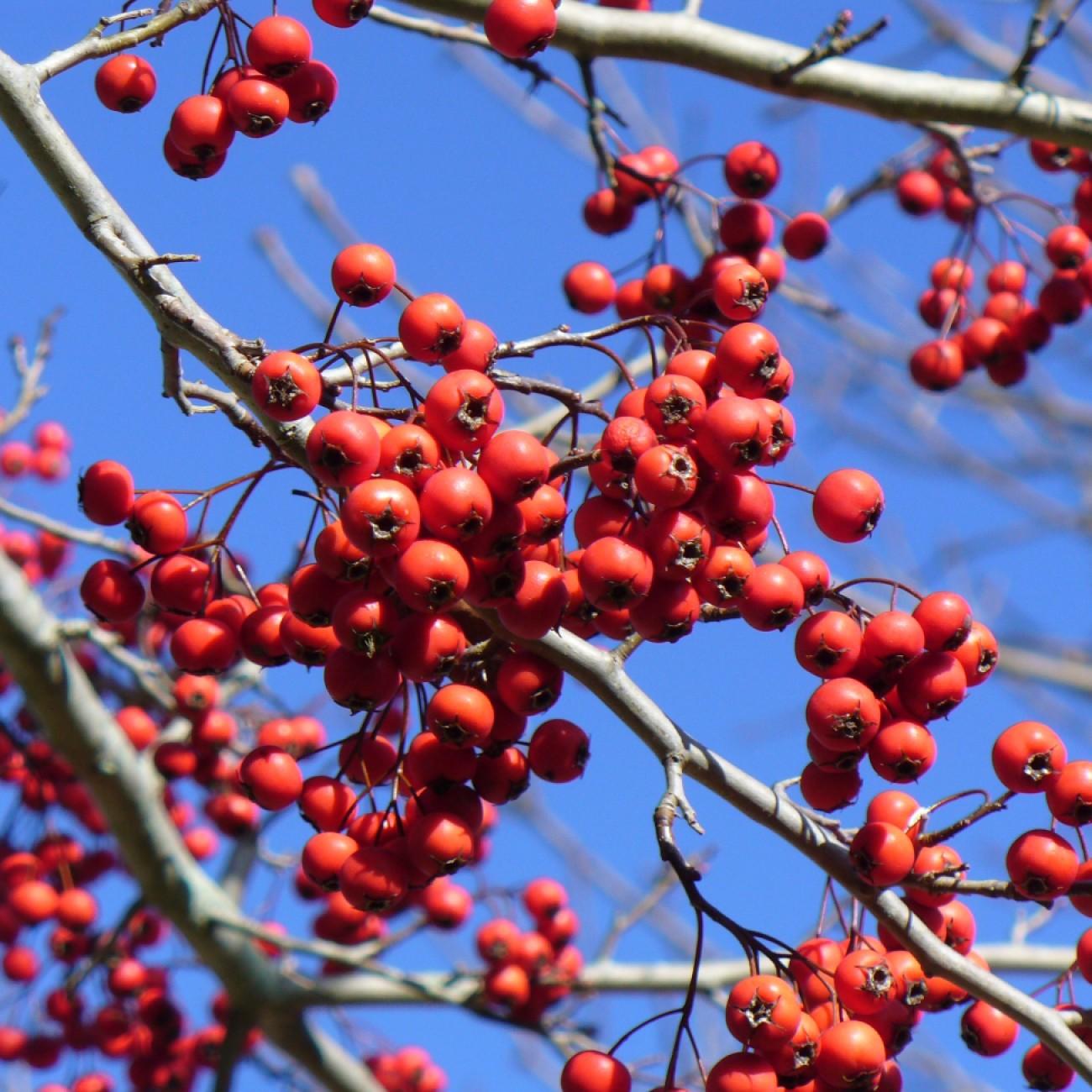
green hawthorn
Crataegus viridis 'Winter King'
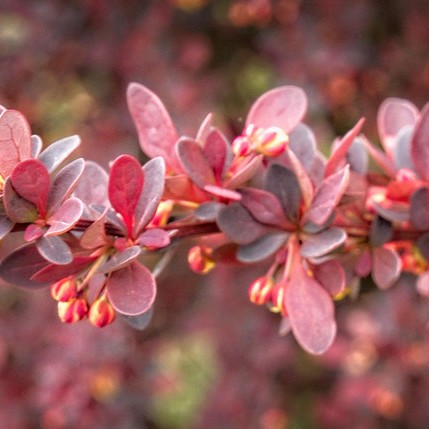
Japanese barberry
Berberis thunbergii f. atropurpurea 'Bagatelle'
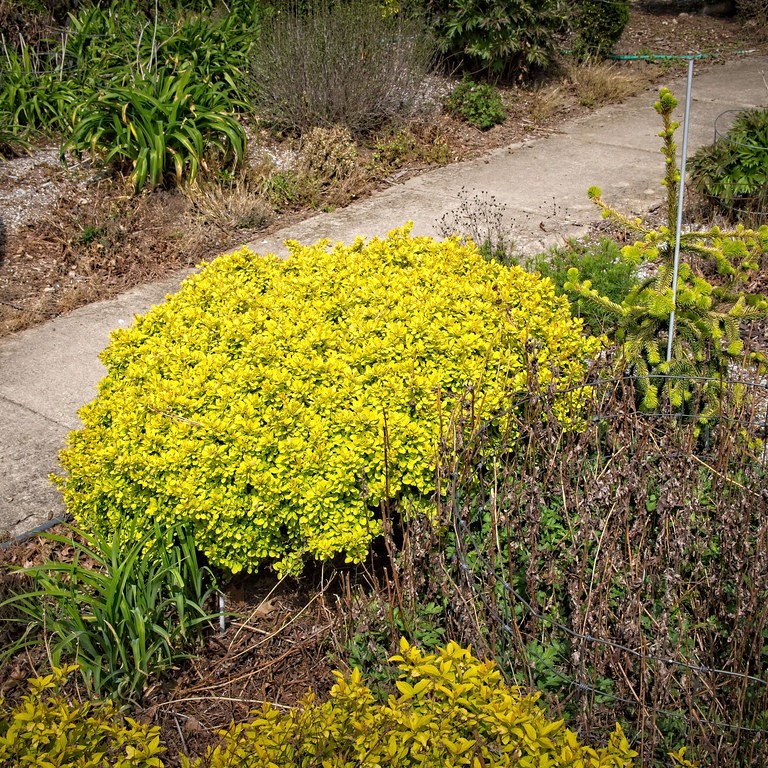
Japanese barberry
Berberis thunbergii 'Maria' SUNJOY GOLD PILLAR
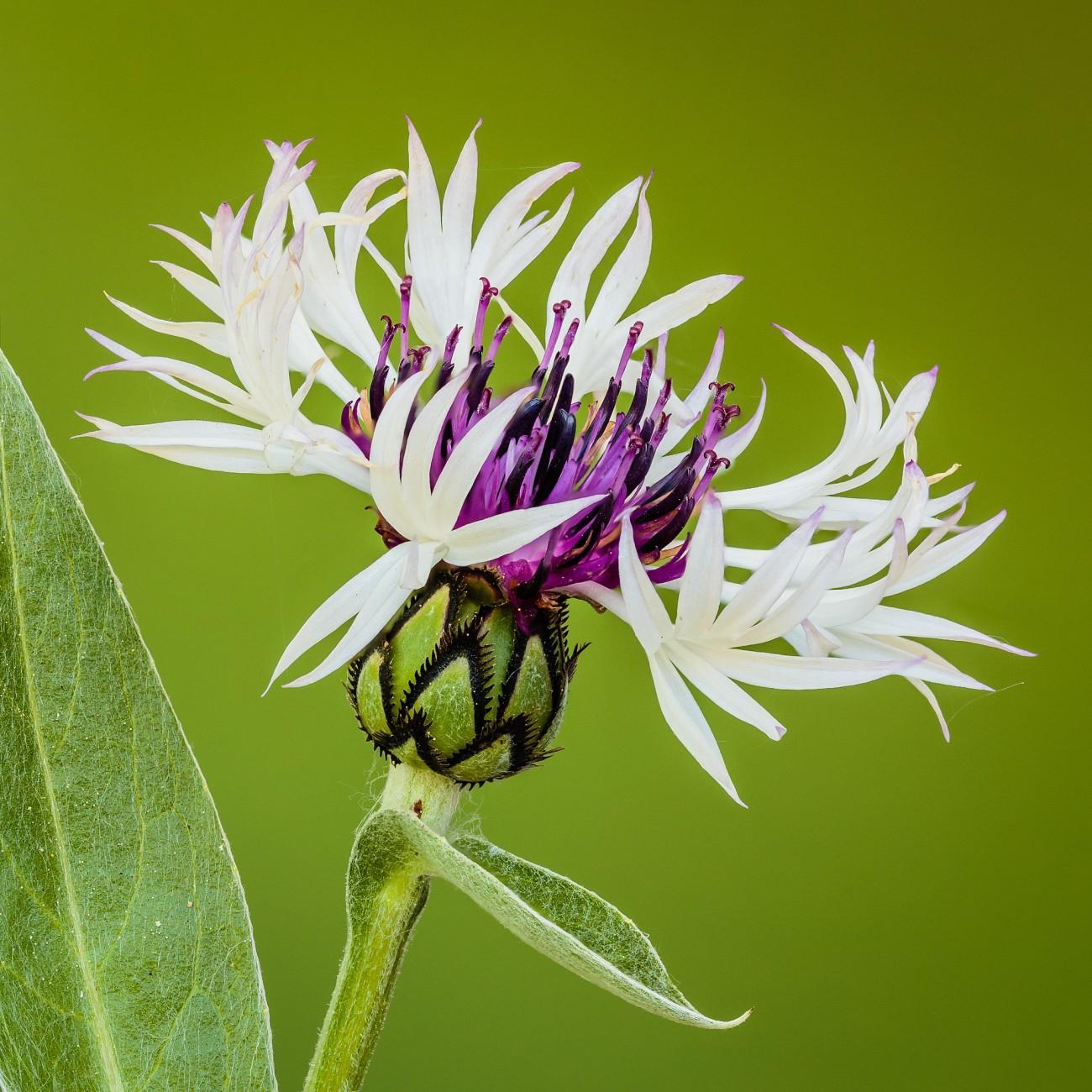
mountain bluet
Centaurea montana 'Amethyst in Snow'
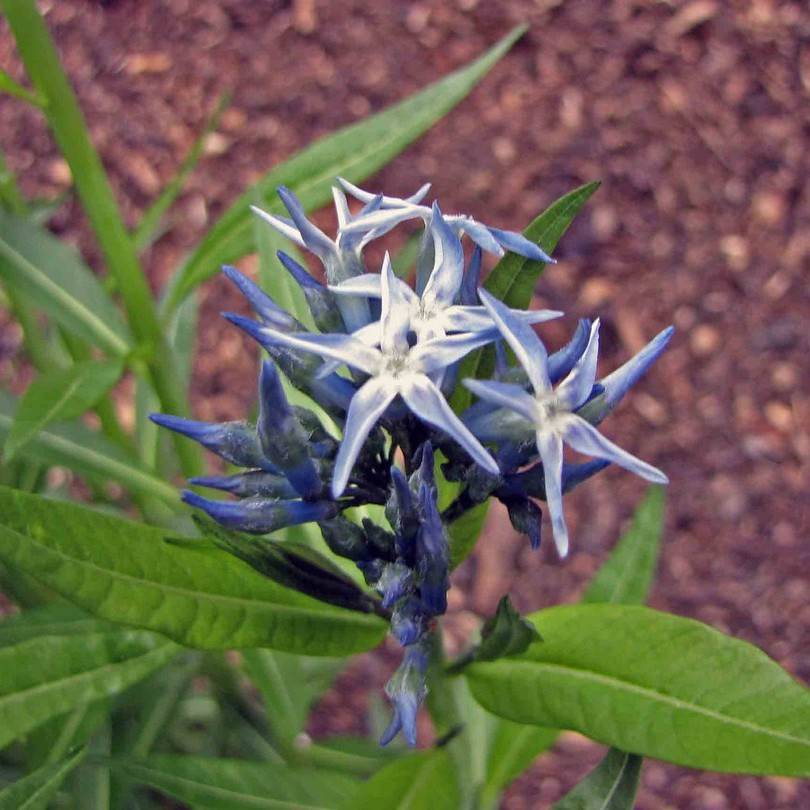
shining blue star
Amsonia illustris