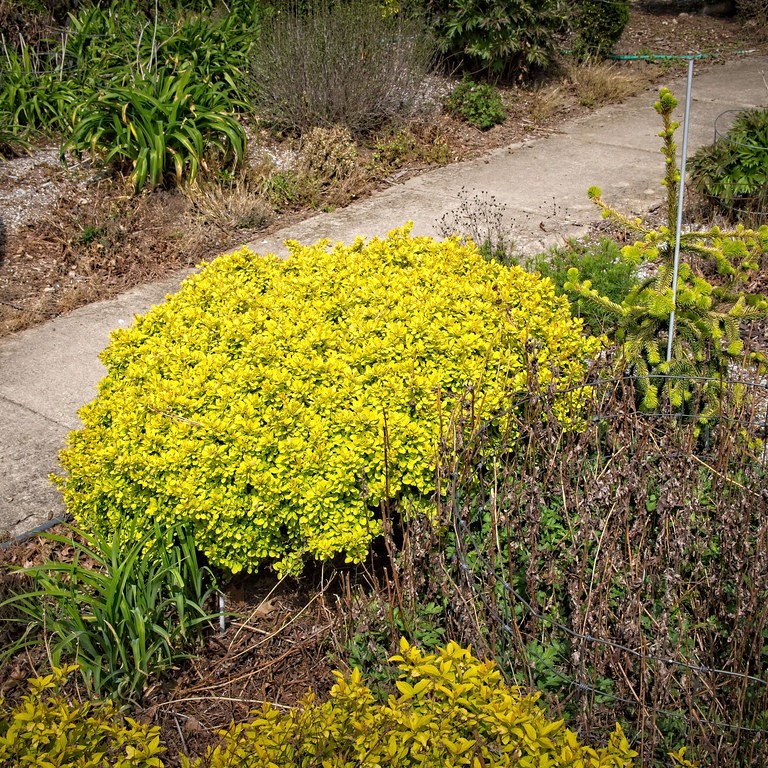
Japanese barberry
Berberis thunbergii 'Maria' SUNJOY GOLD PILLAR
Overview
The Japanese barberry (Berberis thunbergii 'Maria' SUNJOY GOLD PILLAR) is an amazing, low-mainteance shrub that can be used in many landscape settings. It has beautiful, yellow foliage which retains its color throughout the growing season, and bright yellow flowers that bloom from early spring to late summer. Once established, it is low maintenance and highly tolerant of a variety of growing conditions. It is also pest, deer and rabbit resistant, making it kind on your garden and ideal for urban landscapes. Its compact, upright growing habit and eye-catching yellow and red flowers make it a great focal point, and its ability to tolerate some sun or shade makes it an ideal choice for most gardens.
Care Guide
Watering
Japanese Barberry should be watered once every 2 weeks once the soil is dry, about 1-2 inches. Soil should be moist but not overly wet, and the plant will benefit from a deep watering session rather than frequent, shallow waterings. In hotter weather, the soil can dry out faster, so check on the plant more regularly to ensure it is not drying out. In winter, the need for watering decreases, and the Japanese Barberry can go for several weeks without water, depending on the weather.
Light
Japanese barberry (Berberis thunbergii 'Maria' SUNJOY GOLD PILLAR) is a deciduous shrub that requires bright, indirect sunlight to thrive. Ideally, this plant species should receive 6 to 7 hours of bright, indirect sunlight daily throughout the growing season. If grown in an area that receives too little sunlight, this plant may become leggy and become sparsely foliated. In shadier areas, the plant may start to stretch in search of light, only to suffer winter damage due to the weak, lanky growth.
Temperature
Hardiness zone 4–8.
Pruning
Pruning Japanese Barberry (Berberis thunbergii 'Maria' SUNJOY GOLD PILLAR) should generally be done in late winter or early spring, before new growth appears. Always use clean, sharp pruning tools to avoid damaging the plant. Cut back any damaged or stray branches so that the shrub maintains its shape. Remove any dead branches and trim away any that cross over into each other to maintain an open structure. Once a year, prune it lightly to maintain the size and shape of the plant. Avoid pruning more than 1-third of the total size as the Japanese barberry is slow growing and pruning more may reduce flowering.
Propagation
Cutting, Layering Propagation, Grafting Propagation, Division, Seed Propagation
Related plants
Other plants you might like if you grow Japanese barberry.
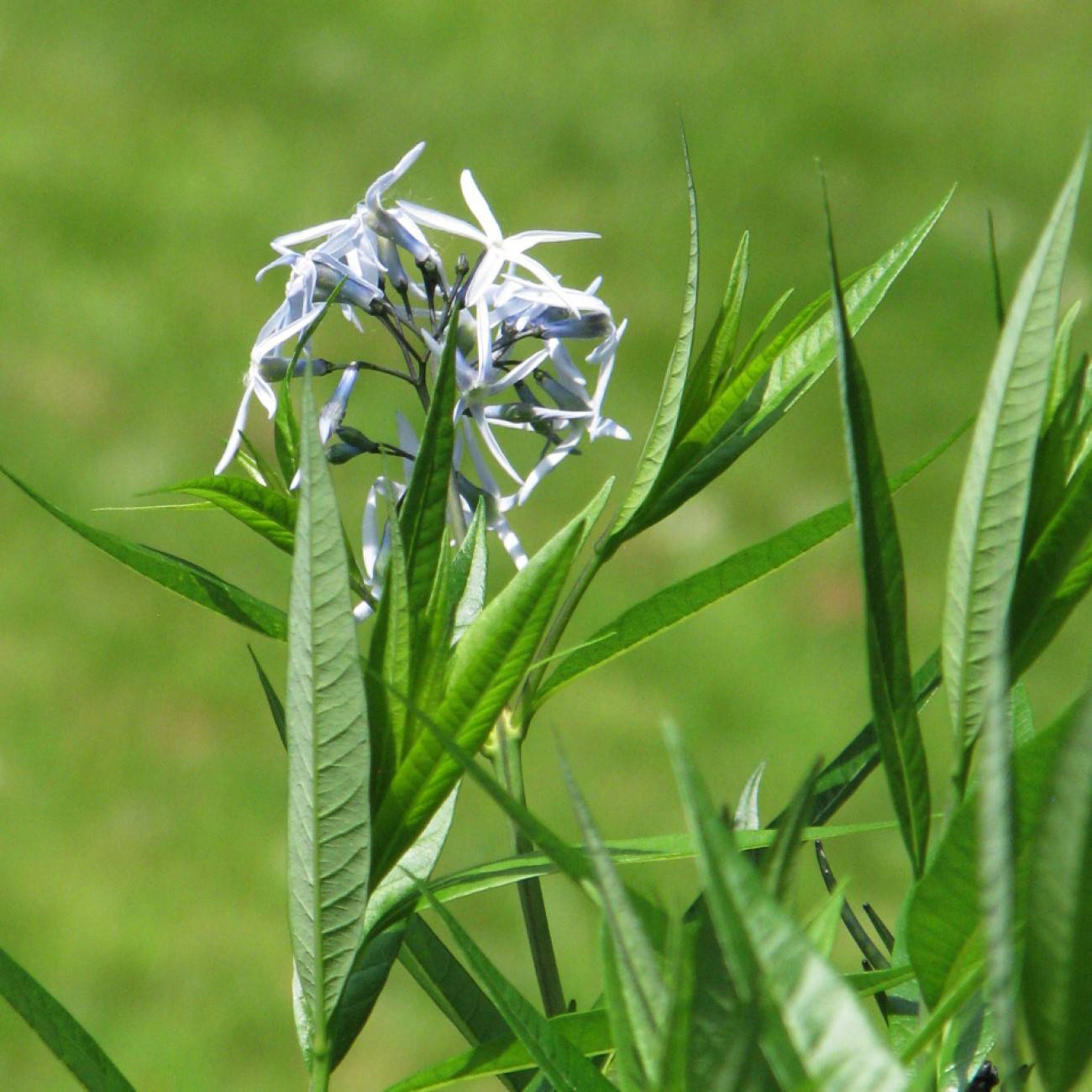
blue star
Amsonia ciliata var. filifolia 'Georgia Pancake'
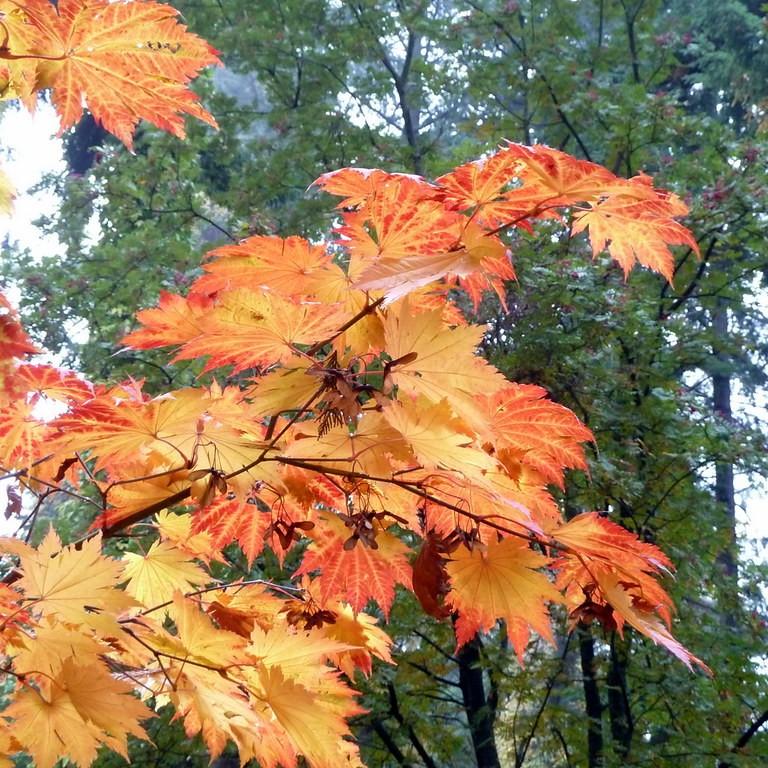
full moon maple
Acer japonicum 'O-isami'
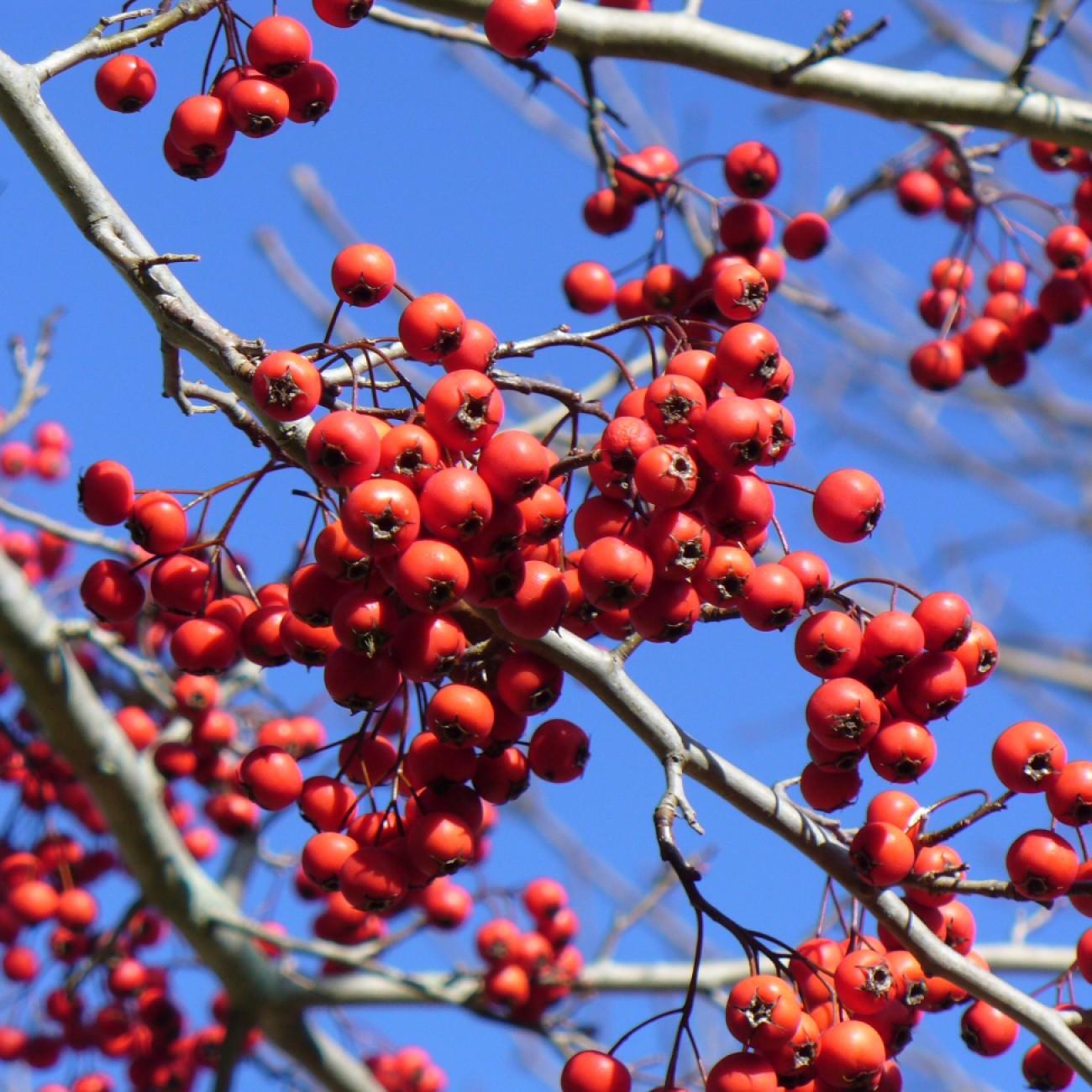
green hawthorn
Crataegus viridis
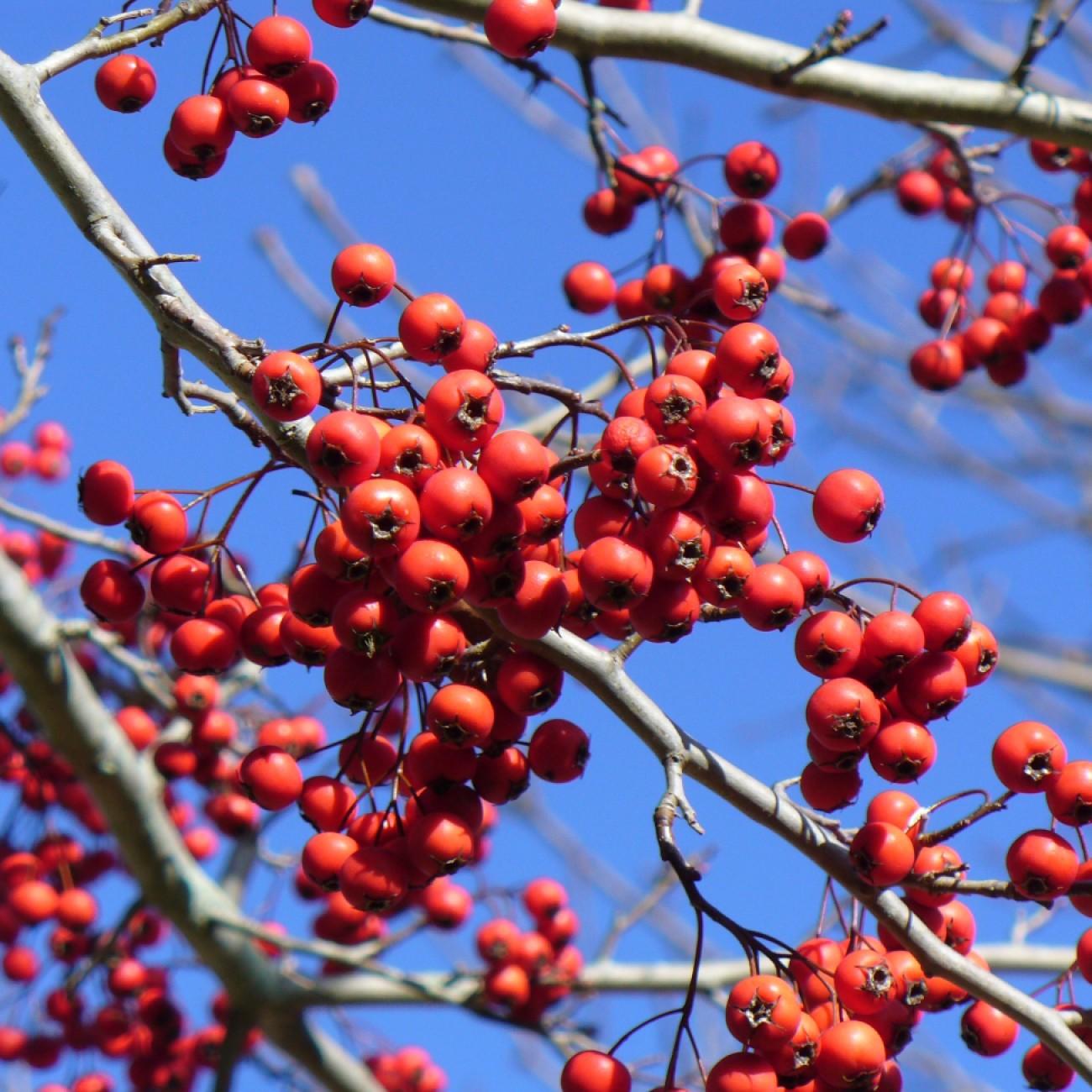
green hawthorn
Crataegus viridis 'Winter King'
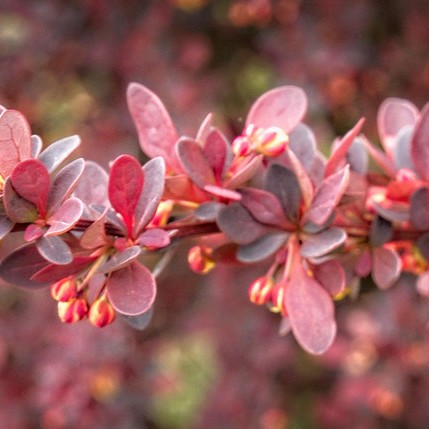
Japanese barberry
Berberis thunbergii f. atropurpurea 'Bagatelle'
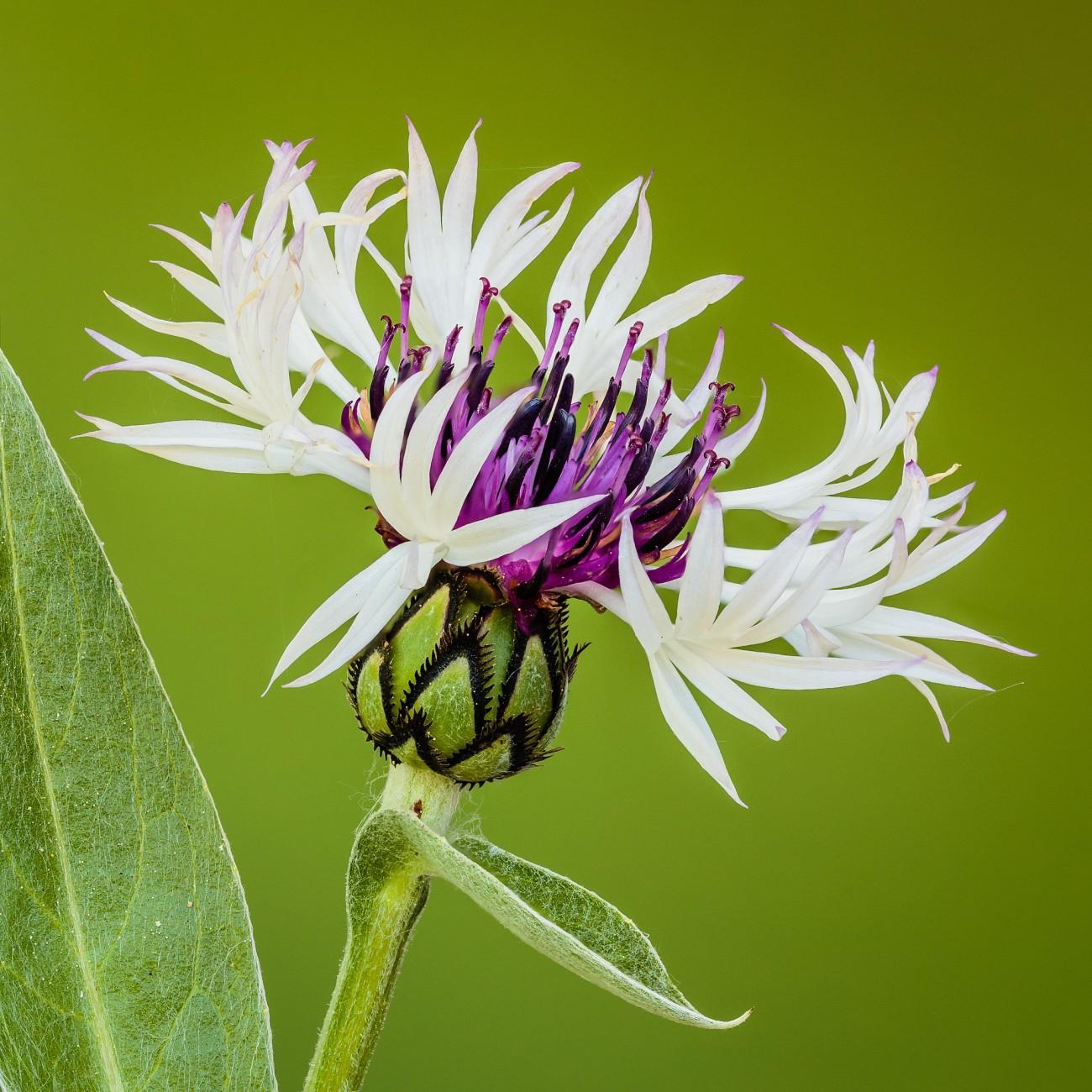
mountain bluet
Centaurea montana 'Amethyst in Snow'
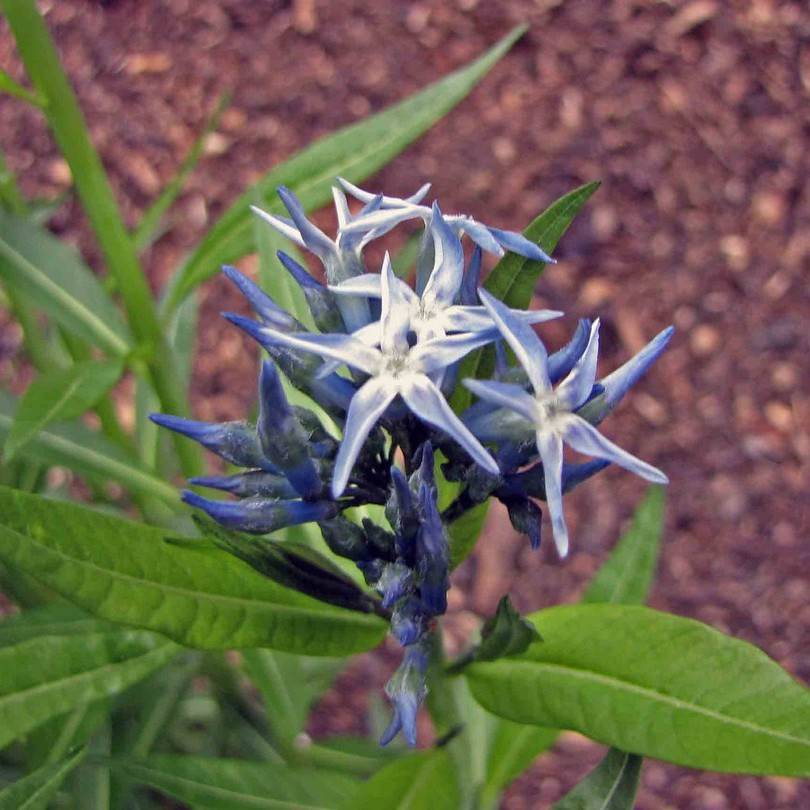
shining blue star
Amsonia illustris
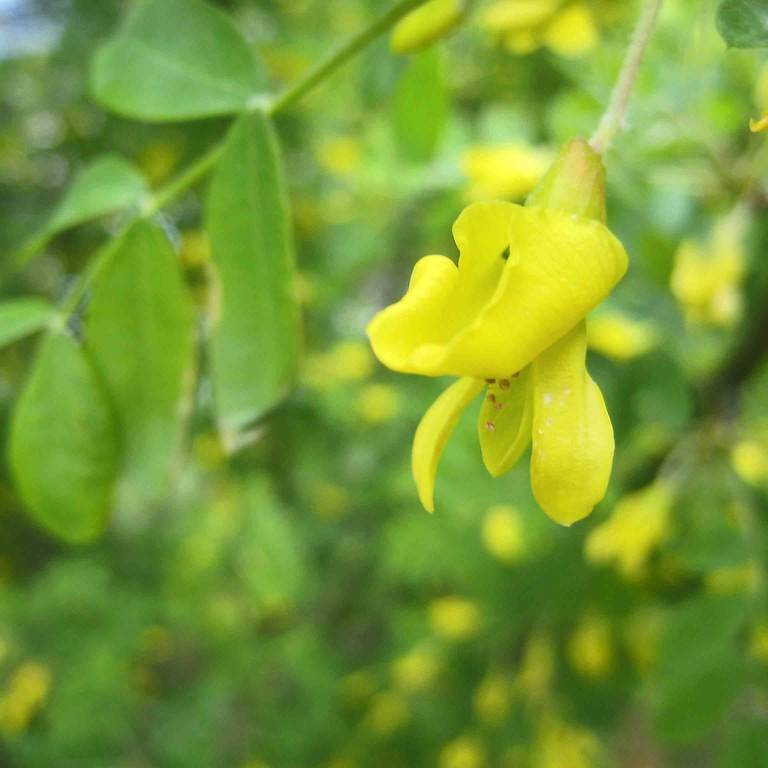
Siberian peashrub
Caragana arborescens