Crocus Sativus: The Complete Guide to Growing, Identifying, and Using Saffron Crocus
Learn all about Crocus sativus, the plant that produces saffron, the world’s most expensive spice. Find care tips, identification guides, and safe growing practices.
Crocus Sativus: The Complete Guide to Growing, Identifying, and Using Saffron Crocus
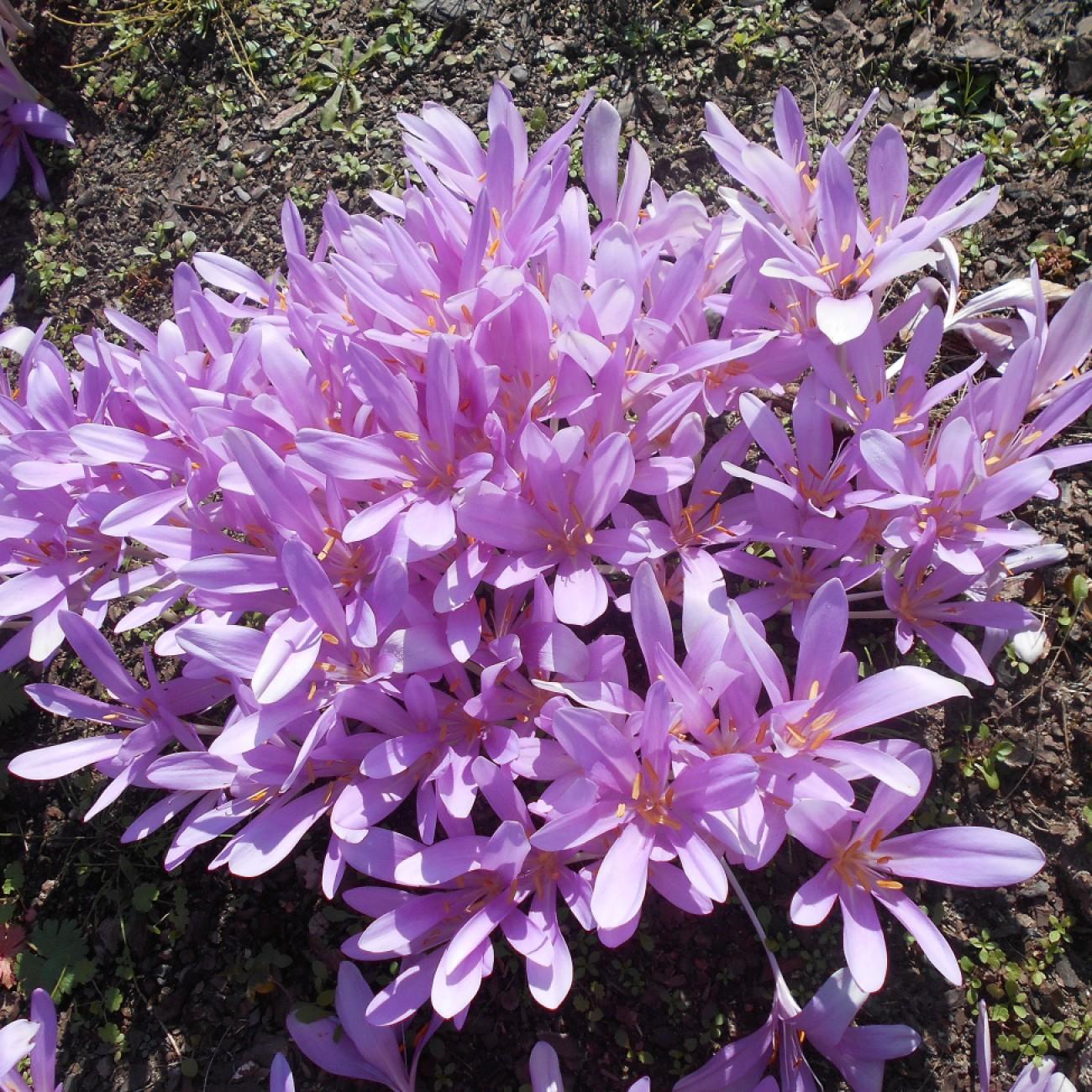
Crocus sativus, or saffron crocus, is a sterile perennial in the iris family grown for its red stigmas, which produce saffron, the world’s most expensive spice by weight. It blooms in fall, is non-toxic to pets, and can be grown at home in USDA zones 6–9 with proper care.
What Is Crocus Sativus?
Crocus sativus, commonly known as saffron crocus, is a perennial flowering plant in the iris family, grown primarily for the red stigmas that produce saffron, the world’s most expensive spice by weight. It is a sterile triploid plant, meaning it cannot produce viable seed and is propagated exclusively from corms. For full botanical specifications, view the official saffron crocus plant profile in the Sproutly database.
Key Physical Characteristics
- Grows 4–6 inches tall at maturity
- Produces 1–5 purple, funnel-shaped flowers per corm in fall
- Each flower has 3 bright red, thread-like stigmas
- Thin, grass-like green foliage emerges shortly after blooming and persists through early spring
Common Regional Names
- Saffron crocus (global common name)
- Zaffran crocus (South Asia)
- Safran krokus (Europe)
- Kesar crocus (India)
Crocus Sativus Genetics and Domestication History
Crocus sativus is a domesticated hybrid, likely descended from the wild species Crocus cartwrightianus native to Greece and the Eastern Mediterranean. It has a triploid genome (3 sets of chromosomes), which causes its sterility and means all commercial saffron crocus corms are genetically identical clones of the original domesticated plant. No modern selective breeding has altered its core traits, as its sterility prevents cross-pollination with other crocus species.
Domestication dates back at least 3,500 years, with the earliest recorded use of saffron in ancient Mesopotamian art and texts. Cultivation spread across the Middle East, North Africa, and Europe by the 10th century CE, and today most commercial saffron is grown in Iran, Spain, and India.
Its sterility makes selective breeding difficult, so most modern Crocus sativus plants retain the same traits as their ancient domesticated ancestors.
Crocus Sativus vs. Toxic Autumn Crocus (Colchicum autumnale)
Crocus sativus is often confused with autumn crocus (Colchicum autumnale), a toxic lookalike that can cause severe gastrointestinal distress, organ damage, or death if ingested. The two plants bloom around the same time and have similar purple flowers, but key differences make identification straightforward. If you are unsure of a plant’s identity, use the Sproutly plant identification tool to scan its flowers or foliage for an immediate, accurate identification before handling or harvesting any parts.
Key Identification Differences
| Feature | Crocus sativus | Colchicum autumnale |
|---|---|---|
| Stamens per flower | 3 | 6 |
| Stigma color | Bright red | White or pale yellow |
| Foliage timing | Emerges with or shortly after fall flowers | Emerges in spring, dies back before fall blooms appear |
| Foliage shape | Narrow, grass-like | Broad, strap-like |
| Toxicity | Non-toxic to humans and pets | All parts are toxic to humans, dogs, cats, and horses |
Crocus Sativus Cultivation and Growing Requirements
Crocus sativus grows best in USDA hardiness zones 6–9, though it can be grown in cooler zones with 2–3 inches of winter mulch or in containers that are moved indoors during freeze events. It requires full sun (6+ hours of direct light per day) and well-drained, sandy or loamy soil with a pH of 6.0–8.0 to avoid corm rot. For custom care reminders tailored to your local climate, add saffron crocus to your Sproutly plant list after planting.
Planting Instructions
- Plant corms 3–4 inches deep and 3–4 inches apart in late summer, 6–8 weeks before the first expected fall frost
- Place corms with the pointed end facing up
- Water thoroughly once after planting to stimulate root growth
- Avoid planting in low-lying areas where water pools after rain or irrigation
Ongoing Care
- Water once every 7–10 days during active growth (fall and spring), reducing frequency during wet weather to prevent rot
- Apply a balanced, slow-release fertilizer once in early spring as new foliage emerges
- Allow foliage to die back naturally in late spring before removing it, as it stores energy for the next year’s blooms
- Divide corms every 3–4 years in summer when the plant is dormant to prevent overcrowding and maintain bloom production
Common Pests and Diseases
- Corm rot: Caused by overwatering or poorly drained soil; prevent by amending heavy soil with sand or perlite before planting
- Aphids: Small green insects that feed on new foliage; treat with a gentle insecticidal soap spray
- Rodents: Squirrels, mice, and voles may dig up and eat corms; protect with wire mesh planted over the corm bed
Harvesting Saffron From Crocus Sativus
Saffron is harvested from the three red stigmas of each Crocus sativus flower. Flowers bloom for just 1–2 weeks in fall, and each flower must be picked early in the morning, before the petals open fully, to preserve the flavor and aroma of the saffron. It takes approximately 150–200 Crocus sativus flowers to produce 1 gram of dried saffron, which explains the spice’s high market cost.
Harvest Step-by-Step
- Pick entire flowers by hand in the early morning when buds are still partially closed
- Gently pluck the three red stigmas from the center of each flower, discarding the yellow style and petals
- Spread stigmas in a thin layer on a paper towel or fine mesh screen
- Dry in a cool, dark, well-ventilated area for 1–2 weeks until completely brittle
- Store dried saffron in an airtight container in a cool, dark cabinet for up to 2 years
Uses of Crocus Sativus
The primary use of Crocus sativus is saffron production for culinary, medicinal, and cosmetic applications. The plant’s petals and foliage have no commercial value, and only the dried red stigmas are used. Always source saffron from verified Crocus sativus plants to avoid accidental contamination with parts of toxic lookalike species.
Culinary Uses
- Adds a distinct earthy, floral flavor and golden yellow color to rice dishes, soups, stews, and baked goods
- A key ingredient in traditional dishes including paella, risotto alla milanese, and biryani
- Used as a natural food coloring in place of artificial yellow dyes
Medicinal Uses
- Has been used in traditional medicine for thousands of years to treat mood disorders, menstrual cramps, and digestive issues
- Modern research indicates saffron may have mild antidepressant effects comparable to some low-dose prescription medications for mild to moderate depression
- Contains high levels of antioxidants that may reduce inflammation in the body
- Always consult a healthcare provider before using saffron or any herbal supplement for medicinal purposes
Cosmetic Uses
- Used in traditional skincare products for its purported brightening and anti-aging properties
- Added to natural hair dyes and perfumes for its color and distinct aroma
Is Crocus Sativus Pet Safe?
Crocus sativus is non-toxic to dogs, cats, and horses, making it a safe choice for home gardens where pets have access to planting beds. Ingestion of small amounts of foliage or flowers may cause mild, temporary gastrointestinal upset, but no severe or life-threatening symptoms are linked to the plant. Only the dried saffron stigmas are safe for human consumption in small culinary amounts; eating large quantities of saffron (more than 5 grams per day) may cause adverse effects including dizziness, nausea, or allergic reactions in sensitive people.
Note that toxic Colchicum autumnale lookalikes are highly dangerous to all pets and humans, so accurate identification is critical before allowing pets near fall-blooming crocus-like plants. Use the Sproutly app to scan any unknown plants to confirm they are Crocus sativus before planting them in pet-accessible areas.
Frequently Asked Questions About Crocus Sativus
How long does it take for Crocus sativus to produce saffron?
Crocus sativus corms will produce flowers and harvestable saffron in their first fall after planting, as long as they are planted in late summer at the correct depth and in well-drained soil in full sun.
Can I grow Crocus sativus indoors?
Yes, you can grow Crocus sativus in containers indoors, as long as the container has drainage holes, the corms are planted in well-drained potting mix, and the plant receives 6+ hours of direct sun per day from a south-facing window or grow light.
Why is my Crocus sativus not blooming?
Common reasons for non-blooming include corms planted too deep, insufficient sun, overcrowded corms that have not been divided, or corms that are less than 1 inch in diameter and too small to produce flowers.
Is Crocus sativus a perennial?
Yes, Crocus sativus is a hardy perennial that will return and bloom every fall for 10–15 years in suitable growing conditions, as long as corms are not damaged by excess moisture, freezing temperatures, or pests.
How much saffron can I get from one Crocus sativus corm?
Each mature Crocus sativus corm produces 1–5 flowers per year, and each flower yields 3 stigmas, which equals roughly 0.006 grams of dried saffron per flower, or 0.006–0.03 grams of saffron per corm per year.
Try Sproutly
Whether you are growing Crocus sativus for the first time or want to confirm the identity of a fall-blooming crocus in your yard, Sproutly makes plant care simple. Scan any plant with the app to get an instant identification, custom care reminders, and alerts for toxic lookalike species. Visit heysproutly.com to download the app today.
Ähnliche Artikel
Weitere Guides, die dir gefallen könnten
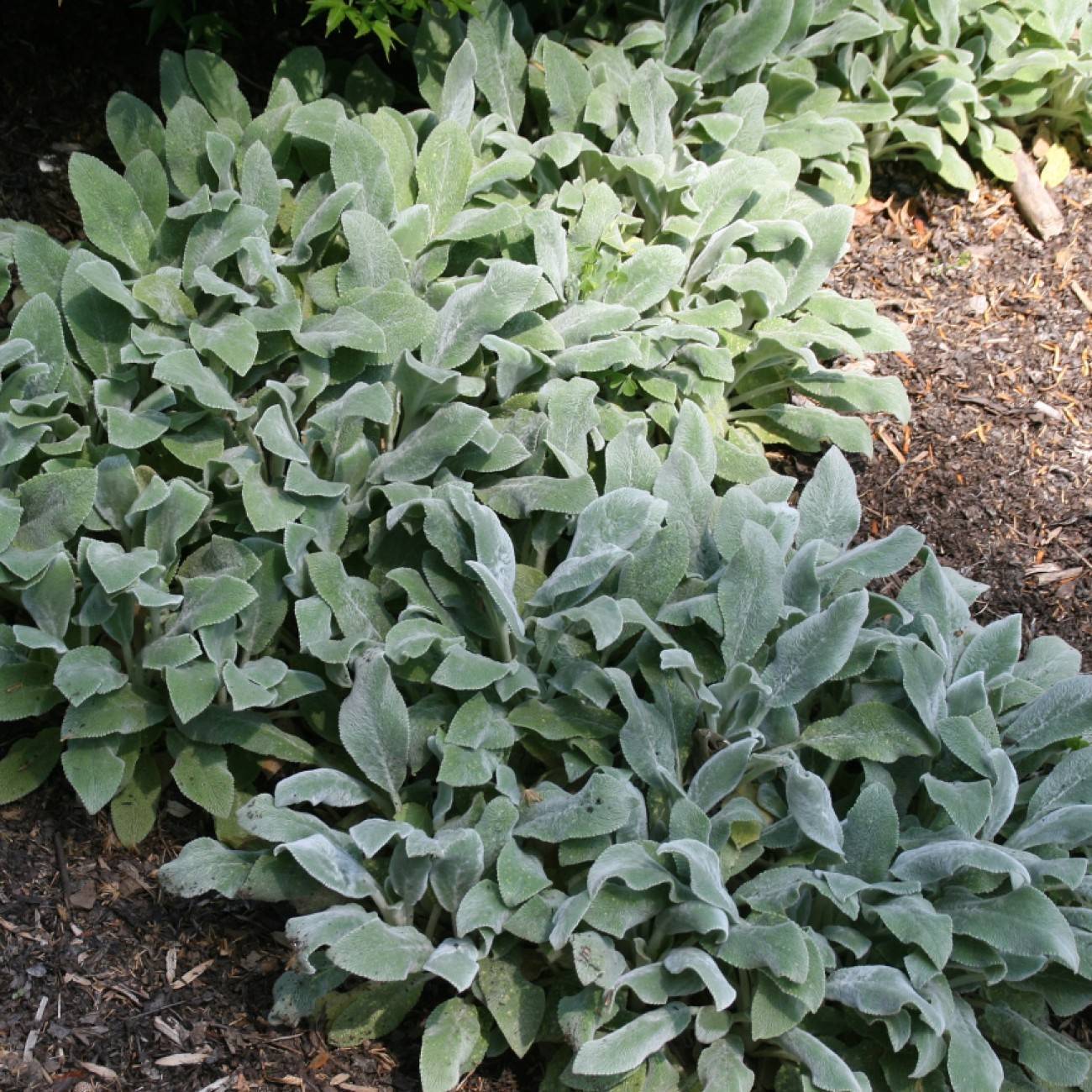
Lambs Ears: Complete Care Guide, Uses, and Growing Tips
Learn how to grow and care for lambs ears (Stachys byzantina), a soft, fuzzy silver perennial perfect for drought-tolerant gardens and ground cover.
2026-08-02 · 20 min read
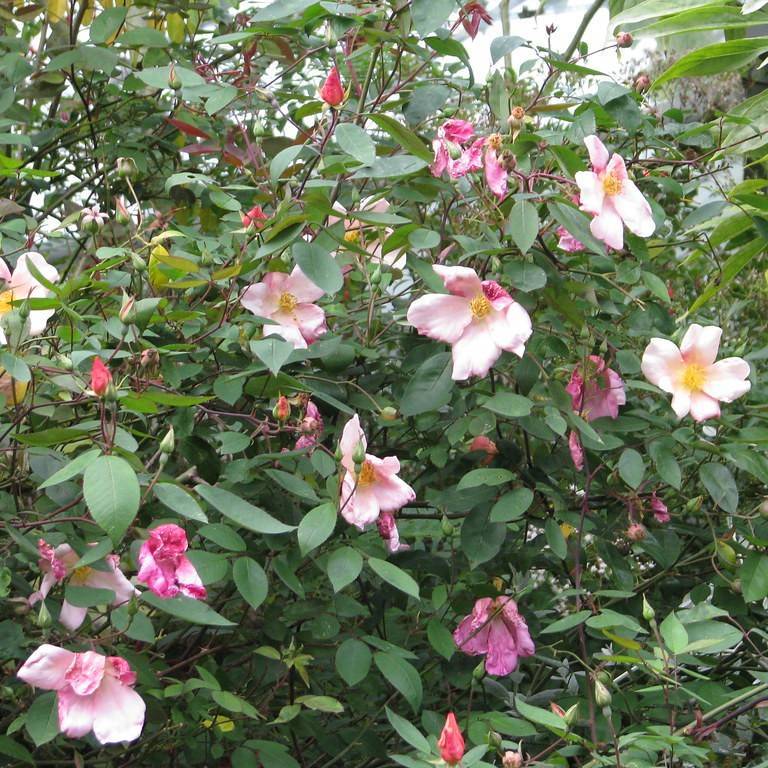
Hibiscus China Rose: Identification, Care, Uses, and Growing Guide
Learn how to identify, grow, and care for hibiscus china rose (Hibiscus rosa-sinensis), plus its edible and traditional medicine uses for home gardeners.
2026-08-01 · 14 min read
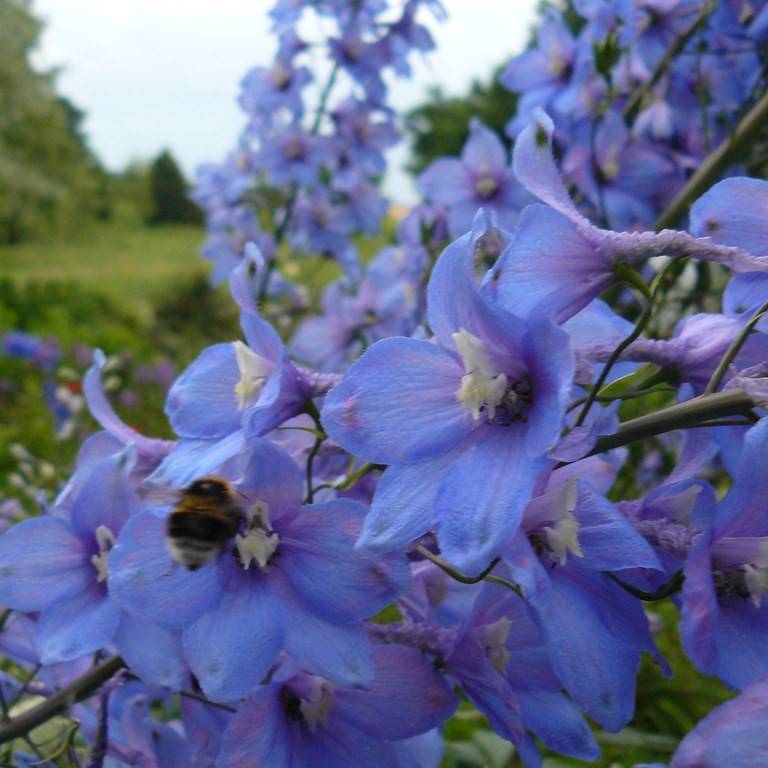
Delphinium Elatum: Care, Cultivars, Toxicity, and Growing Guide
Learn how to grow and care for Delphinium elatum, including sun, water, and soil needs, popular cultivars, and toxicity warnings for home gardeners.
2026-07-31 · 16 min read