What Kind of Tree Is This? A Beginner’s Guide to Confident Tree Identification
Wondering what kind of tree is growing in your yard or on your walk? Our beginner-friendly guide breaks down simple tips to identify any tree, no expert experience needed.
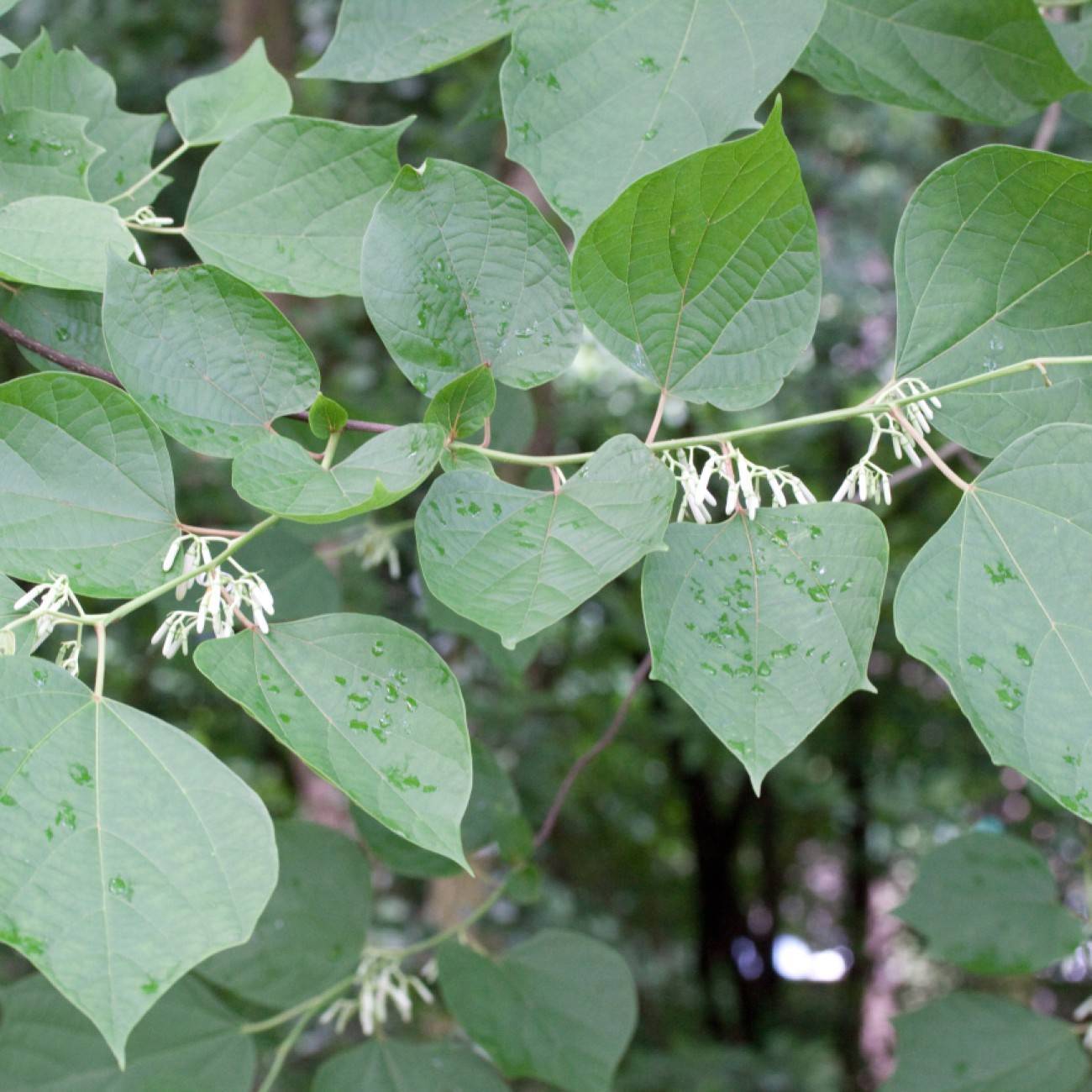
What Kind of Tree Is This? A Beginner’s Guide to Confident Tree Identification
Have you ever paused mid-walk to stare at a tree with vibrant, unusual foliage, or wandered around your new backyard wondering what the tall, shady tree by the patio is? If you’ve ever asked yourself “what kind of tree is this,” you don’t need a botany degree to find the answer. Tree identification is a fun, low-effort hobby that anyone can pick up, with just a few simple observation skills and tools like the Sproutly app to speed up the process. Curious about a specific species? Our Bloodgood Japanese maple care guide is a good example of going from a confident ID to the right ongoing care.
Learning how to identify a tree doesn’t just satisfy curiosity, either. If the tree is growing in your yard, knowing its species lets you give it the right care to keep it healthy for years. You’ll also be able to spot toxic species to keep pets and small children safe, and gain a deeper appreciation for the green spaces in your neighborhood. If you live in a warm region, our guide to Florida flowering trees identification is a great place to start matching showy local varieties.
Why Tree Identification Is a Fun, Accessible Hobby for Beginners
Lots of people write off tree identification as a skill reserved for park rangers or seasoned gardeners, but that couldn’t be further from the truth. The core of identifying any tree is just noticing easy-to-spot traits that most people overlook on a casual walk. You don’t need fancy equipment — just your eyes, maybe a phone to take photos, and a willingness to slow down for a minute.
Common scenarios that spark people to learn tree ID include moving into a new home with existing landscaping, planning a pet-friendly garden and wanting to avoid toxic species, or even just spotting a stunning blooming tree on a walk and wanting to plant one of your own. Whatever your reason, answering “what kind of tree is this” is a small, rewarding win that makes time outdoors feel more intentional. For quick, on-the-go IDs, the Sproutly app can cut down your research time from hours to seconds with a quick photo scan.
The First Clue to Answer “What Kind of Tree Is This”: Look Closely at the Leaves
Tree leaf identification is the most reliable starting point for beginners, because every tree species has distinct leaf traits that set it apart from similar varieties. When you’re trying to identify a tree, start by noting these four key leaf details:
- Shape: Is it lobed (with rounded or pointed sections, like a maple leaf), oval, needle-like, heart-shaped, or fern-like?
- Edge: Is the edge of the leaf smooth, serrated (like the edge of a knife), spiky, or wavy?
- Arrangement on the stem: Do leaves grow directly across from each other on the stem (opposite), or do they alternate sides as you move up the stem?
- Texture: Is the leaf fuzzy, waxy, thick, thin, or rough to the touch?
For a simple example, maple trees, including popular varieties like the Amur Maple, have distinct palmate, lobed leaves that make them easy to spot at a glance. If you’re not sure what lobed foliage looks like, just picture the leaf on the Canadian flag — that’s the classic palmate maple shape, with multiple pointed sections spreading out from a single central point.
If you’re struggling to spot these details, or can’t tell the difference between a serrated and wavy edge, the Sproutly app can help you identify tree by leaf with a quick photo scan. Just snap a clear shot of a mature leaf, and the app will match it to its database of thousands of tree species in seconds.
Other Key Markers to Narrow Down What Type of Tree You’re Looking At
Leaves are the easiest starting point, but they’re not always available — for example, if you’re trying to identify a tree in the middle of winter after it’s dropped its foliage. In those cases, or if you want to confirm a leaf-based guess, use these other easy-to-spot traits to narrow down your options:
- Bark texture and color: Is the bark smooth, peeling, ridged, or brightly colored? The Beni Kawa Coral Bark Japanese Maple, for example, has distinctive coral-red bark that stands out even in bare winter landscapes.
- Growth size and shape: Is the tree tall and narrow, short and rounded, or shrubby? Ornamental Japanese maples, for example, rarely grow taller than 15 feet, while wild oak trees can top 80 feet at maturity.
- Flowers or fruit: Does the tree produce spring blooms, seed pods, berries, or nuts? For example, crabapple trees produce small, tart apple-like fruit in late summer, while cherry trees have iconic pale pink spring blooms.
- Growing conditions: Is the tree growing in a full sun yard, a shaded woodland, or near a wet stream? Most cypress trees, for example, only thrive in consistently wet soil, so you won’t spot them growing in dry, rocky yards.
When you’re trying to identify a tree, jot down 2-3 of these traits to narrow down your options faster. The more details you have, the easier it will be to rule out lookalike species.
Common Beginner Tree Identification Mistakes to Avoid
Even with clear traits to look for, beginners often fall for a few simple pitfalls that can throw off their ID. Watch out for these common mistakes:
- Only looking at one leaf: Young, newly sprouted leaves can look drastically different from mature leaves on the same tree. Always check a few leaves from different parts of the tree to get an accurate sense of the typical shape and size.
- Ignoring growing location: Some trees only thrive in specific climates or soil types. If you think you’ve spotted a tropical mango tree growing in a Michigan yard, for example, you’re almost certainly wrong — that tree is more likely a similar-looking native variety.
- Mixing up lookalike species: Many tree species have similar leaf shapes, so a single trait isn’t enough for a confident ID. The Big Leaf Maple, for example, has the same classic lobed shape as most Japanese maples, but its leaves can grow up to 12 inches wide — multiple times larger than the 2-4 inch leaves of most ornamental maple varieties. Measuring leaf size is an easy way to tell these two apart.
If you’re unsure about your guess, cross-reference your observations with a trusted plant database, or use Sproutly to get a verified ID. The app’s database is curated by horticulturists, so you won’t have to second-guess if your ID is correct.
3 Popular Maple Trees You Might Spot (and How to Tell Them Apart)
Maple trees are some of the most common ornamental trees in North American yards, and their distinct lobed leaves make them great practice for beginner tree ID. Here are three eye-catching varieties you might spot on your next walk:
- Beni Tsukasa Japanese Maple: This small ornamental maple has delicate, soft pink-tinged lobed leaves that fade to pale green as the season progresses. It grows to a maximum of 12 feet tall, prefers full sun, and works well in small yards or even large containers.
- Margaret Bee Japanese Maple: This variety has deeper green lobed leaves with subtle red edges, and thrives in partial shade, making it a great pick for yards with large, overhanging trees that block direct sun. It has a compact, rounded growth habit, topping out at 10 feet tall.
- Flamingo Boxelder: A fast-growing maple variety, the Flamingo Boxelder has striking variegated pink and white leaves that stand out from standard green foliage. It tolerates full sun, grows up to 30 feet tall, and is a popular pick for adding a pop of color to larger yards.
If you spot one of these eye-catching varieties, you can look up their full care guides in the Sproutly plant encyclopedia to learn how to grow your own at home.
How to Get a Fast, Accurate Answer to “What Tree Is This”
If you want to skip the guesswork and get a reliable ID in seconds, follow this simple step-by-step process:
- Take clear photos: Snap a well-lit photo of a mature leaf (both front and back, if possible), plus a shot of the tree’s bark and full overall shape if you can.
- Note context: Jot down where the tree is growing (your region, whether it’s in full sun or shade, if the soil is wet or dry) and any notable traits like flowers, fruit, or unusual bark color.
- Use a reliable identification tool: The Sproutly app can scan your photo in seconds to give you a verified ID, plus care tips if you want to plant a similar tree in your yard. For common local varieties, you can also cross-reference with your local extension office’s tree guide, but apps are far faster for casual use.
What to Do After You Identify Your Tree
Once you know what kind of tree it is, you can put that information to use in a few practical ways:
- If it’s a tree in your yard, look up its care needs: Find out its watering schedule, preferred sun exposure, and pruning timeline to help it thrive. For example, most Japanese maples need consistent moisture to avoid leaf scorch in hot summer months.
- If it’s a wild tree, check for safety: Look up if it’s pet-safe, or if it produces toxic berries or thorns that could pose a risk to kids or animals walking by.
- If you love the look of it, find similar varieties for your garden: If you’re obsessed with the colorful foliage of Japanese maples, for example, the Johin Japanese Maple or Fullmoon Maple are both stunning, pet-safe options that grow well in most temperate yards.
Frequently Asked Questions
What is the easiest way to identify a tree for beginners?
The easiest way for beginners to identify a tree is to start with tree leaf identification: note the leaf shape, edge, and arrangement on the stem, then cross-reference with a trusted guide or use an app like Sproutly to scan the leaf for an instant, accurate ID.
Can I identify a tree by a picture of its leaf?
Yes, you can identify a tree by leaf photos in most cases. Clear, well-lit photos of both the front and back of a mature leaf, plus context about the tree’s size and growing location, are usually enough to get a reliable ID using a plant identification app or database.
How do I tell different types of maple trees apart?
To tell maple trees apart, start with leaf size and color: for example, Big Leaf Maples have leaves up to 12 inches wide, while many Japanese maple varieties have smaller, often pink or red-tinged foliage. Bark color (like the coral-red bark of the Beni Kawa Coral Bark Japanese Maple) and growing sun preferences also help narrow down the exact variety.
Is there a free app to answer “what kind of tree is this”?
Yes, the Sproutly app offers free tree identification: just snap a photo of the tree’s leaves, bark, or full shape, and the AI tool will deliver a verified ID, plus care tips if you want to grow a similar tree in your own yard.
Next time you find yourself wondering “what kind of tree is this” on a walk or in your yard, skip the endless Google searches and get a fast, accurate answer with Sproutly. The app’s tree identification tool is free to use, and includes access to a full plant encyclopedia with care guides for thousands of species. Try Sproutly today to start exploring the trees around you with confidence.
Related Reading
More guides you may like
Plant Games: 25+ Best Options for Casual Play, Learning, and Plant Lovers
Explore the best plant games for mobile, desktop, and console, including casual picks, learning-focused titles, and cozy options for every type of plant enthusiast.
2026-07-27 · 17 min read
Hamamelis Mollis (Chinese Witch Hazel): Complete Grow & Care Guide
Learn to grow, care for, and enjoy Hamamelis mollis (Chinese witch hazel), a fragrant winter-blooming shrub with vibrant autumn foliage for temperate gardens.
2026-07-26 · 12 min read
Japanese Maple Plant Description: Key Details for Iijima Sunago, Select Red, and Popular Cultivars
Get clear, beginner-friendly descriptions of Japanese maple trees, including specific details for Iijima Sunago and Select Red cultivars, plus care and pruning tips.
2026-07-26 · 8 min read