10 Common Popular Flower Types to Grow in Your Pet-Safe Outdoor Garden
Discover easy, pet-safe common and popular types of flowers to add color and texture to your outdoor yard, with simple care tips for beginners.
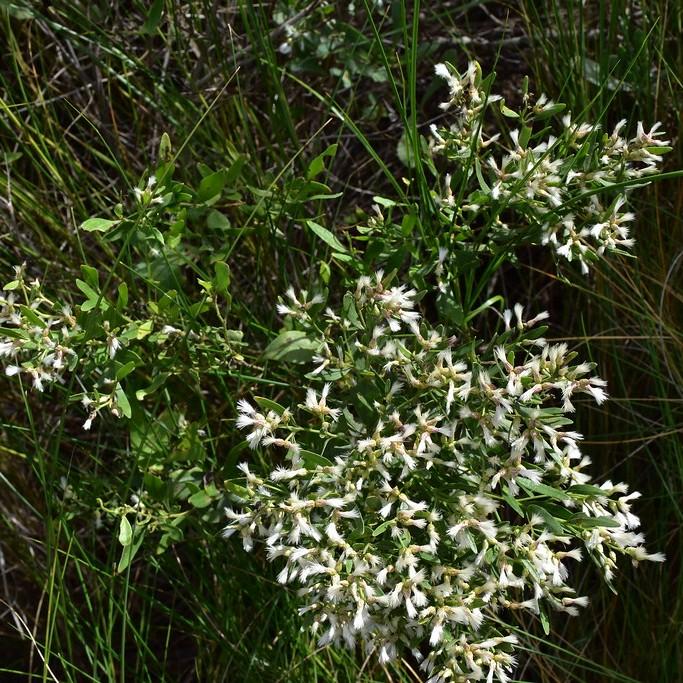
Types of Flowers Common in Home Gardens: Pet-Safe Picks for Beginner Gardeners
Introduction: Picking Common, Popular Flowers That Are Safe for Pets
Many new gardeners search for both types of flowers common at local nurseries and types of popular flowers first, since these varieties are widely available, easy to grow, and hard to kill. If you have cats or dogs, you also want to make sure your picks are non-toxic, so you don’t have to worry about curious pets nibbling on foliage or fallen blooms. This guide covers all the most common, beloved flowers that check both boxes, plus quick care tips to help you get started. For the bigger picture, our complete guide to the different types of flowers breaks down the main flower categories. If you spot a flower you don’t recognize in a nursery, use the Sproutly app to identify it and confirm its pet safety before you bring it home.
7 Types of Flowers Common in Garden Centers for Pet-Safe Outdoor Yards
These types of flowers common in garden centers across the U.S. are all non-toxic to pets and thrive in standard outdoor conditions, making them ideal for first-time gardeners. They answer the common question, “What are types of flowers common for outdoor gardens?” with low-fuss, accessible options that work for most growing zones.
- Bleeding heart (Dicentra 'King of Hearts'): Recognizable for its delicate, heart-shaped pink or white blooms that hang from arching stems, this shade-loving flower blooms in late spring and grows well under trees. It dies back naturally in mid-summer, so pair it with late-blooming flowers to keep your yard colorful year-round.
- Common Fleabane (Erigeron philadelphicus): A low-growing wildflower with small, daisy-like pale pink or white blooms, common fleabane is drought-tolerant, attracts pollinators, and grows well in poor soil. It spreads easily, so it’s a great low-effort ground cover for sunny edges of your yard.
- Daisy Fleabane (Erigeron 'Dunkelste Aller' DARKEST OF ALL): A cultivated variant of common fleabane, this variety has deep purple-blue blooms that stand out in flower beds. It blooms from early summer to fall and requires very little maintenance beyond occasional watering during dry spells.
- Common Teasel (Dipsacus fullonum): A tall, architectural flower with spiky purple bloom heads that grow up to 6 feet tall, common teasel adds vertical interest to the back of flower beds. It’s a favorite of birds, who eat its seeds in the fall and winter.
- Clematis varieties: A group of vining flowers that come in dozens of colors and bloom shapes, clematis are extremely common at nurseries and grow well on trellises, fences, or arbors. Pet-safe popular varieties include 'Belle of Taranaki' (large white blooms), 'Belle of Woking' (pale double purple blooms), and clematis 'Duchess of Albany' (small pink bell-shaped blooms).
If you see any of these flowers marked with a nickname you don’t recognize, use Sproutly to look up its exact care requirements before you plant.
3 Types of Popular Flowers That Add Year-Round Interest to Your Garden
These types of popular flowers and ornamental plants are consistently top sellers for home gardeners, thanks to their unique appearance and low-fuss care, answering the question, “What are the most popular types of flowers for beginner gardeners?” All are pet-safe and work well alongside the common flowers listed above, so you can mix and match to create a garden layout that fits your space.
- Purple-Leaf Japanese Maple: While technically a small tree, this is one of the most popular ornamental plants for home gardens, prized for its deep burgundy foliage that turns bright red in the fall. It grows well in full sun, prefers humid conditions, and is completely pet-safe. It stays relatively small (max 20 feet tall) so it works even in small yards.
- Bleeding Heart: Its one-of-a-kind bloom shape makes it a popular pick for shade gardens, and it’s widely available at almost every nursery in spring. As a bonus, it pairs well with other shade-tolerant common plants like hostas to create a lush, layered planting bed.
- Clematis: Fast-growing vining clematis is a popular choice for covering unsightly fences or adding color to small outdoor spaces, since it grows vertically without taking up much ground space. Most varieties bloom for 4-6 weeks, and some rebloom in late summer if you prune spent flowers.
Quick Care Tips for Common and Popular Flowers
Most of these common flowers thrive with very little maintenance, but these simple tips will help them grow their best and avoid common beginner mistakes:
- Plant bleeding heart in partial to full shade, as full sun will scorch its delicate leaves and cause blooms to fade early.
- Give clematis full sun for its foliage and shaded, cool soil for its roots for the best bloom output. You can shade the root zone with a layer of mulch or low-growing ground cover.
- Plant common fleabane and daisy fleabane in full sun and well-drained soil to avoid root rot, especially in areas with heavy summer rain.
- Common teasel will self-seed aggressively if you don’t cut off the bloom heads after they fade, so deadhead regularly if you don’t want it to spread to other parts of your yard.
- Purple-leaf Japanese maple needs regular watering during its first 2-3 years to establish a strong root system, after which it becomes relatively drought-tolerant.
If you’re not sure how much light your yard gets, or what your local growing zone recommends for planting times, use Sproutly’s care guide feature to look up individual plant requirements tailored to your location.
How to Identify Unknown Common or Popular Flowers
If you spot a flower at a nursery, in a neighbor’s yard, or growing wild that you don’t recognize, the Sproutly app can help. Just snap a photo of the bloom and foliage, and the plant identification tool will tell you its exact species, whether it’s pet-safe, and what care it needs to thrive. This is especially helpful for types of flowers common in some regions but less common in others, or common flowers that look very similar to toxic lookalikes, so you can be sure you’re planting something safe for your whole household, including four-legged family members.
FAQ
Are all common types of flowers safe for pets?
No, not all common flowers are pet-safe. Many popular varieties like lilies, tulips, and sago palm are toxic to cats and dogs. Always confirm a plant’s safety before planting, or use the Sproutly app to check toxicity quickly with a photo scan.
What types of popular flowers grow best in small yards?
Vining clematis is a great pick for small yards since it grows vertically on trellises or fences without taking up ground space. Purple-leaf Japanese maple also stays relatively small, so it works well as a focal point in small planting beds. You can also look for dwarf varieties of types of flowers common in full-size gardens to fit more plants in a smaller space.
Where can I buy common types of flowers for my garden?
Most of the flowers on this list are available at local garden centers, big box home improvement stores, and online plant retailers in spring and early summer. If you can’t find a specific variety, check local native plant nurseries for regional common flower options that are adapted to your local climate, as they will often grow even better than non-native store-bought varieties.
Conclusion
Whether you’re searching for types of flowers common at your local nursery, or types of popular flowers that add bold color and texture to your yard, all of the varieties on this list are low-fuss, pet-safe, and perfect for beginner gardeners. You don’t need a large yard or years of experience to grow them successfully—start with 2-3 varieties that match your yard’s light conditions, and build out your garden over time as you get more comfortable growing.
To make your gardening journey even easier, try Sproutly for fast plant identification, personalized care reminders, and pet safety checks for every plant in your yard. Download the app today at https://heysproutly.com.
Related Reading
More guides you may like
Dwarf Peach Tree: Complete Care, Growing Guide & Top Varieties for Small Spaces
Learn how to grow a dwarf peach tree in containers or small yards, get care tips, top variety picks, and solutions for common issues like brown rot and peach leaf curl.
2026-07-24 · 18 min read
Elaeagnus ebbingei (Oleaster): Complete Care, Identification, and Growing Guide
Learn to grow, care for, and identify Elaeagnus ebbingei, a hardy, pet-safe evergreen shrub with silvery foliage, fragrant flowers, and edible berries.
2026-07-24 · 16 min read

Cercidiphyllum japonicum Rotfuchs: Complete Care, Growth, and Identification Guide
Learn all about Cercidiphyllum japonicum Rotfuchs (Red Fox Katsura Tree), including its growth rate, care needs, planting tips, and unique foliage traits.
2026-07-23 · 10 min read