Types of Flowers: A Complete Beginner’s Guide to Different Flower Types for Gardens, Homes, and Arrangements
Explore common and unique flower types, from annuals to perennials, to pick the best blooms for your garden, home decor, or cut arrangements.
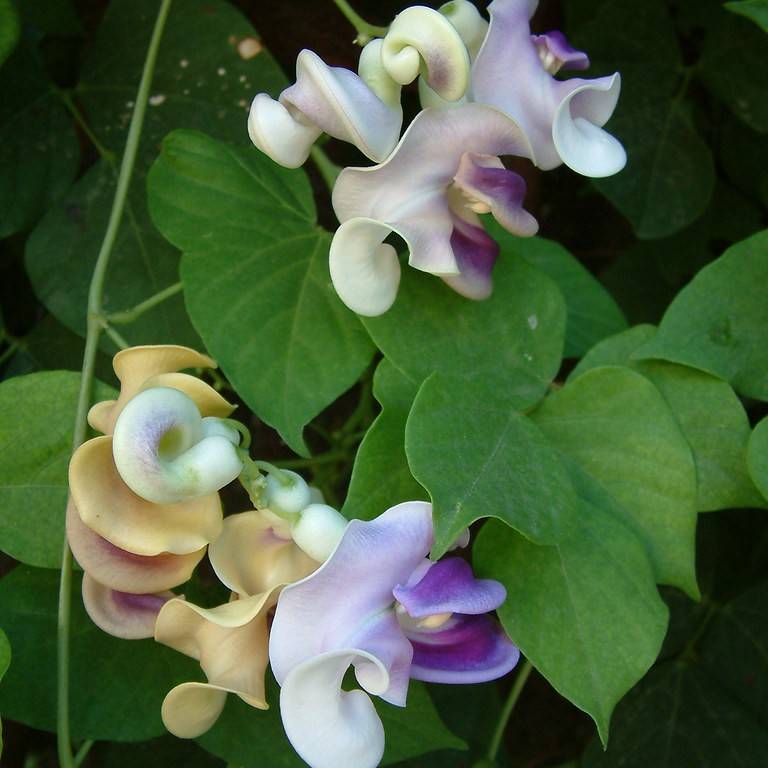
Types of Flowers: A Complete Beginner’s Guide to Different Varieties for Gardens, Homes, and Arrangements
Common flower types span thousands of unique plants, categorized by lifecycle, growing needs, and use case to help beginners select blooms suited to their garden, home, or cut arrangements. Most fall into core groups (annual, perennial, biennial, wildflower) with distinct care requirements, and can be filtered by sun needs, pet safety, and intended purpose to narrow down your picks.
In this guide, you will learn:
- Core categories of flowering plants
- Popular flower varieties and names
- How to pick blooms suited to your specific growing conditions
- Pet-safe and unique lesser-known varieties to expand your garden
- How to identify flowers and care for them seasonally
- Ways to use flowers for cut arrangements and pollinator plots
Main Categories of Flowering Plants
All flowering plants fall into core groups based on their lifecycle, which determines their planting schedule, care needs, and how long they will stay in your garden. Understanding these categories first helps you avoid common mistakes like expecting an annual to return year after year, or planting a perennial outside its hardiness zone.
Annual Flowers
Annual flowers complete their entire life cycle within one growing season. They germinate, bloom, set seed, and die all in a single year, so you will need to replant them each spring if you want them to return. Most annuals bloom continuously from early summer through the first frost, making them ideal for filling in empty garden spots or adding consistent pops of color all season long.
Examples:
- Petunia
- Marigold
- Zinnia
- Sunflower
- Begonia
Perennial Flowers
Perennials return year after year for at least three growing seasons, as long as they are planted in a climate that matches their hardiness zone. They typically die back to the ground over the winter and re-emerge from their root systems in the spring. Many perennials only bloom for a few weeks per season, so planting a mix of varieties with staggered bloom times will give you color from spring to fall.
Examples:
- Lavender
- Peony
- Daylily
- Rose
- Hydrangea
Biennial Flowers
These blooms take two full years to complete their life cycle. In their first year, they only grow foliage, and they bloom, set seed, and die in their second year. Many biennials self-seed freely, so they may appear to come back year after year without replanting, even though each individual plant only lives for two years.
Examples:
- Foxglove
- Hollyhock
- Sweet William
- Canterbury bells
Wildflowers
Wildflowers grow naturally without intentional cultivation, adapted to their local climate, soil, and rainfall conditions. They are often low-maintenance and ideal for native plant gardens, as they support local pollinators and require far less water and fertilizer than non-native ornamental varieties.
Examples:
- Daisy
- Bluebell
- Poppy
- Milkweed
- Purple coneflower
For more native, low-fuss options, explore our list of 8 Beautiful Wild Flower Varieties to Grow in Your Outdoor Garden (All Pet-Safe).
Popular Common Varieties for Gardens and Arrangements
The most widely grown flower types are loved for their versatility, vibrant color, and ease of care, working equally well in outdoor garden beds, indoor containers, and cut bouquets. This list includes all the top varieties featured by leading plant and floral retailers, so you can recognize and select the most accessible picks for your space.
Below are 10 of the most popular varieties, with quick care notes for beginners:
- Rose: A classic perennial available in climbing, shrub, and ground cover forms, with blooms in nearly every color. Most varieties need 6+ hours of full sun per day and well-draining soil, and benefit from regular deadheading to encourage more blooms.
- Sunflower: A fast-growing annual that produces bright yellow, orange, or red blooms on tall, sturdy stems. Dwarf varieties work well in containers, while full-sized varieties can reach 10+ feet tall. All need full sun and tolerate poor, dry soil.
- Hydrangea: A shade-tolerant perennial with large, clustered blooms that change color based on soil pH (acidic soil produces blue blooms, alkaline soil produces pink blooms). They need partial shade and consistent moisture to thrive, and bloom on old or new wood depending on the variety.
- Lavender: A fragrant, drought-tolerant perennial with silvery foliage and purple spikes of blooms. It needs full sun and well-draining, sandy soil, and is deer-resistant, pollinator-friendly, and works well in dried arrangements.
- Peony: A long-lived perennial with ruffled, fragrant blooms in late spring. They need full sun and rich, loamy soil, and can live for 50+ years with minimal care once established. Cut stems last 7–10 days in vases.
- Daisy: A low-maintenance annual or perennial with white petals and yellow centers, or colored varieties in pink, purple, and red. They need full sun to partial shade and tolerate a wide range of soil conditions, and attract bees and butterflies.
- Orchid: A tropical indoor flower with long-lasting, delicate blooms in a range of colors. Most varieties need bright, indirect light and weekly watering, and prefer humid environments like bathrooms or kitchen windowsills.
- Tulip: A spring-blooming bulb planted in fall, with cup-shaped blooms in every color. They need full sun and well-draining soil, and are typically grown as annuals in warmer climates, as they require cold winter temperatures to rebloom.
- Lily: A fragrant perennial bulb with large, trumpet-shaped blooms in white, pink, yellow, or orange. They need full sun to partial shade and well-draining soil, and are toxic to cats, so they are not a good fit for homes with feline pets.
- Chrysanthemum: A fall-blooming perennial with dense, clustered blooms in a wide range of colors. They need full sun and regular deadheading to encourage more blooms, and work well as potted patio plants or cut flowers for autumn arrangements.
Varieties Sorted by Growing Condition: Full Sun, Partial Shade, and Indoor
Matching your blooms to your space’s available sun exposure is the single most important step to ensuring your plants thrive, as too little sun is the top reason flowers fail to bloom. Below is a breakdown of varieties suited to common growing conditions, from sunny backyard beds to low-light indoor shelves.
Full Sun (6+ hours of direct sunlight per day)
Full-sun spots are the most versatile, as they support the widest range of flowering plants. Opt for drought-tolerant varieties that can withstand midday heat and infrequent watering to minimize care work.
- Top picks: Sunflower, lavender, marigold, zinnia, rose, petunia, apple serviceberry, delphinium, amaranthus, geranium
- Care tip: Water deeply 1–2 times per week rather than shallow, frequent waterings to encourage deep root growth that makes plants more drought-tolerant during heatwaves.
Partial Shade (3–6 hours of direct sunlight per day, often filtered through tree canopy or morning sun only)
Partial shade spots are common under deciduous trees, on east-facing patios, or along the side of a home that gets sun for half the day. These spots require flowers that can tolerate fluctuating light and cooler soil temperatures.
- Top picks: Hydrangea, astilbe, bleeding heart, begonia, azalea, periwinkle, foxglove, hellebore
- Care tip: Add a 2–3 inch layer of mulch around plants to retain moisture and keep soil temperatures cool, as partial shade spots often dry out slower than full-sun beds.
Indoor (bright, indirect light, no direct sun)
Indoor flowering plants thrive in consistent, mild temperatures and low to medium light, making them perfect for windowsills, desk shelves, or bathroom counters. Most are tropical varieties adapted to the dappled light of forest floors.
- Top picks: Orchid, anthurium, peace lily, African violet, geranium, begonia, amaryllis
- Care tip: Avoid placing indoor flowers near drafty windows or heating vents, as sudden temperature changes can cause buds to drop prematurely.
If you are unsure what will work in a specific spot, you can use Sproutly to look up the sun requirements of any flower you are considering, or scan a plant at the nursery to confirm it fits your space.
Pet-Safe Varieties for Homes With Cats and Dogs
Many common flower types, including lilies, tulips, and autumn crocus, are toxic to cats and dogs if ingested, so selecting non-toxic varieties is critical for pet owners who want to add blooms to their home or garden. The below varieties are all confirmed pet-safe, so you can plant them without worrying about your pet getting sick if they nibble on leaves or blooms.
A few top pet-safe options for both indoor and outdoor spaces include:
- astilbe: A shade-loving perennial with feathery plumes of pink, purple, or white blooms that thrive in partial shade and high humidity. It works well in under-tree plantings and cut arrangements, and is non-toxic to both cats and dogs.
- apple serviceberry: A deciduous shrub with fragrant white spring blooms, followed by edible blue berries in summer. It is drought-tolerant, thrives in full sun, and supports pollinators, making it a versatile pick for edible or wildlife gardens.
- bleeding heart: A unique perennial with heart-shaped pink or white blooms that hang from arching stems in spring. It grows well in partial shade, and both indoor and outdoor varieties are non-toxic to pets.
- Bear’s breeches: A full-sun perennial with large, glossy leaves and tall spikes of white and purple blooms that add dramatic texture to garden beds. It is drought-tolerant, deer-resistant, and safe for pets.
Always confirm a plant’s safety before planting, especially if your pet has a habit of chewing on greenery. You can look up any plant’s toxicity rating in the Sproutly app after identifying it, or scan a bloom at the nursery to check its pet-safe status before you buy.
Underused Unique Varieties to Add Interest to Your Garden
If you want to move beyond common roses and sunflowers, these underused blooms add unique texture, color, and scent to your space without requiring extra care, and give you an edge over standard garden designs. Many of these varieties are overlooked by mainstream gardening guides, so they will help your garden stand out.
Below are beginner-friendly, low-fuss unique varieties to try:
- Periwinkle: A low-growing evergreen ground cover with small, blue or purple star-shaped blooms that appear from spring to fall. It tolerates partial shade, drought, and poor soil, and spreads quickly to fill in bare spots under trees or along walkways.
- Azalea: A shade-loving flowering shrub with clusters of bright pink, red, white, or orange blooms in early spring. It prefers acidic, well-draining soil and partial shade, and works well in foundation plantings or woodland gardens.
- Marigold: A bright, low-maintenance annual with yellow, orange, or red blooms that repel common garden pests like aphids and nematodes. It needs full sun and tolerates poor soil, and is often planted alongside vegetable beds to protect crops from pests.
- Begonia: A versatile annual or perennial with glossy leaves and clusters of pink, red, white, or orange blooms. It grows well in partial shade, making it perfect for container gardens on shaded patios or indoor windowsills.
- Flowering kale: A cool-season annual with ruffled, colorful leaves in shades of purple, pink, white, and green. It tolerates frost, so it adds color to garden beds and containers in late fall and early winter when most other flowers have died back.
- Amaranthus: A tall, dramatic annual with cascading or upright spikes of red, purple, or green blooms that last all summer. It needs full sun and tolerates poor, dry soil, and works well as a focal point in garden beds or dried arrangements.
- Geranium: A low-maintenance annual or perennial with clusters of pink, red, white, or purple blooms. It grows well in full sun to partial shade, and works equally well in outdoor garden beds, hanging baskets, or indoor containers.
All of these varieties tolerate occasional missed waterings and do not require frequent fertilizing, making them perfect for new gardeners who want to try something a little different without the stress of high-maintenance plants.
Varieties for Specific Use Cases: Cut Arrangements, Pollinator Gardens, and Edible Displays
Many blooms are suited to specific uses, from long-lasting cut bouquets to pollinator-friendly plots to edible garnishes for meals. Selecting varieties tailored to your intended use will help you get the most value out of your planting, and avoid disappointment when blooms do not perform as expected.
Cut Arrangements
When selecting flowers for cut arrangements, prioritize varieties with long, sturdy stems, blooms that hold their shape well after being cut, and a long vase life. Plant a mix of early, mid, and late-blooming varieties to have fresh stems from spring to fall.
- Top picks: Zinnia, sunflower, peony, delphinium, hydrangea, lavender, dahlia, alstroemeria
- Care tip: Cut stems at a 45-degree angle early in the morning, remove any leaves that fall below the water line, and change vase water every 1–2 days to extend bloom life by 3–5 days.
Pollinator Gardens
Pollinator-friendly flowers produce ample nectar, have shapes that are easy for bees, butterflies, and hummingbirds to access, and bloom at different times of the year to provide food from early spring to late fall. Avoid using synthetic pesticides in these gardens, as they can harm beneficial insects.
- Top picks: Milkweed, coneflower, lavender, sunflower, zinnia, bee balm, aster, apple serviceberry
- Care tip: Plant in clumps of 3–5 of the same variety to make it easier for pollinators to find the blooms, and leave seed heads up in winter to provide food for birds.
Edible Displays
Edible flowers add color and flavor to salads, cocktails, desserts, and garnishes, and are safe to eat when grown without synthetic pesticides. Always confirm a flower is edible before consuming it, as many ornamental varieties are treated with chemicals or are toxic to humans.
- Top picks: Nasturtium (peppery, spicy flavor), pansy (mild, sweet flavor), lavender (fragrant, floral flavor), apple serviceberry (sweet, berry-like blooms and fruit), borage (cucumber-like flavor), calendula (tangy, saffron-like flavor)
- Care tip: Harvest blooms in the morning after dew has dried for the best flavor, and rinse them gently before use to remove any dirt or insects.
How to Match Flowers to Your Growing Conditions
Picking flower types suited to your space will prevent frustration and ensure your plants thrive, even if you are new to gardening. Start by assessing your growing conditions before you buy any plants, so you can select varieties that will do well with minimal extra effort.
First, check how much sun your garden gets per day. Most flowering plants need full sun, defined as 6 or more hours of direct sunlight per day, but some varieties will tolerate partial shade (3 to 6 hours of sun) or full shade (less than 3 hours of sun). If you are unsure what will work in a specific spot, you can use Sproutly to look up the sun requirements of any flower you are considering.
Next, confirm your USDA hardiness zone, which tells you which perennial plants will survive the winter in your area. Most plant labels list a recommended hardiness zone range, and Sproutly will also show you zone compatibility when you identify a plant. For annuals, hardiness zone is less important, as they only live for one season, but you will still want to plant them after the last frost date in your area.
Soil type is another key factor that many new gardeners overlook. Some flowers thrive in rich, loamy soil, while others tolerate poor, rocky, or sandy soil. If your soil drains very slowly after rain, opt for moisture-tolerant varieties that do not mind wet roots, or build raised beds to improve drainage for plants that prefer drier conditions. You can test your soil’s pH and nutrient levels with an at-home test kit for more precise planting recommendations, or amend heavy clay soil with compost to improve its structure for most flowering plants.
Finally, consider how much time you have to care for your plants. If you travel often or have a busy schedule, opt for drought-tolerant varieties that do not require frequent watering. If you enjoy tending to plants regularly, you can pick more high-maintenance options that need regular deadheading or fertilizing.
Beginner Tips for Identifying Unknown Flowers
If you find an unknown bloom growing in your yard, on a hike, or at a nursery, identifying it will help you understand its care needs, toxicity status, and whether it is a native species or an invasive weed. To identify a flower successfully, start by noting these key details:
- Petal shape, structure, and count: Are the petals rounded, pointed, ruffled, or tubular? How many petals does each bloom have?
- Leaf shape, pattern, and texture: Are the leaves smooth, fuzzy, serrated, or lobed? Do they grow opposite each other on the stem, or alternate?
- Flower color and any unique markings: Do the petals have spots, stripes, or a gradient of color?
- Growing environment: Is the plant growing in full sun or shade, in dry soil or damp soil, in a wild area or a cultivated garden?
- Overall size of the plant and bloom time: How tall is the plant, and when is it blooming in your region?
If you cannot identify a flower from these details alone, you can cross-reference with a regional plant encyclopedia or use a dedicated plant identification tool to get an accurate answer quickly.
With Sproutly, you can:
- Snap a photo of any flower, leaf, or stem directly in the app
- Get a clear, confirmed plant name and species details in seconds
- Learn its specific care requirements, toxicity rating, and hardiness zone compatibility
- Save it to your personal plant library to track its growth and care needs over time
Seasonal Care Tips for Common Blooms
The care needs of your blooms change with the seasons, and following a simple seasonal routine will keep your plants healthy and blooming well year after year. These general tips apply to most common varieties, but you can look up variety-specific care guidance in Sproutly if you are working with a more unique pick.
Spring
- Plant new annuals and perennials after the last frost date in your area.
- Divide overgrown perennials that bloom in summer or fall to encourage better growth and more blooms.
- Apply a slow-release, balanced fertilizer to your flower beds to support new growth.
- Remove any winter mulch once the soil warms up to let air reach the roots and prevent rot.
Summer
- Water flowers deeply 1 to 2 times per week, rather than shallow, frequent waterings, to encourage deep root growth that makes plants more drought-tolerant.
- Deadhead spent blooms regularly to encourage plants to produce more flowers throughout the season.
- Add a 2 to 3 inch layer of organic mulch around your plants to retain moisture, suppress weeds, and keep soil temperatures cool during heatwaves.
- Watch for common pests like aphids and spider mites, and treat them with neem oil or insecticidal soap if needed.
Fall
- Plant spring-blooming bulbs like tulips, daffodils, and hyacinths 6 to 8 weeks before the first frost date in your area.
- Cut back dead foliage from perennials after they die back to the ground, unless they are native wildflowers whose seed heads provide food for birds over the winter.
- Apply a fresh layer of mulch over perennial beds to protect roots from extreme temperature changes during the winter.
- Collect seeds from annuals and self-seeding biennials to plant the following spring.
Winter
- For potted perennials that are not hardy in your zone, move them indoors to a cool, bright spot to overwinter, or wrap the pots in burlap to insulate the roots if they are too large to move.
- Avoid walking on frozen soil over perennial root beds, as this can compact the soil and damage delicate roots.
- Plan your next year’s garden layout and order seeds early for the best selection of unique or native varieties.
Flower Meanings
Many blooms have long-held symbolic meanings that make them popular for gifts, special events, and intentional garden design. These meanings can help you select varieties for specific occasions, or curate a garden that reflects personal values:
- Rose — love, romance, and admiration (different colors carry more specific meanings: red for romantic love, yellow for friendship, pink for gratitude)
- Lily — purity, grief, and renewal, often used in funeral arrangements and Easter decor
- Sunflower — positivity, happiness, and loyalty, representing adoration and long life
- Lavender — calm, serenity, and devotion, often used in dried arrangements and herbal crafts
- Peony — prosperity, good fortune, and romance, popular for wedding bouquets and spring garden displays
Basic Flower Care Tips
While care needs vary between varieties, these general rules apply to nearly all flowers, and will help you avoid the most common beginner mistakes:
- Provide sufficient sunlight matching the plant’s specific requirements, whether that is full sun, partial shade, or full shade. Too little sun is one of the most common reasons flowers fail to bloom.
- Water appropriately: most flowers prefer soil that is evenly moist but not soggy, and overwatering is the most common cause of plant death for new gardeners. Stick your finger 1 to 2 inches into the soil, and only water if the top inch feels dry.
- Use well-draining soil amended with compost to provide nutrients and prevent root rot. For container-grown flowers, use a high-quality potting mix rather than garden soil, which can compact in pots and drain poorly.
- Prune or deadhead when needed to encourage new growth and more blooms, and remove any dead or diseased foliage promptly to prevent the spread of disease to other plants.
Frequently Asked Questions
What varieties bloom all summer long?
Many annuals bloom continuously from early summer through the first frost, including marigolds, zinnias, petunias, and sunflowers. Some long-blooming perennials, such as lavender and daylilies, will also produce blooms for 4–6 weeks or longer in the summer if deadheaded regularly. You can use the Sproutly app to look up exact bloom windows for specific varieties suited to your hardiness zone.
What flowers are safe for pets?
Pet-safe blooms include astilbe, apple serviceberry, bear’s breeches, and non-toxic varieties of bleeding heart. Avoid toxic options such as autumn crocus, which can cause adverse reactions if ingested by cats or dogs. When in doubt, scan an unknown bloom with the Sproutly app to check its pet safety status before bringing it into your home or garden.
What flowers grow well in shade?
Shade-tolerant blooms include astilbe, bleeding heart, hostas, and impatiens, all of which thrive in partial to full shade with limited direct sunlight. Most shade-loving varieties also prefer high humidity, so they are a good fit for under-tree planting spots or north-facing garden beds that do not get 6+ hours of direct sun per day.
What are the most low-maintenance varieties for beginners?
Low-maintenance blooms for beginners include marigolds, zinnias, sunflowers, and lavender, all of which tolerate infrequent watering, poor soil quality, and minimal pruning. Most of these varieties are full-sun plants that only require 1–2 deep waterings per week once established, making them forgiving for new gardeners still learning care routines.
Try Sproutly
Upload a photo and identify any flower in seconds, plus get personalized care tips tailored to your specific growing conditions. https://heysproutly.com
Related Reading
More guides you may like
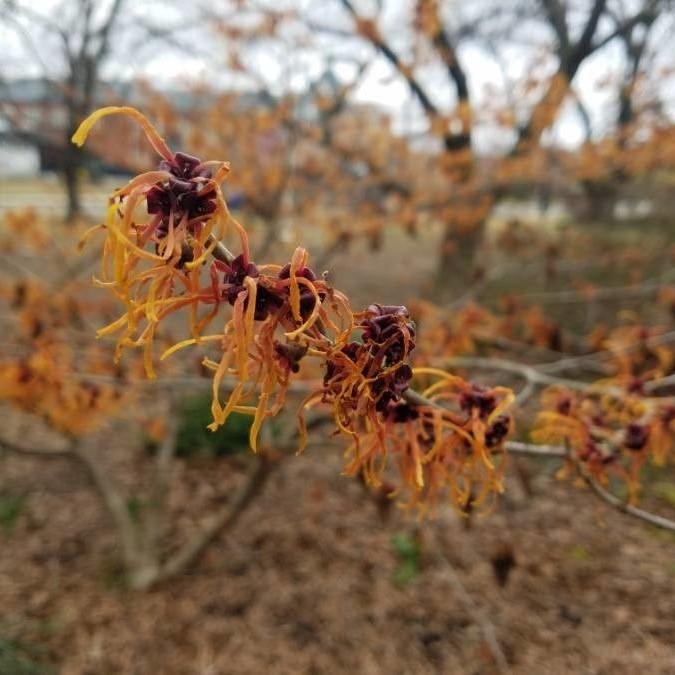
Hamamelis Mollis (Chinese Witch Hazel): Complete Grow & Care Guide
Learn to grow, care for, and enjoy Hamamelis mollis (Chinese witch hazel), a fragrant winter-blooming shrub with vibrant autumn foliage for temperate gardens.
2026-07-26 · 12 min read
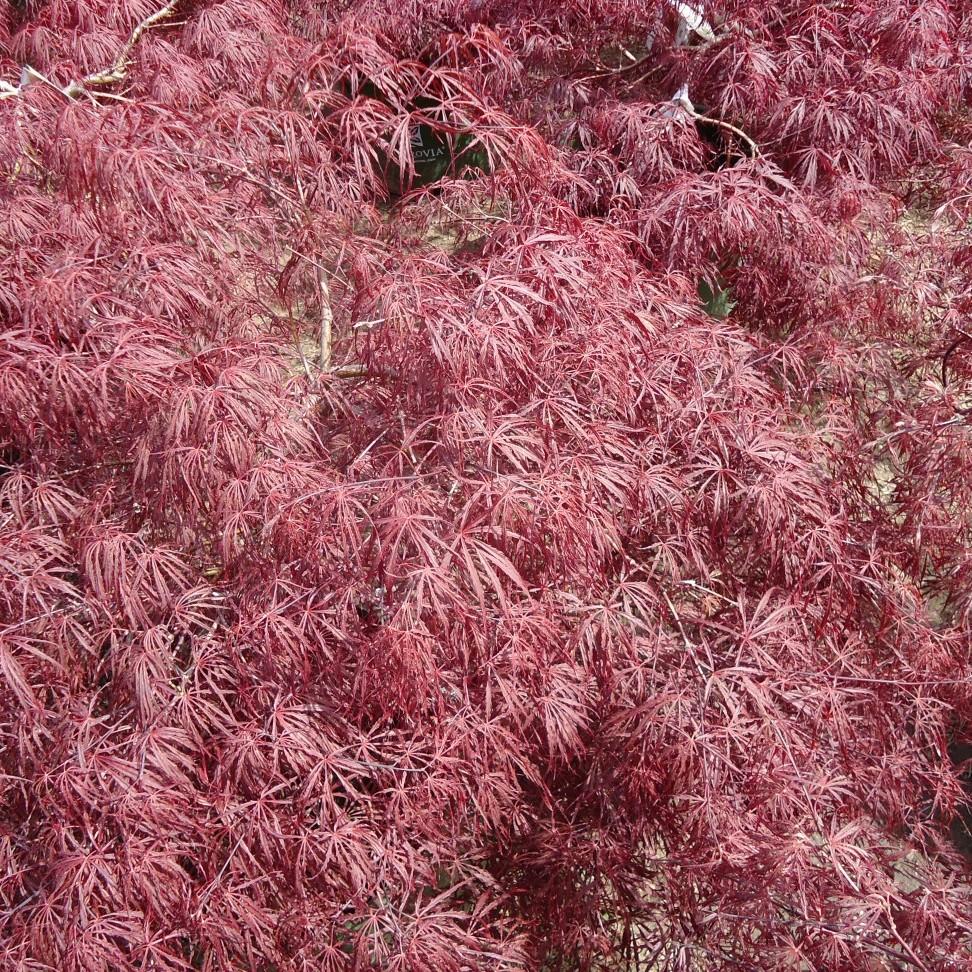
Japanese Maple Plant Description: Key Details for Iijima Sunago, Select Red, and Popular Cultivars
Get clear, beginner-friendly descriptions of Japanese maple trees, including specific details for Iijima Sunago and Select Red cultivars, plus care and pruning tips.
2026-07-26 · 8 min read
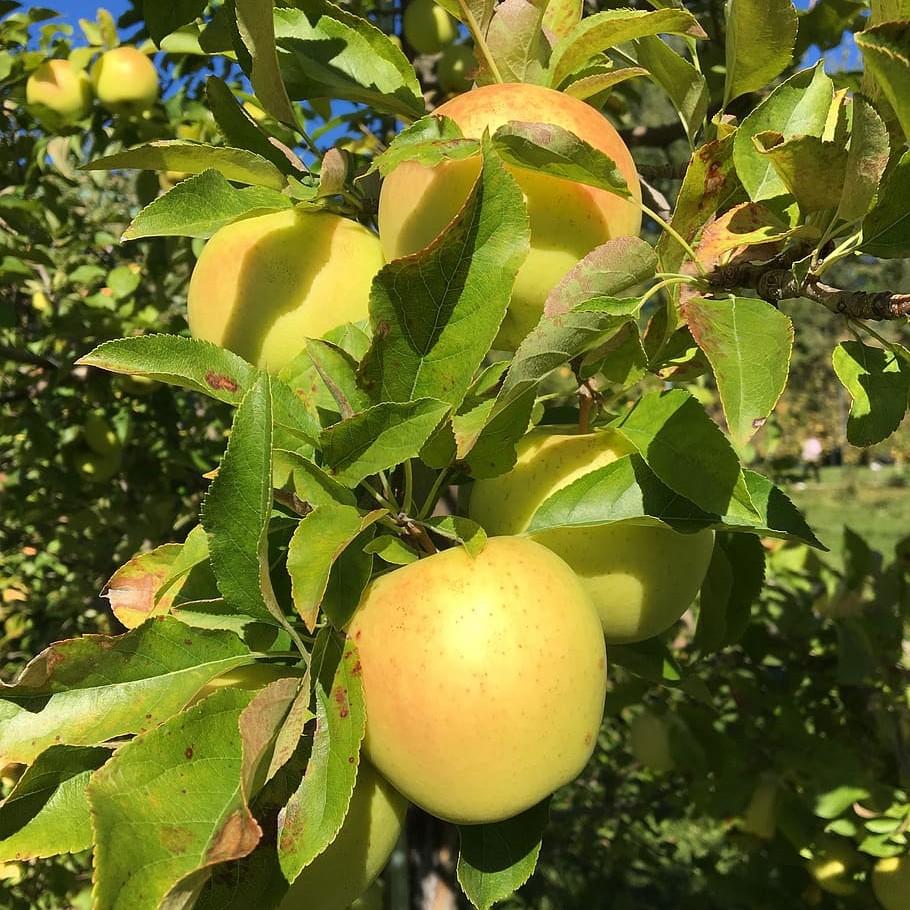
Flowering Crabapple: Grow Guide, Cultivars, and Landscape Uses
Learn to grow and care for flowering crabapple trees, with tips on cultivar selection, bloom care, disease resistance, and using their edible fruit and seasonal foliage.
2026-07-25 · 11 min read