Barberry: Holly Leaf Barberry Identification, Care, Uses, and Species Guide
Learn all about barberry, including holly leaf barberry care, identification, medicinal uses, risks, and popular species like Japanese barberry for your garden.
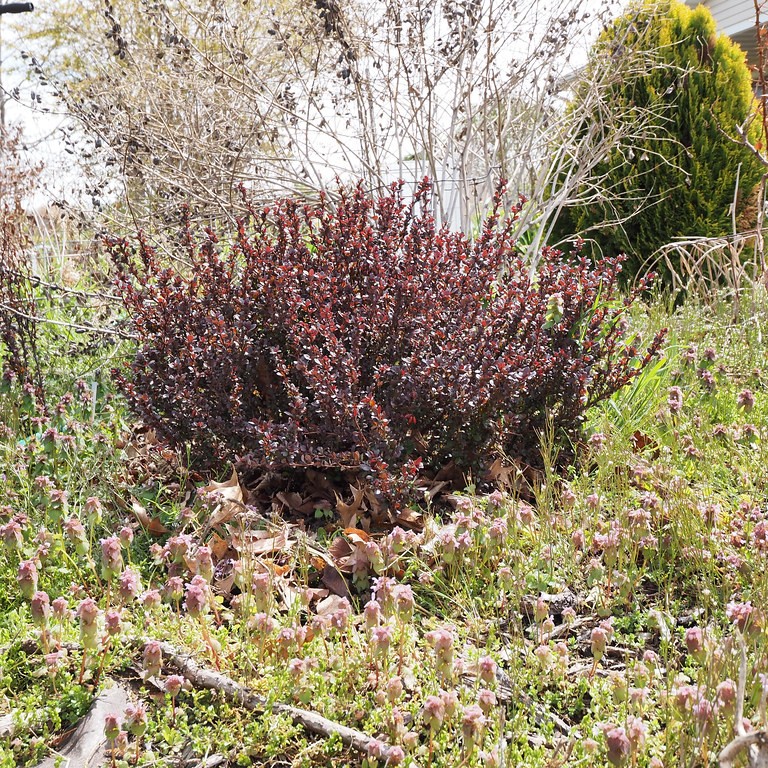
Barberry: Holly Leaf Barberry Identification, Care, Uses, and Species Guide
This group of over 450 Berberis genus shrubs includes evergreen holly leaf barberry native to western North America, plus deciduous ornamental varieties with spiny leaves, bright spring flowers, and tart berries. Uses range from landscape hedging to traditional medicine, though most species contain toxic alkaloids in leaves, stems, and roots.
What Is Holly Leaf Barberry (Berberis aquifolium)?
Berberis aquifolium is a woody evergreen shrub (sometimes categorized as a small landscape tree) native to western North America, identifiable by spiny, holly-like glossy green leaves, bright yellow spring flowers, and clusters of tart dark blue berries. It grows 3–6 feet tall and wide at maturity, spreading slowly via underground rhizomes to form dense clumps.
Key Physical Identification Traits
It is easy to distinguish this shrub from other greenery by these six consistent, observable traits:
- 1–3 inch long pinnate leaves with 5–9 spiny-edged leaflets per stem
- Clusters of 10–20 bright yellow fragrant flowers that bloom in early spring
- 0.5 inch diameter waxy blue berries that ripen in late summer
- Gray-brown shredded bark on mature stems
- Bright yellow inner root and stem bark when cut or scraped
- Sharp 1–2 inch spines at the base of each leaf cluster
If you encounter an unknown shrub with partial matching traits, you can upload a photo to Sproutly to confirm its identity in seconds, eliminating guesswork about spiny lookalikes. Its distinct foliage also makes it a popular subject for nature photographers, as noted in our guide 10 Stunning Leaf Pictures for Stock Photography: Top Species to Capture.
Taxonomy and Etymology of Holly Leaf Barberry
This evergreen shrub is a member of the Berberidaceae family, genus Berberis, species aquifolium. It was previously classified in the genus Mahonia, but 21st century taxonomic revisions merged Mahonia species into Berberis based on genetic evidence, which is why it may be labeled Mahonia aquifolium in older gardening resources.
Common Name Origins
The “holly leaf” common name refers to its spiny leaf shape that closely resembles English holly (Ilex aquifolium), while the species epithet “aquifolium” directly translates to “sharp leaf” in Latin, referencing its spiny foliage edges. It is also frequently called Oregon grape, a reference to its native range in the Pacific Northwest and its grape-like berry clusters. You may see it grouped under general barberry care resources in garden centers, but it has distinct traits that set it apart from most other cultivated varieties of the genus.
Natural Distribution and Habitat
Holly leaf barberry is native to western North America, ranging from southern British Columbia in Canada south to northern California, and east to Alberta, Idaho, and Montana. It grows primarily in open coniferous forests, oak woodlands, and rocky hillsides at elevations from sea level up to 7,000 feet, where it thrives in dappled partial shade and well-drained acidic soil.
Cultivated Range
It is widely planted as an ornamental shrub across USDA hardiness zones 5–9, and has naturalized in parts of the northeastern U.S. and western Europe where growing conditions match its native habitat preferences. Unlike many non-native landscape plants, it rarely escapes cultivation aggressively, making it a low-risk choice for native and pollinator garden designs.
Ecology of Holly Leaf Barberry
In its native range, this shrub is a valuable food source for native wildlife: its early spring flowers provide nectar for bumblebees, mason bees, and native butterflies, while its tart berries are eaten by grouse, cedar waxwings, foxes, and black bears from late summer through winter. Its dense, spiny foliage also provides protected nesting sites for small songbirds that would otherwise be vulnerable to predators.
Ecological Adaptations
This species has evolved a suite of traits that allow it to thrive in harsh, variable western North American habitats:
- Drought tolerance once established, surviving periods of 4–6 weeks without rain in mature plants
- Resistance to deer browsing due to its spiny foliage and bitter-tasting leaves
- Ability to grow in low-nutrient rocky soil where few other woody shrubs can establish
- Rhizomatous spreading that helps stabilize soil on eroding hillsides and steep slopes
It is considered a low-risk, non-invasive landscape plant in most of its cultivated range, unlike some other members of the Berberis genus that self-seed aggressively and displace native vegetation.
Key Chemical Compounds in Holly Leaf Barberry
Roots, stems, and leaves contain high concentrations of the isoquinoline alkaloid berberine, the same active compound found in goldenseal, as well as smaller amounts of berbamine, oxyacanthine, and mahonine. The bright yellow color of its inner bark is directly caused by berberine accumulation, which makes it easy to identify even when the plant is not flowering or fruiting.
Compound Properties
Berberine has been widely studied for its antimicrobial, anti-inflammatory, and antioxidant properties, which are the basis for the plant’s traditional medicinal uses. The berries contain low levels of these alkaloids, making them safe for human consumption in small quantities when cooked, while raw roots, stems, and leaves are toxic if ingested in large amounts. Berberine can interact with common prescription medications, including blood thinners and diabetes drugs, so any internal use of the plant’s preparations should be discussed with a healthcare provider first.
Holly Leaf Barberry vs. Similar Berberis Species
This evergreen shrub is often confused with other common Berberis species grown in landscaping, which have different care requirements and properties. A key distinguishing trait is its pinnate leaf structure: most other common members of the genus have simple, single leaves rather than clusters of leaflets on a central stem.
Comparison to Common Cultivars
These four related species are the most frequently misidentified as holly leaf barberry, especially when plants are young and not yet flowering:
- Box Leaf Berberis buxifolia: Has small, simple oval leaves (no clustered leaflets), a dense growth habit ideal for low hedges, and high drought tolerance
- Berberis 'Soft Caress' barberry: Has thornless narrow foliage, is pet-safe, tolerates partial shade well, and does not produce edible berries
- Berberis mentorensis: A dense spiny shrub that prefers full sun, has extreme drought tolerance, and is primarily used for security hedges
- Berberis 'Cally Rose': Produces pink and white spring flowers, has pink-tinged foliage year-round, and prefers full sun exposure
If you are unsure which Berberis species you have in your yard, Sproutly’s plant identification tool can tell these apart from photos, even when immature plants look similar to untrained eyes.
Nutritional Profile of Edible Berries
The tart berries, the only edible part of the plant, have a well-documented nutritional profile high in vitamins, antioxidants, and plant compounds. A 100-gram serving of raw berries contains approximately 53 calories, 12 grams of carbohydrates, 3 grams of fiber, and negligible amounts of fat and protein, plus 213% of the daily recommended value of vitamin C.
Additional key nutritional components include:
- Berberine, the alkaloid responsible for most of the plant’s studied medicinal properties
- Anthocyanins, antioxidant compounds that give the berries their deep red or blue pigment
- Small amounts of iron, calcium, and potassium
- Flavonoids including quercetin, which supports reduced inflammation in the body
Note that these values apply only to ripe, properly identified berries. Leaves, stems, and roots contain concentrated alkaloids that offer no nutritional benefit and are toxic in large doses. Always confirm plant identity with a tool like Sproutly before harvesting berries for consumption, as toxic lookalike shrubs can produce similar-looking fruit.
Evidence-Based Health Benefits and Medicinal Uses
The plant has been used in traditional Chinese, Ayurvedic, and Indigenous North American medicine for over 2,500 years, with many of its historical uses supported by modern preliminary research. Most studied benefits are linked to the berberine content in the plant’s bark, roots, and to a lesser extent, its berries.
Supported use cases include:
- Topical skin care: Berberine’s antimicrobial and anti-inflammatory properties may reduce symptoms of acne, eczema, and psoriasis when applied as a cream or ointment, with small trials showing similar efficacy to some over-the-counter acne treatments for mild to moderate breakouts.
- Digestive support: Traditional use for diarrhea and indigestion is supported by studies showing berberine reduces gut inflammation and inhibits the growth of harmful bacteria like E. coli that cause gastrointestinal distress.
- Blood sugar regulation: Multiple small trials show berberine supplementation may lower fasting blood sugar levels in people with type 2 diabetes, with effects comparable to some common oral diabetes medications when used under medical supervision.
- Immune support: Antioxidant and antimicrobial properties may reduce the duration of common cold and sinus infection symptoms when taken at the first sign of illness, though large-scale trials are limited.
Always consult a licensed healthcare provider before using the plant for medicinal purposes, as it is not a replacement for prescribed treatments.
Dosage Guidelines and Safe Consumption Practices
Safe dosage varies widely based on the form of the supplement, the intended use, and individual health factors. There is no universal recommended daily intake, but most clinical trials use berberine doses of 900–1500 mg per day, split into three equal doses taken with meals to reduce stomach upset.
For home use, follow these general guidelines:
- Culinary use of berries: Limit consumption to 1–2 ounces of cooked berries per day, as higher amounts may cause mild stomach cramping. Cooking breaks down trace alkaloids in the berries, reducing the risk of adverse effects.
- Topical preparations: Apply Berberis-based creams or ointments to small patches of skin first to test for allergic reaction, and follow product label instructions for frequency of use.
- Oral supplements: Choose third-party tested products to ensure accurate berberine dosing, and never exceed the dose listed on the product label without guidance from a healthcare provider.
- Foraged specimens: Only harvest berries from plants you have positively identified, and avoid harvesting from areas treated with pesticides or near busy roads where exhaust may contaminate the fruit.
Never use preparations from untrusted sources, as incorrect preparation can leave toxic alkaloids intact in the final product.
Risks, Side Effects, and Drug Interactions
While the berries are safe for most people in small culinary quantities, and standardized supplements are considered low-risk for short-term use under medical supervision, there are documented risks and side effects associated with excessive or unsupervised use. Common mild side effects of oral supplementation include stomach cramping, diarrhea, constipation, and headache, which typically resolve when use is discontinued.
Serious risks and interactions include:
- Pregnancy and breastfeeding risk: Berberine can cross the placenta and pass into breast milk, and may cause harm to fetuses or infants, so supplements and medicinal use are not recommended for people who are pregnant or breastfeeding.
- Drug interactions: Berberine interacts with several common prescription medications, including blood thinners (warfarin), diabetes medications (metformin, insulin), blood pressure medications, and cyclosporine, as it may amplify or reduce the effects of these drugs.
- Toxicity risk: Ingesting large amounts of leaves, stems, or roots can cause severe toxicity, including liver damage, low blood pressure, slowed breathing, and in rare extreme cases, death.
- Pet toxicity: Most species are toxic to dogs, cats, and horses if ingested, causing vomiting, diarrhea, lethargy, and kidney damage in large quantities. Opt for pet-safe barberry cultivars if you have animals that access your landscape.
If you suspect you or a pet has ingested toxic parts of one of these plants, seek emergency medical or veterinary care immediately.
Complete Plant Care Guide
Most Berberis species are low-maintenance, drought-tolerant shrubs that thrive in a wide range of growing conditions, making them suitable for beginner gardeners. While specific needs vary slightly by species, the following guidelines apply to nearly all common cultivated varieties, including both holly leaf barberry and Japanese barberry (Berberis thunbergii).
Light
Most species grow best in full sun, defined as 6+ hours of direct unfiltered light per day, which encourages dense foliage growth, bright leaf color, and abundant flowering and fruiting. Holly leaf barberry and Berberis 'Soft Caress' barberry tolerate partial shade (2–6 hours of direct light daily), though full shade will result in leggy growth and reduced flowering.
Soil
These shrubs grow best in well-draining soil with a pH of 6.0 to 7.5, though holly leaf barberry prefers slightly more acidic soil between 5.0 and 6.5. The plant tolerates poor, rocky, and low-nutrient soil, but will not survive in waterlogged or heavy clay soil that holds moisture for more than 48 hours after rain. If planting in heavy clay, amend the planting hole with 50% compost and coarse sand to improve drainage.
Water
Newly planted specimens require regular watering to establish roots: 1–2 deep waterings per week for the first growing season, delivering 1–2 gallons of water per plant each time to encourage deep root growth. Once established (after 12–18 months), water only during extended periods of drought (more than 2 weeks without rain), as overwatering is the most common cause of health issues, including root rot.
Temperature and Humidity
Most species are hardy in USDA zones 5–9, tolerating winter temperatures as low as -20°F and summer temperatures up to 100°F. Japanese varieties tolerate lower humidity levels, while holly leaf barberry prefers moderate to high humidity typical of its native Pacific Northwest range. Extreme, prolonged heat above 105°F may cause leaf scorch, which can be prevented with temporary afternoon shade.
Pruning
Prune in late winter before new spring growth emerges, when the plant is dormant. Wear thick gloves to protect your hands from spines, and use sharp, sterilized pruning shears to remove dead, damaged, or diseased branches first. For formal hedges, shear to shape after flowering to avoid removing current season’s flower buds. For natural growth habits, only prune to remove crossing branches that rub against each other, which can create entry points for disease.
Overwintering
Established shrubs require no special overwintering care in their recommended hardiness zones. In zones colder than the recommended range, apply a 3-inch layer of wood chip mulch around the base of the plant in late fall to insulate roots from extreme temperature fluctuations. Potted specimens should be moved to an unheated garage or sheltered porch in winter if temperatures regularly drop below the plant’s minimum hardiness threshold.
Fertilizer
These shrubs rarely require fertilization, as they thrive in low-nutrient soil. If growth is stunted or foliage shows consistent yellowing (not caused by overwatering), apply a balanced, slow-release 10-10-10 shrub fertilizer once annually in early spring, following package dosage instructions to avoid overfertilizing, which can cause excessive soft growth that is vulnerable to pest damage.
You can log your barberry in the Sproutly app to get personalized care reminders tailored to your local climate, including alerts for extreme cold or drought that may require extra protection for your shrub.
Popular Species and Cultivars for Home Gardens
There are over 450 documented Berberis species, but only a handful are widely cultivated for home landscapes, with options ranging from spiny security hedges to thornless pet-safe varieties. All cultivars share the genus’s characteristic low maintenance needs and drought tolerance once established.
Common Cultivated Varieties
- Holly leaf barberry (Berberis aquifolium): The evergreen native species covered earlier in this guide, grown for its yellow spring flowers, blue edible berries, and year-round privacy screening. Best for partial shade in zones 5–9.
- Japanese barberry (Berberis thunbergii): The most popular deciduous ornamental variety, with cultivars available in red, purple, gold, and variegated foliage colors. Grows 3–6 feet tall, tolerates full sun and poor soil, and is ideal for low hedges. Note that wild-type Japanese barberry is considered invasive in 30+ U.S. states, so only plant sterile, seedless cultivars approved for your region.
- Berberis 'Soft Caress' barberry: A thornless, pet-safe evergreen cultivar with narrow, feathery green foliage and yellow spring flowers. Grows 3–4 feet tall and wide, tolerates partial shade, and does not produce messy berries, making it ideal for foundation plantings near walkways.
- Berberis 'Cally Rose': A compact deciduous cultivar with pink-tinged green foliage, bright pink and white spring flowers, and red berries in fall. Grows 2–3 feet tall, prefers full sun, and is suitable for small garden beds and container planting.
- Berberis mentorensis: A dense, extremely spiny evergreen hybrid that grows 5–7 feet tall, ideal for security hedges that deter trespassers and deer. Tolerates full sun, drought, and urban pollution, making it a good choice for urban property edges.
- Berberis thunbergii 'Aurea': A compact, golden-leaved deciduous cultivar that grows 2–3 feet tall, with bright yellow foliage that retains its color all summer. It is one of several pet-safe barberry cultivars available for households with dogs or cats.
When selecting a variety for your yard, check local invasive species lists first to confirm the cultivar you choose is allowed in your region, as many Japanese varieties are banned in areas where they escape cultivation easily.
Uses of Holly Leaf Barberry
This evergreen shrub has three primary use cases: ornamental landscaping, medicinal preparations, and culinary use of its berries. Its spiny, evergreen foliage makes it ideal for low security hedges, foundation plantings, and native wildlife gardens, while its medicinal properties have been used by Indigenous communities for thousands of years.
Ornamental, Medicinal, and Culinary Use Details
Ornamental Uses
Its dense evergreen growth provides year-round privacy, while its yellow spring flowers and blue berries add seasonal interest to mixed garden beds. Its spiny foliage also deters trespassers and deer, making it a good choice for property edges or areas where wildlife browsing is a common issue.
Medicinal Uses
Traditional uses include topical treatments for psoriasis, eczema, and acne, and oral preparations for digestive issues. Note that internal use should only be done under the guidance of a licensed herbalist, as berberine can interact with prescription medications and may cause side effects including stomach cramping and low blood pressure in high doses.
Culinary Uses
The tart berries can be cooked into jams, jellies, and syrups, or fermented into wine, as cooking breaks down the small amount of alkaloids in the fruit. Raw berries are extremely bitter and may cause mild stomach upset in sensitive people, so they are rarely eaten fresh.
Explicitly note that raw leaves, stems, and roots are toxic to humans, dogs, and cats if ingested, and may cause vomiting, diarrhea, and lethargy. Keep pets away from pruned branches or damaged plant material that may be accessible in yards.
Cultural Significance of Holly Leaf Barberry
This shrub has deep cultural significance to Indigenous nations across the Pacific Northwest, including the Coast Salish, Nez Perce, and Haida peoples, who have used it for food, medicine, and dye for more than 9,000 years. It is also the official state flower of Oregon, adopted in 1899 as a symbol of the state’s native plant diversity.
Traditional Cultural Uses
Indigenous communities harvest the bright yellow inner bark to make a yellow dye for basketry and clothing, use the berries as a tart food source mixed with sweeter fruits like salal, and use bark infusions as a traditional remedy for skin conditions and sore throats. Foraging wild specimens should only be done with permission from landowners and guidance from local Indigenous knowledge-holders to avoid overharvesting, as slow-growing wild populations can take decades to recover from excessive harvesting of roots or bark.
Frequently Asked Questions
Is barberry toxic to humans and pets?
Most barberry species, including holly leaf barberry and common Japanese barberry (Berberis thunbergii), contain alkaloids that are toxic in large quantities to humans, dogs, and cats. A small number of pet-safe cultivars, such as Berberis 'Soft Caress' and Berberis thunbergii 'Aurea', are available for households with animals. If you suspect your pet has ingested barberry, contact your veterinarian immediately.
Can you eat barberry berries?
Barberry berries are edible in small, controlled quantities and have a tart, sour flavor often used in jams, jellies, and traditional Middle Eastern and South Asian dishes. They are high in vitamin C, berberine, and antioxidants, but should only be consumed after proper identification, as other parts of the barberry plant (leaves, stems, roots) are toxic. Always confirm plant identification with a tool like Sproutly before foraging barberry for consumption.
What is barberry used for medicinally?
Barberry has a long history of use in traditional medicine for its anti-inflammatory, antimicrobial, and blood sugar-regulating properties, primarily attributed to the compound berberine found in its bark and roots. It is often used topically for skin conditions like acne and eczema, and orally to support digestive health and immune function. Always consult a healthcare provider before using barberry for medicinal purposes to avoid interactions with existing medications.
How do you care for a barberry bush?
Most barberry bushes are low-maintenance, drought-tolerant plants that thrive in full sun (6+ hours of direct light daily) and well-draining soil with a pH of 6.0 to 7.5. Water newly planted barberry 1–2 times per week for the first growing season, then only during extended periods of no rainfall (more than 2 weeks). Prune in late winter to remove dead branches and shape the shrub, and fertilize once annually in early spring with a balanced, slow-release shrub fertilizer if growth is stunted.
Try Sproutly for Accurate Plant Identification and Care
Whether you are confirming if a spiny shrub in your yard is a barberry or tracking care for your existing landscape plants, Sproutly helps you grow confidently. Upload a photo in seconds to identify over 10,000 plant species, get personalized care reminders, and access expert guidance for every plant in your collection. Get started with Sproutly today.
قراءات ذات صلة
أدلة أخرى قد تعجبك
Hamamelis Mollis (Chinese Witch Hazel): Complete Grow & Care Guide
Learn to grow, care for, and enjoy Hamamelis mollis (Chinese witch hazel), a fragrant winter-blooming shrub with vibrant autumn foliage for temperate gardens.
2026-07-26 · 12 min read
Japanese Maple Plant Description: Key Details for Iijima Sunago, Select Red, and Popular Cultivars
Get clear, beginner-friendly descriptions of Japanese maple trees, including specific details for Iijima Sunago and Select Red cultivars, plus care and pruning tips.
2026-07-26 · 8 min read
Flowering Crabapple: Grow Guide, Cultivars, and Landscape Uses
Learn to grow and care for flowering crabapple trees, with tips on cultivar selection, bloom care, disease resistance, and using their edible fruit and seasonal foliage.
2026-07-25 · 11 min read