Annona muricata (Soursop): Complete Guide to Growing, Uses, and Care
Learn all about Annona muricata (soursop), including growing tips, nutritional benefits, culinary uses, and safe care practices for this tropical fruit tree.
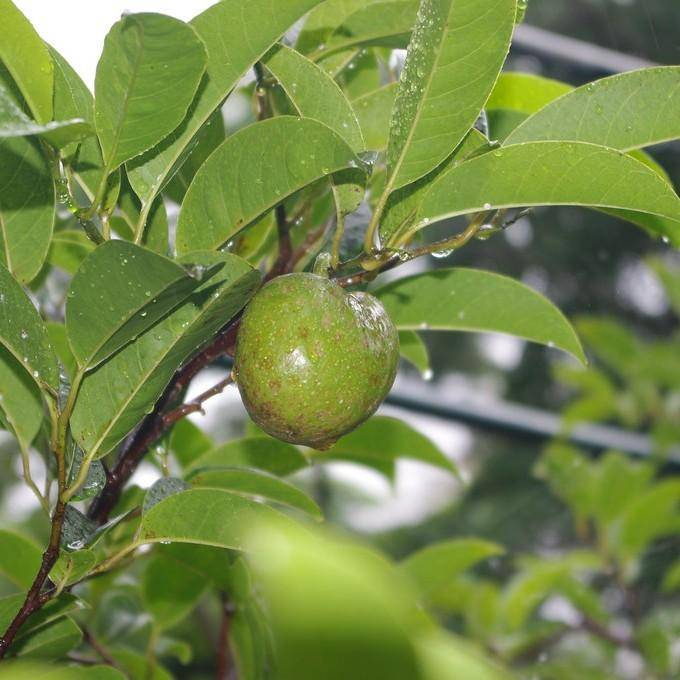
Annona muricata (Soursop): Complete Guide to Growing, Uses, and Care
Annona muricata, commonly called soursop, is a tropical evergreen fruit tree grown for its large, spiky, tangy-sweet edible fruit. This guide covers cultivation requirements, culinary uses, safety notes, and how to distinguish it from the closely related custard apple for home growers and enthusiasts.
What Is Annona muricata?
Annona muricata, widely known as soursop, graviola, or guanabana, is a fruit-bearing broadleaf evergreen in the Annonaceae family. Though botanically a fruit tree, it is occasionally categorized as a vegetable for culinary use, with distinct spiky green fruit that softens and fades to pale yellow when fully ripe. Identify unknown Annona species quickly by uploading a photo of leaves, fruit, or flowers to the Sproutly app for fast, accurate ID. You can find full, species-specific care guidance in the official soursop (Annona muricata) care profile for ongoing reference.
Annona muricata Botanical Description
Mature Annona muricata trees reach 15–30 feet tall at maturity, with a low, spreading branching habit that creates a broad, dense canopy. Its leaves are oblong, glossy dark green, and 3–6 inches long, with a mild, distinct herbal scent when crushed between your fingers. Flowers are pale yellow, 1–2 inches wide, and grow directly on older branches and the tree trunk, a trait called cauliflory that is common to many tropical fruit trees. Its fruit can grow up to 12 inches long and weigh up to 15 pounds, with a white, creamy, seedy flesh inside the thick, spiky rind. If you encounter an unknown tropical fruit tree with similar features, you can identify tropical fruit trees with Sproutly’s AI tool to confirm the species.
Native Distribution and Preferred Habitat
Annona muricata is native to the tropical regions of the Caribbean, Central America, and northern South America, where it grows naturally in low-elevation, frost-free areas with consistent rainfall. It has been naturalized in tropical climates across Southeast Asia, Africa, and parts of Florida and Hawaii in the U.S., where it is grown commercially and in home gardens. It thrives in low-elevation areas with consistent warm temperatures and no regular frost, as exposure to temperatures below 32°F (0°C) will kill young trees and severely damage mature specimens. Even short dips below 30°F (-1°C) can cause leaf drop and stem damage to established trees if left unprotected.
Annona muricata Cultivation Requirements
Annona muricata requires full, direct sun for 6–8 hours per day to produce fruit, and high humidity levels between 60–80% for optimal leaf and fruit development. It prefers well-drained, loamy soil with a pH of 5.5–6.5, and cannot tolerate waterlogged roots, which will quickly cause root rot and eventual tree death. Water newly planted trees 2–3 times per week for the first 6 months, then reduce to 1–2 times per week once established, adjusting for rainfall to avoid oversaturating the soil. Fertilize with a balanced, slow-release fruit tree fertilizer three times per year, in early spring, mid-summer, and early fall, to support consistent growth and fruit production. Log your Annona muricata’s growth and location in the Sproutly app to get customized watering and fertilization reminders tailored to your local climate.
Annona muricata Common Pests and Problems
Annona muricata is most frequently affected by annona seed borers, fruit flies, and mealybugs, which can burrow into developing fruit, leave sticky residue on leaves, and reduce overall harvest yields. Root rot from overwatering is the most common issue for home growers, especially in cooler climates with heavy clay soil that drains slowly. It is also susceptible to anthracnose, a fungal disease that causes dark, sunken lesions on leaves and fruit during periods of extended high humidity and poor air circulation. You can reduce disease risk by pruning the canopy annually to improve air flow, and avoiding watering the leaves directly during humid weather. If you spot discolored leaves or damaged fruit on your tree, upload photos to the Sproutly app to diagnose the issue and get targeted treatment steps.
Culinary Uses for Annona muricata Fruit
Annona muricata fruit has a sweet, tangy flavor often compared to a mix of pineapple, strawberry, and citrus, with a creamy, smooth texture similar to ripe banana. The flesh is commonly eaten raw, after removing the large black seeds and tough outer rind, which are not safe for consumption. It is also blended into smoothies, sorbets, ice creams, and juices, or used to make jams, sauces, and desserts in tropical cuisines across its native and naturalized ranges. In some regions, the flesh is also cooked into savory sauces for meat and fish dishes to add a bright, acidic note. The seeds are toxic when ingested, so they must be fully removed before consumption of any soursop products, including blended drinks and baked goods.
Annona muricata Nutritional Profile
A 100-gram serving of raw Annona muricata flesh contains 66 calories, 16.8 grams of carbohydrates, 3.3 grams of fiber, and 1 gram of protein, making it a low-calorie, high-fiber fruit option. It is a good source of vitamin C, providing 20.6 mg per serving, or 23% of the daily recommended value for adults, which supports immune function and collagen production. It also contains small amounts of potassium, magnesium, and B vitamins, including thiamine and riboflavin, which support energy production and nervous system health. Note that most nutritional studies focus on the raw fruit, not processed supplements or extracts made from soursop leaves or bark, which may have untested concentrations of active compounds.
Annona muricata Safety Considerations
Annona muricata fruit flesh is safe for human consumption when fully ripe and properly prepared, with all seeds and tough rind removed. The leaves, bark, seeds, and unripe fruit contain alkaloids that may have neurotoxic effects if consumed in large quantities or over long periods, so these parts should not be eaten raw or used in home remedies without guidance from a medical provider. Unlike many tropical fruit trees, Annona muricata is classified as pet-safe, so accidental ingestion of small amounts of ripe fruit flesh by dogs or cats will not cause toxic reactions, though large amounts may cause mild stomach upset. Always consult a medical provider before using soursop supplements for medicinal purposes, as they may interact with prescription medications, including blood pressure drugs and diabetes medications.
Annona muricata vs Annona reticulata: Key Differences
Annona muricata is frequently confused with Annona reticulata, commonly called custard apple, a closely related species in the same genus that is also grown for its sweet, creamy fruit. The two share similar growth requirements, including full sun, high humidity, and frost intolerance, but they have distinct physical and flavor differences that make them easy to tell apart with a close look.
| Feature | Annona muricata (soursop) | Annona reticulata (custard apple) |
|---|---|---|
| Fruit appearance | Spiky, irregular green rind, turns pale yellow when ripe | Smoother, heart-shaped rind with a netted texture, turns reddish-brown when ripe |
| Flavor | Tangy, acidic, with notes of pineapple and citrus | Milder, sweeter, with no acidic aftertaste |
| Mature tree size | 15–30 feet tall | 20–35 feet tall |
| Cold tolerance | Survives brief dips to 30°F (-1°C) | Survives brief dips to 28°F (-2°C) |
Both are pet-safe, full-sun tropical trees, but their differing flavor profiles make them better suited for different culinary uses: soursop works well in tart drinks and frozen desserts, while custard apple is ideal for eating raw or using in mild, sweet baked goods. You can learn more about the closely related species in the Annona reticulata (custard apple) species guide.
Frequently Asked Questions
Is Annona muricata the same as soursop?
Yes, Annona muricata is the official botanical name for the tree commonly called soursop, graviola, or guanabana in different regions.
Can you grow Annona muricata indoors?
Young Annona muricata trees can be grown indoors in large containers with access to full, direct sun from a south-facing window, but they will rarely produce fruit indoors due to insufficient light and space for mature growth.
How long does it take for Annona muricata to produce fruit?
Grafted Annona muricata trees typically produce fruit 3–5 years after planting, while trees grown from seed may take 5–7 years to bear their first harvest.
Is Annona muricata safe for pets?
Yes, the ripe fruit flesh of Annona muricata is non-toxic to dogs and cats. The seeds, leaves, and bark may cause mild stomach upset if ingested in large quantities, so keep those parts out of reach of pets.
What temperature can Annona muricata tolerate?
Annona muricata thrives in temperatures between 68–82°F (20–28°C). Mature trees can tolerate brief dips to 30°F (-1°C) with minimal damage, but extended exposure to temperatures below 32°F (0°C) will kill young trees.
Try Sproutly for Customized Tropical Tree Care
Whether you are growing your first Annona muricata sapling or managing a mature fruit-producing tree, Sproutly makes it easy to track growth, diagnose issues, and get care reminders tailored to your specific location and plant. Upload photos for instant species ID, log watering and fertilization sessions, and get alerts for potential pest and disease risks before they cause permanent damage. Get started with Sproutly today to keep your tropical fruit trees thriving year-round.
قراءات ذات صلة
أدلة أخرى قد تعجبك
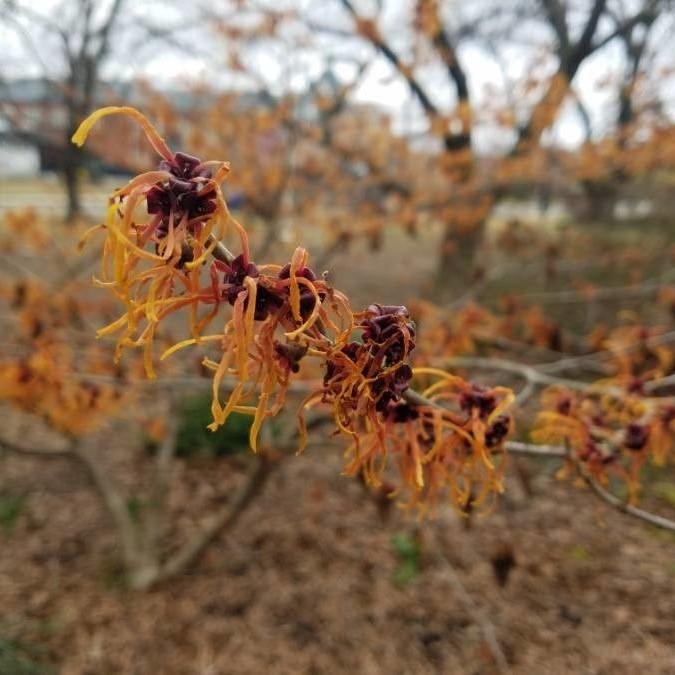
Hamamelis Mollis (Chinese Witch Hazel): Complete Grow & Care Guide
Learn to grow, care for, and enjoy Hamamelis mollis (Chinese witch hazel), a fragrant winter-blooming shrub with vibrant autumn foliage for temperate gardens.
2026-07-26 · 12 min read
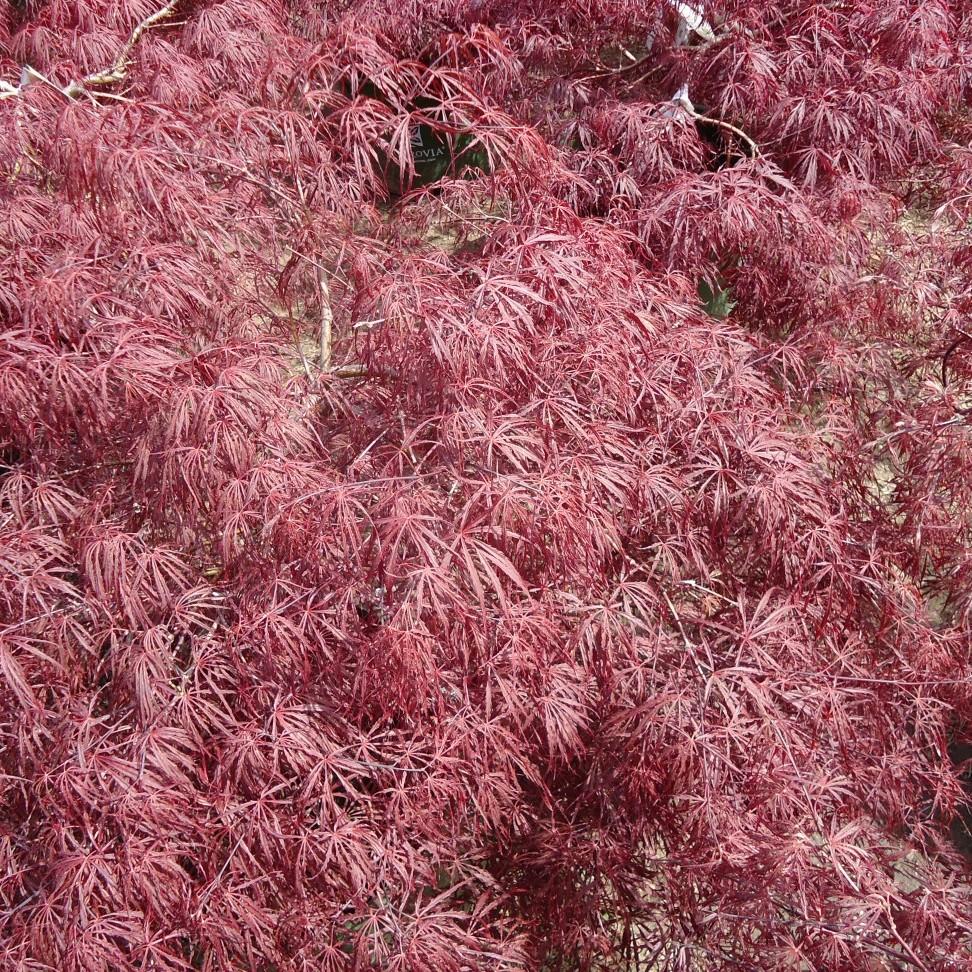
Japanese Maple Plant Description: Key Details for Iijima Sunago, Select Red, and Popular Cultivars
Get clear, beginner-friendly descriptions of Japanese maple trees, including specific details for Iijima Sunago and Select Red cultivars, plus care and pruning tips.
2026-07-26 · 8 min read
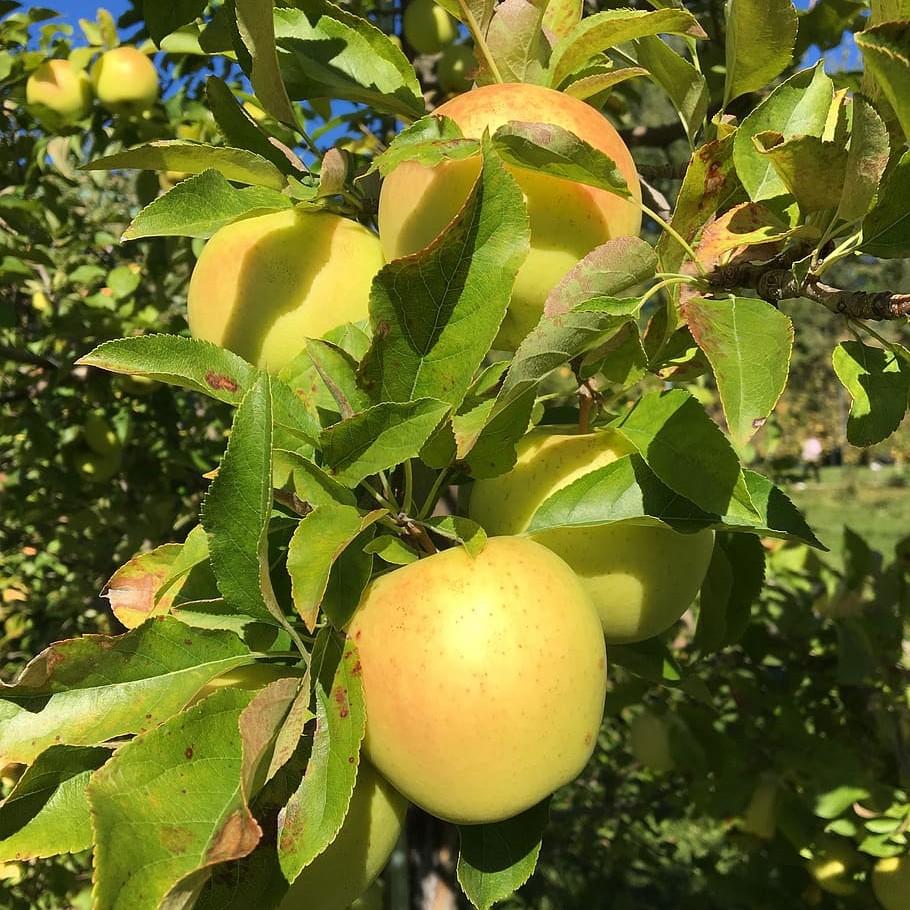
Flowering Crabapple: Grow Guide, Cultivars, and Landscape Uses
Learn to grow and care for flowering crabapple trees, with tips on cultivar selection, bloom care, disease resistance, and using their edible fruit and seasonal foliage.
2026-07-25 · 11 min read