%22%2F%3E%0A%20%20%20%20%20%20%3Ccircle%20cx%3D%22920%22%20cy%3D%22180%22%20r%3D%2290%22%20fill%3D%22%23cfe8d5%22%2F%3E%0A%20%20%20%20%20%20%3Cpath%20d%3D%22M600%20590c-90-180-215-255-310-280%200%20165%20118%20296%20270%20296h40z%22%20fill%3D%22%2379b88e%22%2F%3E%0A%20%20%20%20%20%20%3Cpath%20d%3D%22M600%20590c80-150%20198-212%20302-228-8%20142-123%20255-270%20255h-32z%22%20fill%3D%22%235c9f73%22%2F%3E%0A%20%20%20%20%20%20%3Cpath%20d%3D%22M600%20610V360%22%20stroke%3D%22%234f8c64%22%20stroke-width%3D%2218%22%20stroke-linecap%3D%22round%22%2F%3E%0A%20%20%20%20%20%20%3Ctext%20x%3D%22600%22%20y%3D%22700%22%20text-anchor%3D%22middle%22%20font-family%3D%22Arial%2C%20sans-serif%22%20font-size%3D%2244%22%20fill%3D%22%23365c45%22%3E%0A%20%20%20%20%20%20%20%20Plant%20image%20coming%20soon%0A%20%20%20%20%20%20%3C%2Ftext%3E%0A%20%20%20%20%3C%2Fsvg%3E%0A%20%20)
pink
Dianthus 'Pheasant's Eye'
概覽
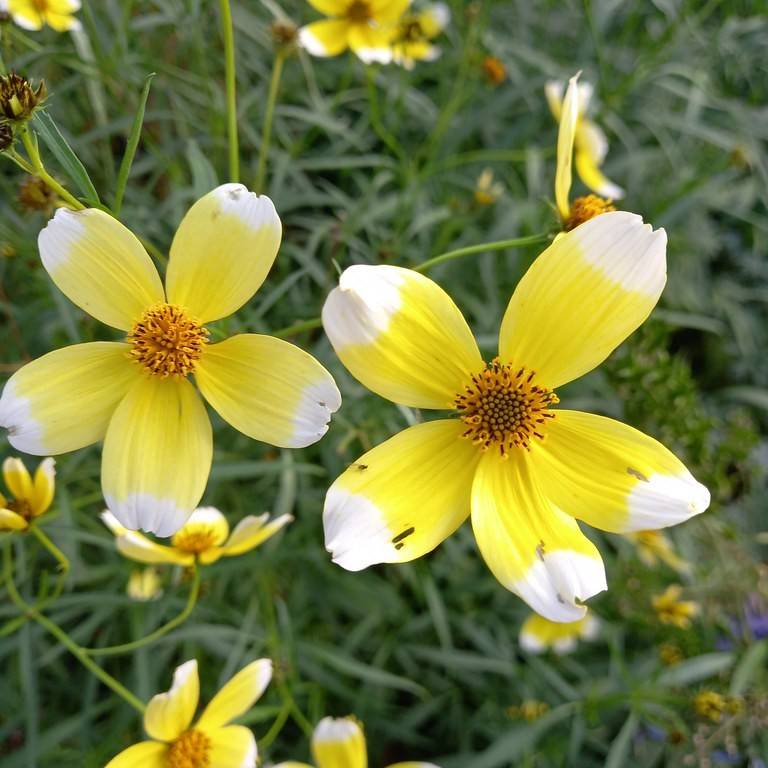
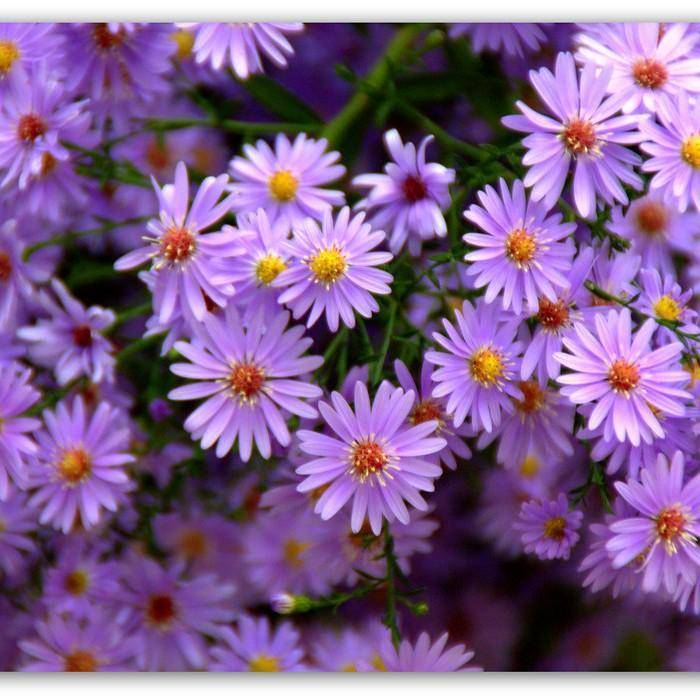
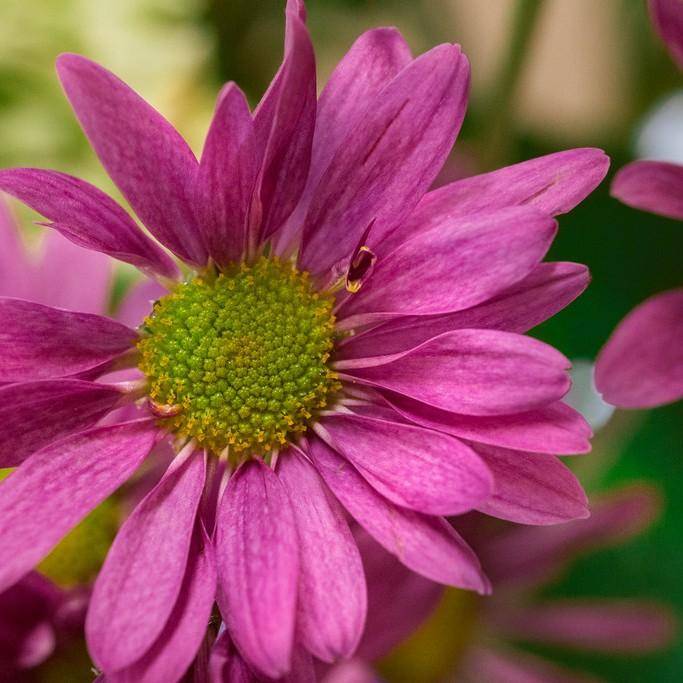
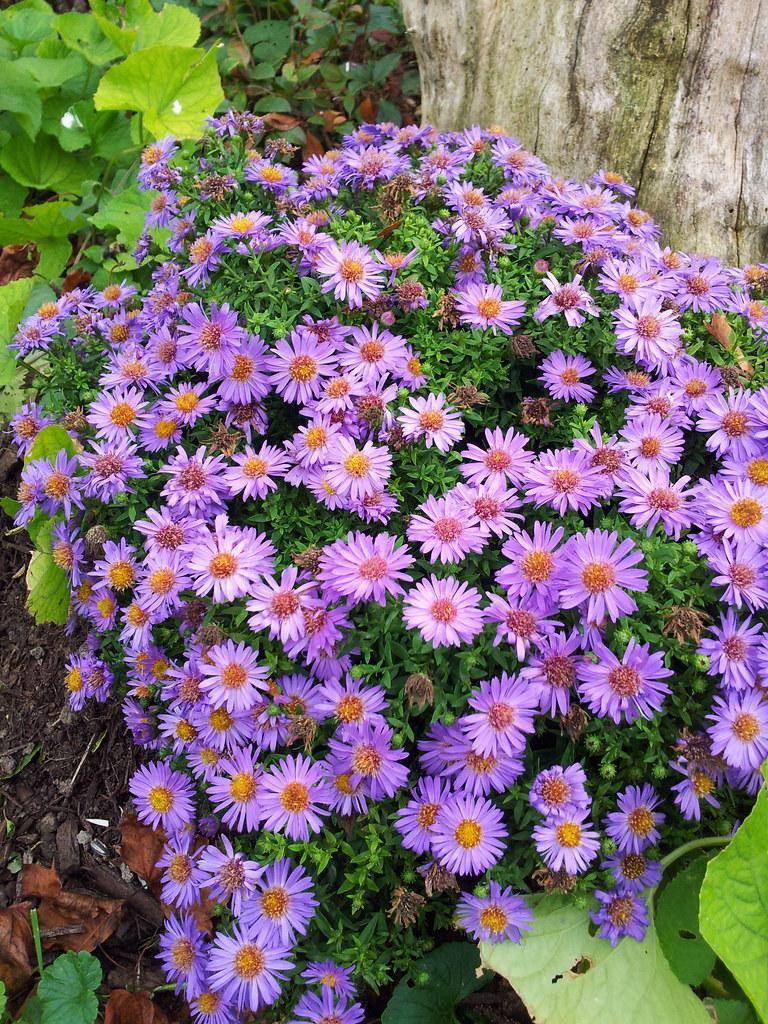
The beautiful Dianthus 'Pheasant's Eye' is an amazing species that produces soft, vibrant pink flowers and is great for any garden. Its attractive gray-green foliage is the perfect backdrop for the clusters of small blooms with bright eyes at their heart and petals edged in white. Bullet-proof and hardy, 'Pheasant's Eye' will keep its colour from spring to fall and attract pollinators reliably. Low growing and neat, it's perfect for difficult-to-fill spots in your flower bed or garden border and maintenance is minimal - just some light pruning at the end of the season. Bring a touch of drama and vintage charm to your garden with this unique beauty.
養護指南
澆水
Water pink Dianthus 'Pheasant's Eye' plant regularly, approximately 1-2 times weekly, to maintain moist soil. During summer months, water more frequently to keep soil consistently moist. In winter, water less often as the plant requires less moisture in the cooler months. To prevent root rot, avoid standing water in the pot. Furthermore, before watering, it is recommended to check the soil by sticking your finger in to make sure the soil is dry. When it does come to watering, soak the soil completely with lukewarm water. Overwatering can also fatally damage this species of plant.
光照
Pink (Dianthus 'Pheasant's Eye') plants need direct sunlight for a minimum of 5 to 6 hours every day. The best time for sunlight exposure to the plant is between 9 am and 3 pm, allowing the plant to receive bright, direct sunlight that will keep it healthy and happy. Avoid direct sunlight during the mid-afternoon hours, as this may cause the foliage to become scorched. In the summer months, pink Dianthus 'Pheasant's Eye' may benefit from an additional hour or 2 of sun in the late afternoon.
溫度
Hardiness zone 3–8.
修剪
When to Prune: Pink (Dianthus ‘Pheasant's Eye’) should be pruned shortly after the flower blooms for the summer season. This should give the plant enough time to produce some new blooms. How Much to Prune: Pink (Dianthus ‘Pheasant's Eye’) should not be over-pruned. It is best to snip off only the tips of the stems, leaving at least the top 2 sets of leaves intact. This should encourage the plant to produce more flowers.
繁殖
Division, Cutting, Layering Propagation, Seed Propagation
Related plants
Other plants you might like if you grow pink.