Pothos Care: The Complete Beginner Guide

Learn simple, actionable pothos care tips including watering frequency, fertilizing needs, propagation steps, and troubleshooting for healthy, trailing plants.

Sproutly Team··10 min read
Pothos Care: The Complete Beginner Guide

Trailing golden pothos in a hanging macramé planter next to a sunny window, with callouts marking healthy leaves, a propagation node, and a finger testing soil moisture

Why Pothos Is a Favorite Low-Fuss Houseplant

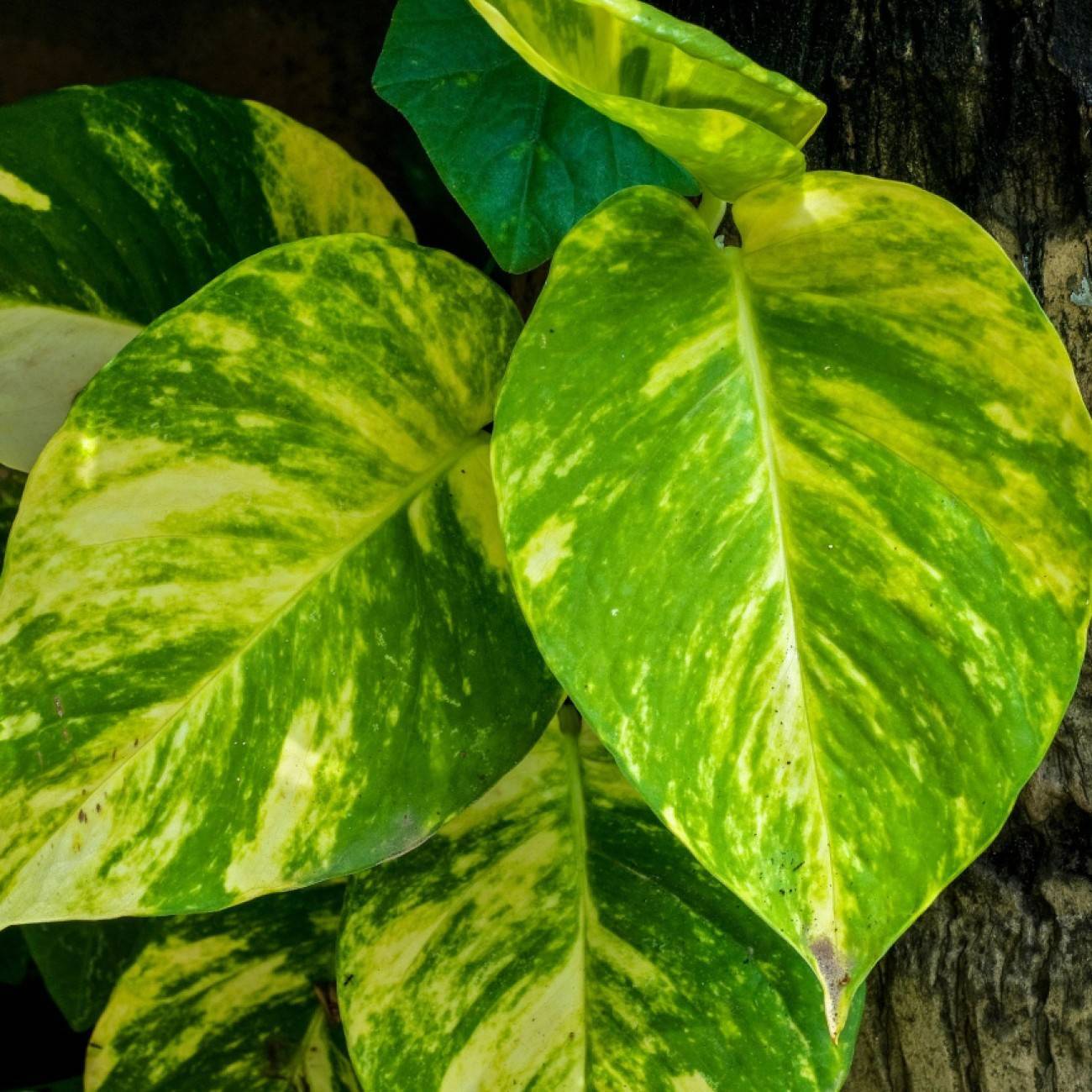
Pothos, also called devil’s ivy, is one of the most forgiving houseplants for new plant parents, making basic pothos care accessible even for people who have struggled to keep plants alive in the past. Its trailing vines, glossy heart-shaped leaves, and tolerance for occasional neglect make it a staple for bookshelves, hanging planters, and desk corners. The most common variety, golden pothos, features bright yellow variegation that adds subtle color to any space, and you can learn more about its specific traits in our golden pothos species profile.

Unlike finicky tropical plants that require precise humidity and light levels, pothos adapts to a wide range of indoor conditions. It also falls into the pet-safe category, so you don’t have to worry about serious health risks if your cat or dog takes a small nibble, though we recommend reviewing our pet-safe houseplant care guide for tips on keeping both your plants and pets safe. If you live in a warm, frost-free region, you can even grow pothos outdoors as a trailing ground cover or climbing vine, and our outdoor trailing plant care tips can help you make the most of outdoor pothos growth.

Core Light & Temperature Requirements for Healthy Pothos Growth

The first step to learning how to care for pothos is getting its light and temperature conditions right. Pothos is highly adaptable to different light levels, but it grows best in bright, indirect light. This means placing it within 3 to 5 feet of a south or east-facing window, where it gets plenty of light but no direct midday sun that can scorch its leaves.

Pothos can survive in low-light conditions, such as a north-facing room or a corner away from windows, but its growth will slow significantly, and variegated varieties may lose their yellow or white leaf markings over time. Avoid placing pothos in areas with constant direct sunlight, as this will cause leaves to turn pale, develop brown burn spots, or drop prematurely.

For temperature, pothos thrives in the same range as most indoor spaces: 65 to 85°F (18 to 29°C). It can tolerate brief dips down to 50°F (10°C), but prolonged exposure to temperatures below that will damage leaves and stunt growth. Keep pothos away from drafty windows, air conditioning vents, and heating units, as sudden temperature fluctuations can stress the plant.

Sproutly tip: If you’re not sure if your chosen spot has the right light levels for your pothos, scan your plant with the Sproutly app. It will analyze your home’s lighting through your device’s camera and suggest adjustments to help your pothos grow faster and retain its variegation.

How Often to Water Pothos (Beginners’ Most Asked Question)

Overwatering is the number one mistake new pothos owners make, so knowing how often to water pothos is critical to avoiding root rot, the most common fatal issue for these plants. The exact watering schedule will vary based on your home’s light, temperature, and humidity, but a general rule of thumb is to water pothos every 2 to 3 weeks during the spring and summer growing season, and every 4 to 6 weeks during the fall and winter when growth slows.

To avoid guessing, always test the soil moisture before watering. Stick your finger 2 to 3 inches deep into the potting mix. If the soil is completely dry at that depth, it’s time to water. If it still feels damp, wait another 2 to 3 days and test again.

When you water, do so thoroughly until excess water drains out of the bottom of the pot. Discard any water that collects in the saucer under the pot, as letting the roots sit in standing water will lead to root rot. Signs that you are underwatering your pothos include drooping leaves, crispy brown leaf edges, and soil that pulls away from the edges of the pot. Signs of overwatering include yellowing leaves, mushy stems, and a sour, musty smell coming from the soil.

Best Soil & Pot Setups for Lush, Happy Pothos

Pothos grows best in loose, well-draining potting soil that retains some moisture but does not stay soggy for long periods. A standard indoor houseplant mix works well, but you can improve drainage by mixing in 1 part perlite or orchid bark to 3 parts potting mix. Avoid using heavy garden soil or mixes designed for moisture-loving plants like ferns, as these will hold too much water around the roots.

Your pot choice is just as important as the soil for successful pothos care. Always use a pot with at least one drainage hole in the bottom to let excess water escape. If you want to use a decorative pot without drainage holes, keep your pothos in its plastic nursery pot and set it inside the decorative pot, removing it to water and letting it drain fully before placing it back.

Pothos does not need frequent repotting. You will only need to repot your plant every 2 to 3 years, or when you see roots growing out of the drainage holes or wrapping around the inside of the pot. The best time to repot is in early spring, right before the growing season starts. When repotting, choose a pot that is only 1 to 2 inches larger in diameter than the current pot, as too much extra soil will hold excess moisture and increase the risk of root rot.

Pothos Fertilizer: When, What, and How Much to Use

Pothos is not a heavy feeder, so you do not need to use pothos fertilizer often to keep your plant healthy. Fertilizing too much can burn the roots and cause brown leaf tips, so it is better to under-fertilize than over-fertilize.

During the spring and summer growing season, apply a balanced, water-soluble houseplant fertilizer (with an NPK ratio of 10-10-10 or 20-20-20) once every 4 to 6 weeks. Dilute the fertilizer to half the strength recommended on the product label to avoid overfeeding. You do not need to fertilize pothos during the fall and winter, as the plant is dormant and will not use the extra nutrients.

If you notice slow growth, pale leaves, or smaller new leaves despite proper light and watering, your pothos may be lacking nutrients. In that case, you can add a single round of fertilizer in the middle of the growing season to give it a boost. Always apply fertilizer to damp soil, as applying it to dry soil can burn the root tips.

Sproutly tip: The Sproutly app can create a custom fertilizing schedule for your pothos based on its age, pot size, and your home’s growing conditions, so you never have to remember when to feed your plant on your own.

Pothos Propagation: 2 Simple Step-by-Step Methods

Pothos propagation is one of the easiest propagation processes for beginner plant parents, and it lets you grow new plants from cuttings to expand your collection or share with friends. There are two simple methods to propagate pothos: water propagation and soil propagation. Both have high success rates, so you can choose the one that works best for your schedule.

Water Propagation

This is the most popular method for pothos propagation, as it lets you watch the roots grow in real time.

  1. Use clean, sharp scissors to cut a 4 to 6 inch section of healthy pothos vine. Make sure the cutting has at least 3 to 4 leaves, and 2 to 3 nodes (the small brown bumps on the vine where leaves and roots grow from).
  2. Remove the bottom 1 to 2 leaves from the cutting, making sure no leaves are submerged in water, as this can cause rot.
  3. Place the cutting in a clear jar or glass filled with room-temperature water, making sure the nodes are fully submerged.
  4. Set the jar in a spot with bright, indirect light, and change the water every 3 to 5 days to keep it fresh.
  5. After 2 to 4 weeks, you will see white roots growing from the nodes. Once the roots are 1 to 2 inches long, you can transplant the cutting into well-draining potting soil and care for it like a mature pothos.

Soil Propagation

This method skips the water step and roots cuttings directly in soil, so you do not have to transplant later.

  1. Take a cutting the same way as for water propagation, with 3 to 4 leaves and 2 to 3 nodes, and remove the bottom leaves.
  2. Fill a small pot with well-draining potting mix, and moisten it lightly.
  3. Poke a 1 to 2 inch deep hole in the soil with your finger, and place the cut end of the vine into the hole, making sure the exposed nodes are covered with soil.
  4. Gently press the soil around the cutting to hold it in place.
  5. Keep the soil lightly damp (not soggy) for the first 4 to 6 weeks, and place the pot in bright, indirect light. You will know the cutting has rooted when you see new leaf growth, or when you gently tug on the cutting and feel resistance.

Common Pothos Problems and Easy Fixes

Even with consistent care, you may run into occasional issues as your pothos adjusts to your home conditions. Most problems are easy to fix with small adjustments to your routine.

Yellow Leaves

Yellow leaves are the most common pothos issue, and they usually stem from overwatering. If the leaves are yellow and mushy, stop watering until the soil is completely dry 2 to 3 inches deep, and make sure your pot has working drainage holes. If only the leaf edges are yellow, or if yellow leaves are accompanied by brown scorch marks, your pothos may be getting too much direct sunlight. Move it a few feet away from the window to a spot with indirect light.

Brown Leaf Tips

Brown, crispy leaf tips are usually caused by low humidity or over-fertilizing. If you run the heat frequently in the winter, or live in a dry climate, place a tray of pebbles filled with water under your pothos pot, or group it with other plants to raise the surrounding humidity. If you have fertilized more often than recommended, flush the soil with water to leach out excess nutrient salts, and hold off on fertilizing for at least 3 months.

No New Growth

If your pothos is not putting out new leaves during the spring and summer, it is likely not getting enough light. Move it to a brighter spot with indirect light, and wait 2 to 3 weeks to see if growth picks up. If it has been in the same pot for more than 3 years, it may be root-bound, so repotting into a slightly larger pot with fresh soil can also encourage new growth.

Leggy Vines

Long, bare stretches of vine between leaves are a sign your pothos is not getting enough light. Trim the leggy sections back (you can use the cuttings for propagation) and move the plant to a brighter location. New growth will fill in from the cut ends over time.

FAQ

Are pothos plants safe for cats and dogs?

According to our plant encyclopedia, pothos is categorized as pet-safe, but it’s still a good idea to keep trailing vines out of reach of curious pets to avoid accidental damage to your plant.

Can I grow pothos outdoors?

Pothos can be grown outdoors in warm, frost-free climates, but they are most commonly kept as indoor houseplants. If you’re unsure if your climate is suitable, scan your pothos with the Sproutly app for location-specific care guidance.

Why are my pothos leaves turning yellow?

Yellow pothos leaves are most often caused by overwatering, too much direct sunlight, or nutrient deficiency. Cross-reference your recent care routine with the tips in this guide, or use Sproutly to diagnose the issue quickly.

How fast do pothos plants grow?

With consistent proper pothos care, indoor pothos can grow 10 to 18 inches per month during the spring and summer growing seasons. Growth will slow or stop entirely in the fall and winter.

Try Sproutly

Learning how to care for pothos is simple when you have personalized guidance tailored to your unique growing conditions. The Sproutly app lets you identify your pothos variety, set custom watering and fertilizing reminders, and troubleshoot issues as they arise, so you can keep your trailing vines healthy and lush for years. To get started with personalized pothos care tips, visit https://heysproutly.com.

延伸閱讀

你可能也會喜歡這些指南

查看全部文章