Dichondra Argentea (Silver Falls): Complete Care, Growing, and Use Guide
Learn how to grow and care for Dichondra argentea 'Silver Falls', a drought-tolerant, pet-safe trailing perennial perfect for hanging baskets and ground cover.
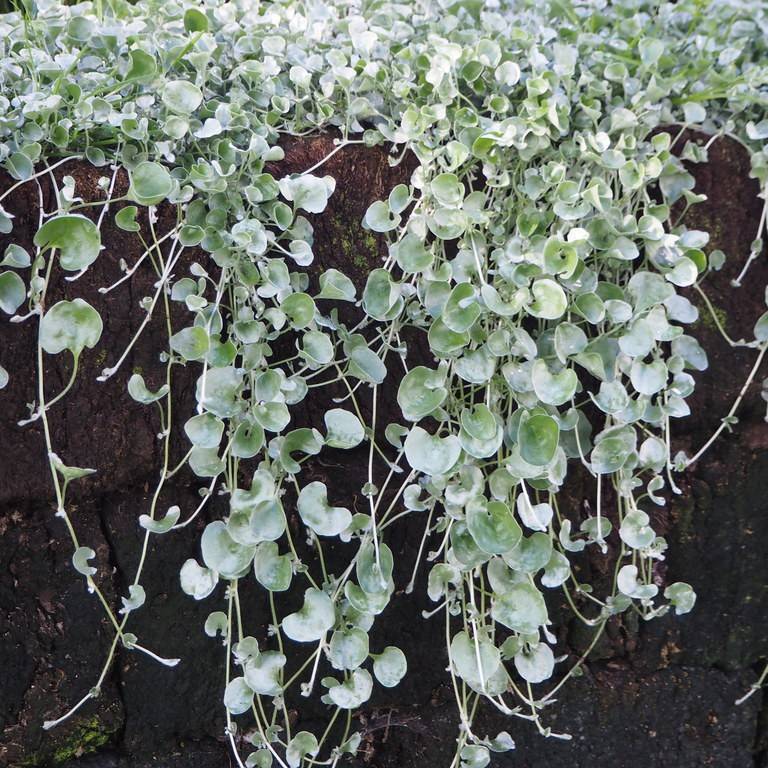
Dichondra argentea, commonly sold as the cultivar 'Silver Falls', is a drought-tolerant, pet-safe trailing perennial suited for hanging baskets, ground cover, and xeriscapes. It thrives in full sun with infrequent watering, grows year-round in USDA zones 10–11, and works as an annual in all cooler regions.
What Is Dichondra Argentea?
Dichondra argentea is a low-growing perennial in the Convolvulaceae family, native to the southwestern U.S. and Mexico. It is distinguished by its silvery, rounded ½–1 inch leaves and trailing stems that reach 3–4 feet long at maturity. The most widely available cultivar, 'Silver Falls', is bred for consistent silver foliage and vigorous trailing growth.
To avoid care mix-ups with similar-looking silvery plants like silvery Celosia argentea cultivars, use Sproutly’s photo identification tool to confirm your plant’s identity before adjusting care routines. You can also identify silvery foliage plants that look similar to dichondra argentea with our plant encyclopedia to rule out lookalikes. While it is often grouped with other trailing foliage plants, this species is not related to silver ponyfoot or lamium, which have different care requirements. Its natural desert habitat means it is adapted to long periods of drought and high heat, making it far more tolerant of neglect than many common trailing houseplants or garden annuals.
Hardiness Zones and Ideal Growing Regions
Dichondra argentea grows as a perennial in USDA zones 10–11, where winter temperatures stay above 20°F, and as an annual in all cooler zones. It thrives in arid, sunny climates similar to its native desert range, but can grow in most regions with adequate sunlight and well-draining soil.
If you are unsure of your local hardiness zone, use Sproutly’s location-based care recommendations to see if this plant will grow year-round in your area, or if it should be planted as a warm-season annual. For regions outside zones 10–11, plant specimens outdoors after all risk of frost has passed, and bring potted plants indoors before the first fall frost if you want to overwinter them. If you grow it as a ground cover in cooler zones, plan to replant each spring, as it will not survive temperatures below 20°F. For microclimates with extra sun or wind protection, you may be able to grow it as a short-lived perennial in zone 9, but it will likely die back to the ground in winter and re-sprout in spring if mulched heavily.
Light, Soil, and Water Requirements
Dichondra argentea requires 6+ hours of full, direct sun daily to maintain its silvery foliage color and dense growth. It prefers well-draining, sandy or loamy soil with a pH of 6.1–7.8, and needs water only when the top 2 inches of soil are completely dry, usually every 7–10 days in warm weather. Overwatering is the most common cause of decline for this drought-tolerant plant, so err on the side of underwatering to avoid root rot.
Use Sproutly’s custom watering reminders to avoid over-saturating the soil, especially if you grow this plant in a container with limited drainage. If your garden has heavy clay soil, amend the planting area with 2–3 inches of compost or coarse sand to improve drainage before planting. For container growth, use a cactus or succulent potting mix to ensure excess water drains quickly. In partial shade, the plant will develop greener foliage and leggy stems, so relocate it to a sunnier spot if you notice sparse growth. Reduce watering to every 2–3 weeks in cooler months, when growth slows and soil takes longer to dry out.
Key Characteristics and Landscape Features
Dichondra argentea grows 2–4 inches tall with a trailing spread of 3–4 feet, making it ideal for spilling over edges of containers, hanging baskets, or retaining walls. Its dense, mat-forming growth habit also makes it an effective low-maintenance ground cover for sunny, dry areas where grass struggles to grow. It produces tiny, inconspicuous pale yellow flowers in late summer that do not detract from its foliage display.
This cultivar has earned 6 horticultural industry awards for performance, as cited by leading growers, recognizing its heat tolerance, consistent growth, and low care needs. Its soft, fuzzy silver foliage reflects sunlight, which helps it conserve water in high heat and makes it a striking contrast to dark green or brightly colored plants in mixed arrangements. It grows at a moderate rate, reaching full spread 2–3 months after planting in warm weather. Unlike many ground covers, it does not require mowing, and it will choke out most weeds once established, reducing regular garden maintenance. You can learn more about its core traits in our dichondra argentea care guide species encyclopedia entry.
How to Plant and Propagate Dichondra Argentea
Plant dichondra argentea outdoors after the last frost date in your region, spacing plants 12–18 inches apart to allow for full spread. It can be propagated from stem cuttings placed in moist, well-draining soil, or grown from seed sown ¼ inch deep in warm soil after all frost risk has passed. Cuttings typically root in 10–14 days when kept in bright, indirect light and consistently but lightly moist soil.
For hanging basket planting, use 3–4 starter plants per 12-inch basket to create a full, trailing look by mid-summer. To plant as ground cover, prepare the soil by removing all weeds and amending with sand or compost if drainage is poor. Dig holes slightly larger than the root ball of each starter plant, place the plant in the hole so the top of the root ball is level with the soil surface, and firm soil around the base. Water lightly immediately after planting, then wait 7–10 days before watering again to encourage root growth. For propagation from cuttings, snip 4–6 inch stem tips just below a leaf node, remove the lower 2 inches of leaves, and insert the cut end into a small pot of cactus mix. Keep the soil lightly moist until roots form, then transition to the regular watering schedule for mature plants.
Companion Plants and Garden Design Ideas
Dichondra argentea pairs well with full-sun, drought-tolerant plants that have contrasting green or colorful foliage to make its silvery leaves stand out. Good companion options include marigolds, sage, lantana, ornamental grasses, and pelargonium, all of which share similar water and light needs. It works well in border edges, rock gardens, xeriscapes, and mixed container arrangements.
For a low-maintenance California xeriscape layout, plant this species as a ground cover between clumps of ornamental grasses, succulents, and sage, eliminating the need for water-hungry grass. A summer hanging basket combination works well with it trailing over the edges, bright orange marigolds in the center, and purple lantana around the middle for layered color and texture. For a rock garden, tuck plants in crevices between stone pavers or boulders, where trailing stems will spill over hard surfaces for soft contrast. For a sunny border edge, plant it in front of taller feather celosia companion plants that pair well with dichondra argentea, whose bright pink or red plumes create a vivid contrast against the silver foliage. You can also browse other pet-safe full-sun plants for your garden to expand your planting palette while keeping your space safe for pets.
Common Pests, Problems, and Troubleshooting
Dichondra argentea is largely pest-resistant, but may attract spider mites and aphids in hot, dry conditions, or root rot if planted in poorly draining soil and overwatered. Yellowing leaves usually signal overwatering, while browning leaf tips indicate too little water or excessive dry air. Leggy, sparse growth is typically caused by insufficient sunlight.
For pest infestations, spray affected plants with a diluted neem oil solution every 3–5 days until the pests are gone, taking care to coat the undersides of leaves where mites and aphids hide. If you notice yellow, mushy leaves, stop watering immediately and check the soil moisture. If the soil is waterlogged, remove potted plants from their containers and repot in fresh, dry cactus mix, trimming any mushy, brown roots before replanting. For ground cover plants suffering from overwatering, aerate the soil around the base of the plants to improve drying, and avoid watering until the top 3 inches of soil are completely dry. If growth is leggy, trim back stems by 1/3 to encourage bushy new growth, and relocate the plant to an area with more direct sun if possible. Pruning can be done at any point during the growing season to control spread or encourage denser foliage.
Non-Toxicity Confirmation for Pets
Dichondra argentea is non-toxic to dogs, cats, and horses, making it a safe choice for yards, patio containers, and indoor hanging baskets where pets may access the plant. It does not contain any known irritants or toxic compounds, even if ingested in small quantities. Unlike some silvery trailing plants such as pothos or string of pearls, it poses no risk to curious pets that may chew on leaves or stems.
If you are unsure if a silvery trailing plant is this species or a toxic lookalike, use Sproutly’s plant identification tool to confirm its safety before bringing it into a pet-friendly space. Note that while the plant itself is non-toxic, fertilizers or pest treatments applied to it may be harmful to pets, so always use pet-safe products if your animals have access to the plant. If you have pets that dig in garden beds, a layer of mulch around ground cover plantings will discourage digging without harming the plant.
Uses Beyond Landscaping
Dichondra argentea’s long trailing stems and soft silvery foliage are popular for use in cut flower arrangements, wreaths, and other decorative crafts, where they add texture and neutral color contrast. Some home gardeners also use the fresh leaves as a mild, crisp garnish for salads, cocktails, and dessert plates, as they have a mild, grassy flavor with no bitter aftertaste.
The foliage lasts 7–10 days in cut arrangements, making it a cost-effective filler for home bouquets that costs far less than commercially sold silver foliage like dusty miller. For craft uses, dry stems by hanging them upside down in a cool, dark, well-ventilated space for 2–3 weeks, then use them in dried wreaths, swags, or table centerpieces. For culinary use, snip fresh leaves just before use, rinse gently, and pat dry. They work well as a garnish for summer cocktails like margaritas or mojitos, scattered over green salads for a pop of silver color, or used to line dessert plates for a subtle, elegant touch. Avoid using leaves that have been treated with chemical pesticides or fertilizers for culinary use.
Frequently Asked Questions
Is Dichondra argentea a perennial or annual?
Dichondra argentea is a tender perennial that grows year-round in USDA zones 10–11, where winter temperatures do not drop below 20°F. In all cooler zones, it is grown as an annual, as it will die after the first hard frost.
How much sun does Dichondra argentea need?
Dichondra argentea needs a minimum of 6 hours of full, direct sun per day to maintain its bright silver foliage color and dense, trailing growth habit. It can tolerate partial shade, but will become leggy and lose its silvery hue in low light.
Is Dichondra argentea toxic to dogs or cats?
No, Dichondra argentea is non-toxic to dogs, cats, and horses, making it a safe choice for pet-friendly yards, patios, and indoor hanging baskets.
How often should I water Dichondra argentea?
Water Dichondra argentea only when the top 2 inches of soil are completely dry, which is usually every 7–10 days in warm, sunny weather. Reduce watering to every 2–3 weeks in cooler months or if the plant is grown in partial shade.
Can Dichondra argentea be used as a ground cover?
Yes, Dichondra argentea makes an excellent low-growing ground cover for sunny, dry areas where grass struggles to grow. It forms a dense, mat-like cover that chokes out weeds and requires very little maintenance once established.
Try Sproutly
Need help confirming your plant is dichondra argentea, or want custom care reminders tailored to your local climate? Try Sproutly today to identify plants, track watering schedules, and get personalized care tips for every plant in your home and garden.
延伸閱讀
你可能也會喜歡這些指南
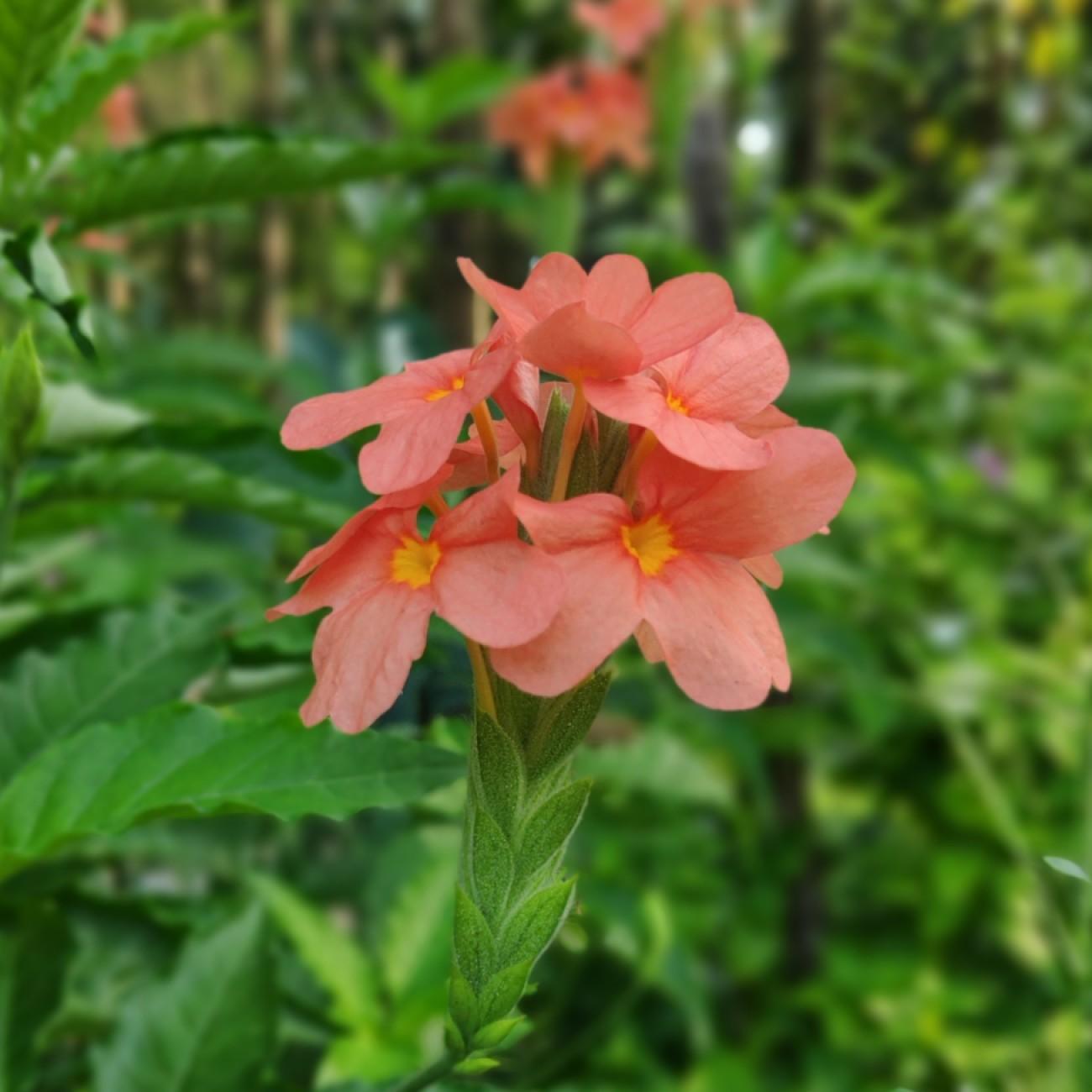
Firecracker Flower: Complete Care, Cultivation, and Identification Guide
Learn how to grow and care for firecracker flower (Crossandra infundibuliformis), a pet-safe, humidity-loving tropical houseplant with bright tubular blooms.
2026-08-04 · 19 min read
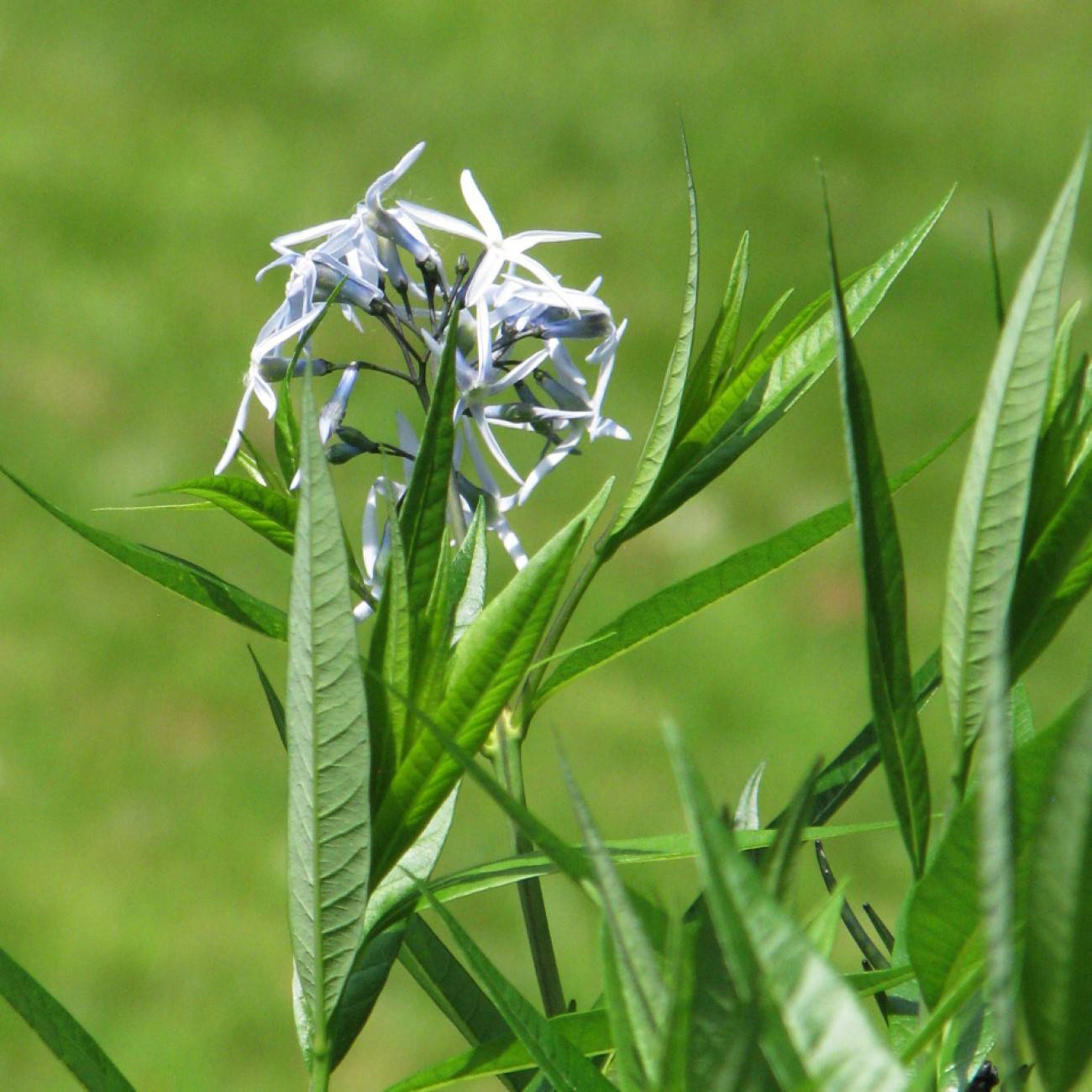
Juniperus Squamata Blue Star: Complete Care, Design, and Identification Guide
Learn how to grow, care for, and design with Juniperus squamata blue star, a low-growing, pet-safe evergreen shrub with striking silvery-blue foliage.
2026-08-03 · 14 min read
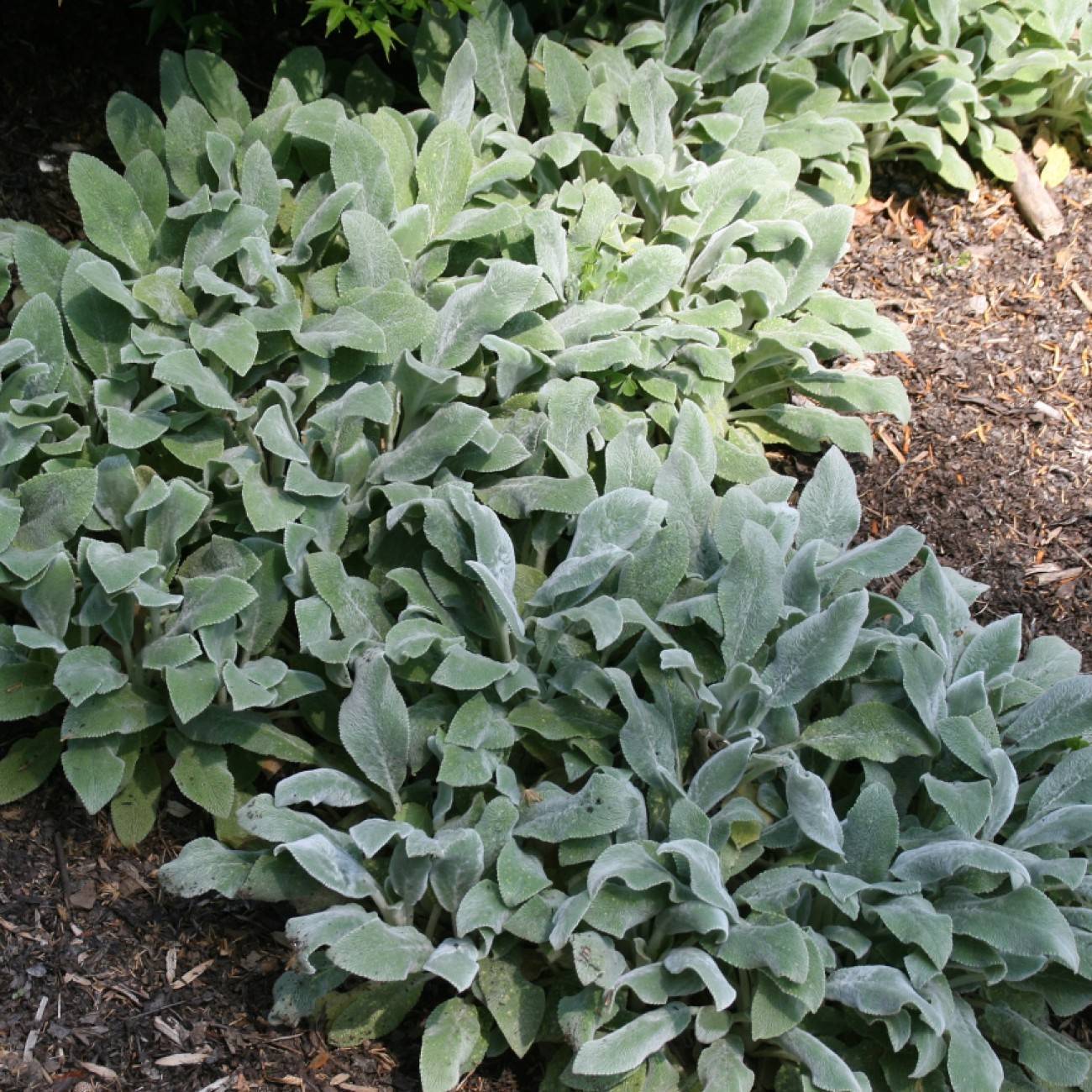
Lambs Ears: Complete Care Guide, Uses, and Growing Tips
Learn how to grow and care for lambs ears (Stachys byzantina), a soft, fuzzy silver perennial perfect for drought-tolerant gardens and ground cover.
2026-08-02 · 20 min read