Cercidiphyllum japonicum Red Fox: Complete Care, Size & Growing Guide
Learn how to grow and care for Cercidiphyllum japonicum Red Fox, a striking deciduous katsura tree with colorful foliage and caramel-scented fall leaves.
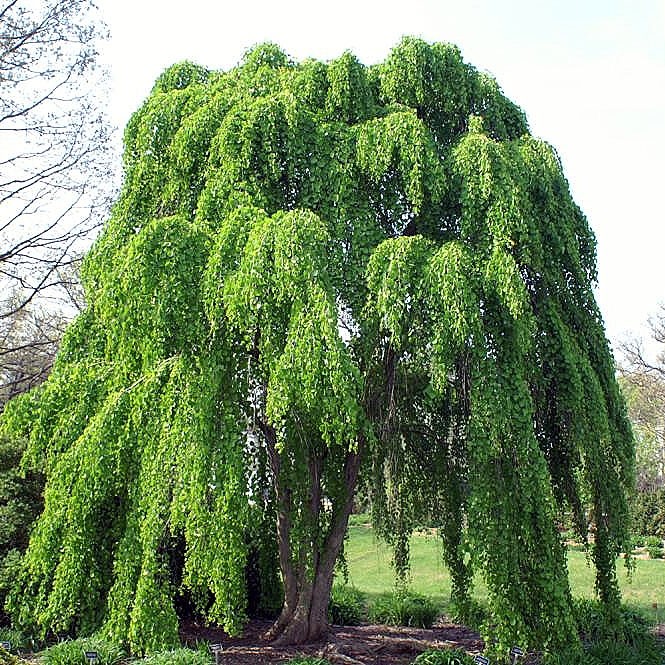
Cercidiphyllum japonicum Red Fox: Complete Care, Size & Growing Guide
Cercidiphyllum japonicum Red Fox is a compact, red-leaved katsura tree cultivar hardy in USDA zones 4–7, growing 20–30 feet tall at maturity with caramel-scented fall foliage. It requires full sun, well-draining acidic soil, and regular moisture to thrive in residential landscapes.
What Is Cercidiphyllum japonicum Red Fox?
Cercidiphyllum japonicum Red Fox, also sold under the German cultivar name 'Rotfuchs', is a deciduous katsura tree prized for its deep burgundy spring foliage that matures to bronze-green in summer. It is a smaller, more compact cultivar of the standard Cercidiphyllum japonicum species native to Japan and China.
Common Names & Cultivar Origin
- Also known as Red Fox katsura tree, 'Rotfuchs' katsura, or red-leaf katsura
- 'Rotfuchs' translates directly to 'red fox' in German, the origin country of this cultivated variety
Key Traits That Set It Apart From Other Katsura Cultivars
- Deeper red spring foliage than the standard green standard Cercidiphyllum japonicum katsura tree
- More upright, narrow growth habit than weeping katsura tree or Heronswood Globe katsura tree varieties
- No messy seed pods after spring blooming, reducing yard cleanup compared to some other katsura cultivars
Mature Size & Growth Rate of Cercidiphyllum japonicum Red Fox
Cercidiphyllum japonicum Red Fox grows 1 to 2 feet per year, reaching a mature height of 20 to 30 feet and a spread of 15 to 25 feet at full maturity. Its smaller, pyramidal shape makes it suitable for smaller residential yards that cannot accommodate the full 60-foot height of standard katsura trees.
Size at Different Growth Stages
- 1-year-old nursery sapling: 3 to 4 feet tall, with a 1 to 2 foot spread
- 5-year-old established tree: 8 to 12 feet tall, with a 5 to 8 foot spread, suitable for use as a small patio shade tree
- 20-year-old mature tree: Full 20 to 30 foot height, with a broad enough canopy to shade a 100 square foot area
When planning placement, leave at least 10 feet of space between the tree and structures, sidewalks, or underground utility lines to accommodate its mature root spread without causing damage.
USDA Planting Zones for Cercidiphyllum japonicum Red Fox
Cercidiphyllum japonicum Red Fox thrives in USDA hardiness zones 4 through 7, tolerating minimum winter temperatures as low as -30°F (-34°C). It may survive in zone 8 with extra summer watering and partial afternoon shade to prevent leaf scorch.
Regional Suitability Notes
- Best for Northeastern, Pacific Northwest, and Midwestern U.S. climates, where cool winters and moderate summer humidity support steady growth
- Avoid planting in arid desert regions or areas with consistent summer temperatures above 95°F without supplemental humidity and shade
- In coastal zone 8 areas with mild summer temperatures, it may perform well with only minor adjustments to watering frequency
If you are unsure of your local hardiness zone, you can use Sproutly to look up climate-specific planting guidance for your location and confirm if this tree is a good fit for your yard.
Core Foliage & Flower Characteristics
Cercidiphyllum japonicum Red Fox produces heart-shaped leaves that emerge deep burgundy in early spring, fade to bronze-green with red undersides in summer, and turn bright apricot-orange in fall. Inconspicuous small red flowers appear in early spring before leaves emerge, with no messy seed pods produced after blooming.
Unique Fall Scent Trait
- Fall leaves emit a subtle, sweet caramel or cotton candy scent when crushed or falling to the ground, a signature trait of all katsura trees
- Scent is most noticeable on warm, sunny fall afternoons, when the natural compound maltol is released as foliage breaks down
- The scent is faint enough to not be overwhelming, making it a pleasant surprise for visitors to your yard during autumn months
Unlike many ornamental flowering trees, the blooms of this cultivar do not attract large numbers of bees, making it a good choice for yards where people with bee allergies spend time.
Ideal Growing Conditions for Cercidiphyllum japonicum Red Fox
Cercidiphyllum japonicum Red Fox requires full sun (6+ hours of direct light daily) and rich, well-draining soil with a pH between 5.0 and 6.5. It is humidity-loving, so it performs best in areas with average to above-average ambient moisture levels.
Soil Preparation Tips
- Amend heavy clay soil with 3 inches of compost before planting to improve drainage and add organic matter
- Avoid compacted, low-lying soil that holds standing water for more than 24 hours after rain, as this can lead to root rot
- If your soil pH is above 6.5, mix in elemental sulfur at the rate recommended on the product label to lower pH to the preferred acidic range before planting
Light Requirements
- Full sun is required for the deepest burgundy spring foliage color; partial shade will result in greener, less vibrant leaves
- In warmer parts of zone 7, provide 1 to 2 hours of afternoon shade to prevent leaf scorch during the hottest summer months
- Avoid planting under mature, overhanging trees that block more than 2 hours of daily sunlight, as this will reduce growth rate and foliage color intensity
Step-by-Step Planting Instructions
Plant Cercidiphyllum japonicum Red Fox in early spring or late fall, when the tree is dormant and temperatures are cool. Dig a hole twice as wide as the root ball and the same depth, so the root flare sits level with the surrounding soil surface. Planting too deep is the most common cause of early tree death, so take time to confirm the root flare is exposed before backfilling.
Post-Planting Care Steps
- Backfill the hole with native soil mixed with 2 inches of compost, tamping gently to remove air pockets without compacting the soil around the roots
- Water thoroughly to settle the soil, adding more soil if the root ball sinks below grade after the first watering
- Add a 2-inch layer of wood chip mulch around the base, keeping it 6 inches away from the trunk to prevent rot and rodent damage
- Water 2 times per week for the first growing season to help roots establish, applying 1 gallon of water per foot of tree height each watering session
You can use Sproutly to set custom watering reminders for your newly planted tree, and scan its leaves each season to track for stress or pest issues. For more detailed cultivar-specific care tips, visit the Red Fox Katsura Tree entry in the Sproutly plant encyclopedia.
Ongoing Care for Established Cercidiphyllum japonicum Red Fox
Established Cercidiphyllum japonicum Red Fox trees require watering once every 10 to 14 days during dry periods, with no regular fertilization needed unless soil tests show nutrient deficiencies. Prune only in late winter to remove dead, damaged, or crossing branches, as pruning during active growth can leave the tree vulnerable to stress.
Seasonal Care Checklist
- Spring: Apply a fresh layer of mulch, water once per week if rainfall is less than 1 inch over a 7-day period, and inspect branches for winter damage
- Summer: Monitor for leaf scorch, water deeply during extended dry spells of 2 weeks or more, and avoid mowing directly against the trunk to prevent accidental damage
- Fall: Rake fallen leaves if desired, or leave them as mulch around the base to add organic matter to the soil over winter
- Winter: No special care required in zones 4-7; wrap young trunks in tree wrap in zone 4 to prevent sunscald during sudden winter temperature swings
If you choose to fertilize, use a slow-release, acidic fertilizer formulated for trees and shrubs, applied only in early spring before new foliage emerges. Avoid high-nitrogen fertilizers, as these can cause excessive green growth that reduces the intensity of the tree’s signature red spring foliage.
Common Pests, Problems & Troubleshooting
Cercidiphyllum japonicum Red Fox is largely pest and disease resistant, with leaf scorch being the most common issue caused by underwatering, too much sun, or low humidity. It has no major susceptibility to fungal diseases or common garden pests like aphids or scale, making it a low-fuss ornamental tree for most residential yards.
Troubleshooting Common Issues
- Brown, crispy leaf edges: Caused by underwatering or low humidity; increase watering frequency and mist foliage during dry spells if possible, or install a small humidifier near potted saplings
- Faded, green foliage in spring: Caused by too much shade; transplant to a sunnier location if possible, or prune overhanging branches that block more than 2 hours of daily direct light
- Slow growth: Caused by compacted soil or nutrient deficiency; aerate the root zone by poking 6-inch deep holes around the dripline with a garden fork, and add a 2-inch layer of compost around the base in spring
- Young tree leaning after heavy rain: Caused by loose soil or insufficient root establishment; stake the tree loosely for 6 to 12 months to allow roots to anchor, removing stakes once the tree stands upright on its own
If you notice unexpected leaf damage, scan the foliage with Sproutly to identify the exact issue and get custom correction steps for your specific climate.
Companion Plants & Landscape Uses
Cercidiphyllum japonicum Red Fox works well as a standalone specimen tree, shade tree for small patios, or focal point in a mixed perennial border. It is pet-safe, so it is a good choice for yards where dogs or cats play unsupervised, as all parts of the tree are non-toxic if ingested.
Best Companion Plants
- Acid-loving shrubs: Azaleas, rhododendrons, and hydrangeas match its preferred soil pH and light requirements, and their colorful blooms complement the tree’s burgundy and bronze foliage
- Shade perennials: Hostas, ferns, and astilbe thrive in the light dappled shade under its mature canopy, and their moisture needs align with the tree’s regular watering requirements
- Spring bulbs: Daffodils, tulips, and crocus planted around the dripline will bloom before the tree fully leafs out in spring, adding early-season color without competing for resources
- Avoid planting with drought-tolerant plants like succulents or lavender, which require drier soil than this humidity-loving tree prefers, as their care needs will conflict
For smaller yards, you can plant this tree near a patio or walkway, where the fall caramel scent will be easily noticeable when passing by during autumn months. Its narrow, upright growth habit also makes it suitable for use as a privacy screen when planted 10 feet apart in a row.
Frequently Asked Questions
Is Cercidiphyllum japonicum Red Fox the same as 'Rotfuchs'?
Yes, Cercidiphyllum japonicum 'Rotfuchs' is the official cultivar name, and 'Red Fox' is the common English translation used by most nurseries in the U.S. and UK.
How tall does Cercidiphyllum japonicum Red Fox grow?
It reaches a mature height of 20 to 30 feet with a 15 to 25 foot spread, growing 1 to 2 feet per year under ideal conditions. It is significantly smaller than the standard katsura tree, which can reach 60 feet tall.
What zones does Cercidiphyllum japonicum Red Fox grow in?
It is hardy in USDA zones 4 through 7, tolerating winter temperatures as low as -30°F. It may grow in zone 8 with extra summer watering and partial afternoon shade to prevent leaf scorch.
Is Cercidiphyllum japonicum Red Fox pet-safe?
Yes, all parts of the Cercidiphyllum japonicum Red Fox tree are non-toxic to dogs, cats, and horses, making it a safe choice for residential yards with pets.
Why do Cercidiphyllum japonicum Red Fox leaves smell like caramel?
The sweet, caramel-like scent of fall leaves comes from maltol, a natural organic compound released as the foliage breaks down in autumn. The scent is most noticeable on warm, sunny fall days.
Try Sproutly for Custom Tree Care Guidance
Whether you just planted your first Cercidiphyllum japonicum Red Fox sapling or are tending to a mature tree, Sproutly can help you keep it healthy year-round. Use the app to scan foliage for signs of stress, set personalized watering and care reminders, and access a full library of cultivar-specific growing tips. Get started with Sproutly today to take the guesswork out of tree care.
延伸閱讀
你可能也會喜歡這些指南
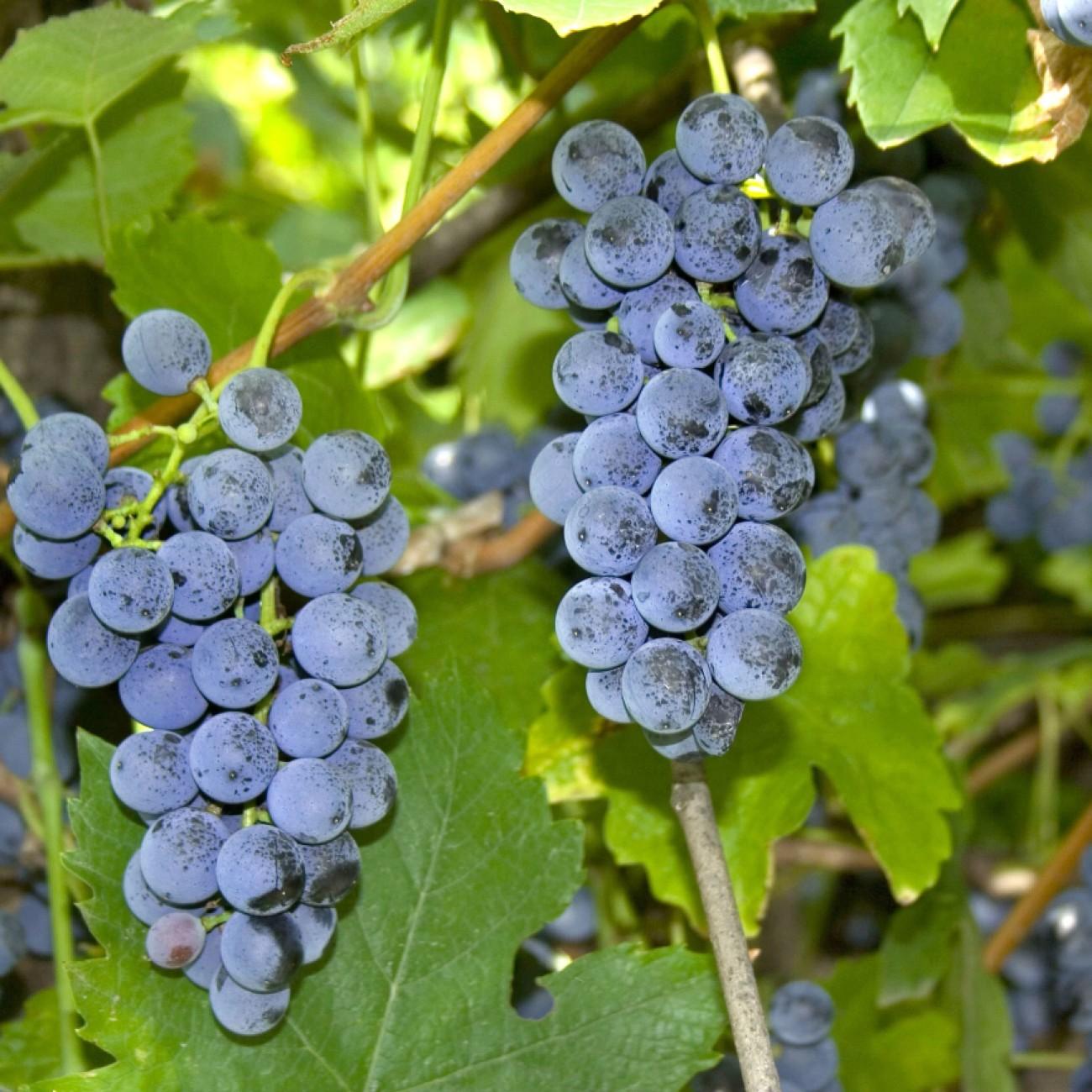
Plant Disease Identification: How to Spot Common Issues and Prevent Spread
Learn step-by-step plant disease identification to spot fungal, bacterial, and viral issues early, plus how to protect susceptible and disease-resistant plants in your space.
2026-06-24 · 9 min read
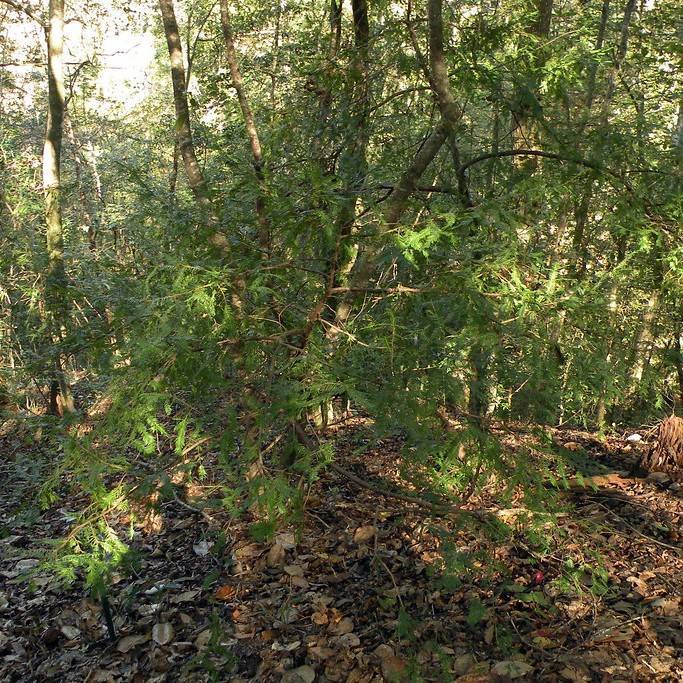
Trees in Florida Identification Guide: 7 Common Native and Cultivated Species to Spot
Identify trees across Florida with this practical guide: recognize key foliage, flower, and bark traits for common species found in yards, parks, and wild spaces.
2026-06-24 · 10 min read
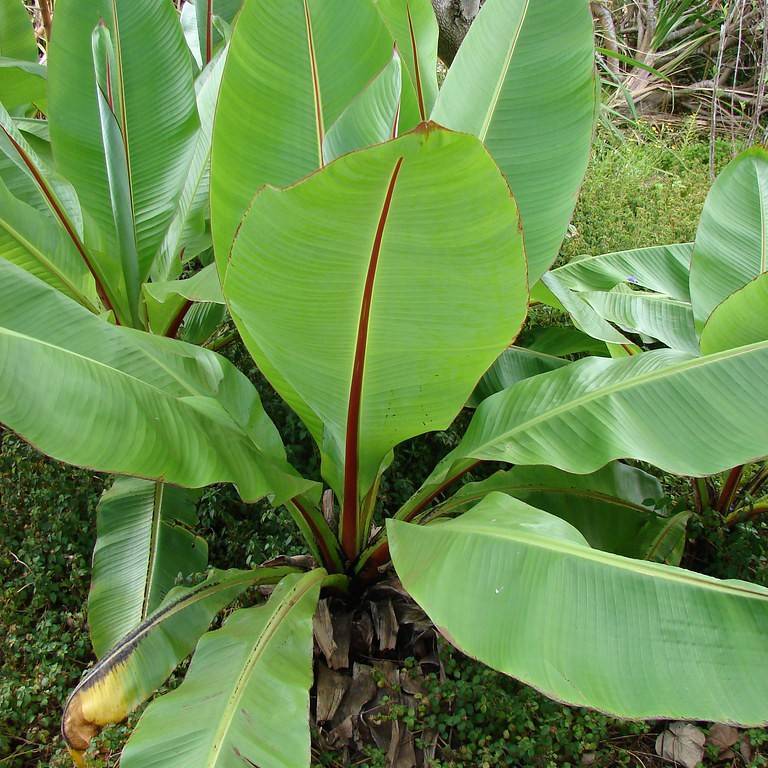
Tropical Plant Care Guide for California: Grow Thriving Tropicals Indoors & Out
Learn how to grow tropical plants in California’s varied climate, from indoor humidity tips to outdoor sun-tolerant varieties that thrive in Golden State conditions.
2026-06-24 · 12 min read