Cayenne Pepper: Benefits, Side Effects, Uses & Growing Guide
Learn all about cayenne pepper, including its nutritional benefits, potential side effects, culinary uses, and tips for growing your own Capsicum annuum at home.
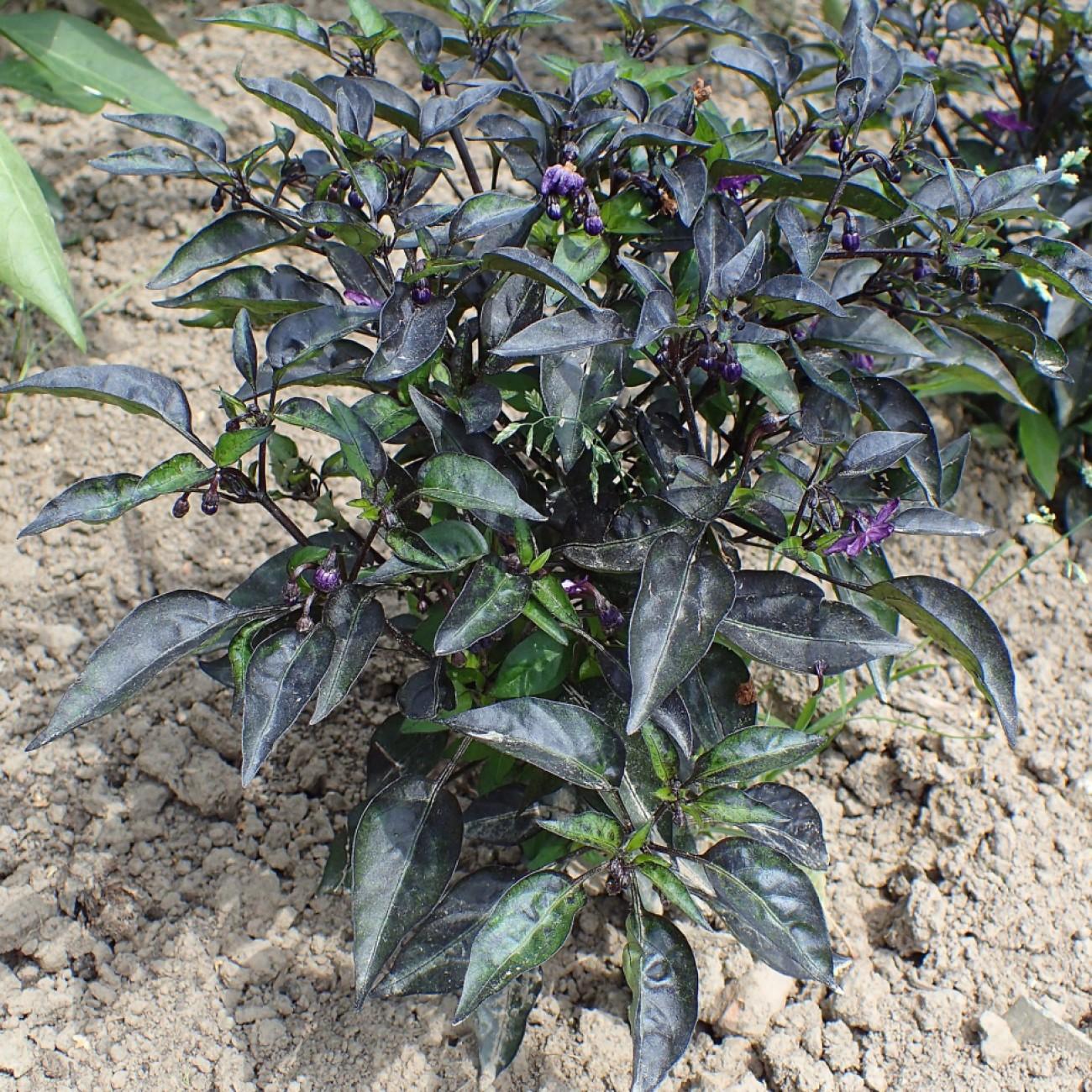
Cayenne pepper is a moderately hot Capsicum annuum chili, measuring 30,000 to 50,000 Scoville Heat Units (SHU). It is valued for its culinary versatility, evidence-backed nutritional benefits, and ease of home growing for new gardeners. It can be eaten fresh, dried into powder, or grown in containers for regular home harvests.
What Is Cayenne Pepper?
This chili is a Capsicum annuum variety in the nightshade family, recognizable by its bright red, slender 4 to 6 inch fruits and moderate heat. It is named for the Cayenne region of French Guiana, where Indigenous communities first cultivated the crop before it spread globally via trade routes. Mature plants grow 1 to 3 feet tall and thrive in full-sun, high-humidity outdoor conditions.
If you are sourcing seedlings or unlabeled seeds, Sproutly can help you distinguish this cultivar from lookalike hot pepper varieties with its visual identification tool, so you can be confident you are growing the exact crop you want. Its 30,000 to 50,000 SHU rating places it well below the much hotter habanero pepper and above the milder sweet bell pepper on the heat scale, making it accessible for most people who enjoy moderate spice.
Taxonomy and Etymology
This chili falls under the species Capsicum annuum, which also includes jalapeños, poblanos, and all common sweet and hot pepper varieties native to the Americas. Its common name derives from the Tupi word “kyinha,” the traditional term for the chili in the Indigenous language spoken in the Cayenne region of South America, where European colonizers first encountered the spice in the 15th century. The genus name Capsicum comes from the Greek word “kapto,” meaning “to bite,” a direct reference to the spicy burning sensation the fruits produce when eaten.
Unlike many common spice names that trace to European or Arabic origins, the etymology of this cultivar centers its Indigenous cultivation history, which predates European contact by thousands of years. It is classified as a vegetable for culinary purposes, though it is technically a fruit, as it develops from the plant’s flower and contains seeds. You can find more detailed classification information in our full cayenne pepper care guide encyclopedia entry.
Common Cultivars
While the standard cayenne is the most widely available variety sold in grocery stores, several specialized cultivars exist with slight variations in heat, size, and color for different culinary and growing uses. Common varieties include Purple Cayenne, which produces deep purple fruits that ripen to red and have a slightly higher SHU rating, and Thick Cayenne, which has fleshier pods ideal for drying and grinding into powder. The Numex Las Cruces cultivar is a milder option developed at New Mexico State University, with heat measuring just 10,000 to 15,000 SHU for those who prefer less spice.
When selecting a variety to grow at home, consider your intended use:
- Standard: Best for fresh use, pickling, and general cooking
- Thick: Best for drying and making homemade spice powder
- Purple: Best for ornamental container growing and added color in dishes
- Numex Las Cruces: Best for people sensitive to high levels of spice
History of Use
Archaeological evidence shows this chili was cultivated in Central and South America as early as 7,000 BCE, with Indigenous communities using it both for culinary and medicinal purposes, including as a pain reliever and digestive aid. After Christopher Columbus brought chili peppers back to Europe in the late 15th century, the crop spread to Africa, Asia, and the Middle East via trade routes, becoming a staple in cuisines from Indian curries to West African jollof rice. It was first introduced to North America by Spanish colonizers in the 16th century.
Traditional medicinal use spans multiple cultures: South American communities used it to treat toothaches and sore throats, Traditional Chinese Medicine practitioners used it to improve blood circulation, and 19th century American herbalists included it in remedies for colds and digestive issues. Today, it is most widely used as a culinary spice, though capsaicin extracts from the fruit are common ingredients in over-the-counter pain relief creams.
Nutritional Profile
One teaspoon (1.8 grams) of ground cayenne contains 6 calories, 0.3 grams of protein, 1 gram of carbohydrates, and 0.2 grams of fat, plus 3% of your daily recommended value of vitamin A, 2% of vitamin C, and small amounts of potassium, iron, and capsaicin, the active compound responsible for its heat and many of its health benefits. It is naturally low in sodium, cholesterol, and added sugars, making it a nutrient-dense way to add flavor to dishes without excess calories.
Even in small, regular culinary doses, this chili contributes small but meaningful amounts of micronutrients that support overall health: vitamin A supports eye health and immune function, vitamin C supports collagen production and immune response, and potassium supports heart and muscle function. Unlike many processed spice blends that include added salt, sugar, or anti-caking agents, plain ground or fresh pods have no hidden additives.
Key Health Benefits
The capsaicin in cayenne is linked to a range of evidence-backed health benefits, from improved metabolic function to reduced inflammation. Studies show consuming capsaicin may boost resting metabolic rate by 50 to 100 calories per day for several hours after eating, supporting healthy weight management goals. It also stimulates the production of digestive enzymes, improving gut function and reducing symptoms of indigestion, and may support heart health by reducing blood pressure and LDL (bad cholesterol) levels when consumed regularly as part of a balanced diet.
Additional research suggests capsaicin has anti-inflammatory properties that may reduce joint pain and muscle soreness when applied topically, and may help clear nasal congestion when consumed in small amounts during colds or sinus infections. All benefits are associated with regular, moderate consumption as part of a varied, nutrient-dense diet; this chili is not a replacement for prescribed medications or evidence-based health interventions. Always consult a doctor before using it for medicinal purposes, particularly if you take blood pressure medications or blood thinners.
Potential Side Effects
While this chili is safe for most people in typical culinary amounts, excessive consumption may cause mild side effects, particularly for people with sensitive digestive systems. Common side effects include heartburn, stomach pain, and irritation of the mouth, throat, or digestive tract, especially when eaten raw in large quantities. People with irritable bowel syndrome (IBS) or acid reflux may want to limit their intake to avoid triggering symptoms, and topical capsaicin products may cause skin irritation in people with sensitive skin.
To minimize risk of side effects, start with small amounts of the spice if you are new to eating spicy food, and avoid consuming it on an empty stomach if you have a sensitive gut. If you experience persistent stomach pain, difficulty swallowing, or severe skin irritation after contact with the fruit, contact a medical provider immediately.
Culinary Uses
This chili is a versatile spice used in cuisines worldwide to add heat and depth to both savory and sweet dishes. It is a common ingredient in hot sauces, chili powders, spice blends like curry powder and Cajun seasoning, and is often used to add a kick to soups, stews, marinades, and even some chocolate desserts. Dried and ground cayenne can be sprinkled directly onto dishes, while fresh pods can be sliced and added to salsas, stir fries, or pickled for long-term storage.
If you grow your own plants, you can dry the fruits in a dehydrator at 135°F for 6 to 8 hours to make homemade powder, or string them up to air dry in a cool, dry location for 2 to 3 weeks. A little goes a long way: start with 1/4 teaspoon of ground spice per serving of food, and adjust to taste to avoid making dishes too spicy. For a milder flavor, remove the seeds and inner white membranes from fresh pods before using, as these parts contain the highest concentration of capsaicin.
How to Grow It at Home
This chili is a low-maintenance, pet-safe vegetable plant that grows best in USDA hardiness zones 9 through 11, though it can be grown as an annual in cooler zones or in containers that can be moved indoors during frost. Plant seeds indoors 8 to 10 weeks before the last expected frost date, transplant seedlings outdoors once soil temperatures reach at least 65°F, and place plants in a location that receives 6 to 8 hours of full sun per day. Water plants deeply once every 3 to 4 days, allowing the top 1 to 2 inches of soil to dry out between waterings, and fertilize with a balanced 10-10-10 fertilizer every 4 to 6 weeks during the growing season.
To support healthy fruit production, pinch off early flower buds for the first 2 to 3 weeks after transplanting to encourage the plant to develop a strong root system before putting energy into fruit. Stake taller varieties to keep heavy fruit-laden branches from breaking, and monitor for common pests like aphids and spider mites, which can be treated with a gentle neem oil spray. Sproutly can send you custom care reminders for your plants to help you avoid overwatering or underfertilizing, and can help you diagnose pest or disease issues early if you notice unusual leaf discoloration or stunted growth.
Frequently Asked Questions About Cayenne Pepper
How much cayenne pepper is safe to eat per day?
Most people can safely consume up to 1 teaspoon (1.8 grams) of ground cayenne pepper per day as part of a regular diet. If you are new to eating spicy foods, start with smaller amounts (1/4 to 1/2 teaspoon per day) to avoid digestive irritation.
Is cayenne pepper pet-safe?
Cayenne pepper is non-toxic to dogs and cats in small, accidental amounts, though eating large quantities may cause temporary digestive upset like vomiting or diarrhea. Avoid feeding cayenne pepper to pets intentionally, and keep spicy dishes containing cayenne out of their reach.
What is a good substitute for cayenne pepper?
If you don’t have cayenne pepper, you can substitute an equal amount of paprika for mild heat, or crushed red pepper flakes or jalapeño powder for a similar level of spiciness. For a smoky flavor, use chipotle powder in a 1:1 ratio.
How long does it take for cayenne pepper to ripen?
Cayenne pepper fruits take 70 to 80 days to fully ripen from transplant, turning from pale green to bright red when ready to harvest. You can pick them early while still green for a milder flavor, or leave them on the vine to fully ripen for maximum heat and sweetness.
Does cayenne pepper help with weight loss?
The capsaicin in cayenne pepper may boost metabolic rate and reduce appetite slightly, which can support weight loss efforts when combined with a balanced diet and regular exercise. It is not a standalone weight loss solution, however.
Try Sproutly
Whether you are growing cayenne pepper at home for the first time or want to identify unknown hot pepper varieties in your garden, Sproutly’s plant identification and care tracking tools make plant care simple. Snap a photo of any plant to confirm its identity, get custom watering and fertilizing reminders tailored to your specific plants, and troubleshoot common issues like pests or nutrient deficiencies. Sign up for Sproutly today to start growing your best garden yet.
延伸閱讀
你可能也會喜歡這些指南

Delphinium Elatum: Care, Cultivars, Toxicity, and Growing Guide
Learn how to grow and care for Delphinium elatum, including sun, water, and soil needs, popular cultivars, and toxicity warnings for home gardeners.
2026-07-31 · 16 min read
Games for Plants: Plant-Focused Video Games and Real-World Activities for Plant Lovers
Explore games for plants, from cozy plant-themed video games to low-lift real-world activities you can do with your houseplants to boost their health and your joy.
2026-07-31 · 17 min read

Common Ivy (Hedera Helix): Identification, Care, Uses, and Invasive Status
Learn all about common ivy, including key identification traits, indoor and outdoor care tips, common cultivars, and where it is classified as an invasive species.
2026-07-30 · 16 min read