Asclepias Milkweed: Types, Growing Tips, and Monarch Conservation Benefits
Learn how to grow and care for asclepias milkweed, the essential host plant for monarch butterflies, plus popular species, uses, and planting best practices.
Asclepias Milkweed: Types, Growing Tips, and Monarch Conservation Benefits
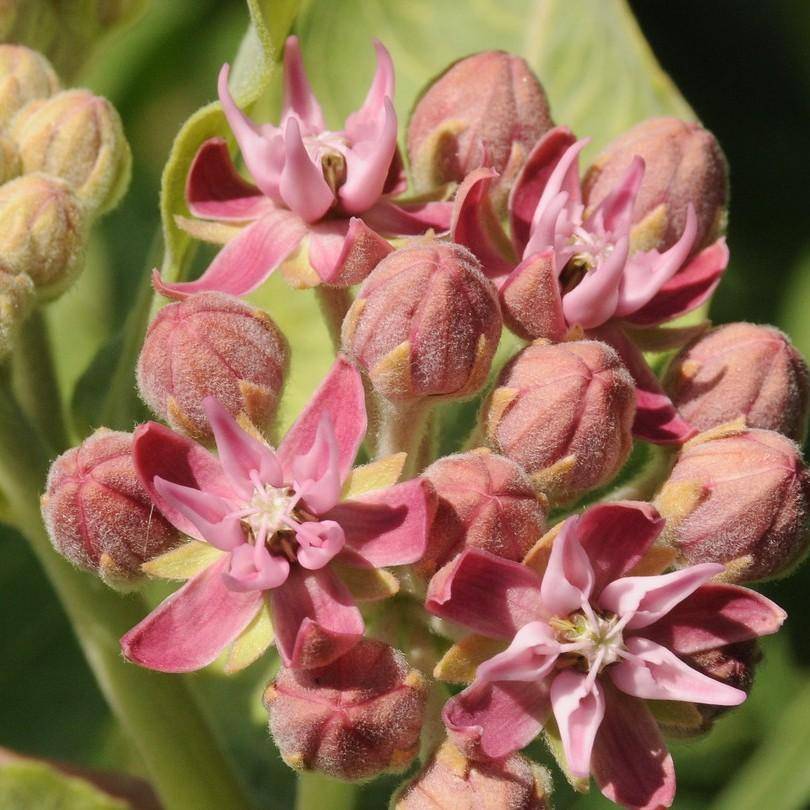
Asclepias milkweed is a genus of North American native perennial plants, best known as the only host plant for monarch butterfly caterpillars. Most varieties are drought-tolerant, pet-safe, and adapted to a wide range of growing conditions, making them a functional addition to home gardens and wild landscapes alike.
What is Asclepias Milkweed?
Asclepias milkweed is a genus of herbaceous and woody perennial plants native to North America, defined by their milky sap, clustered flowers, and unique seed pods that release fluffy, wind-dispersed seeds. All asclepias milkweed species are non-toxic to dogs and cats, and most are drought-tolerant once established.
Most species grow in USDA hardiness zones 3–9, though specific range varies by variety. Key identifiers include the thick, white sap that exudes from broken stems or leaves, and the distinctive seed pods that split open in fall to release seeds attached to silky, hair-like filaments called coma. If you encounter a plant you suspect is milkweed but want to confirm, the Sproutly app can verify its identity with a quick photo scan, and flag any lookalike species that may be toxic or non-native.
Etymology of the Asclepias Genus Name
The genus name Asclepias is derived from Asclepius, the Greek god of medicine, referencing the long history of medicinal use for milkweed species across Indigenous North American communities. The common name “milkweed” refers to the thick, white sap that oozes from stems or leaves when damaged, a trait unique to the asclepias genus.
Indigenous groups across the continent used asclepias milkweed sap to treat warts, ringworm, and minor skin irritations, while tough stem fibers were processed into cordage, netting, and even fabric. Modern growers should exercise caution when handling broken stems, as the sap can cause mild skin irritation in people with sensitive skin, though it is not toxic in small quantities.
Key Traits of Asclepias Milkweed Flowers
Asclepias milkweed flowers grow in dense, rounded clusters called umbels, with each individual flower featuring a unique five-petal, five-hood structure that produces high-nectar pollen for pollinators. Bloom times range from late spring to early fall depending on the species, with colors including pink, purple, white, green, and orange.
The unique hooded structure of the flower contains small, waxy pollen sacs called pollinia, which attach to the legs of visiting bees, butterflies, and moths to be carried to other plants. Unlike most flowering plants, milkweed does not produce loose pollen grains, so it does not trigger seasonal allergies for most people. Fourleaf milkweed is one of the earliest blooming varieties, often flowering in late May, while prairie milkweed blooms as late as August, extending the nectar supply for pollinators through the end of the growing season.
Common North American Asclepias Milkweed Species
There are over 100 recognized asclepias milkweed species native to North America, with 8 widely available for home garden planting across most hardiness zones. Each species is adapted to specific growing conditions, from dry prairies to wet swamp edges, so matching the species to your local climate is key for success.
Below are the most widely cultivated varieties, with their preferred growing conditions:
- common milkweed (Asclepias syriaca): The most widespread species, adapted to dry, average soil and full sun. Spreads via rhizomes and self-seeding, making it ideal for large, naturalized areas. Grows 3–5 feet tall, with pale pink blooms in mid-summer.
- swamp milkweed (Asclepias incarnata): Thrives in moist, even wet soil, and is a good choice for rain gardens or low-lying areas. Grows in clumps 2–4 feet tall, with bright pink blooms from mid to late summer. Does not spread aggressively.
- showy milkweed (Asclepias speciosa): Adapted to dry, well-drained soil in western North America. Grows 2–4 feet tall, with large, fragrant pink and white blooms in mid-summer. Clumping growth habit works well for formal garden beds.
- Purple milkweed (Asclepias purpurascens): Thrives in average, well-drained soil and full sun, with deep purple blooms in mid-summer. Grows 2–3 feet tall, and is less aggressive than common milkweed.
- Fourleaf milkweed (Asclepias quadrifolia): The most shade-tolerant variety, adapted to partial sun and dry, rocky soil. Grows 1–2 feet tall, with pale pink blooms in late spring.
- Green milkweed (Asclepias viridis): Adapted to dry, sandy or clay soil in the southern U.S. Grows 1–2 feet tall, with greenish-white and purple blooms in late spring.
- Tallgrass prairie milkweed (Asclepias sullivantii): Native to Midwest tallgrass prairies, thrives in moist, fertile soil and full sun. Grows 2–3 feet tall, with soft pink blooms in mid-summer.
- Prairie milkweed (Asclepias hirtella): Adapted to dry, sandy prairie soil in the central U.S. Grows 1–3 feet tall, with dense clusters of greenish-white blooms in mid to late summer.
Asclepias Milkweed Ecology and Habitat
Asclepias milkweed grows natively in a wide range of habitats, including prairies, meadows, wetland edges, roadsides, and open woodlands, depending on the species. Most varieties require full sun (6+ hours of direct light daily) to thrive, with the exception of shade-tolerant species like fourleaf milkweed.
Most species prefer a soil pH between 5.5 and 7.5, though some, like green milkweed, can tolerate more alkaline clay soils. Drought tolerance varies by species: prairie and common milkweed can survive 4+ weeks without rain once established, while swamp milkweed requires consistent moisture to thrive. Beyond supporting monarchs, milkweed nectar feeds native bees, honeybees, hummingbirds, and a range of beneficial predatory insects that control garden pests like aphids and caterpillars.
Asclepias Milkweed and Monarch Butterfly Conservation
Asclepias milkweed is the only host plant for monarch butterfly caterpillars, which cannot eat any other foliage to complete their life cycle. Widespread habitat loss has reduced asclepias milkweed populations by 21% across the U.S. since 1990, contributing to a 80% decline in monarch numbers over the same period.
Home gardeners can support monarch recovery by following these actionable steps:
- Plant only asclepias milkweed species native to your region, as non-native tropical milkweed can spread parasites that harm monarchs. Sproutly can recommend native varieties tailored to your zip code for the best conservation impact.
- Avoid all pesticide use on or near milkweed plants, as even organic insecticides can kill monarch caterpillars and adult butterflies.
- Leave milkweed stems intact over winter, as they provide shelter for native bee nests and overwintering pollinator eggs. Cut stems back only in early spring, once temperatures stay consistently above 50°F.
- Harvest excess milkweed seeds in fall to share with local conservation groups or seed libraries, to expand native milkweed populations in your area.
How to Plant and Grow Asclepias Milkweed
Asclepias milkweed grows best when planted from seed in late fall (for natural cold stratification) or early spring, after seeds have been chilled in a refrigerator for 30–60 days to break dormancy. Plant seeds 1/4 inch deep in well-draining soil, spaced 18–24 inches apart to accommodate mature root systems.
Water newly planted seeds or transplants with 1 inch of water per week for the first growing season, to help roots establish deep in the soil. Once mature, most varieties require no supplemental watering except during extended dry periods of 2+ weeks without rain. No supplemental fertilizer is needed for most species, as excess nitrogen can promote leaf growth over blooms and reduce the nutritional value of foliage for monarch caterpillars. For potted milkweed, use a well-draining potting mix without added fertilizer, and choose a container at least 12 inches deep to accommodate the plant’s long taproot.
Common Asclepias Milkweed Pests and Problems
The most common pest affecting asclepias milkweed is the oleander aphid, a small yellow insect that clusters on stems and new growth, sucking sap and stunting plant growth if left untreated. Other issues include root rot from overwatering (especially for drought-tolerant varieties) and poor bloom production from too much shade.
For organic pest control, start by spraying aphids off the plant with a strong stream of water, which removes most colonies without harming caterpillars or beneficial insects. For persistent infestations, introduce ladybugs to the garden, as they feed exclusively on aphids and will not damage milkweed or caterpillars. Root rot can be prevented by planting drought-tolerant varieties in well-draining soil, and avoiding overwatering once plants are established. If your milkweed fails to bloom, first confirm it is receiving at least 6 hours of direct sun daily, and avoid adding fertilizer, which can inhibit flower production.
Uses for Asclepias Milkweed
Beyond pollinator support, asclepias milkweed has a long history of medicinal and practical use, with Indigenous communities using the sap to treat warts and the tough stem fibers to make cordage and fabric. Modern uses include cut flower arrangements (the long-lasting clusters hold up well in vases) and natural landscaping for low-maintenance, drought-tolerant yards.
When harvesting milkweed for cut flowers, sear the cut end of the stem with a lighter or boiling water for 10 seconds to prevent sap from leaking into the vase water, which can shorten the life of other flowers in the arrangement. The fluffy seed coma was used historically as a filler for life jackets and pillows, due to its natural buoyancy and insulating properties. If you harvest seeds for sharing or replanting, wait until the seed pods turn brown and start to split open, to ensure seeds are fully mature.
Frequently Asked Questions About Asclepias Milkweed
Is asclepias milkweed safe for pets?
Yes, all verified asclepias milkweed species are non-toxic to dogs and cats, so they are a safe choice for yards accessible to pets. The milky sap may cause mild skin irritation in some people, but it is not poisonous if ingested by animals in small quantities.
When is the best time to plant asclepias milkweed seeds?
The best time to plant asclepias milkweed seeds is late fall, which allows natural cold stratification over winter to break seed dormancy. If planting in spring, chill seeds in a sealed plastic bag with damp paper towels in the refrigerator for 30–60 days first to mimic winter conditions.
How often do I need to water asclepias milkweed?
Water newly planted asclepias milkweed with 1 inch of water per week for the first growing season to help roots establish. Once mature, most drought-tolerant varieties only need watering during periods of 2+ weeks without rain, while humidity-loving species like swamp milkweed benefit from weekly watering in dry conditions.
Will asclepias milkweed spread in my garden?
Some asclepias milkweed species, like common milkweed, spread via underground rhizomes and self-seeding, so they may spread 2–3 feet wide over 2–3 growing seasons. Clumping varieties like swamp milkweed and showy milkweed do not spread aggressively, making them a better fit for small, contained garden beds.
Can I grow asclepias milkweed in a container?
Yes, clumping asclepias milkweed varieties like swamp milkweed and showy milkweed grow well in containers that are at least 12 inches deep and have drainage holes. Use a well-draining potting mix, place the container in full sun, and water when the top 2 inches of soil feel dry to the touch.
Try Sproutly for Customized Asclepias Milkweed Care
Whether you’re planting your first milkweed to support monarchs or expanding a native pollinator garden, Sproutly can help you keep your plants healthy. Scan a photo of your asclepias milkweed to confirm its exact species, get tailored care recommendations for your local climate, set watering reminders, and log growth to track bloom times and caterpillar activity. Visit heysproutly.com to download the app and start growing today.
延伸閱讀
你可能也會喜歡這些指南
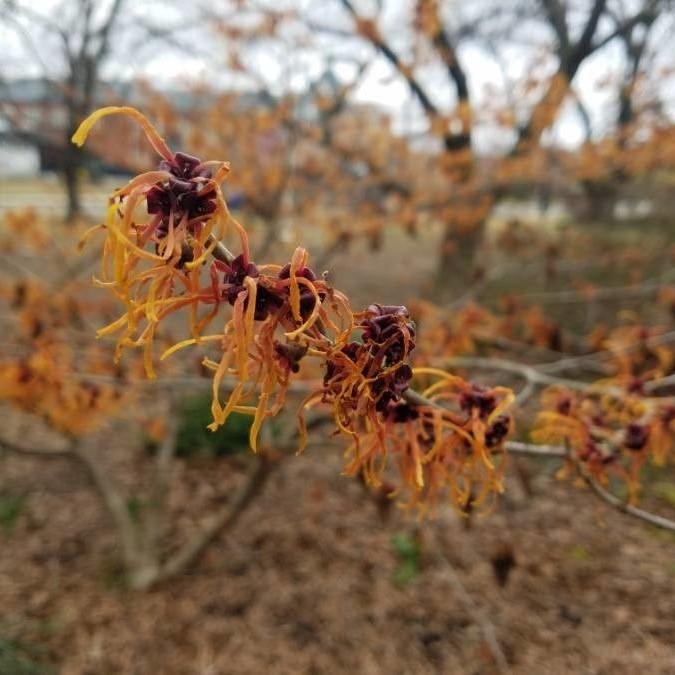
Hamamelis Mollis (Chinese Witch Hazel): Complete Grow & Care Guide
Learn to grow, care for, and enjoy Hamamelis mollis (Chinese witch hazel), a fragrant winter-blooming shrub with vibrant autumn foliage for temperate gardens.
2026-07-26 · 12 min read
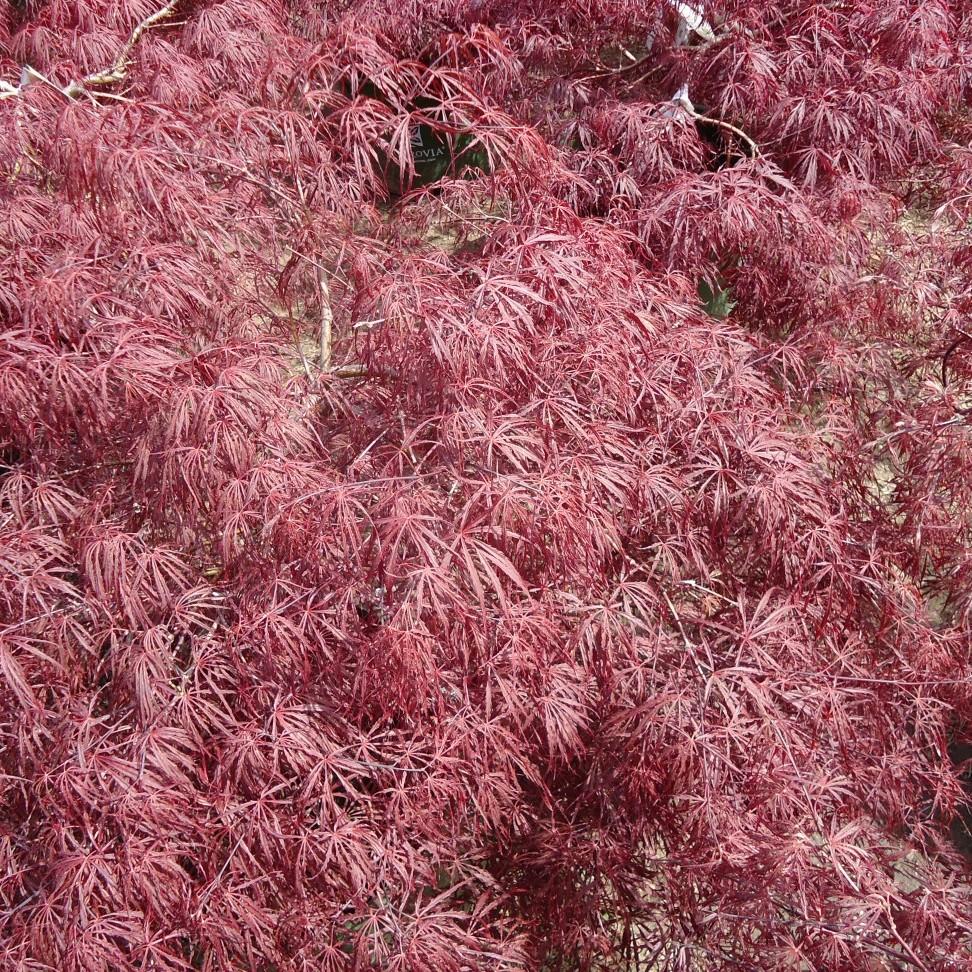
Japanese Maple Plant Description: Key Details for Iijima Sunago, Select Red, and Popular Cultivars
Get clear, beginner-friendly descriptions of Japanese maple trees, including specific details for Iijima Sunago and Select Red cultivars, plus care and pruning tips.
2026-07-26 · 8 min read
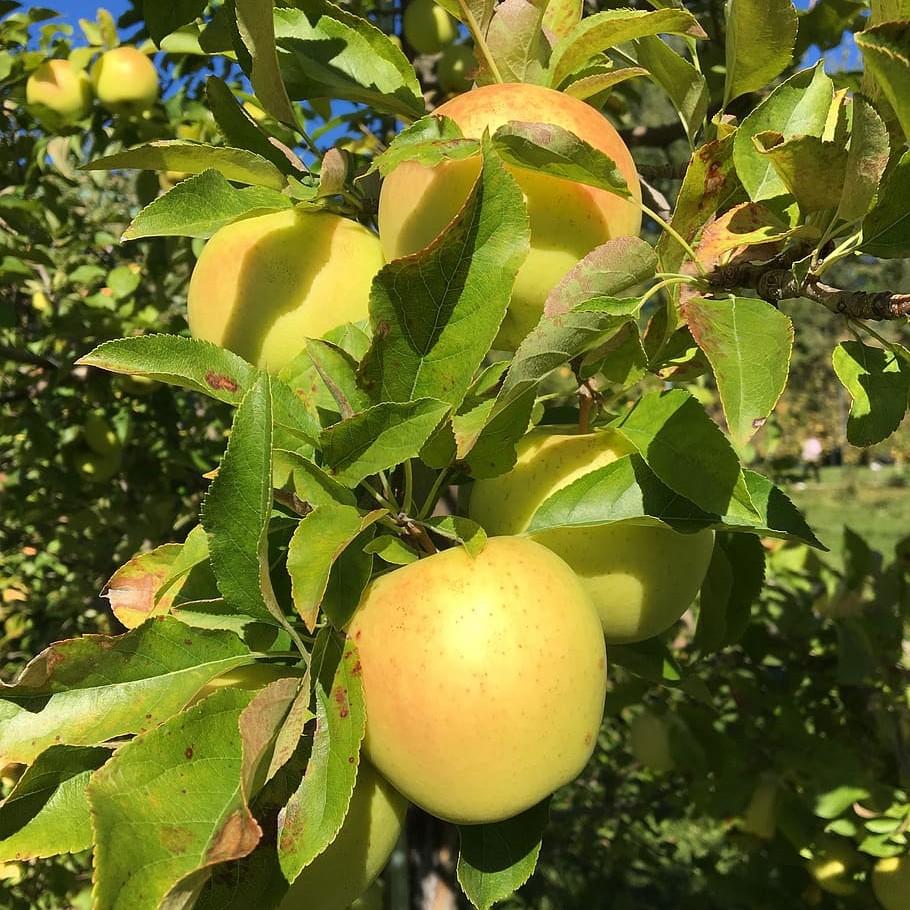
Flowering Crabapple: Grow Guide, Cultivars, and Landscape Uses
Learn to grow and care for flowering crabapple trees, with tips on cultivar selection, bloom care, disease resistance, and using their edible fruit and seasonal foliage.
2026-07-25 · 11 min read