App for Plant Health: How to Diagnose Issues and Keep Your Plants Thriving
Find out how an app for plant health takes the guesswork out of care, tells you what your plant needs, and helps new gardeners avoid common mistakes for free.

App for Plant Health: How to Diagnose Issues and Keep Your Plants Thriving
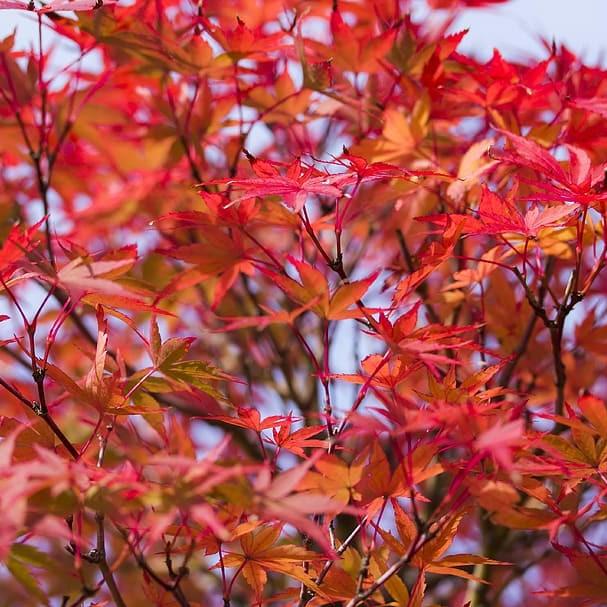
If you’ve ever stared at a browning Japanese maple in your yard, scrolling through generic plant care forums trying to figure out if you watered it too much or too little, you know how frustrating outdoor tree care can be for new growers. Generic guides rarely account for your specific hardiness zone, recent weather shifts, or the exact species you’re growing. An app for plant health cuts through that guesswork, delivering tailored guidance that helps you nurture your landscape trees without the stress of trial and error. Many options are available as a plant help app free to use for basic features, so you don’t need to invest in expensive tools or arborist visits for common care issues.
What Is an App for Plant Health, and Who Is It For?
A plant health app is a digital tool designed to help users identify plant species, diagnose stress or disease, and access customized care guidance specific to their plant’s needs. It works for all experience levels, from new gardeners picking their first outdoor landscape tree to seasoned growers troubleshooting unexpected leaf discoloration on a mature fir.
Unlike one-size-fits-all online guides, these tools tailor recommendations to the exact species you’re growing, factoring in traits like light requirements, humidity preferences, and common stress triggers. For beginners who may not know the difference between a Japanese maple and a red maple, the built-in identification features eliminate that initial barrier to proper care. Best of all, many options are available as a plant help app free to use for basic features, so you don’t need to pay to get reliable support for common issues.
Key Signs Your Plant Needs Help (and How an App Spots Them Fast)
Outdoor trees often show subtle signs of stress long before they experience severe, irreversible damage. Catching these red flags early can save you from losing a tree you’ve spent years nurturing. Common warning signs include:
- Yellowing or browning leaf edges
- Stunted new growth in the spring
- Dark spots or fuzzy mold on foliage
- Drooping branches that don’t perk up after rain
- Early leaf drop outside of the fall season
The problem with trying to diagnose these symptoms on your own is that many issues look identical at first glance. Brown leaf edges could be caused by under-watering, over-fertilizing, low humidity, or even sun scorch, and generic search results will often list all possible causes without helping you narrow down which one applies to your tree. An app that tells you what your plant needs can analyze photos of these symptoms to rule out irrelevant causes, using its database of species-specific traits to pinpoint the most likely issue in seconds. This is especially helpful for outdoor trees, where environmental factors like nearby overhanging plants, recent heat waves, or poor soil quality can all contribute to stress that’s hard to diagnose without context.
How to Use a Plant Health App for Outdoor Tree Care
Using these tools for landscape tree care is straightforward, even if you have no prior gardening experience. Follow this simple step-by-step process to get the most accurate results:
- Take clear, well-lit photos of the whole tree, close-ups of affected leaves, and any visible abnormalities on the bark or new growth. Avoid using flash, which can wash out leaf colors and make it harder for the app to spot symptoms.
- Upload the photos to the app for plant health for species identification and symptom analysis. Most tools will process the image in seconds to confirm what species you’re growing and flag any visible signs of stress.
- Review the customized care recommendations, which will include species-specific guidance for water, light, soil, and humidity needs, plus step-by-step fixes for any identified issues.
For example, if you upload a photo of a drooping Amur Maple, the app can confirm it is a humidity-loving, full-sun species and suggest if it needs more frequent watering during dry spells. You can then cross-reference those suggestions with our Amur Maple care guide for more detailed seasonal care tips. Sproutly is a helpful plant identification and care tool to streamline this process, with a large database of common landscape trees and clear, actionable care advice for beginners.
4 Common Tree Care Issues an App for Plant Health Can Help You Fix
Many common landscape tree issues are easy to resolve once you know the root cause, and you don’t need a paid arborist visit to fix most minor problems. Here are four specific issues these tools can help you troubleshoot for popular maple and fir varieties:
- Brown leaf edges on a Bloodgood Japanese Maple: The app may identify low humidity as the cause, and suggest deep watering 2-3 times a week during hot, dry weather, plus a 2-inch layer of mulch around the base of the tree to retain soil moisture. For more species-specific guidance, check our Bloodgood Japanese Maple care tips.
- Faded foliage on a Blue Spanish Fir: The app can confirm this species needs full sun to retain its signature silvery-blue needle color, and recommend trimming back overhanging plants that are blocking light. You can learn more about its soil and spacing needs in our Blue Spanish Fir growing guide.
- Stunted growth on a Coonara Pygmy Japanese Maple: The app may note it is a dwarf variety, so its small size is normal and not a sign of distress, or flag nutrient-poor soil as a fixable issue that can be addressed with a slow-release, balanced fertilizer in the spring.
- Early leaf drop on a Flame Amur Maple: The app can rule out common diseases and note this is often a temporary response to unexpected temperature swings, like a late spring frost or an unseasonable summer heat wave, and confirm no extra treatment is needed as long as new growth looks healthy the following season.
For all these common issues, a plant help app free to use can give you a clear answer in minutes, so you don’t waste time and money on unnecessary treatments or worry that your tree is dying when it’s just experiencing a temporary stress response.
How an App That Tells You What Your Plant Needs Saves You Time and Money
Caring for outdoor landscape trees can be a significant investment, both in terms of the upfront cost of the tree itself and the time you spend nurturing it as it matures. An app that tells you what your plant needs protects that investment in three key ways:
- Avoid expensive tree loss: Using the wrong care routine for a sensitive species like a Japanese maple can kill it in just a few seasons. Customized guidance ensures you’re meeting its specific needs, so you don’t accidentally damage or kill a tree that could add thousands of dollars to your property value.
- Skip unnecessary arborist visits: Arborists typically charge $100 or more for a single service visit, but most common care issues like under-watering or insufficient light are easy to fix on your own once you know the cause. These tools help you resolve minor issues yourself, and only recommend contacting a professional for rare or complex diseases that require expert attention.
- Stop wasting money on unneeded products: It’s common for new growers to buy generic fertilizers, pest treatments, or soil amendments when they see a stressed tree, but these products won’t help if the actual issue is too much shade or inconsistent watering. Targeted guidance ensures you only buy products that address the specific problem your tree is facing.
For new gardeners, these tools remove the guesswork of caring for even low-maintenance outdoor trees, so you can enjoy their seasonal foliage and shade without constant stress. Sproutly’s plant encyclopedia has detailed care guides for all popular outdoor tree varieties to pair with any diagnosis you get, so you have all the information you need in one place.
Tips for Getting the Most Accurate Results From Your Plant Health App
To get the most reliable guidance from your tool, follow these simple best practices every time you submit a photo for analysis:
- Take photos in natural, indirect light to avoid washed-out or shadowed leaves that can make it hard for the app to spot symptoms. Avoid taking photos in direct midday sun or after dark with a flash.
- Photograph multiple parts of the plant: Include shots of the full tree shape, the tops and undersides of affected leaves, and any visible bark damage or abnormal growth. This gives the app more data to work with for both identification and diagnosis.
- Input basic context like your hardiness zone and how long you’ve had the plant. A tree that was planted six months ago will have different care needs than a mature tree that’s been in your yard for 10 years.
- Update the app on any recent changes: Note if you’ve recently moved a potted tree, had a multi-week heat wave, applied a new fertilizer, or noticed pest activity in your yard. This context helps narrow down the cause of stress faster.
FAQ
Can a plant help app free to use accurately diagnose tree issues?
Many free plant health apps offer reliable guidance for common issues like under-watering, insufficient light, or low humidity. For rare or complex diseases, you may want to follow up with a local arborist to confirm the diagnosis.
Will an app that tells you what your plant needs work for outdoor landscape trees?
Yes, most apps for plant health cover a wide range of outdoor tree species, including maples, firs, and other common landscape varieties, with customized care guidance for their specific light, water, and humidity needs.
Do I need to know my plant’s species to use a plant health app?
No, most plant health apps include identification features that can name your plant from a photo, then pull up tailored care guidance and symptom troubleshooting for that exact species.
Can a plant health app tell me if a tree is safe for my pets?
Yes, many plant health apps include pet-safety details in their plant care entries, so you can confirm if a new tree you’re planting is non-toxic for dogs and cats before you add it to your yard.
Final Thoughts: Is a Plant Health App Right for Your Garden?
An app for plant health is a low-effort, high-reward tool for anyone growing outdoor trees, whether you have a single dwarf Japanese maple on your patio or a full landscape of firs and maples. It eliminates the guesswork of generic care guides, helps you catch stress early before it causes permanent damage, and saves you money on unnecessary arborist visits or care products. Many options are available as a plant help app free to use for basic features, so there’s no cost to test one out and see if it simplifies your care routine.
If you’re ready to stop guessing and start giving your trees the exact care they need, try Sproutly today. Our tool includes identification for all popular landscape tree varieties, clear symptom diagnosis, and customized care guidance tailored to your specific growing conditions. Try Sproutly now to upload a photo of your most finicky tree and get actionable advice in seconds.
延伸閱讀
你可能也會喜歡這些指南

12 Best Window Plants for Sun, Shade, and Every Exposure in Your Home
Find the perfect window plants for your home, whether you have a bright south-facing sill or a low-light north window. Our guide covers easy, low-maintenance picks for every space.
2026-05-13 · 8 min read

How Much Does It Cost to Plant a Tree? A 2024 Breakdown for Homeowners
Wondering how much it costs to plant a tree? We break down all cost factors, from tree type to labor, to help you budget for your landscape project.
2026-05-13 · 9 min read

Vine Identification by Leaf: A Simple Guide for Beginner Gardeners
Learn how to do vine identification by leaf using key traits like shape, texture, and arrangement to spot common ornamental and wild vines in your yard.
2026-05-13 · 10 min read