Trees with Pods Identification: A Simple Beginner’s Guide to Common Species
Learn easy, practical tips for trees with pods identification, plus key traits to look for to tell common pod-bearing tree varieties apart in your yard or neighborhood.
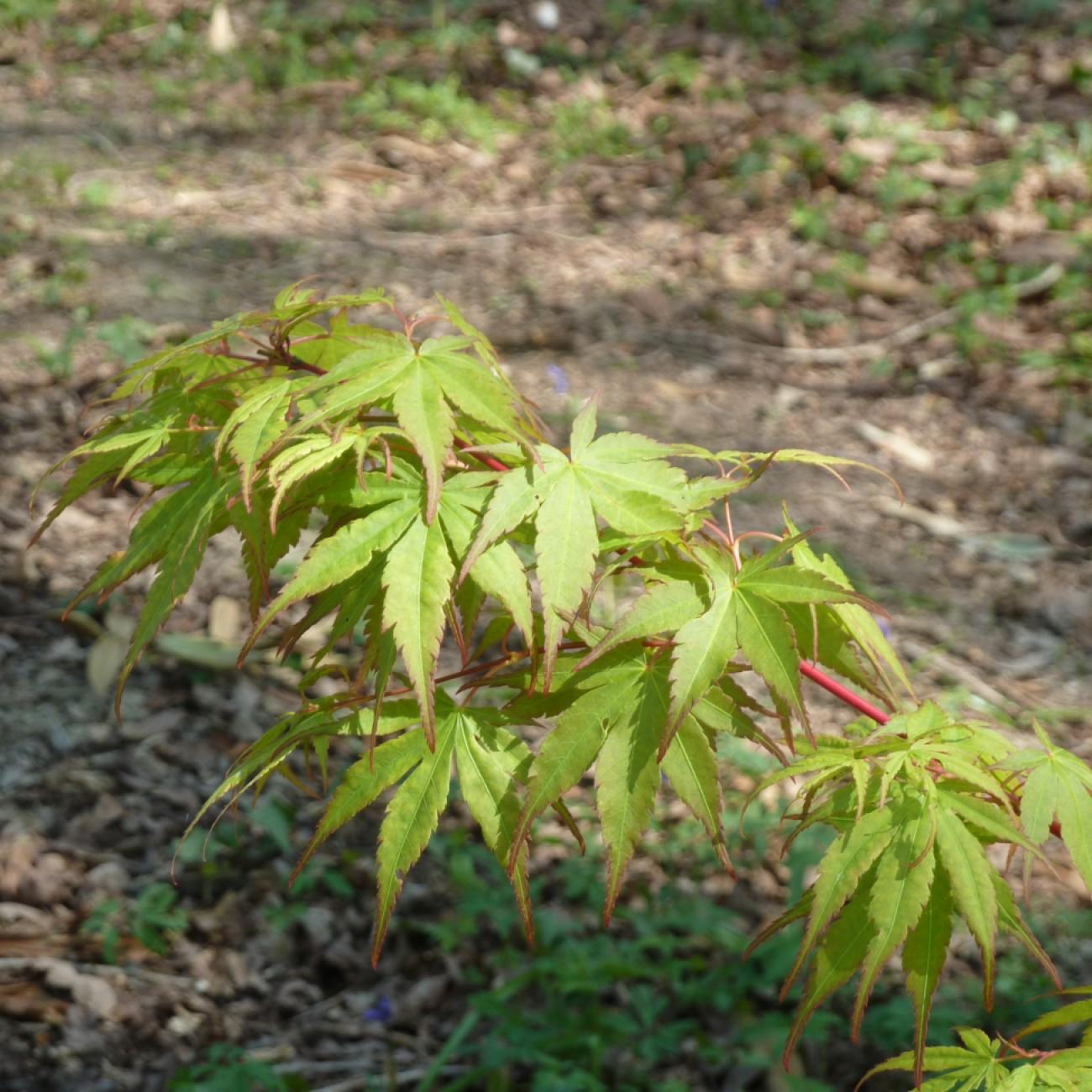
If you’ve ever walked around your neighborhood and noticed long, winged, or cone-shaped pods scattered underfoot, you’ve probably wondered what type of tree they came from. Trees with pods identification doesn’t have to require a degree in botany—with a few simple observations and knowledge of the most common temperate-region species, you can confidently name most pod-bearing trees in your yard or local park. This guide focuses on accessible, beginner-friendly steps, with special notes on pet-safe options and how to confirm tricky IDs when you’re stuck.
What to Look For First for Trees with Pods Identification
Every pod-bearing tree has unique traits that set it apart. Start with these two core observation steps to narrow down your options before you dive into species-specific details. Many ornamental species form distinctive pods after blooming, so if you're identifying showy landscape trees, our guide to Florida flowering trees identification pairs well with pod-based clues.
Key pod traits to note (size, shape, color, texture)
The pod itself will give you the biggest clues for a fast ID. Jot down these details as you observe:
- Shape: Is it flat and winged? Spiky and woody? Long and narrow like a bean?
- Size: Is it smaller than a dime, or as long as your hand?
- Color: Is it green (unripe), brown (mature), or a unique shade like red or tan?
- Growth pattern: Does it grow alone, in paired clusters, or in large groups?
- Texture: Is it papery and thin, or thick and woody?
For example, winged, paired pods almost always point to a maple tree, while upright, woody cones are a telltale sign of a fir tree.
Complementary tree features to pair with pod observations
While pods are a great starting point, pairing their traits with other tree features will make your ID far more accurate. Note these additional details:
- Foliage: Are leaves broad and lobed, or needle-like? Do they drop in fall, or stay green year-round?
- Bark: Is it smooth, furrowed, peeling, or corky?
- Growth habit: Is the tree short and shrubby, or tall and narrowly conical?
- Region: What is your USDA growing zone? Most pod-bearing trees only grow in specific climate ranges, so this will eliminate options that don’t grow near you.
Common Maple Trees with Seed Pods: How to Tell Them Apart
Nearly all maple trees produce paired, winged pods called samaras, often nicknamed “helicopter seeds” for the way they spin as they fall to the ground. While all maple samaras share this general shape, small differences in size, color, and wing angle can help you tell common species and cultivars apart.
Amur Maple (and Flame Amur Maple) pod identification tips
The Amur Maple is a small, shrubby maple popular for temperate-region landscaping, and its Flame Amur Maple cultivar is known for its bright red fall foliage. Their samaras are small, usually 1 to 1.5 inches long, with wings that form a nearly 90-degree angle where they meet. Ripe samaras are a warm reddish-brown, and they often stay attached to the tree well into early winter, long after the leaves have dropped.
If you spot these small, tightly angled samaras paired with lobed, 3-inch leaves that turn bright red in fall, you almost certainly have an Amur maple.
Japanese maple cultivar pod traits (Ao Shime No Uchi, Aoyagi, Arakawa, Butterfly, Crimson Prince)
Japanese maple cultivars are extremely popular for home landscapes, and their samaras have consistent traits that set them apart from Amur and other common maples. Their samaras are smaller than most other maple varieties, usually only 0.5 to 0.75 inches long, with wings that form a wider 120-degree angle when paired. Unripe samaras are often a pale green or light red, turning tan as they mature in late summer.
Specific cultivars may have subtle unique traits: the Arakawa Cork Bark Japanese Maple, for example, produces samaras that are slightly darker red when unripe, which pairs with its distinctive rough, corky bark to make identification even easier. All Japanese maples also have the classic lobed palmate leaves the species is known for, which can range from solid green to deep crimson or variegated depending on the cultivar.
Non-Maple Pod-Bearing Trees to Know: Fraser Fir
Not all pod-bearing trees have winged samaras. Conifers like the Fraser Fir produce woody, cone-shaped seed pods that are easy to identify once you know what to look for.
Fraser fir cone and seed pod key identification traits
Fraser firs are dense, evergreen conifers native to the Appalachian Mountains, and they are widely grown as landscape trees and Christmas trees across temperate regions. Their seed pods are upright, cylindrical cones that grow 2 to 3 inches long, with a distinct purplish-brown color when mature. The cone scales have a noticeable rounded, bracted tip that sticks out slightly from the edge of the scale, a trait unique to Fraser firs among common landscape conifers.
Unlike maple samaras, Fraser fir cones grow upright on the upper branches of the tree, and they often disintegrate while still attached to the branch to release their seeds, rather than falling to the ground whole.
How to distinguish fir seed pods from pine and spruce pods
If you find a woody cone and aren’t sure if it comes from a fir, pine, or spruce, use these simple rules to tell them apart:
- Fir cones: Grow upright on branches, have soft, rounded scales, and fall apart while still on the tree.
- Pine cones: Grow pointing downward on branches, have thick, woody, sharp-tipped scales, and fall to the ground whole when mature.
- Spruce cones: Grow pointing downward, have thin, flexible scales with a smooth edge, and are usually smaller than pine cones.
Pet-Safe Pod-Bearing Trees for Home Landscapes
If you have dogs or cats that love to nibble on yard debris, choosing pet-safe pod-bearing trees will give you peace of mind. All of the species listed in this guide are considered non-toxic to pets by the ASPCA, making them great options for home landscapes.
Which common pod-bearing trees are non-toxic for dogs and cats
All maple varieties, including Amur maple and all Japanese maple cultivars, are pet-safe, as are Fraser firs. Their seed pods are not toxic if ingested, though eating large amounts of any plant material can cause mild stomach upset in sensitive pets. If you’re planting a new pod-bearing tree in your yard, these species are low-risk options for pet owners.
What to do if your pet nibbles on tree seed pods
If your pet eats a small amount of seed pod from a tree you’ve confirmed is pet-safe, monitor them for mild signs of stomach upset like vomiting or diarrhea, which should resolve on their own within 24 hours. If you haven’t confirmed the tree’s identity, collect a sample of the pod and foliage, and contact your veterinarian for guidance. You can also use a plant identification tool to confirm the tree’s species fast to share with your vet.
Common Mistakes to Avoid During Trees with Pods Identification
Even with clear observation steps, it’s easy to make a mistake if you don’t account for these common pitfalls.
Confusing young seed pods with mature pods
Immature seed pods often look very different from their mature versions. For example, young Amur maple samaras are bright green and soft, while mature ones are reddish-brown and papery. Young Fraser fir cones are pale green and small, while mature ones are purplish-brown and full size. If you’re trying to identify a tree with unripe pods, wait a few weeks for the pods to mature, or focus on other traits like foliage and bark to make your ID.
Ignoring seasonal changes to pod appearance
Pods change appearance throughout the year, and many trees drop their pods entirely after they release their seeds. Maple samaras are most visible in late summer and early fall, while Fraser fir cones mature in late fall. If you can’t find any pods on a tree you suspect is pod-bearing, check the ground under the tree for leftover mature pods from the previous growing season, or wait until the tree’s typical pod-producing season to observe fresh samples.
How to Confirm Tricky Tree Pod IDs Fast
If you’ve taken notes on pod traits and complementary tree features and still aren’t sure what species you’re looking at, use these steps to confirm your ID quickly.
Using photo identification tools to verify unknown pod-bearing trees
Photo identification tools make confirming tricky pod IDs much easier for beginners. The Sproutly app lets you snap a photo of the pod, foliage, bark, or full tree, and it will cross-reference your image with its extensive plant database to give you a list of possible matches. You can then compare the app’s suggestions with your observed traits to confirm the exact species.
Cross-referencing pod traits with regional growing zone data
Even if a pod looks like a perfect match for a specific species, confirm that the tree can grow in your USDA growing zone. For example, Fraser firs only grow in zones 4 to 7, so if you find a fir-like cone in zone 9, it’s almost certainly a different conifer species. Most plant databases, including the Sproutly app, include growing zone information for every species to help you narrow down matches that make sense for your region.
Next Steps After Identifying Your Pod-Bearing Tree
Once you’ve confirmed your tree’s identity, you can take steps to care for it properly, or decide if it’s a good fit for your landscape. If you have a pet-safe variety like Amur maple or Fraser fir, you can rest easy knowing fallen pods won’t pose a risk to your animals. If you’re planning to add new pod-bearing trees to your yard, you can use your new identification skills to select varieties that will thrive in your specific growing conditions.
Frequently Asked Questions
What is the easiest way to start trees with pods identification?
Start by noting the pod’s size, shape, and whether it grows in clusters or alone. Pair that with observations of the tree’s foliage (for example, maple trees have distinctive lobed leaves that pair with winged samara pods) to narrow down your options fast.
Do all maple trees have the same type of seed pod?
Nearly all maple trees produce winged samara pods (often called helicopter seeds), but the size, color, and angle of the wings can vary between species and cultivars, which can help you tell different maple varieties apart during identification.
Are the seed pods from common landscape pod-bearing trees toxic to pets?
All the pod-bearing maple varieties and Fraser firs listed in this guide are considered pet-safe, but it’s always a good idea to monitor pets around tree debris and confirm the specific species of any unknown tree in your yard if you have curious pets.
Can I identify a tree from just its seed pod?
Sometimes, but you’ll get a more accurate ID if you pair pod observations with other tree traits like leaf shape, bark texture, and overall size. If you’re stuck, the Sproutly app can help you confirm an ID using a photo of the pod, leaves, or full tree.
Ready to identify the pod-bearing trees in your yard? Try Sproutly today to fast-track your IDs and get personalized care tips for every tree in your landscape. Try Sproutly
Похожие статьи
Ещё руководства, которые вам понравятся
Wild Flower Names: 8 Common, Distinct Species to Identify and Grow
Learn common wild flower names, key identifying traits, and growing tips for popular native and ornamental species perfect for pollinator gardens and low-maintenance landscapes.
2026-06-24 · 10 min read
Watermelon: Complete Growing, Nutrition, and Usage Guide
Learn how to grow watermelon, plus its nutrition, health benefits, varieties, and potential side effects in this comprehensive, beginner-friendly guide.
2026-06-23 · 12 min read
8 Unique Plant Species to Grow in Full-Sun Outdoor Spaces (All Pet-Safe)
Explore low-fuss, pet-safe plant species for full-sun outdoor gardens, from trailing groundcovers to flowering shrubs that thrive with minimal upkeep.
2026-06-23 · 8 min read