10 Stunning Leaf Pictures for Stock Photography: Top Species to Capture
Discover beautiful leaf pictures for stock photography, including popular plant species, lighting tips, and how to identify unique leaves for your next shoot.
10 Stunning Leaf Pictures for Stock Photography: Top Species to Capture
Leaf pictures are a consistent top performer on stock photography platforms, and for good reason. Their versatility makes them a go-to asset for designers, marketers, and content creators across industries. Unlike more niche subject matter, foliage imagery works for everything from wellness blog headers to product packaging, social media graphics to website backgrounds. The broad appeal means a well-captured shot can generate passive income for years after you take it.
Many stock buyers prioritize foliage that feels either timeless or aligned with current design trends, so targeting high-demand species and versatile compositions is key to standing out in crowded marketplace libraries. This guide breaks down the best species to shoot, how to capture marketable shots, and how to make sure your imagery gets found by potential buyers.
Why Leaf Pictures Are So Popular for Stock Photography
Foliage imagery fills a unique gap in stock libraries, as it works for both specific and general use cases. A bright, simple shot of a single leaf can be used as a background for a skincare ad, a graphic element for a gardening brand, or a header for a sustainability article. Unlike photos of people or branded products, foliage rarely feels dated, so it has a long shelf life on stock platforms.
Another key draw is accessibility. You don’t need a remote location or expensive props to capture high-quality leaf pictures. Many top-performing shots are taken in backyards, local parks, or even home houseplant collections, making this a low-barrier niche for new stock photographers to break into. Buyers also constantly seek fresh, unique foliage options to avoid the overused shots that saturate most platforms, so there is always room for new contributors.
Top 6 Plant Species for Standout Leaf Photos
When building your stock portfolio, prioritize species with distinct textures, colors, or cultural relevance that are frequently searched by buyers. These six species consistently perform well across stock platforms:
Big Leaf Maple Native to western North America, this species produces massive, broad leaves with deep, defined veins that look stunning in backlit natural light. Fall foliage in shades of bright gold and burnt orange is especially high-demand for seasonal content, while fresh spring green leaves work for year-round sustainability and outdoor-themed projects. The large size of the leaves makes them perfect for both wide landscape shots and tight close-ups focused on texture.
Ever Red Lace-Leaf Japanese Maple With finely cut, lacy foliage in rich crimson and burgundy shades, this species adds a dramatic, elegant touch to any shot. The delicate texture of the leaves stands out against neutral backgrounds, making these shots popular for luxury brand content, wedding design assets, and seasonal fall graphics. The color shifts slightly through the seasons, ranging from bright red in spring to deeper burgundy in summer, giving you multiple unique looks to capture from the same plant.
Fiddle-leaf fig A staple of modern interior design, fiddle-leaf fig foliage is in constant demand for home decor, lifestyle, and wellness content. The large, glossy, violin-shaped leaves look great in both styled indoor shots and clean cutouts against white backgrounds. Buyers often search for this foliage for use in mockups, home organization content, and plant care resources.
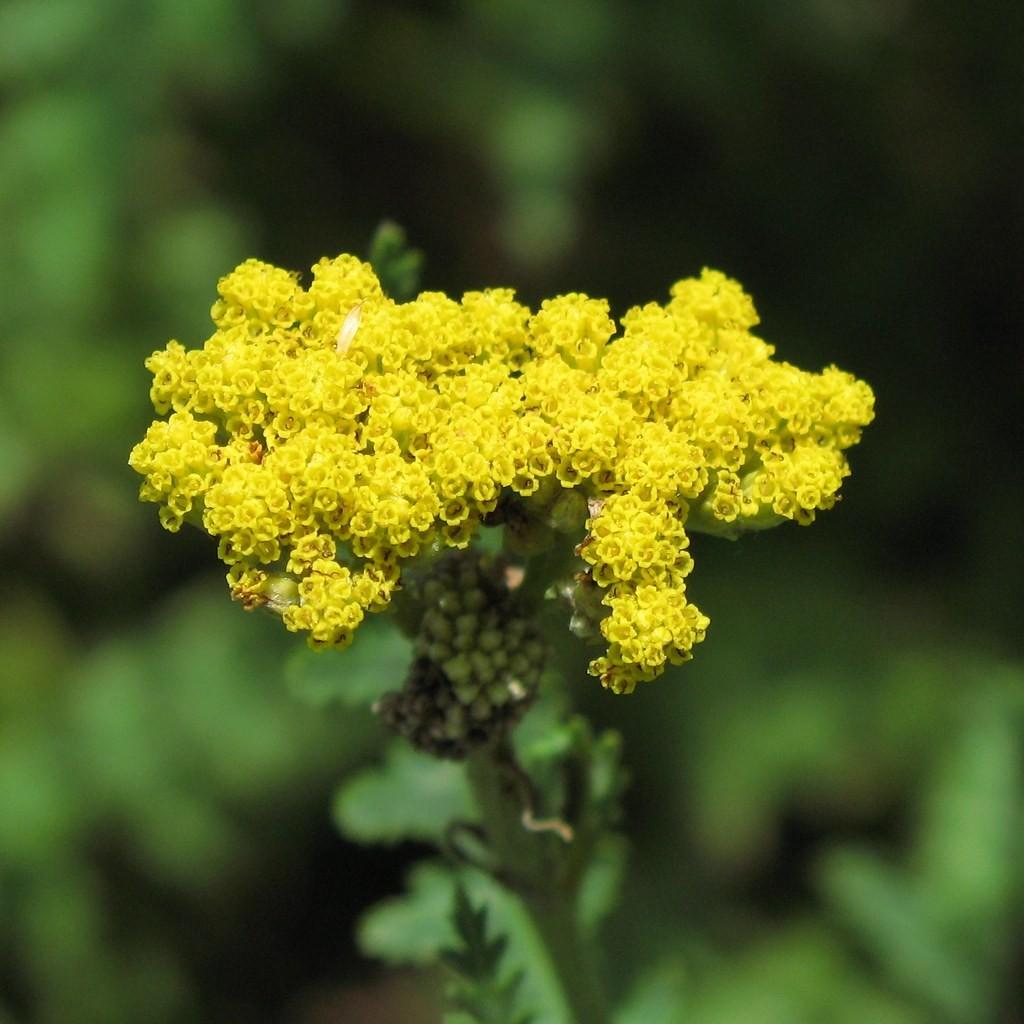
Fern-leaf yarrow Featuring soft, feathery, finely divided green foliage, fern-leaf yarrow adds a light, airy texture to stock collections. The leaves pair well with wildflower and cottage garden themes, and their neutral green tone works for herbal product branding, wedding stationery, and natural skincare content. The plant is low-growing and easy to find in most temperate regions, making it a convenient option for impromptu shoots.
Monstera deliciosa The iconic split leaves of the monstera are a mainstay of modern design, and they consistently rank among the most searched houseplant foliage on stock platforms. Close-ups of the leaf’s unique splits and holes work for everything from tropical travel content to interior design mockups, while wide shots of full plants are popular for lifestyle content.
Eucalyptus With silvery-blue, rounded leaves and a soft, matte texture, eucalyptus foliage is a top pick for wellness, wedding, and home decor content. Dried eucalyptus leaves are also high-demand, as they are commonly used in home arrangements and seasonal decor. The muted, neutral color of the leaves works with almost any design palette, making these shots extremely versatile for buyers.
How to Take High-Quality Leaf Pictures for Stock Use
Capturing marketable foliage shots comes down to prioritizing clarity, versatility, and technical quality. Follow these tips to make sure your shots meet stock platform requirements and appeal to buyers:
- Use soft, diffused natural light. Early morning or late afternoon golden hour light brings out leaf texture and color without harsh shadows, while overcast days create even lighting perfect for cutout-style shots. Avoid direct midday sun, which can wash out colors and create harsh, unflattering shadows.
- Shoot from multiple angles. Capture wide shots of the plant in its natural environment, medium shots of small clusters of leaves, and extreme close-ups of leaf texture, veins, or surface details. This gives you multiple assets from a single shoot, each suited to different buyer use cases.
- Keep backgrounds neutral. Plain white, light gray, or natural wood backgrounds make your shots more versatile, as buyers can easily overlay text or integrate them into design projects. If shooting outdoors, blur the background with a wide aperture to keep focus on the foliage.
- Prioritize sharpness. Focus on the central vein or most distinct part of the leaf to ensure the entire subject is crisp. Most stock platforms reject soft or blurry shots, so use a tripod if you are shooting in low light to avoid camera shake.
- Capture seasonal variations. For outdoor species, shoot the same plant in spring (new, bright green growth), summer (mature foliage), and fall (color shifts) to create a portfolio of seasonal assets that buyers will search for throughout the year.
Common Use Cases for Stock Leaf Photos
Understanding how buyers use foliage imagery can help you tailor your shots to meet common needs. These are the most frequent use cases you can target:
- Website and blog headers: Buyers often search for wide, lightly composed foliage shots with empty space for text overlays for wellness, gardening, and sustainability blogs.
- Social media graphics: Square and vertical shots of simple, colorful foliage are popular for Instagram and Pinterest posts, as they are eye-catching without distracting from text captions.
- Product packaging: Natural, textured foliage shots are commonly used on skincare, herbal supplement, and organic food packaging, so clean, high-resolution close-ups work well for this use case.
- Mockup backgrounds: Interior design and lifestyle brands use foliage shots as backgrounds for product mockups, so shots with soft, blurred foliage and neutral tones are in high demand.
- Print design: Greeting cards, wedding invitations, and art prints often use foliage imagery, so high-resolution shots (12 megapixels or higher) that can be scaled to large sizes perform best for this category.
How to Identify Unknown Leaves for Your Photo Shoots
Accurate species identification is critical for adding relevant tags to your stock photos, which helps buyers find your work. If you encounter an unfamiliar leaf during a shoot, follow this simple process to identify it:
- Take a clear, well-lit photo of the leaf, making sure to capture its shape, edges, and vein structure. Include a shot of the full plant if possible, as additional details like stem texture and growth habit can improve identification accuracy.
- Upload the photo to the Sproutly app for instant, accurate species identification. The app will provide the common and scientific name of the plant, plus key attributes like growing conditions and native range.
- Cross-reference the identification with photos from reputable plant databases to confirm, then use the species name, color, texture, and common uses as keywords for your stock photo listing. For example, if you identify a leaf as a Big Leaf Maple, you can add tags like "Big Leaf Maple, large green leaf, fall foliage, veined leaf texture" to your listing to improve search visibility.
Legal and Licensing Tips for Stock Leaf Pictures
Before uploading your foliage shots to stock platforms, make sure you follow these legal guidelines to avoid rejected content or copyright claims:
- Do not shoot on private property without explicit permission from the property owner. Plants in public parks, sidewalks, and common areas are generally fair game, but avoid shooting plants in private yards, gated communities, or commercial nurseries without consent.
- Never photograph protected or endangered plant species. Even if you find them in public spaces, imagery of protected species may be restricted, and uploading them to stock platforms can violate conservation laws.
- Avoid including branded materials or recognizable people in the background of your shots. Even a small logo on a nearby bench or a blurry person in the distance can get your shot rejected for lack of a release.
- Choose the right license for your work. Most stock platforms offer commercial and editorial licenses; commercial licenses allow buyers to use your work for product and marketing purposes, while editorial licenses are limited to non-commercial use like news articles. Commercial licenses generally generate higher royalties, so prioritize this option for most of your foliage shots.
Final Tips for Curating a Marketable Leaf Photo Portfolio
To build a portfolio that generates consistent sales, focus on variety, quality, and searchability:
- Prioritize diversity. Include shots of both common houseplant foliage and native wild species, seasonal and year-round leaves, and both close-up texture shots and wide environmental shots. This gives buyers more options to choose from and expands your reach across different search queries.
- Keep your keywording consistent and accurate. Use the species name, color, texture, season, and common use cases as tags for every shot. Accurate keywords are the most important factor in getting your work found by buyers.
- Review top-performing foliage content on your chosen stock platforms to identify gaps. If you notice a lack of fall foliage shots or specific houseplant species, prioritize capturing those to fill the gap in the market.
- Edit your shots consistently. Stick to natural, true-to-life colors and avoid heavy filters or overly saturated edits, as buyers prefer neutral imagery they can adjust to fit their own brand guidelines.
FAQ
What types of leaf pictures sell best on stock photography platforms?
Bright, well-lit leaf photos with neutral backgrounds, unique textures, or seasonal color shifts (like fall maple leaves) tend to perform best, along with on-trend houseplant leaves such as fiddle-leaf fig foliage.
How can I identify an unknown leaf to add relevant tags to my stock photo?
You can use the Sproutly app to snap a quick leaf photo for instant identification, which gives you the correct species name and key attributes to use in your stock photo keyword tags.
Do I need permission to take leaf pictures of plants in public spaces for stock use?
For plants in public parks or common areas, you typically do not need permission, but it is best to avoid shooting private property without consent, and never photograph protected or endangered plant species.
What resolution do I need for leaf pictures to be accepted on most stock sites?
Most stock platforms require a minimum of 4 megapixels, but 12 megapixels or higher is preferred to give buyers flexibility for both web and print use cases.
Try Sproutly
Ready to build a marketable portfolio of foliage shots? The Sproutly app makes it easy to identify any leaf you encounter on a shoot, so you can add accurate, searchable tags to every photo you upload. Whether you are shooting backyard native species or rare houseplants, Sproutly gives you the species details you need to make your work discoverable by buyers. Try Sproutly today to streamline your identification process and grow your stock photography income.
Похожие статьи
Ещё руководства, которые вам понравятся

Wild Flower Names: 8 Common, Distinct Species to Identify and Grow
Learn common wild flower names, key identifying traits, and growing tips for popular native and ornamental species perfect for pollinator gardens and low-maintenance landscapes.
2026-06-24 · 10 min read
Watermelon: Complete Growing, Nutrition, and Usage Guide
Learn how to grow watermelon, plus its nutrition, health benefits, varieties, and potential side effects in this comprehensive, beginner-friendly guide.
2026-06-23 · 12 min read
8 Unique Plant Species to Grow in Full-Sun Outdoor Spaces (All Pet-Safe)
Explore low-fuss, pet-safe plant species for full-sun outdoor gardens, from trailing groundcovers to flowering shrubs that thrive with minimal upkeep.
2026-06-23 · 8 min read