%22%2F%3E%0A%20%20%20%20%20%20%3Ccircle%20cx%3D%22920%22%20cy%3D%22180%22%20r%3D%2290%22%20fill%3D%22%23cfe8d5%22%2F%3E%0A%20%20%20%20%20%20%3Cpath%20d%3D%22M600%20590c-90-180-215-255-310-280%200%20165%20118%20296%20270%20296h40z%22%20fill%3D%22%2379b88e%22%2F%3E%0A%20%20%20%20%20%20%3Cpath%20d%3D%22M600%20590c80-150%20198-212%20302-228-8%20142-123%20255-270%20255h-32z%22%20fill%3D%22%235c9f73%22%2F%3E%0A%20%20%20%20%20%20%3Cpath%20d%3D%22M600%20610V360%22%20stroke%3D%22%234f8c64%22%20stroke-width%3D%2218%22%20stroke-linecap%3D%22round%22%2F%3E%0A%20%20%20%20%20%20%3Ctext%20x%3D%22600%22%20y%3D%22700%22%20text-anchor%3D%22middle%22%20font-family%3D%22Arial%2C%20sans-serif%22%20font-size%3D%2244%22%20fill%3D%22%23365c45%22%3E%0A%20%20%20%20%20%20%20%20Plant%20image%20coming%20soon%0A%20%20%20%20%20%20%3C%2Ftext%3E%0A%20%20%20%20%3C%2Fsvg%3E%0A%20%20)
tickseed
Coreopsis 'Mercury Rising'
Visão geral
Tickseed (Coreoposis 'Mercury Rising') is a beautiful annual flower loved by many. It produces an abundance of daisy-like flowers with fiery orange petals and a contrasting yellow center. Grown in full sun, these loving plants thrive and bloom through the warm months, bringing cheer and color to any garden. Plus, their drought tolerant nature and ability to withstand light foot traffic make them a great groundcovers. Add in their low maintenance and attractive foliage and your garden will surely sparkle!
Guia de cuidados
Rega
Tickseed (Coreopsis ‘Mercury Rising’) is a resilient plant that requires minimal watering and can tolerate some periods of drought. This plant should be watered deeply whenever the top inch of soil becomes dry. During dry summer months, this plant may need to be watered once a week in order to keep it looking its best. To ensure adequate hydration, water the plant slowly and evenly throughout its root zone, allowing the soil to become thoroughly wet. In cooler weather, tickseed should only need to be watered every 10-14 days, depending on the weather conditions. Be sure to avoid overwatering, especially in colder weather, as this can lead to root rot.
Luz
Tickseed (Coreopsis 'Mercury Rising') requires full sun to partial shade for optimal growth. The best time for exposure to sunlight is 6 to 8 hours each day. It is tolerant of drought, so can handle full sun, but should be given partial shade during the hottest part of the day. When given the proper amount of light, the tickseed will flower over a long period of time, with striking yellow daisy-like blooms that will brighten up any garden.
Temperatura
Hardiness zone 5–9.
Poda
Tickseed (Coreopsis 'Mercury Rising') can be pruned in the late winter or early spring (February-March). Pruning should consist of cutting the plant's main stems back to within a foot of the ground. This will encourage a new flush of healthy growth. When doing so, ensure that the pruning shears are clean and sharp to prevent disease from spreading. For areas with particularly harsh winters, it is wise to wait until early- to mid-April to prune the tickseed. Deadheading is also recommended in mid-summer - remove any dead or fading flowers to encourage continued blooming.
Propagação
Division, Cutting, Seed Propagation, Layering Propagation
Utilizações e simbolismo
Attracts: Butterflies.
Related plants
Other plants you might like if you grow tickseed.
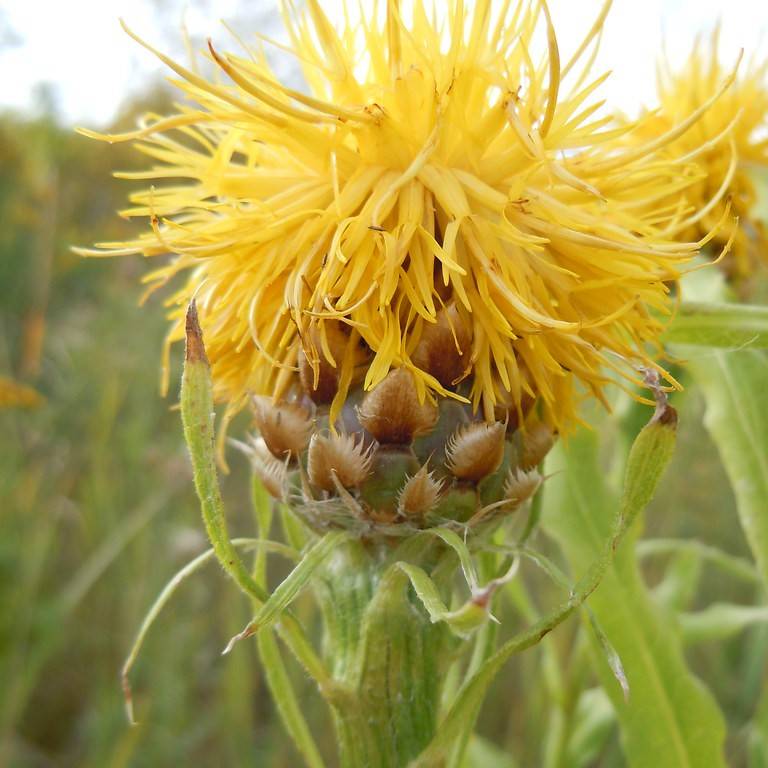
bighead knapweed
Centaurea macrocephala
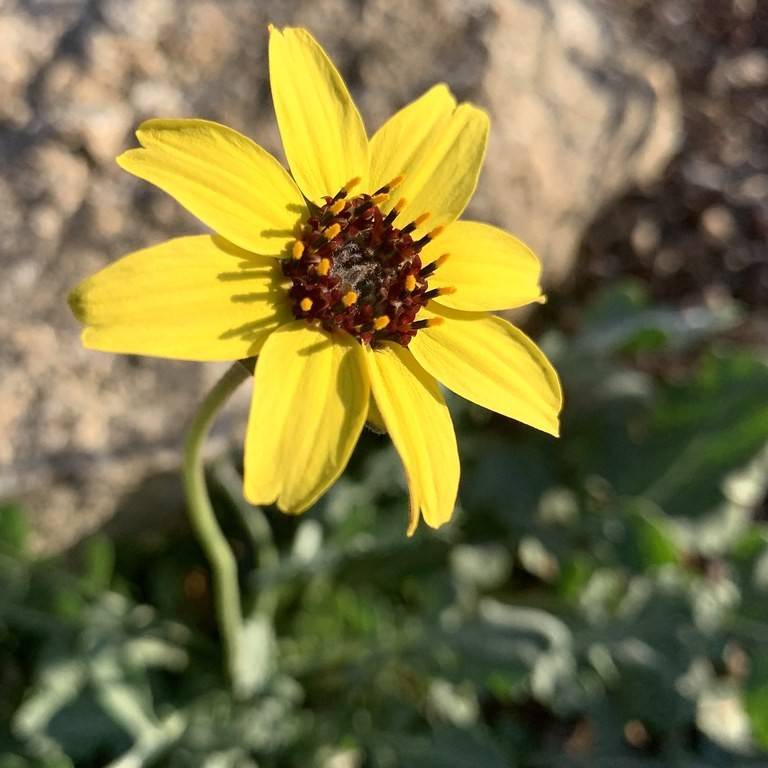
chocolate flower
Berlandiera lyrata

coneflower
Echinacea 'Adam Saul' CRAZY PINK
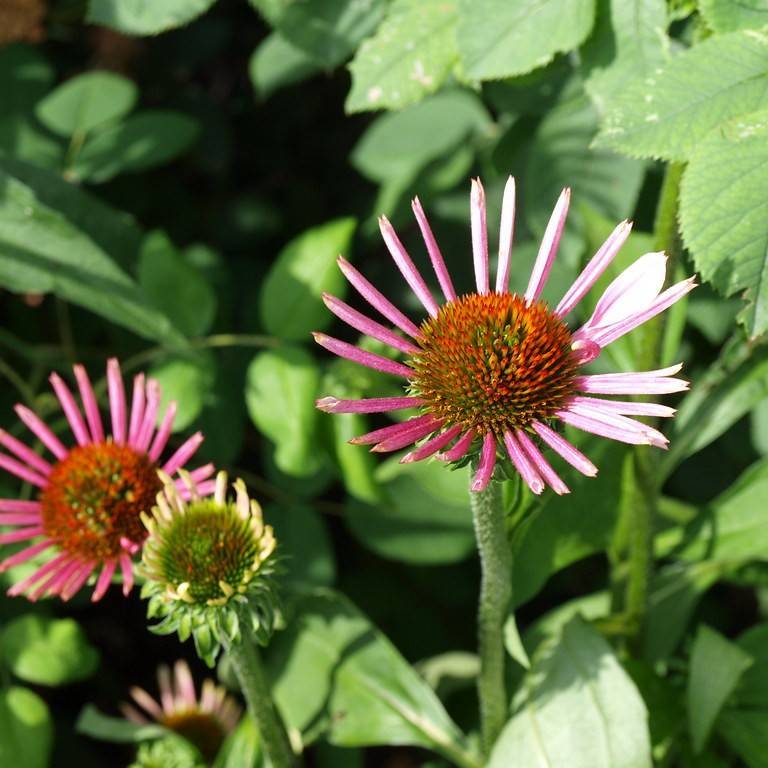
coneflower
Echinacea 'All that Jazz'
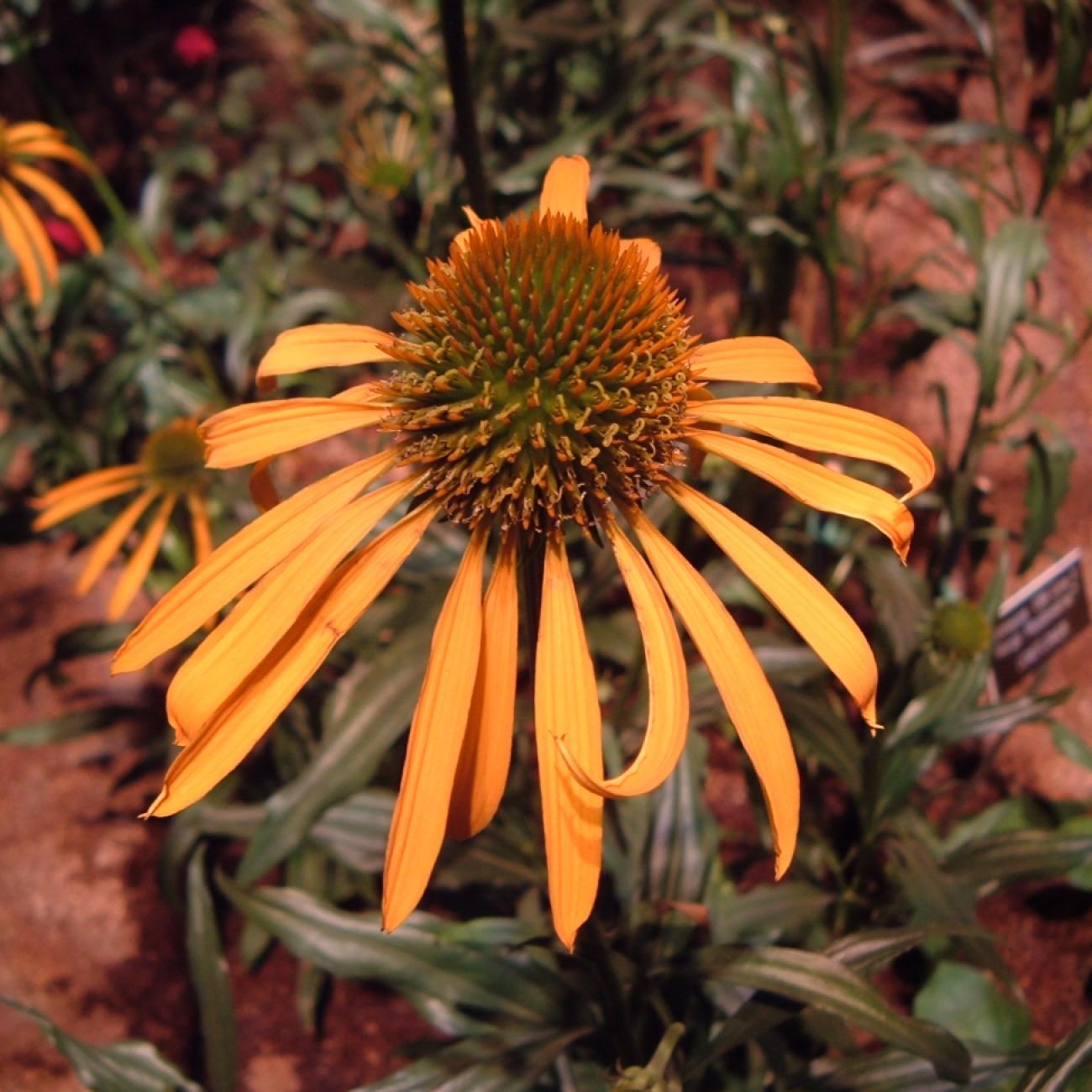
coneflower
Echinacea 'Art's Pride' ORANGE MEADOWBRITE
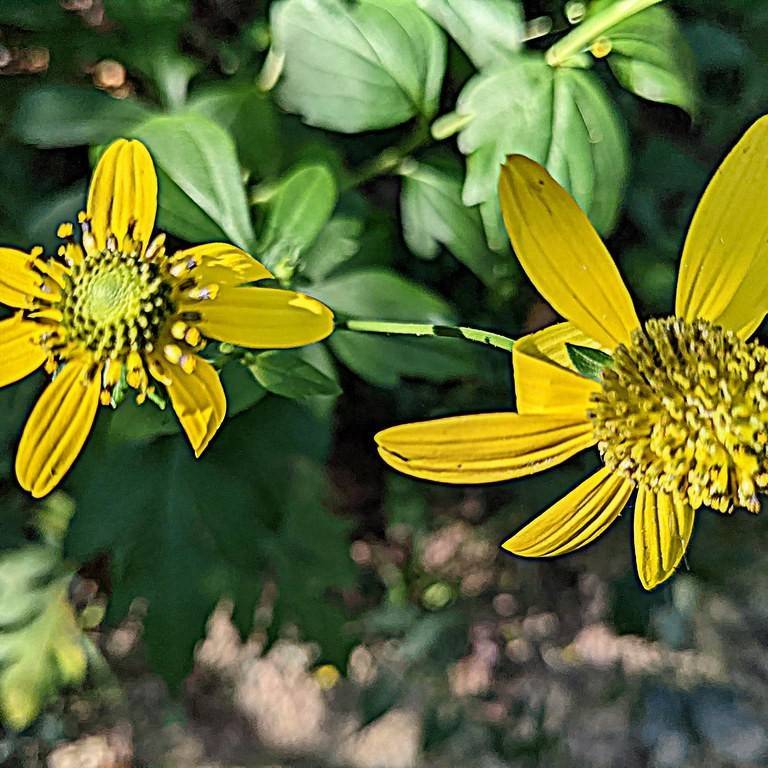
coneflower
Echinacea 'Balsomsolst' SOMBRERO SUMMER SOLSTICE
coneflower
Echinacea 'Balsomtresgo' SOMBRERO TRES AMIGOS
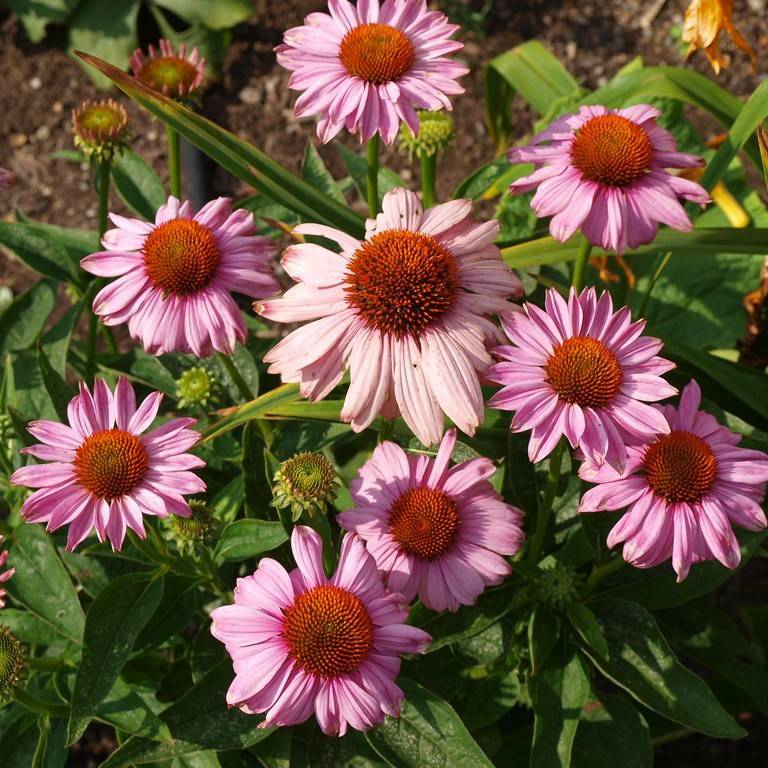
coneflower
Echinacea 'Bravado'