%22%2F%3E%0A%20%20%20%20%20%20%3Ccircle%20cx%3D%22920%22%20cy%3D%22180%22%20r%3D%2290%22%20fill%3D%22%23cfe8d5%22%2F%3E%0A%20%20%20%20%20%20%3Cpath%20d%3D%22M600%20590c-90-180-215-255-310-280%200%20165%20118%20296%20270%20296h40z%22%20fill%3D%22%2379b88e%22%2F%3E%0A%20%20%20%20%20%20%3Cpath%20d%3D%22M600%20590c80-150%20198-212%20302-228-8%20142-123%20255-270%20255h-32z%22%20fill%3D%22%235c9f73%22%2F%3E%0A%20%20%20%20%20%20%3Cpath%20d%3D%22M600%20610V360%22%20stroke%3D%22%234f8c64%22%20stroke-width%3D%2218%22%20stroke-linecap%3D%22round%22%2F%3E%0A%20%20%20%20%20%20%3Ctext%20x%3D%22600%22%20y%3D%22700%22%20text-anchor%3D%22middle%22%20font-family%3D%22Arial%2C%20sans-serif%22%20font-size%3D%2244%22%20fill%3D%22%23365c45%22%3E%0A%20%20%20%20%20%20%20%20Plant%20image%20coming%20soon%0A%20%20%20%20%20%20%3C%2Ftext%3E%0A%20%20%20%20%3C%2Fsvg%3E%0A%20%20)
Japanese barberry
Berberis thunbergii f. atropurpurea 'Gentry' ROYAL BURGUNDY
Visão geral
The Japanese barberry (Berberis thunbergii f. atropurpurea 'Gentry' ROYAL BURGUNDY) is truly amazing. This shrub has beautiful, unique foliage colors, ranging from dark purple to coppery-burgundy that will bring a splash of color to any garden. It requires little maintenance and is a hardy and versatile plant that is both drought-tolerant and cold-tolerant. Plus, its flowers have fragrant blooms of yellow or white, making them especially attractive to bees. With its gentle arching branches, the Japanese barberry is an ideal choice for hedging or planting in mass. This is a magnificent plant that will bring beauty and life to your outdoor area.
Guia de cuidados
Rega
Japanese barberry (Berberis thunbergii f. atropurpurea 'Gentry' ROYAL BURGUNDY) should be watered well and evenly when the soil is starting to feel dry to the touch. During the summer when temperatures are warmer and the plant is actively growing, it is important to water thoroughly once a week. In cooler temperatures, water once every 2 weeks. Make sure to monitor the soil moisture levels carefully, as the plant doesn't like soggy soil. When watering, apply enough water so that it soaks the entire soil profile.
Luz
Japanese barberry (Berberis thunbergii f. atropurpurea 'Gentry' ROYAL BURGUNDY) loves full sun. It should receive at least 6 hours of direct sunlight each day in order to thrive. If it gets too much sun, however, the leaves may be scorched and the plant may become stressed. For this reason, it is best to plant it in an area that receives morning direct sunlight and afternoon dappled shade. Additionally, Japanese barberry can tolerate partial shade and may even benefit from some shade in areas of intense summer heat.
Temperatura
Hardiness zone 4–8.
Poda
Japanese barberry (Berberis thunbergii f. atropurpurea 'Gentry' ROYAL BURGUNDY) should be pruned in mid- to late spring after flowering. This will prevent the plant from becoming overly woody and encourage new growth. Prune out any weak or errant growth and selectively remove up to a quarter of the oldest stems to encourage new growth in the plant. Pruning should not be done more than once a year as it increases the likelihood of disease and encourages the plant to become too woody.
Propagação
Cutting, Layering Propagation, Division, Grafting Propagation, Seed Propagation
Utilizações e simbolismo
Attracts: Birds.
Related plants
Other plants you might like if you grow Japanese barberry.
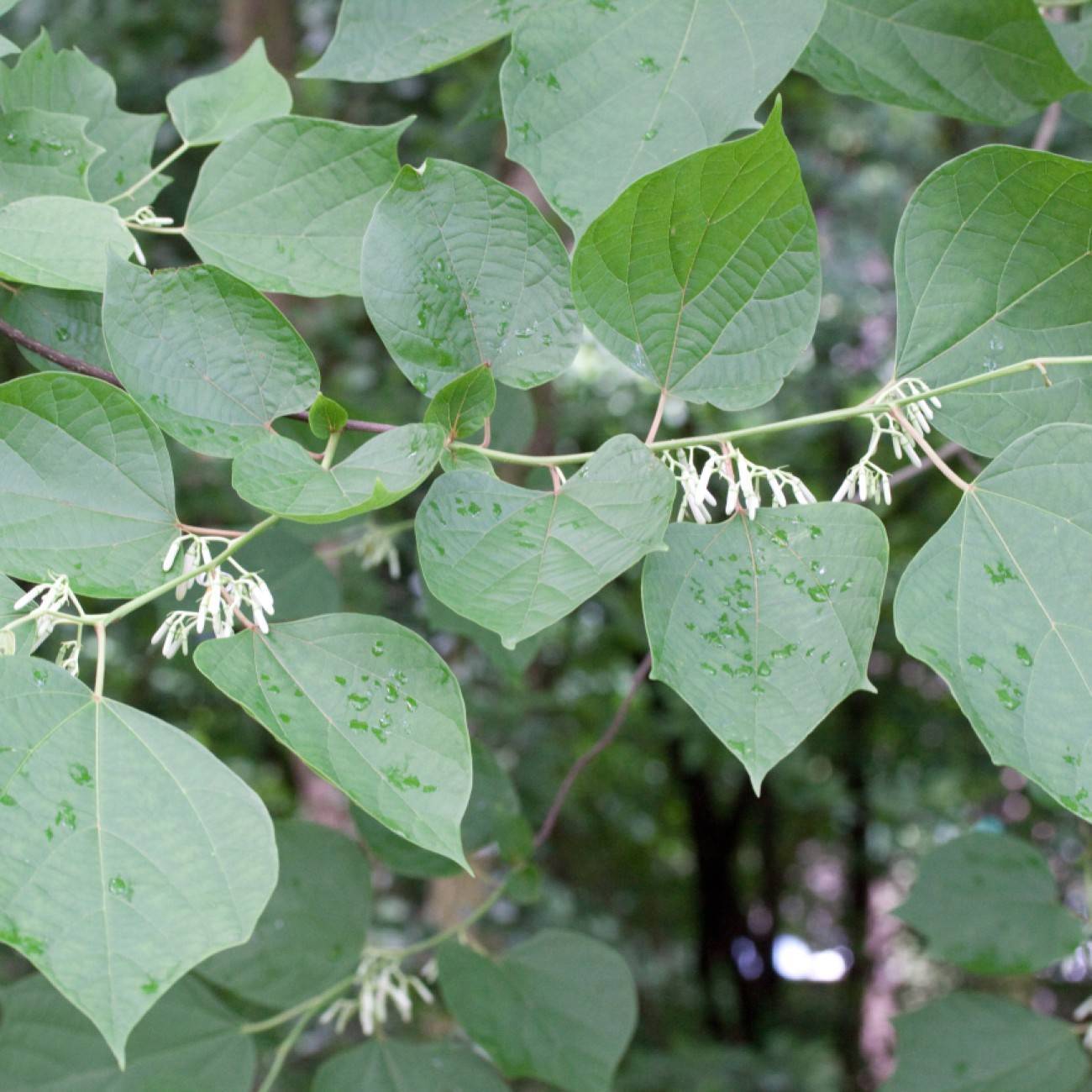
alangium
Alangium platanifolium var. macrophyllum
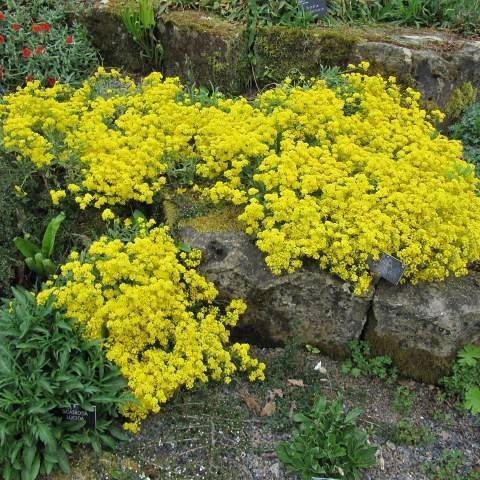
basket of gold
Aurinia saxatilis 'Gold Dust'
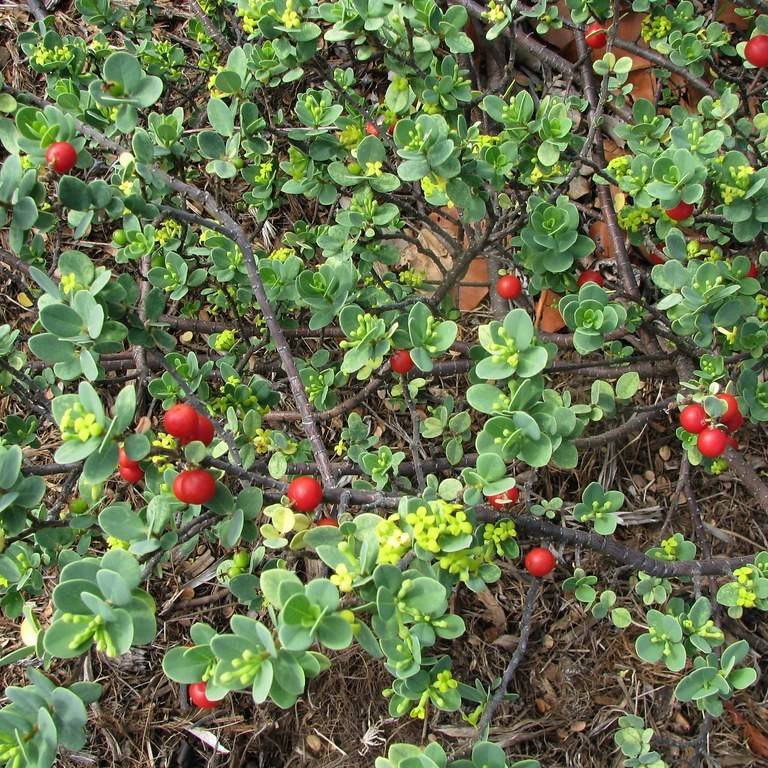
bearberry
Arctostaphylos uva-ursi 'Wood's Red'
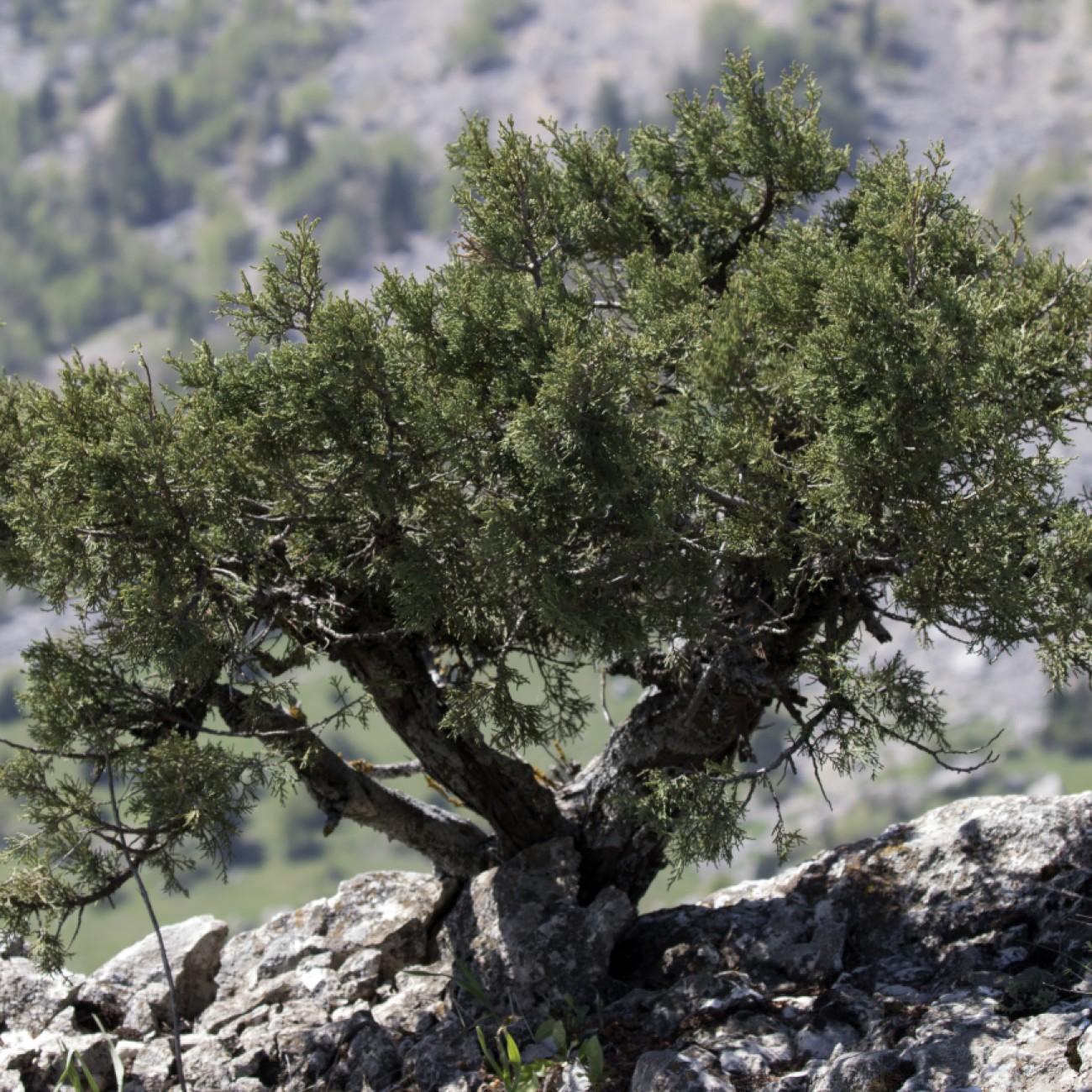
Blue Chip Juniper (tree form)
Juniperus horizontalis 'Blue Chip (tree form)'
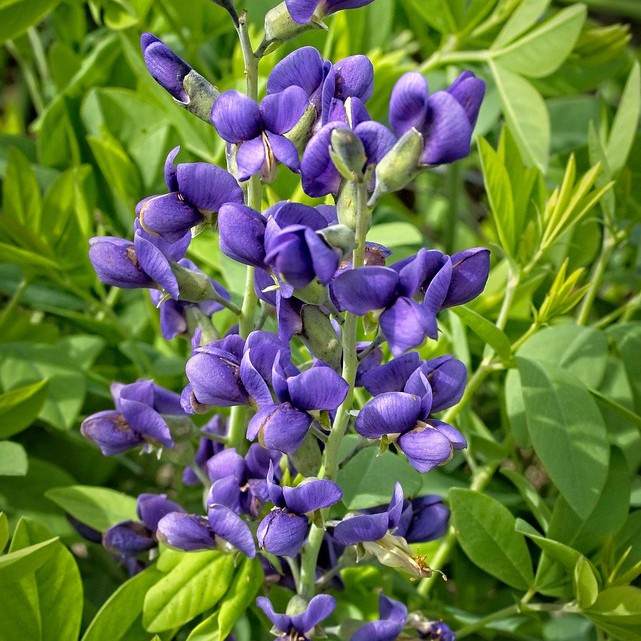
blue false indigo
Baptisia australis
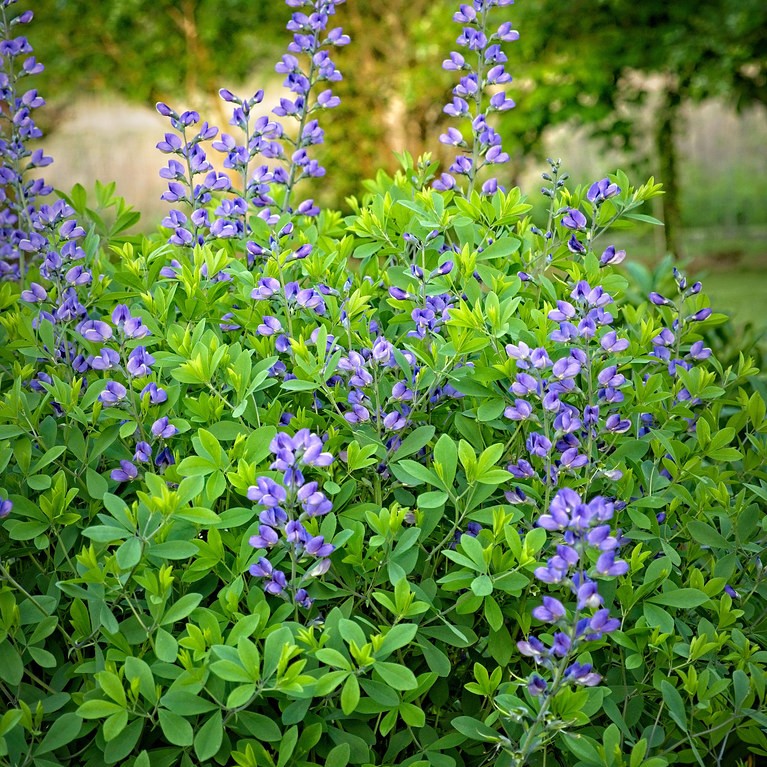
blue false indigo
Baptisia australis var. minor
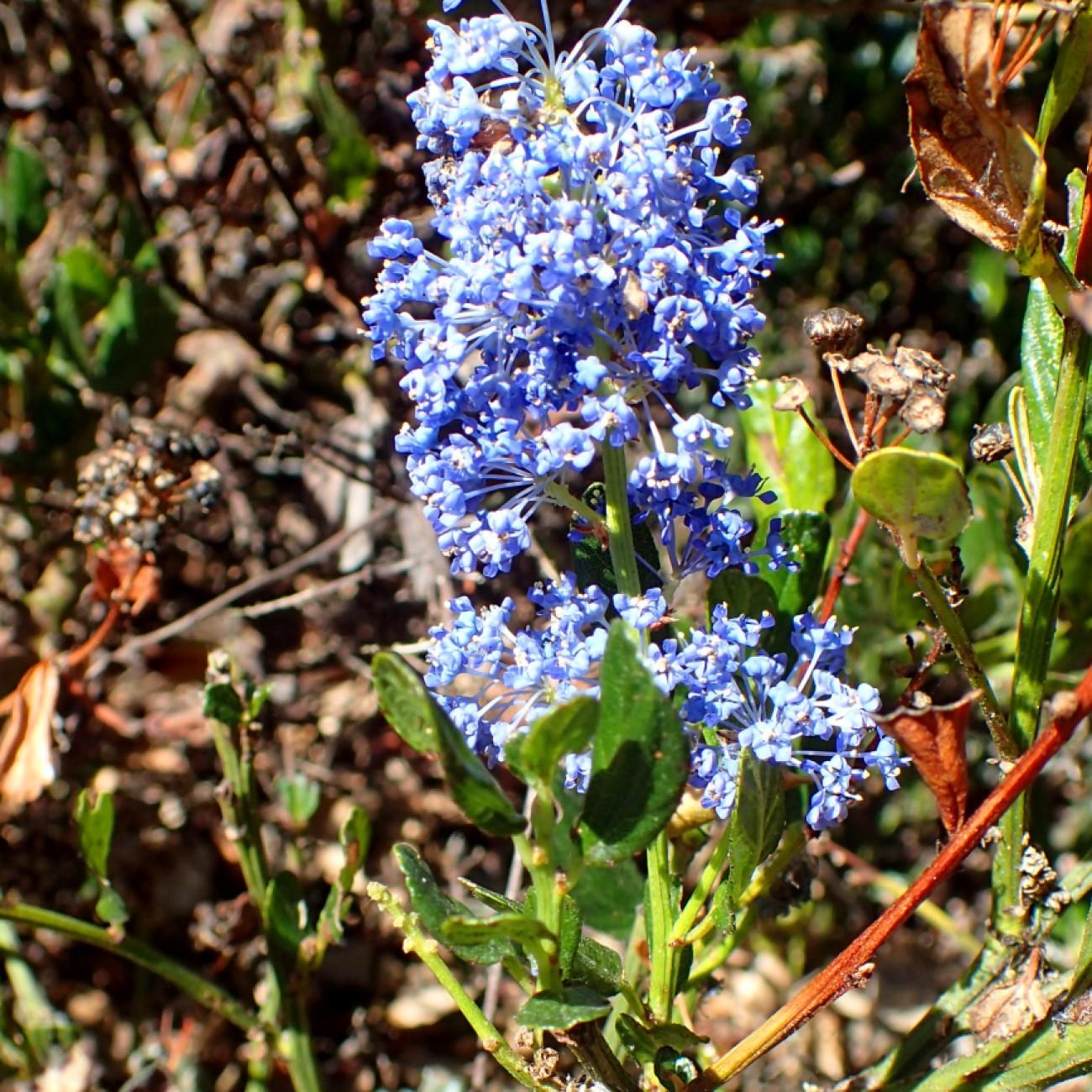
blue mountain lilac
Ceanothus thyrsiflorus 'Skylark'
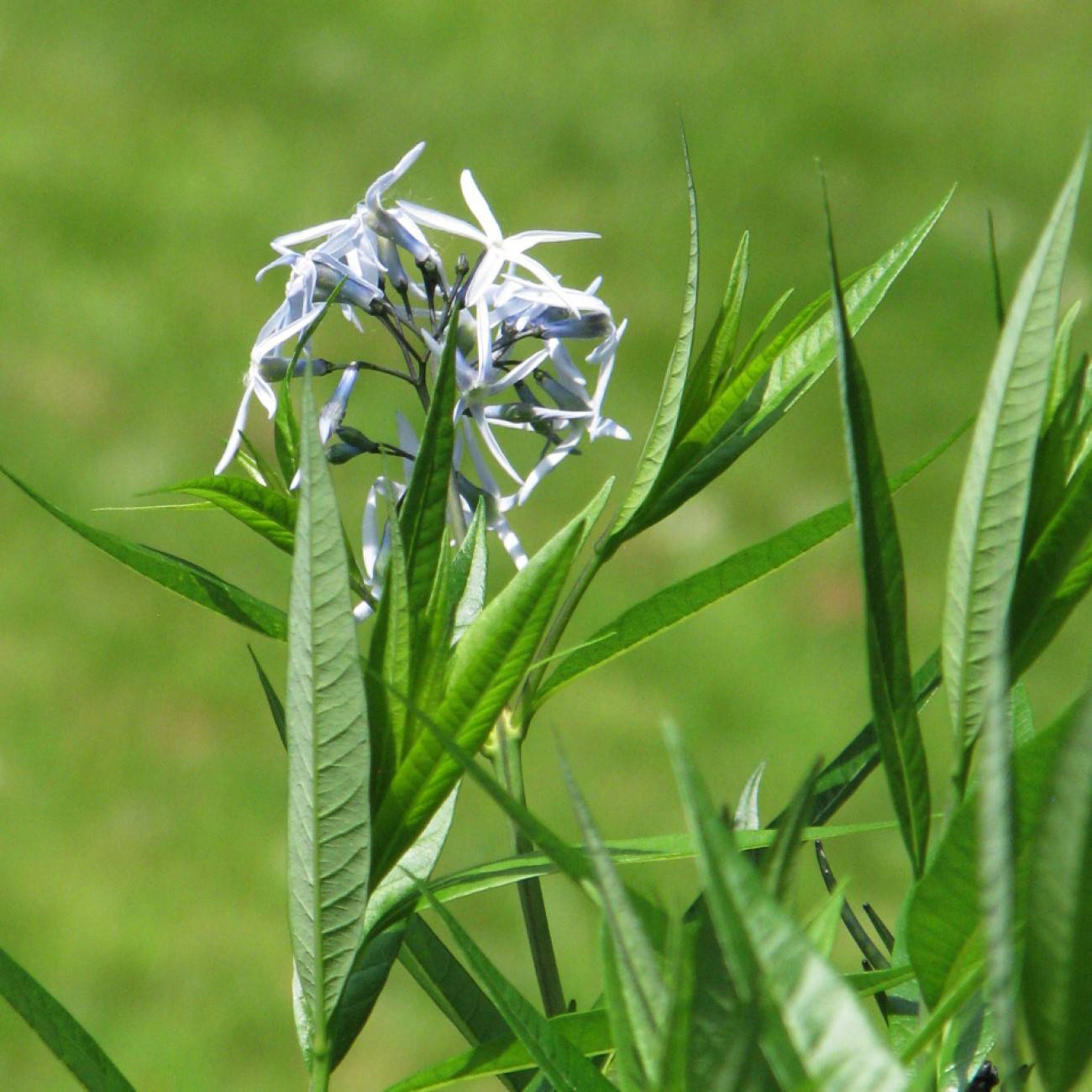
blue star
Amsonia ciliata var. filifolia 'Georgia Pancake'